Diana Berruezo-Sánchez – Författare
Visar alla böcker från författaren Diana Berruezo-Sánchez. Handla med fri frakt och snabb leverans.
3 produkter
3 produkter
1 380 kr
Skickas inom 5-8 vardagar
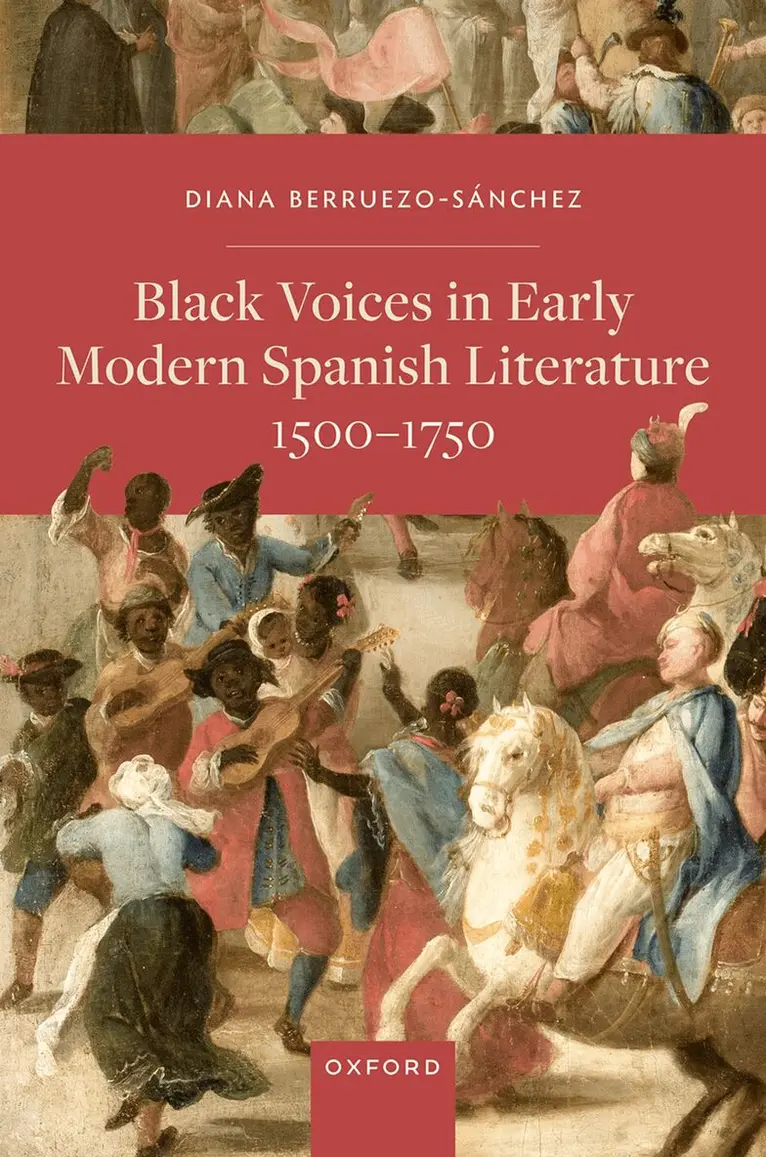
In this groundbreaking study, Diana Berruezo-Sánchez recovers key chapters in the history of Afro-Iberian diasporas by exploring the literary contributions and life experiences of black African communities and individuals in early modern Spain. From the sixteenth to the eighteenth centuries, international trade involving chattel slavery led to significant populations of enslaved, free(d), and half-manumitted black African women, men, and children in the Iberian Peninsula. These demographic changes transformed Spain's urban and social landscapes. In exploring Spain's role in the transatlantic slave trade and its effects on cultural forms of the period, Berruezo-Sánchez examines a broad range of texts and unearths new documents relating to black African poets, performers, and black confraternities. Her discoveries evince the broad yet largely disregarded literary and artistic impact of the African diaspora in early modern Spain, expanding the scope of linguistic practices beyond habla de negros and creating space for early modern black poets in the Spanish literary canon. These textual sources challenge established understandings of black Africans and black African history in early modern Spain. They show how black Africans exerted significant cultural agency by collectively contributing to and shaping the literary texts of the period, including those of the popular genre villancicos de negros, and by developing artistic traditions as musicians, dancers, and poets. As both creators and consumers of cultural forms, black African men and women navigated a restrictive, coercive slave society yet negotiated their own physical and cultural spaces.
Iberia negra
Textos para otra historia de la diáspora africana (siglos XVI y XVII)
Häftad, Spanska, 2024
581 kr
Skickas
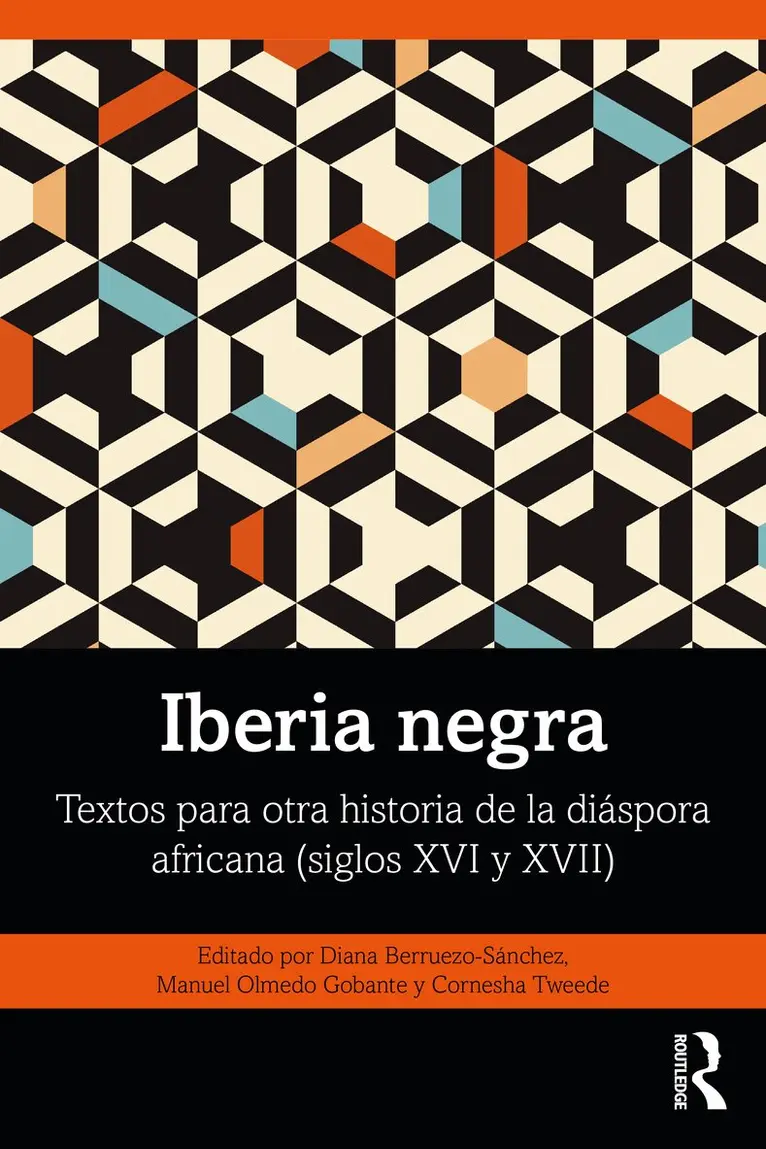
Iberia negra provides textual and methodological resources to investigate and study the African Diaspora and early modern Iberian Studies with a transatlantic and global perspective. This unique and timely volume renovates the study of Black African lives in the Iberian Peninsula during the 16th and 17th centuries, contextualizing and illuminating Afro-Iberian experiences and representations through unpublished or little-known documents. Across twelve chapters, Iberia negra explores the Afro-Iberian presence and the construction of Black identity in the Iberian Peninsula through the era’s social practices and cultural representations. In dialogue with a vast critical production from different disciplines such as philology, history, anthropology, musicology, cultural studies, and Black and race studies, this volume offers a more complex vision of Black Iberia, moving away from stereotypes and giving an account of the life experiences of Black men and women.Iberia negra covers an existing gap in current academic production: within one comprehensive volume, it unites disciplines that until now have dealt with aspects of the diaspora but without dialogue between each other and it also allows access to a broad spectrum of texts on the diaspora in the Iberian Peninsula. With this double objective, Iberia negra is a fruitful resource for graduate and undergraduate students of Spanish, History, and Race, and for professors and researchers in these areas.Iberia negra propociona recursos textuales y metodológicos para estudiar y enseñar la diáspora africana y los estudios ibéricos modernos con una perspectiva transatlántica y global. Este volumen tan pertinente como único renueva nuestro conocimiento sobre las vidas de las personas negras de la Península Ibérica durante los siglos XVI y XVII, contextualizando e ilustrando las experiencias y representaciones afroibéricas con documentos inéditos o poco conocidos.A lo largo de doce capítulos, Iberia negra explora la presencia afroibérica y la construcción de la identidad negra en la Península Ibérica a través de las prácticas sociales y las representaciones culturales de la época. En diálogo con una vasta producción crítica procedente de diferentes disciplinas como la filología, la historia, la antropología, la musicología, los estudios culturales y los estudios negros y de raza, este volumen ofrece una visión profunda y compleja de la Iberia negra, alejándose de los estereotipos y dando cuenta de las experiencias vitales de las personas negras.Iberia negra cubre una laguna en la producción académica actual. Integra en un volumen disciplinas que han tratado aspectos de la diáspora sin apenas dialogar entre ellas hasta ahora. Además, permite acceder a un amplio espectro de textos sobre la diáspora en la Península Ibérica. Con este doble objetivo, Iberia negra constituye un fructífero recurso para estudiantes de grado y posgrado de español, historia y temas relacionado con la raza, así como para profesores e investigadores de estas áreas.
Iberia negra
Textos para otra historia de la diáspora africana (siglos XVI y XVII)
Inbunden, Spanska, 2024
2 176 kr
Skickas inom 3-6 vardagar
Iberia negra provides textual and methodological resources to investigate and study the African Diaspora and early modern Iberian Studies with a transatlantic and global perspective. This unique and timely volume renovates the study of Black African lives in the Iberian Peninsula during the 16th and 17th centuries, contextualizing and illuminating Afro-Iberian experiences and representations through unpublished or little-known documents. Across twelve chapters, Iberia negra explores the Afro-Iberian presence and the construction of Black identity in the Iberian Peninsula through the era’s social practices and cultural representations. In dialogue with a vast critical production from different disciplines such as philology, history, anthropology, musicology, cultural studies, and Black and race studies, this volume offers a more complex vision of Black Iberia, moving away from stereotypes and giving an account of the life experiences of Black men and women.Iberia negra covers an existing gap in current academic production: within one comprehensive volume, it unites disciplines that until now have dealt with aspects of the diaspora but without dialogue between each other and it also allows access to a broad spectrum of texts on the diaspora in the Iberian Peninsula. With this double objective, Iberia negra is a fruitful resource for graduate and undergraduate students of Spanish, History, and Race, and for professors and researchers in these areas.Iberia negra propociona recursos textuales y metodológicos para estudiar y enseñar la diáspora africana y los estudios ibéricos modernos con una perspectiva transatlántica y global. Este volumen tan pertinente como único renueva nuestro conocimiento sobre las vidas de las personas negras de la Península Ibérica durante los siglos XVI y XVII, contextualizando e ilustrando las experiencias y representaciones afroibéricas con documentos inéditos o poco conocidos.A lo largo de doce capítulos, Iberia negra explora la presencia afroibérica y la construcción de la identidad negra en la Península Ibérica a través de las prácticas sociales y las representaciones culturales de la época. En diálogo con una vasta producción crítica procedente de diferentes disciplinas como la filología, la historia, la antropología, la musicología, los estudios culturales y los estudios negros y de raza, este volumen ofrece una visión profunda y compleja de la Iberia negra, alejándose de los estereotipos y dando cuenta de las experiencias vitales de las personas negras.Iberia negra cubre una laguna en la producción académica actual. Integra en un volumen disciplinas que han tratado aspectos de la diáspora sin apenas dialogar entre ellas hasta ahora. Además, permite acceder a un amplio espectro de textos sobre la diáspora en la Península Ibérica. Con este doble objetivo, Iberia negra constituye un fructífero recurso para estudiantes de grado y posgrado de español, historia y temas relacionado con la raza, así como para profesores e investigadores de estas áreas.