Manuel Olmedo Gobante – Författare
Visar alla böcker från författaren Manuel Olmedo Gobante. Handla med fri frakt och snabb leverans.
4 produkter
4 produkter
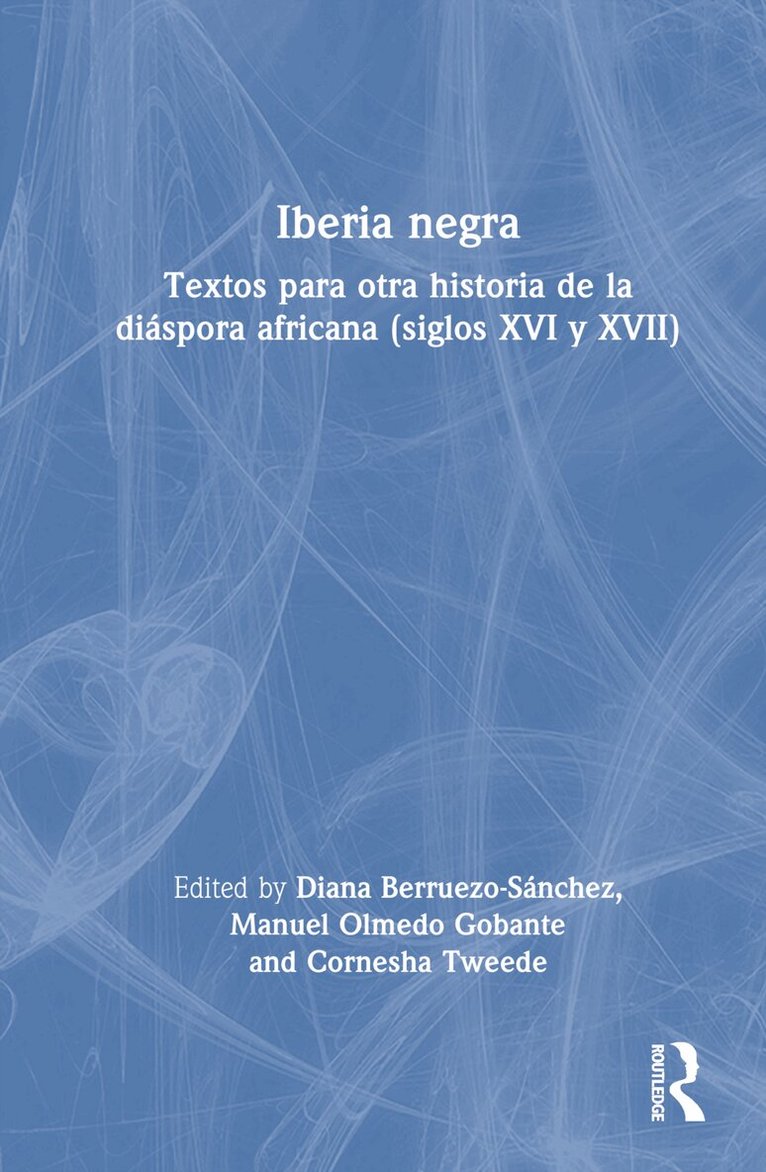
Iberia negra
Textos para otra historia de la diáspora africana (siglos XVI y XVII)
Häftad, Spanska, 2024
581 kr
Skickas
Iberia negra provides textual and methodological resources to investigate and study the African Diaspora and early modern Iberian Studies with a transatlantic and global perspective. This unique and timely volume renovates the study of Black African lives in the Iberian Peninsula during the 16th and 17th centuries, contextualizing and illuminating Afro-Iberian experiences and representations through unpublished or little-known documents. Across twelve chapters, Iberia negra explores the Afro-Iberian presence and the construction of Black identity in the Iberian Peninsula through the era’s social practices and cultural representations. In dialogue with a vast critical production from different disciplines such as philology, history, anthropology, musicology, cultural studies, and Black and race studies, this volume offers a more complex vision of Black Iberia, moving away from stereotypes and giving an account of the life experiences of Black men and women.Iberia negra covers an existing gap in current academic production: within one comprehensive volume, it unites disciplines that until now have dealt with aspects of the diaspora but without dialogue between each other and it also allows access to a broad spectrum of texts on the diaspora in the Iberian Peninsula. With this double objective, Iberia negra is a fruitful resource for graduate and undergraduate students of Spanish, History, and Race, and for professors and researchers in these areas.Iberia negra propociona recursos textuales y metodológicos para estudiar y enseñar la diáspora africana y los estudios ibéricos modernos con una perspectiva transatlántica y global. Este volumen tan pertinente como único renueva nuestro conocimiento sobre las vidas de las personas negras de la Península Ibérica durante los siglos XVI y XVII, contextualizando e ilustrando las experiencias y representaciones afroibéricas con documentos inéditos o poco conocidos.A lo largo de doce capítulos, Iberia negra explora la presencia afroibérica y la construcción de la identidad negra en la Península Ibérica a través de las prácticas sociales y las representaciones culturales de la época. En diálogo con una vasta producción crítica procedente de diferentes disciplinas como la filología, la historia, la antropología, la musicología, los estudios culturales y los estudios negros y de raza, este volumen ofrece una visión profunda y compleja de la Iberia negra, alejándose de los estereotipos y dando cuenta de las experiencias vitales de las personas negras.Iberia negra cubre una laguna en la producción académica actual. Integra en un volumen disciplinas que han tratado aspectos de la diáspora sin apenas dialogar entre ellas hasta ahora. Además, permite acceder a un amplio espectro de textos sobre la diáspora en la Península Ibérica. Con este doble objetivo, Iberia negra constituye un fructífero recurso para estudiantes de grado y posgrado de español, historia y temas relacionado con la raza, así como para profesores e investigadores de estas áreas.
Iberia negra
Textos para otra historia de la diáspora africana (siglos XVI y XVII)
Inbunden, Spanska, 2024
2 176 kr
Skickas inom 3-6 vardagar
Iberia negra provides textual and methodological resources to investigate and study the African Diaspora and early modern Iberian Studies with a transatlantic and global perspective. This unique and timely volume renovates the study of Black African lives in the Iberian Peninsula during the 16th and 17th centuries, contextualizing and illuminating Afro-Iberian experiences and representations through unpublished or little-known documents. Across twelve chapters, Iberia negra explores the Afro-Iberian presence and the construction of Black identity in the Iberian Peninsula through the era’s social practices and cultural representations. In dialogue with a vast critical production from different disciplines such as philology, history, anthropology, musicology, cultural studies, and Black and race studies, this volume offers a more complex vision of Black Iberia, moving away from stereotypes and giving an account of the life experiences of Black men and women.Iberia negra covers an existing gap in current academic production: within one comprehensive volume, it unites disciplines that until now have dealt with aspects of the diaspora but without dialogue between each other and it also allows access to a broad spectrum of texts on the diaspora in the Iberian Peninsula. With this double objective, Iberia negra is a fruitful resource for graduate and undergraduate students of Spanish, History, and Race, and for professors and researchers in these areas.Iberia negra propociona recursos textuales y metodológicos para estudiar y enseñar la diáspora africana y los estudios ibéricos modernos con una perspectiva transatlántica y global. Este volumen tan pertinente como único renueva nuestro conocimiento sobre las vidas de las personas negras de la Península Ibérica durante los siglos XVI y XVII, contextualizando e ilustrando las experiencias y representaciones afroibéricas con documentos inéditos o poco conocidos.A lo largo de doce capítulos, Iberia negra explora la presencia afroibérica y la construcción de la identidad negra en la Península Ibérica a través de las prácticas sociales y las representaciones culturales de la época. En diálogo con una vasta producción crítica procedente de diferentes disciplinas como la filología, la historia, la antropología, la musicología, los estudios culturales y los estudios negros y de raza, este volumen ofrece una visión profunda y compleja de la Iberia negra, alejándose de los estereotipos y dando cuenta de las experiencias vitales de las personas negras.Iberia negra cubre una laguna en la producción académica actual. Integra en un volumen disciplinas que han tratado aspectos de la diáspora sin apenas dialogar entre ellas hasta ahora. Además, permite acceder a un amplio espectro de textos sobre la diáspora en la Península Ibérica. Con este doble objetivo, Iberia negra constituye un fructífero recurso para estudiantes de grado y posgrado de español, historia y temas relacionado con la raza, así como para profesores e investigadores de estas áreas.
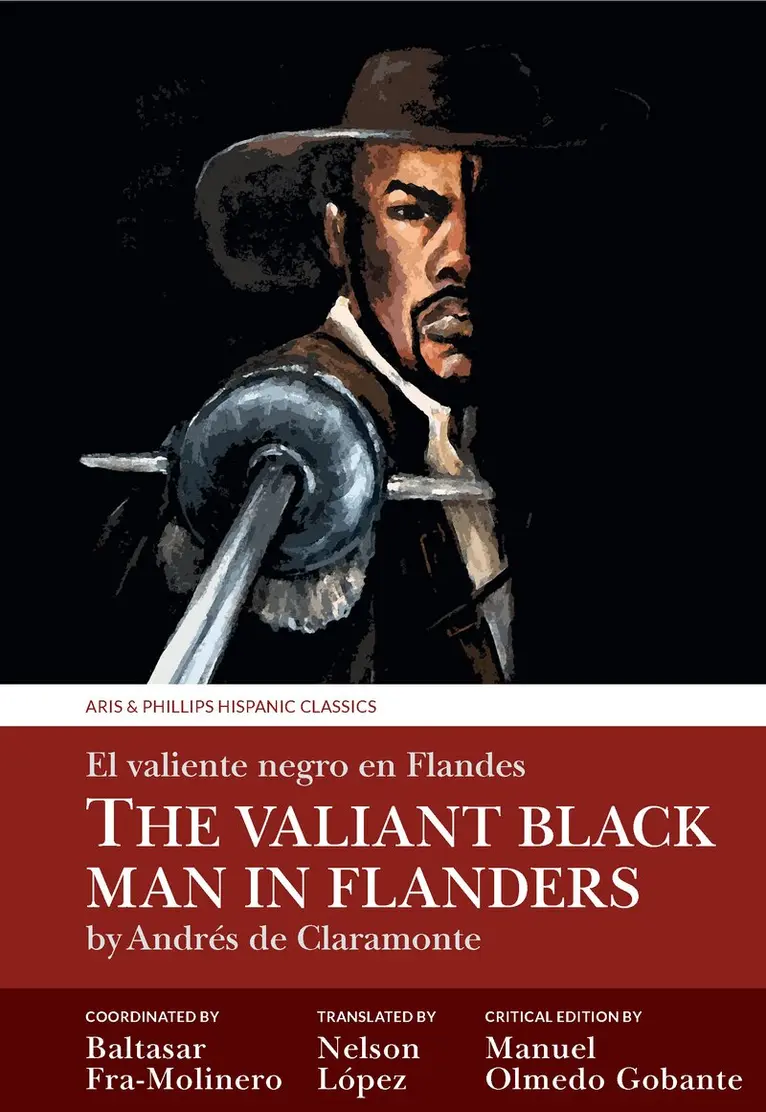
Valiant Black Man in Flanders / El valiente negro en Flandes
by Andrés de Claramonte
Häftad, Engelska, 2025
579 kr
Skickas inom 7-10 vardagar
A play about defiance of systemic racism. Juan de Mérida, an Afro-Spanish soldier aspires to social advancement in the Netherlands during the Eighty Years' War (1566-1648). His main enemies are not Dutch rebels but his white countrymen, whom he defeats at every attempt to humiliate him. In this play one encounters military culture, upward mobility, mistaken identities, defying destiny, royal pageantry, swordfights, cross-dressing, revenge, homosexual anxiety, and inter-racial marriage. Andrés de Claramonte’s El valiente negro en Flandes (c.1625) is an Afrodiasporic play that enjoyed great success and multiple stagings in Spain and in Latin America. Its 1938 negrista performance in Havana, Cuba, and Frantz Fanon’s Black Skin, White Masks, attest to the power of this play to illuminate contemporary racial dynamics.This is the first annotated, critical edition and English translation of El valiente negro en Flandes with a comprehensive introduction, three critical essays, the critical apparatus comparing the eleven extant versions of the play, and an appendix with alternative scenes and related historical documents. A tool for scholars of early modern European literature and a pedagogical aid to discuss the early discourses on Blackness in Spain and its trans-Atlantic empire.
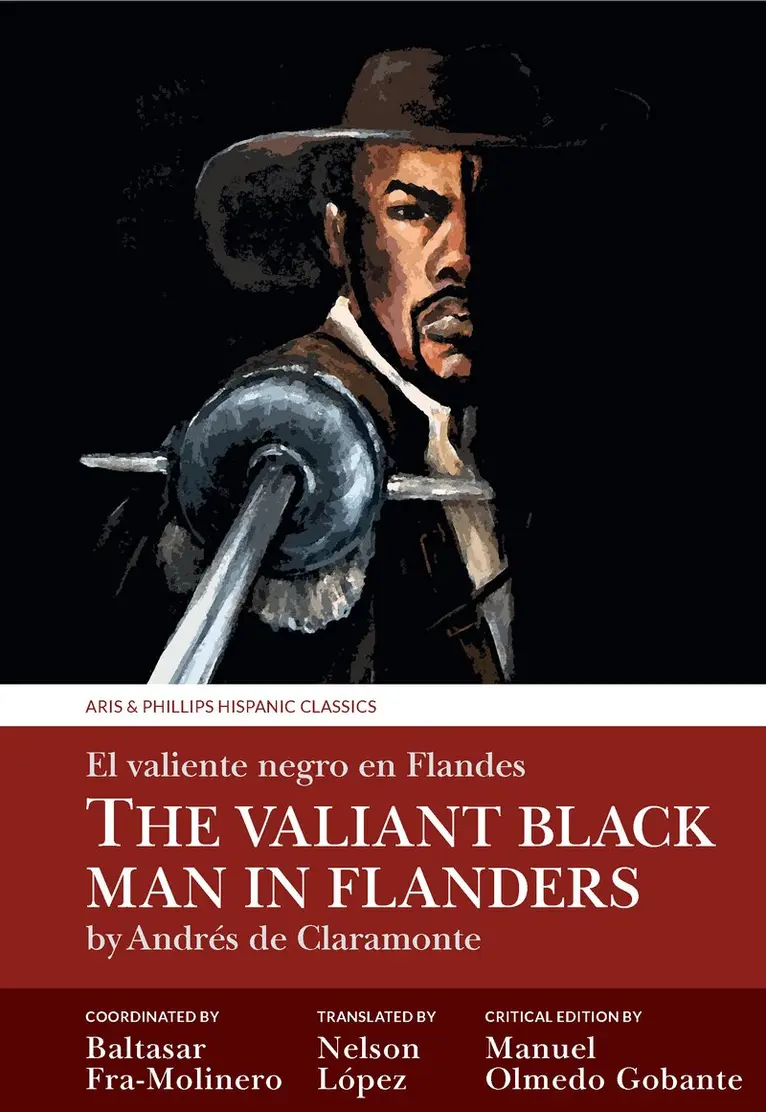
Valiant Black Man in Flanders / El valiente negro en Flandes
by Andrés de Claramonte
Inbunden, Engelska, 2023
2 153 kr
Skickas inom 7-10 vardagar
A play about defiance of systemic racism. Juan de Mérida, an Afro-Spanish soldier aspires to social advancement in the Netherlands during the Eighty Years' War (1566-1648). His main enemies are not Dutch rebels but his white countrymen, whom he defeats at every attempt to humiliate him. In this play one encounters military culture, upward mobility, mistaken identities, defying destiny, royal pageantry, swordfights, cross-dressing, revenge, homosexual anxiety, and inter-racial marriage. Andrés de Claramonte’s El valiente negro en Flandes (c.1625) is an Afrodiasporic play that enjoyed great success and multiple stagings in Spain and in Latin America. Its 1938 negrista performance in Havana, Cuba, and Frantz Fanon’s Black Skin, White Masks, attest to the power of this play to illuminate contemporary racial dynamics.This is the first annotated, critical edition and English translation of El valiente negro en Flandes with a comprehensive introduction, three critical essays, the critical apparatus comparing the eleven extant versions of the play, and an appendix with alternative scenes and related historical documents. A tool for scholars of early modern European literature and a pedagogical aid to discuss the early discourses on Blackness in Spain and its trans-Atlantic empire.