Diana Mincyte – författare
Visar alla böcker från författaren Diana Mincyte. Handla med fri frakt och snabb leverans.
6 produkter
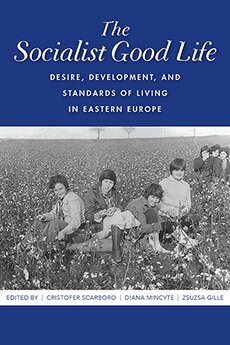
Socialist Good Life
Desire, Development, and Standards of Living in Eastern Europe
Av Cristofer Scarboro, Diana Mincyte m. fl.
Inbunden, 2020
927 kr
Lägg i varukorg
What does the good life mean in a "backward" place? As communist regimes denigrated widespread unemployment and consumer excess in Western countries, socialist Eastern European states simultaneously legitimized their power through their apparent ability to satisfy consumers' needs. Moving beyond …
Socialist Good Life
Desire, Development, and Standards of Living in Eastern Europe
Av Cristofer Scarboro, Diana Mincyte m. fl.
Häftad, 2020
352 kr
Lägg i varukorg
What does the good life mean in a "backward" place? As communist regimes denigrated widespread unemployment and consumer excess in Western countries, socialist Eastern European states simultaneously legitimized their power through their apparent ability to satisfy consumers' needs. Moving beyond …
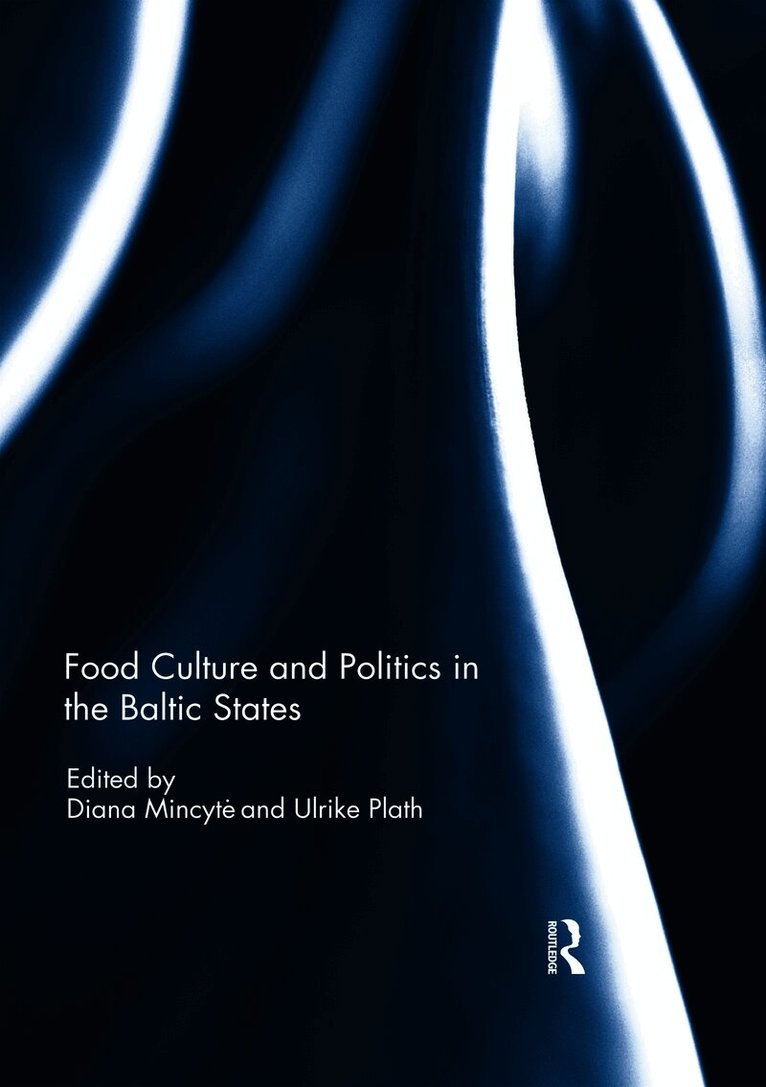
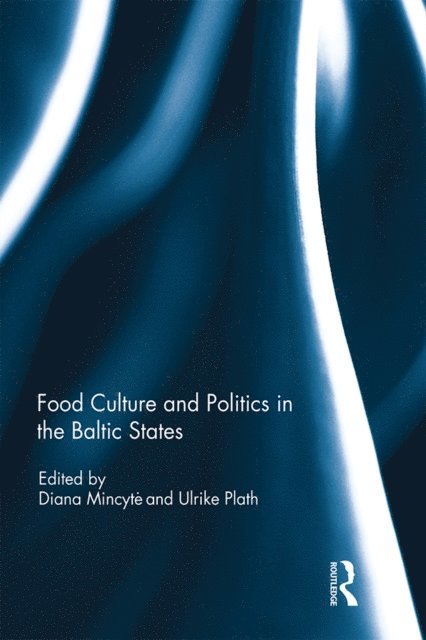
Food Culture and Politics in the Baltic States
Av Diana Mincyte, Ulrike Plath
Häftad, 2020
689 kr
Lägg i varukorg
This book focuses on food culture and politics in three Baltic States: Estonia, Latvia, and Lithuania. In popular and scholarly writings, the Baltic states are often seen as a meat-and-potatoes kind of place, inferior to sophisticated cuisines of the West and exotic diets in the East. Such views …
Food Culture and Politics in the Baltic States
Av Diana Mincyte, Ulrike Plath
Inbunden, 2017
2504 kr
Lägg i varukorg
This book focuses on food culture and politics in three Baltic States: Estonia, Latvia, and Lithuania. In popular and scholarly writings, the Baltic states are often seen as a meat-and-potatoes kind of place, inferior to sophisticated cuisines of the West and exotic diets in the East. Such views …
Food Culture and Politics in the Baltic States
Av Ulrike Plath, Diana Mincyte
E-bok, 2018
814 kr
Lägg i varukorg
This book focuses on food culture and politics in three Baltic States: Estonia, Latvia, and Lithuania. In popular and scholarly writings, the Baltic states are often seen as a meat-and-potatoes kind of place, inferior to sophisticated cuisines of the West and exotic diets in the East. Such views …
Food Culture and Politics in the Baltic States
Av Ulrike Plath, Diana Mincyte
E-bok, 2018
814 kr
Lägg i varukorg
This book focuses on food culture and politics in three Baltic States: Estonia, Latvia, and Lithuania. In popular and scholarly writings, the Baltic states are often seen as a meat-and-potatoes kind of place, inferior to sophisticated cuisines of the West and exotic diets in the East. Such views …