Diana Raffman – författare
Visar alla böcker från författaren Diana Raffman. Handla med fri frakt och snabb leverans.
5 produkter
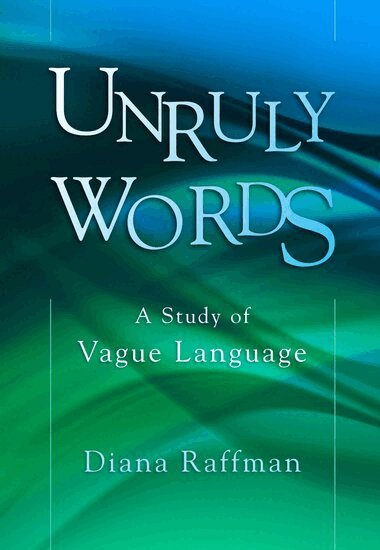
Unruly Words
A Study of Vague Language
Inbunden, 2014
1170 kr
Lägg i varukorg
Vague words, like "tall," "rich," and "old," lack clear boundaries of application: no clear line divides the tall people from the above average, or the old people from the middle-aged. Because they lack clear boundaries, these ordinary words cause logical and semantic problems in various …
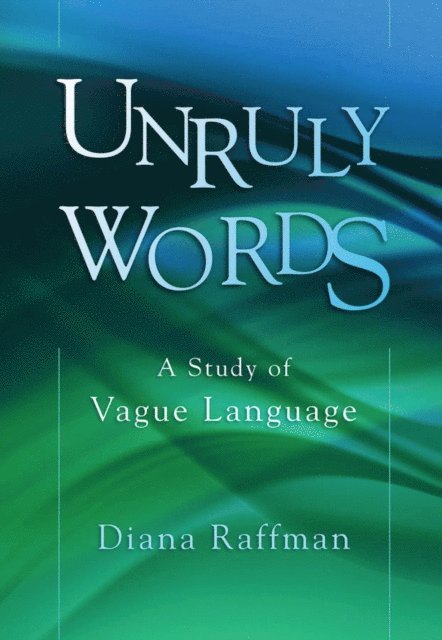
Unruly Words
A Study of Vague Language
E-bok, 2013
752 kr
Lägg i varukorg
Vague words, like "tall," "rich," and "old," lack clear boundaries of application: no clear line divides the tall people from the above average, or the old people from the middle-aged. Because they lack clear boundaries, these ordinary words cause logical and semantic problems in various …
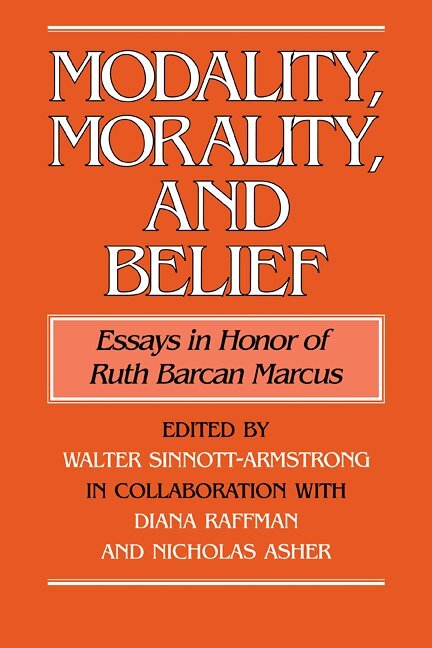
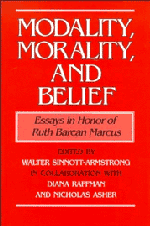
Modality, Morality and Belief
Essays in Honor of Ruth Barcan Marcus
Av Walter Sinnott-Armstrong, Diana Raffman m. fl.
Häftad, 2009
699 kr
Lägg i varukorg
Modality, morality and belief are among the most controversial topics in philosophy and few philosophers have shaped these debates as deeply as Ruth Barcan Marcus. Inspired by her work, a distinguished group of philosophers explore these issues, refine and sharpen arguments and develop fresh …
Modality, Morality and Belief
Essays in Honor of Ruth Barcan Marcus
Av Walter Sinnott-Armstrong, Diana Raffman m. fl.
Inbunden, 1995
1349 kr
Lägg i varukorg
Modality, morality and belief are among the most controversial topics in philosophy and few philosophers have shaped these debates as deeply as Ruth Barcan Marcus. Inspired by her work, a distinguished group of philosophers explore these issues, refine and sharpen arguments and develop fresh …