Diane Riopel – författare
Visar alla böcker från författaren Diane Riopel. Handla med fri frakt och snabb leverans.
6 produkter
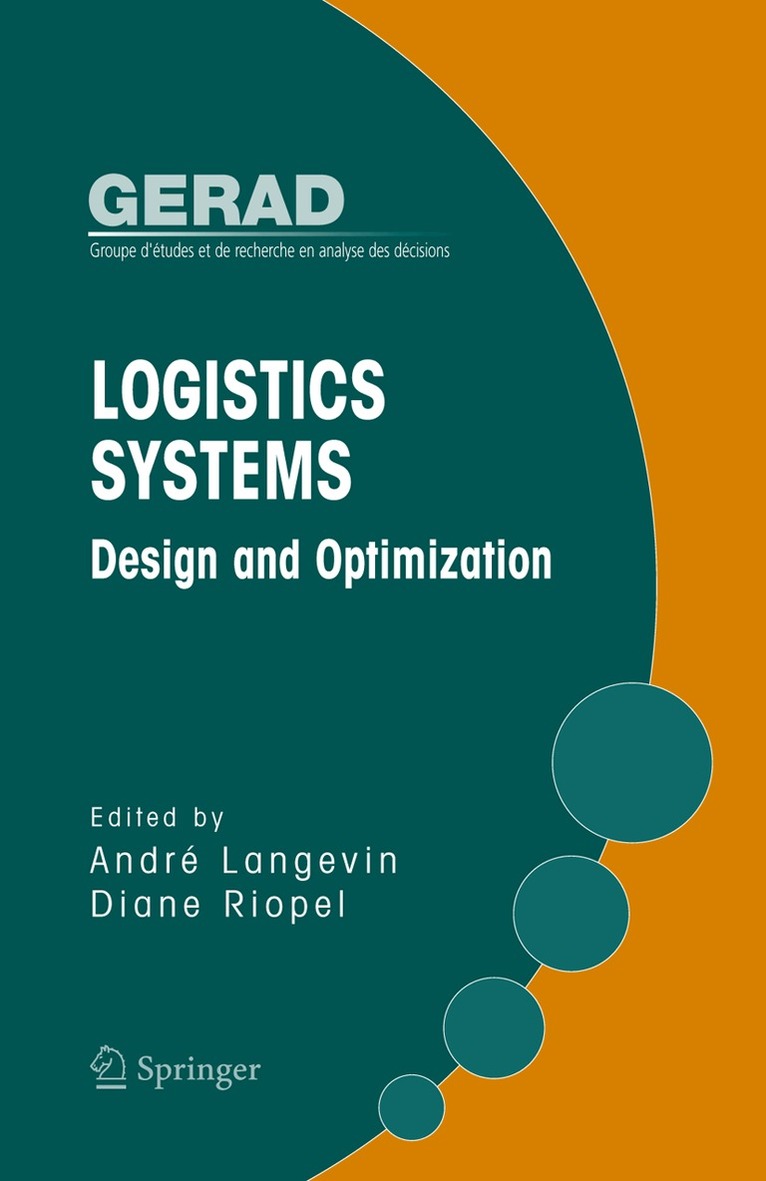
Logistics Systems: Design and Optimization
Av Andre Langevin, Diane Riopel
Inbunden, 2005
1689 kr
Lägg i varukorg
In a context of global competition, the optimization of logistics systems is inescapable. Logistics Systems: Design and Optimization falls within this perspective and presents twelve chapters that well illustrate the variety and the complexity of logistics activities. Each chapter is written by …
Logistics Systems: Design and Optimization
Av Diane Riopel, Andre Langevin
E-bok, 2005
1670 kr
Lägg i varukorg
In a context of global competition, the optimization of logistics systems is inescapable. Logistics Systems: Design and Optimization falls within this perspective and presents twelve chapters that well illustrate the variety and the complexity of logistics activities. Each chapter is written by …
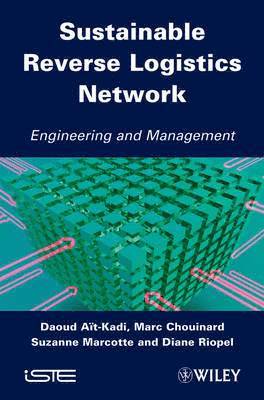
Sustainable Reverse Logistics Network
Engineering and Management
Av Diane Riopel, Suzanne Marcotte m. fl.
E-bok, 2012
2216 kr
Lägg i varukorg
Traditional logistical chains have enabled us to respond efficiently to the needs of customers in terms of services and products. However, the returns, rejects and by-products of these activities have been eliminated or ignored. Reverse logistics aims at valuing these products using a value …
Sustainable Reverse Logistics Network
Engineering and Management
Av Diane Riopel, Suzanne Marcotte m. fl.
E-bok, 2012
2216 kr
Lägg i varukorg
Traditional logistical chains have enabled us to respond efficiently to the needs of customers in terms of services and products. However, the returns, rejects and by-products of these activities have been eliminated or ignored. Reverse logistics aims at valuing these products using a value …
Logistics Systems: Design and Optimization
Av Andre Langevin, Diane Riopel
Häftad, 2010
1207 kr
Lägg i varukorg
In a context of global competition, the optimization of logistics systems is inescapable. Logistics Systems: Design and Optimization falls within this perspective and presents twelve chapters that well illustrate the variety and the complexity of logistics activities. Each chapter is written by …
Sustainable Reverse Logistics Network
Engineering and Management
Av Daoud Aït-Kadi, Marc Chouinard m. fl.
Inbunden, 2012
1988 kr
Lägg i varukorg
Traditional logistical chains have enabled us to respond efficiently to the needs of customers in terms of services and products. However, the returns, rejects and by-products of these activities have been eliminated or ignored. Reverse logistics aims at valuing these products using a value …