Dimitris Stamatopoulos – författare
Visar alla böcker från författaren Dimitris Stamatopoulos. Handla med fri frakt och snabb leverans.
7 produkter
European Revolutions and the Ottoman Balkans
Nationalism, Violence and Empire in the Long Nineteenth-Century
E-bok, 2020
514 kr
Lägg i varukorg
The emergence of the Balkan national states in the nineteenth and twentieth centuries has long been viewed through an Orientalist lens, and their birth and evolution traditionally seen by scholars as the effect of the Ottoman Empire's decline. As a result, the role played by the great European …
European Revolutions and the Ottoman Balkans
Nationalism, Violence and Empire in the Long Nineteenth-Century
E-bok, 2020
498 kr
Lägg i varukorg
The emergence of the Balkan national states in the nineteenth and twentieth centuries has long been viewed through an Orientalist lens, and their birth and evolution traditionally seen by scholars as the effect of the Ottoman Empire's decline. As a result, the role played by the great European …
European Revolutions and the Ottoman Balkans
Nationalism, Violence and Empire in the Long Nineteenth-Century
Häftad, 2021
473 kr
Lägg i varukorg
The emergence of the Balkan national states in the nineteenth and twentieth centuries has long been viewed through an Orientalist lens, and their birth and evolution traditionally seen by scholars as the effect of the Ottoman Empire's decline. As a result, the role played by the great European …
European Revolutions and the Ottoman Balkans
Nationalism, Violence and Empire in the Long Nineteenth-Century
Inbunden, 2020
1607 kr
Lägg i varukorg
The emergence of the Balkan national states in the nineteenth and twentieth centuries has long been viewed through an Orientalist lens, and their birth and evolution traditionally seen by scholars as the effect of the Ottoman Empire's decline. As a result, the role played by the great European …
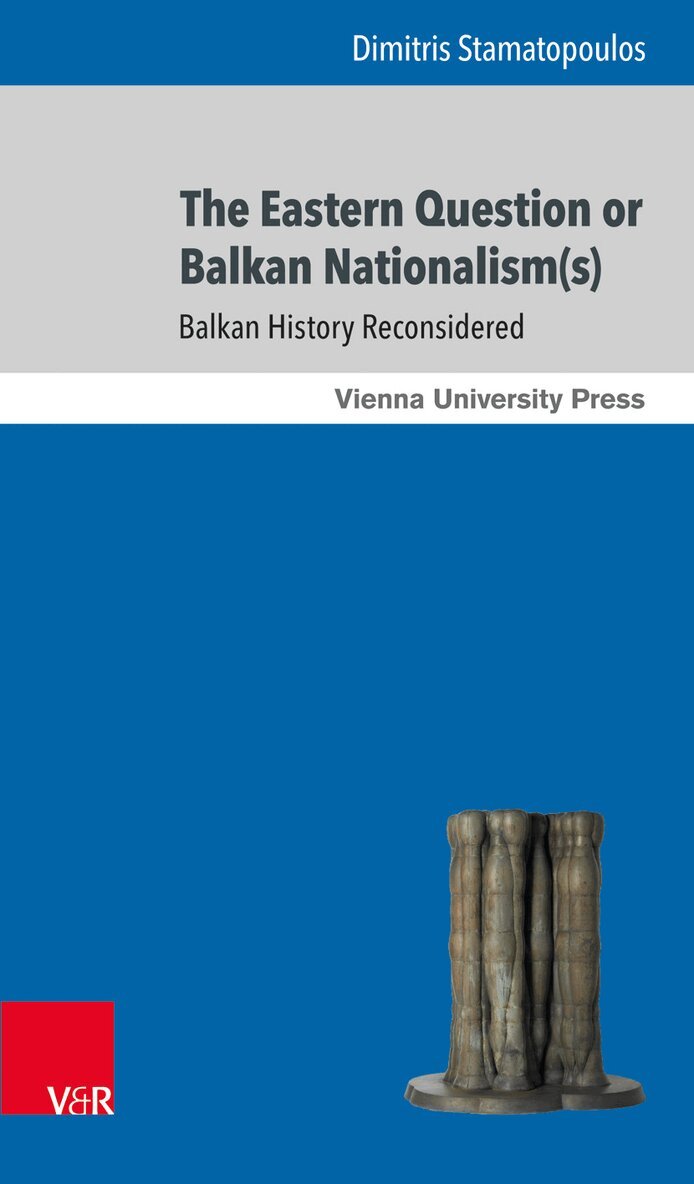
Eastern Question or Balkan Nationalism(s)
Balkan History Reconsidered
Av Dimitris Stamatopoulos, Jean-Robert Tyran
Häftad, 2018
284 kr
Lägg i varukorg
This volume is critical to the two dominant historiographical paradigms on the topic of Balkan revolutions. This new treatment does not adopt a description of the national movements resulting from the dissolution of the territories of the “Sick man of Europe” from the Great European Powers (Eastern …
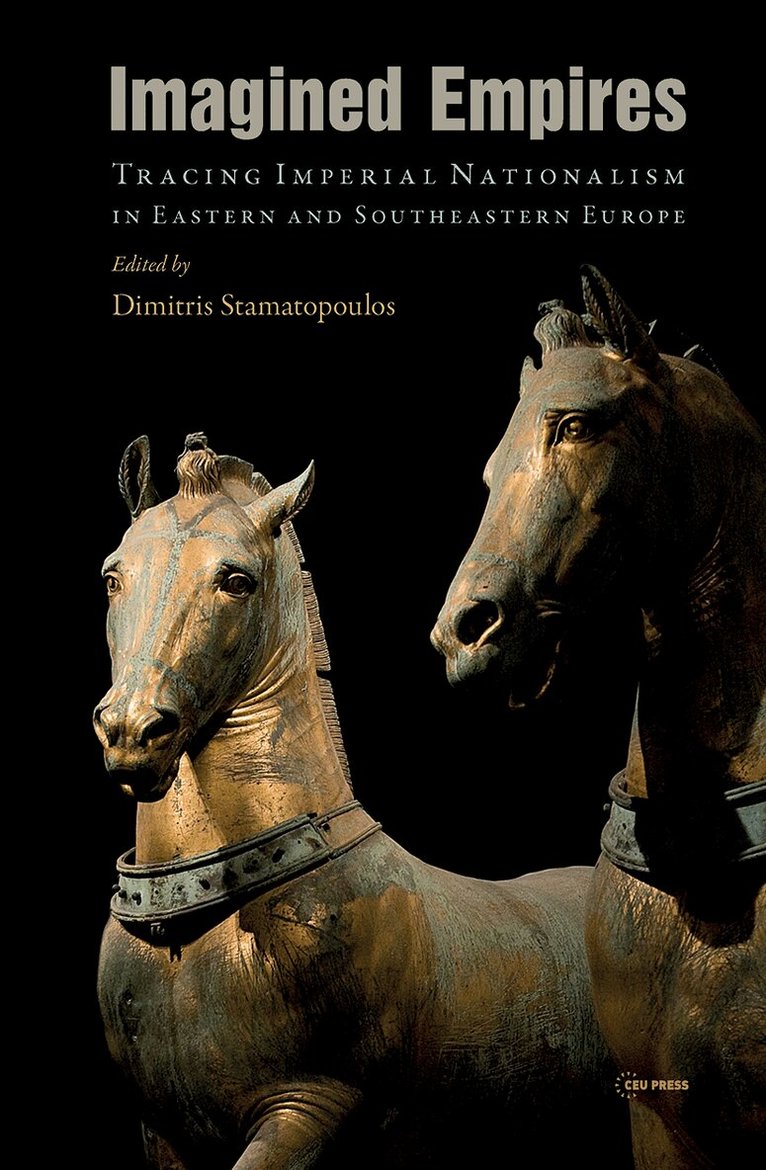
Imagined Empires
Tracing Imperial Nationalism in Eastern and Southeastern Europe
Av Dimitris Stamatopoulos, Dimitris Stamatopoulos
Inbunden, 2021
1836 kr
Lägg i varukorg
The Balkans offer classic examples of how empires imagine they can transform themselves into national states (Ottomanism) and how nation-states project themselves into future empires (as with the Greek “Great Idea” and the Serbian “Načertaniye”). By examining the interaction between these two …
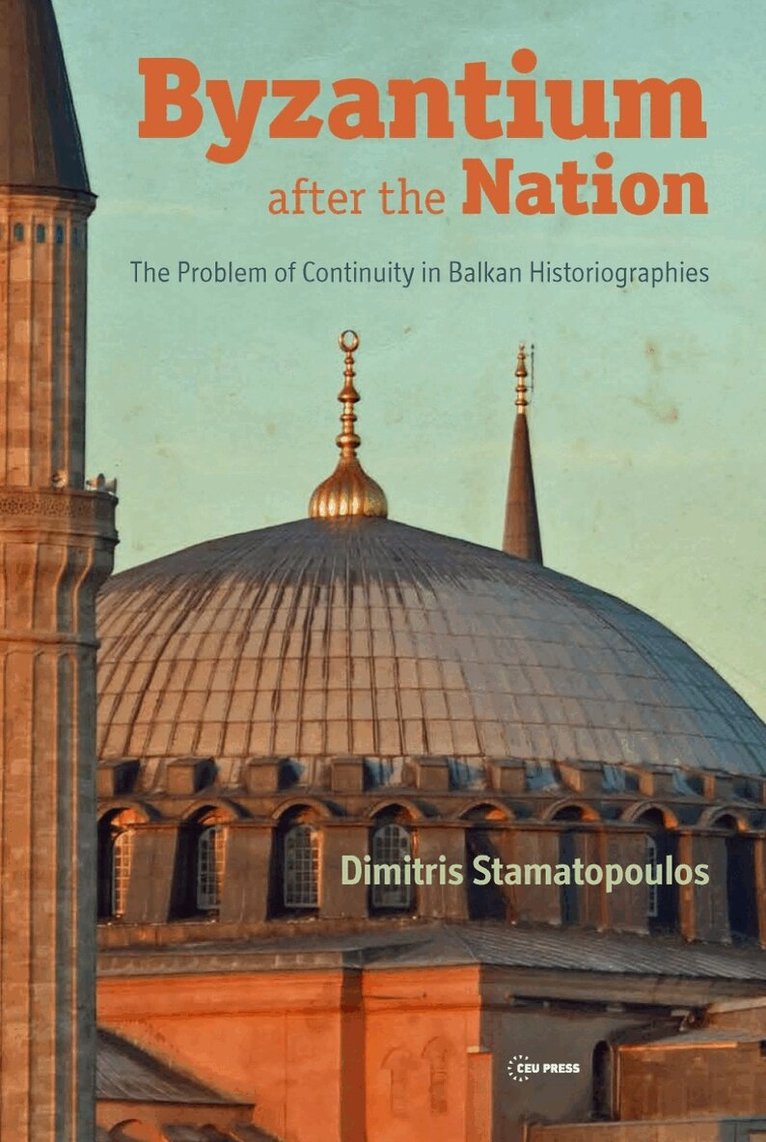
Byzantium after the Nation
The Problem of Continuity in Balkan Historiographies
Inbunden, 2022
2135 kr
Lägg i varukorg
Stamatopoulos undertakes the first systematic comparison of the dominant ethnic historiographic models and divergences elaborated by Greek, Bulgarian, Serbian, Albanian, Romanian, Turkish, and Russian intellectuals with reference to the ambiguous inheritance of Byzantium. The title alludes to the …