Dina Gusejnova - Böcker
Visar alla böcker från författaren Dina Gusejnova. Handla med fri frakt och snabb leverans.
5 produkter
5 produkter
1 485 kr
Skickas inom 7-10 vardagar
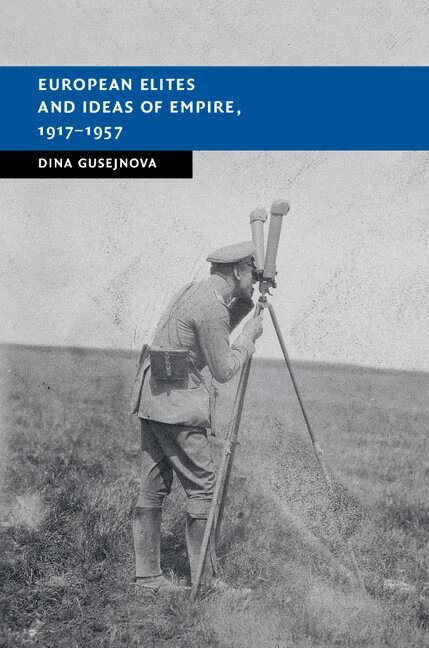
Who thought of Europe as a community before its economic integration in 1957? Dina Gusejnova illustrates how a supranational European mentality was forged from depleted imperial identities. In the revolutions of 1917 to 1920, the power of the Hohenzollern, Habsburg and Romanoff dynasties over their subjects expired. Even though Germany lost its credit as a world power twice in that century, in the global cultural memory, the old Germanic families remained associated with the idea of Europe in areas reaching from Mexico to the Baltic region and India. Gusejnova's book sheds light on a group of German-speaking intellectuals of aristocratic origin who became pioneers of Europe's future regeneration. In the minds of transnational elites, the continent's future horizons retained the contours of phantom empires. This title is available as Open Access.
523 kr
Skickas inom 7-10 vardagar
Who thought of Europe as a community before its economic integration in 1957? Dina Gusejnova illustrates how a supranational European mentality was forged from depleted imperial identities. In the revolutions of 1917 to 1920, the power of the Hohenzollern, Habsburg and Romanoff dynasties over their subjects expired. Even though Germany lost its credit as a world power twice in that century, in the global cultural memory, the old Germanic families remained associated with the idea of Europe in areas reaching from Mexico to the Baltic region and India. Gusejnova's book sheds light on a group of German-speaking intellectuals of aristocratic origin who became pioneers of Europe's future regeneration. In the minds of transnational elites, the continent's future horizons retained the contours of phantom empires. This title is available as Open Access.
Cosmopolitanism in Conflict
Imperial Encounters from the Seven Years' War to the Cold War
Inbunden, Engelska, 2017
552 kr
Skickas inom 10-15 vardagar
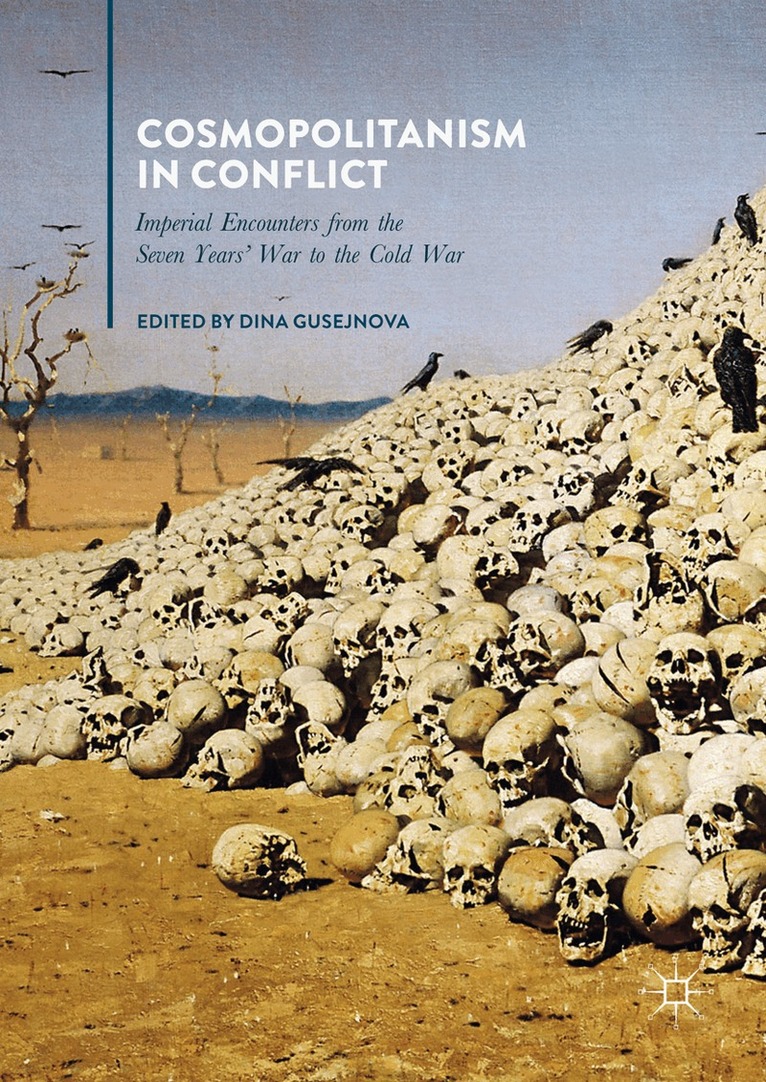
This book is the first study to engage with the relationship between cosmopolitan political thought and the history of global conflicts. Accompanied by visual material ranging from critical battle painting to the photographic representation of ruins, it showcases established as well as emerging interdisciplinary scholarship in global political thought and cultural history. Touching on the progressive globalization of conflicts between the eighteenth and the twentieth century, including the War of the Spanish Succession, the Seven Years’ War, the Napoleonic wars, the two World Wars, as well as seemingly ‘internal’ civil wars in eastern Europe’s imperial frontiers, it shows how these conflicts produced new zones of cultural contact. The authors build on a rich foundation of unpublished sources drawn from public institutions as well as private archives, allowing them to shed new light on the British, Russian, German, Ottoman, American, and transnational history of international thought and political engagement.
Cosmopolitanism in Conflict
Imperial Encounters from the Seven Years' War to the Cold War
Häftad, Engelska, 2018
552 kr
Skickas inom 10-15 vardagar
This book is the first study to engage with the relationship between cosmopolitan political thought and the history of global conflicts. Accompanied by visual material ranging from critical battle painting to the photographic representation of ruins, it showcases established as well as emerging interdisciplinary scholarship in global political thought and cultural history. Touching on the progressive globalization of conflicts between the eighteenth and the twentieth century, including the War of the Spanish Succession, the Seven Years’ War, the Napoleonic wars, the two World Wars, as well as seemingly ‘internal’ civil wars in eastern Europe’s imperial frontiers, it shows how these conflicts produced new zones of cultural contact. The authors build on a rich foundation of unpublished sources drawn from public institutions as well as private archives, allowing them to shed new light on the British, Russian, German, Ottoman, American, and transnational history of international thought and political engagement.
Del 2 - New Europes
Academia and the People
Universities, Knowledge Communities, and Dissent in Central and Eastern Europe, ca. 1900-2025
Häftad, Engelska, 2026
655 kr
Kommande
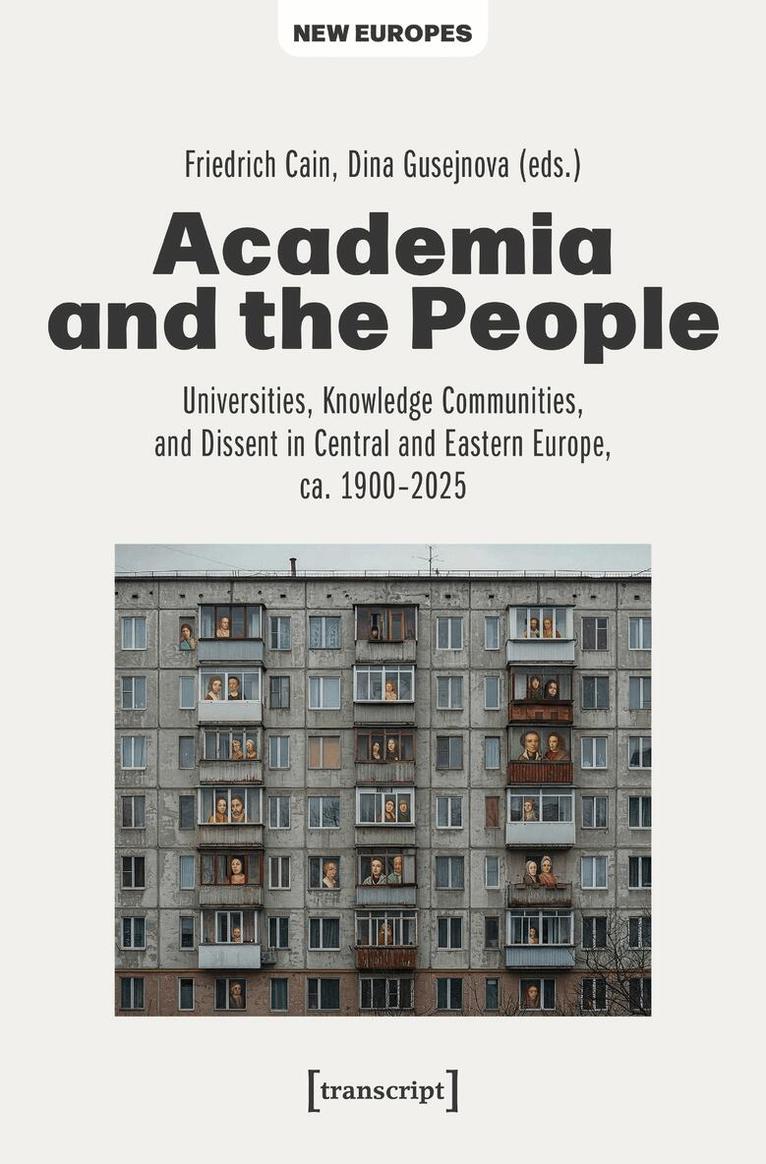
For the societies of Central and Eastern Europe, the century since the Balkan Wars has been a time of profound ruptures. This volume examines how academic communities lived through different transitions, such as the collapse of empires, the two World Wars, the Yugoslav and the post-Soviet wars. How did academic institutions relate to informal or underground social movements? What is the place of refugee scholars in the current moment of Russian expansionism? As they rethink the history of Europe’s universities, the contributors offer a new understanding of how knowledge communities have shaped, and been shaped by, upheaval, bridging the gap between histories of knowledge and new political histories of the region.