Dinabandhu Mahata – författare
1 161 kr
Skickas inom 10-15 vardagar
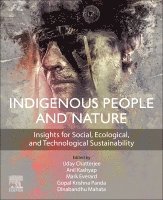
Indigenous People and Nature: Insights for Social, Ecological, and Technological Sustainability examines today's environmental challenges in light of traditional knowledge, linking insights from geography, population, and environment from a wide range of regions around the globe. Organized in four parts, the book describes the foundations of human geography and its current research challenges, the intersections between environment and cultural diversity, addressing various type of ecosystem services and their interaction with the environment, the impacts of sustainability practices used by indigenous culture on the ecosystem, and conservation ecology and environment management.
Using theoretical and applied insights from local communities around the world, this book helps geographers, demographers, environmentalists, economists, sociologists and urban planners tackle today's environmental problems from new perspectives.
Includes in-depth case studies across different geographic spaces Contains contributions from a range of young to eminent scholars, researchers and policymakers Highlights new insights from social science, environmental science and sustainable development Synthesizes research on society, ecology and technology with sustainability, all in a single resource1 648 kr
Läs direkt efter köp
2 359 kr
Skickas inom 10-15 vardagar
862 kr
Skickas inom 10-15 vardagar
974 kr
Läs direkt efter köp
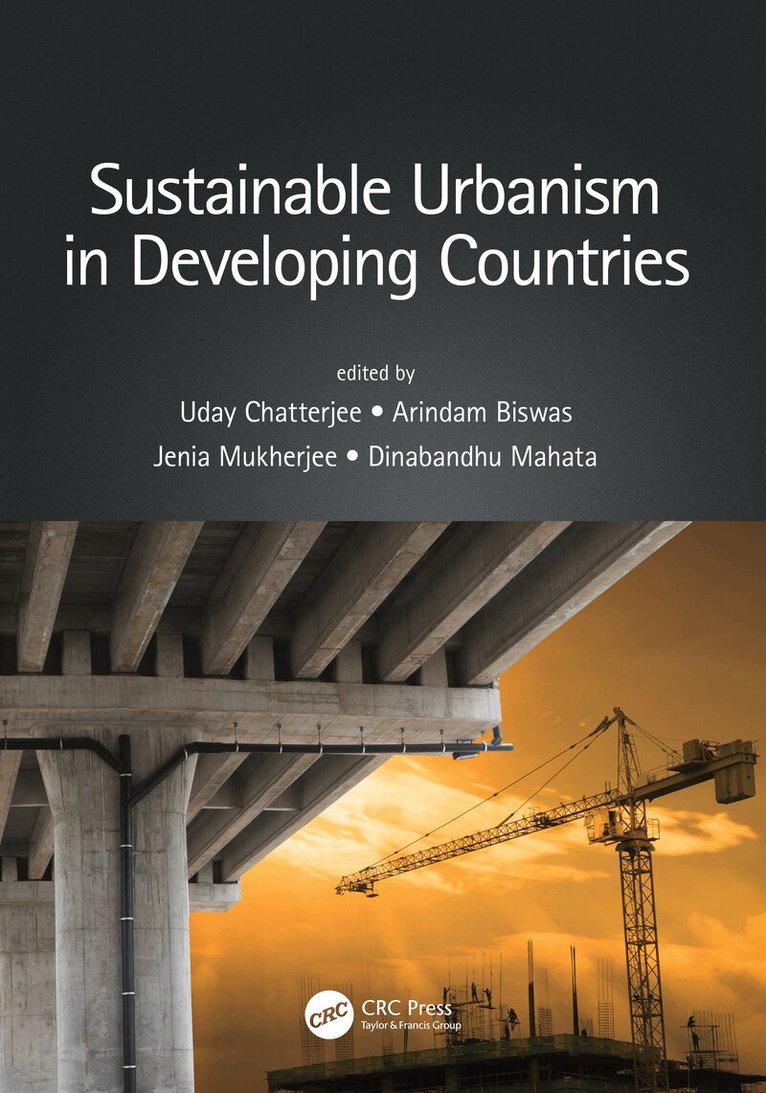
The mushrooming of illegal housing on the periphery of cities is one of the main consequences of rapid urbanisation associated with social and environmental problems in the developing countries. Sustainable Urbanism in Developing Countries discusses the linkage between urbanism and sustainability and how sustainable urbanism can be implemented to overcome the problems of housing and living conditions in urban areas. Through case studies from India, Indonesia, China, etc., using advanced GIS techniques, this book analyses several planning and design criteria to solve the physical, social, and economic problems of urbanisation and refers to urban planning as an effective measure to protect and promote the cultural characteristics of specific locations in these developing countries.
FEATURES
Investigates an interdisciplinary approach to urbanism, including urban ecology, ecosystem services, sustainable landscapes, and advanced geographical systems
Analyses unique case studies of rapid urbanisation from a local to a national scale in countries such as India, Sri Lanka, China, Bangladesh, Malaysia, and Indonesia and their global impact
Examines the use of GIS and spatial statistics in analysing urban sprawl and the massive amount of data gathered by every operational activity of municipalities
Focuses on the holistic perspective of sustainable urbanism and the harmony in the human–nature relationship to achieve sustainable development
Covers a wide range of issues manifested in urban areas with economic, societal, and environmental implications contributed by leading scholars from the Global South
974 kr
Läs direkt efter köp
The mushrooming of illegal housing on the periphery of cities is one of the main consequences of rapid urbanisation associated with social and environmental problems in the developing countries. Sustainable Urbanism in Developing Countries discusses the linkage between urbanism and sustainability and how sustainable urbanism can be implemented to overcome the problems of housing and living conditions in urban areas. Through case studies from India, Indonesia, China, etc., using advanced GIS techniques, this book analyses several planning and design criteria to solve the physical, social, and economic problems of urbanisation and refers to urban planning as an effective measure to protect and promote the cultural characteristics of specific locations in these developing countries.
FEATURES
Investigates an interdisciplinary approach to urbanism, including urban ecology, ecosystem services, sustainable landscapes, and advanced geographical systems
Analyses unique case studies of rapid urbanisation from a local to a national scale in countries such as India, Sri Lanka, China, Bangladesh, Malaysia, and Indonesia and their global impact
Examines the use of GIS and spatial statistics in analysing urban sprawl and the massive amount of data gathered by every operational activity of municipalities
Focuses on the holistic perspective of sustainable urbanism and the harmony in the human–nature relationship to achieve sustainable development
Covers a wide range of issues manifested in urban areas with economic, societal, and environmental implications contributed by leading scholars from the Global South