Jenia Mukherjee – författare
2 389 kr
Skickas inom 10-15 vardagar
848 kr
Skickas inom 10-15 vardagar
2 389 kr
Skickas inom 10-15 vardagar
873 kr
Skickas inom 10-15 vardagar
1 390 kr
Skickas inom 10-15 vardagar
Homelessness to Hope: Research, Policy and Practices on Global Perspectives brings together stories, observations and critical appraisals that have emerged out of interdisciplinary studies spanning the global North and South. It explores how diverse accounts on homelessness and homeless people are situated within the structural-institutional arrangements of the developing and developed worlds. Through its comparative framework, the book offers a broader understanding of the multiple ways in which homelessness is experienced, perceived, and addressed. The book uses cross-cutting theoretical framings (such as resilience, wellbeing, social-ecological systems, sustainability, urban planning, institutions, gender) and emerging discourses on homelessness to complement current empirical findings.In addition, it provides insights on diverse concepts, meanings, perceptions, identities, and values concerning homelessness across rural and urban settings to promote a comprehensive understanding. In doing so, the book critically addresses the limits of contemporary discussions on homelessness, eviction, and poverty. Broadly, the book's authors explore the causations and processes of homelessness to shed light on physical, social, ontological, territorial, and cognitive facets of homelessness at both local and regional contexts across the world. Furthermore, the book lays a strong focus on viable transitions through identifying, comparing, and advocating for inclusive, collaborative, actionable measures and policies.
Features contributions from interdisciplinary researchers involved with ethnographic, historical and sustainability research across the plane of social sciences: sociology, human geography, history, economics, psychology, development studies, population studies, South Asian studies, and political scienceBuilds upon the current scholarship on homelessness, focusing on high-, medium- and low-income countries of the world, tracing out the commonalities, variabilities and interconnections within the processes and contexts of homelessness across nationsAdheres to a solution-focused approach, emphasizing collaboration among practitioners, activists, grass-roots organizations, and researchers in designing action-oriented pathways1 975 kr
Läs direkt efter köp
974 kr
Läs direkt efter köp
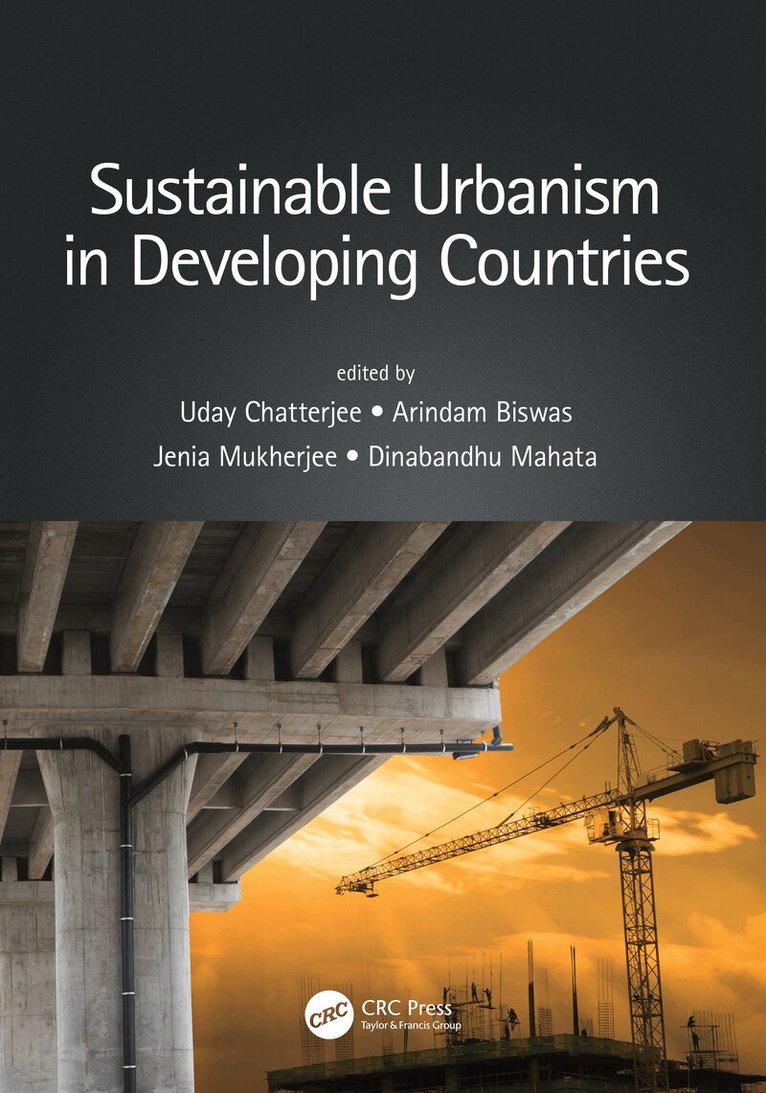
The mushrooming of illegal housing on the periphery of cities is one of the main consequences of rapid urbanisation associated with social and environmental problems in the developing countries. Sustainable Urbanism in Developing Countries discusses the linkage between urbanism and sustainability and how sustainable urbanism can be implemented to overcome the problems of housing and living conditions in urban areas. Through case studies from India, Indonesia, China, etc., using advanced GIS techniques, this book analyses several planning and design criteria to solve the physical, social, and economic problems of urbanisation and refers to urban planning as an effective measure to protect and promote the cultural characteristics of specific locations in these developing countries.
FEATURES
Investigates an interdisciplinary approach to urbanism, including urban ecology, ecosystem services, sustainable landscapes, and advanced geographical systems
Analyses unique case studies of rapid urbanisation from a local to a national scale in countries such as India, Sri Lanka, China, Bangladesh, Malaysia, and Indonesia and their global impact
Examines the use of GIS and spatial statistics in analysing urban sprawl and the massive amount of data gathered by every operational activity of municipalities
Focuses on the holistic perspective of sustainable urbanism and the harmony in the human–nature relationship to achieve sustainable development
Covers a wide range of issues manifested in urban areas with economic, societal, and environmental implications contributed by leading scholars from the Global South
974 kr
Läs direkt efter köp
The mushrooming of illegal housing on the periphery of cities is one of the main consequences of rapid urbanisation associated with social and environmental problems in the developing countries. Sustainable Urbanism in Developing Countries discusses the linkage between urbanism and sustainability and how sustainable urbanism can be implemented to overcome the problems of housing and living conditions in urban areas. Through case studies from India, Indonesia, China, etc., using advanced GIS techniques, this book analyses several planning and design criteria to solve the physical, social, and economic problems of urbanisation and refers to urban planning as an effective measure to protect and promote the cultural characteristics of specific locations in these developing countries.
FEATURES
Investigates an interdisciplinary approach to urbanism, including urban ecology, ecosystem services, sustainable landscapes, and advanced geographical systems
Analyses unique case studies of rapid urbanisation from a local to a national scale in countries such as India, Sri Lanka, China, Bangladesh, Malaysia, and Indonesia and their global impact
Examines the use of GIS and spatial statistics in analysing urban sprawl and the massive amount of data gathered by every operational activity of municipalities
Focuses on the holistic perspective of sustainable urbanism and the harmony in the human–nature relationship to achieve sustainable development
Covers a wide range of issues manifested in urban areas with economic, societal, and environmental implications contributed by leading scholars from the Global South
1 003 kr
Läs direkt efter köp
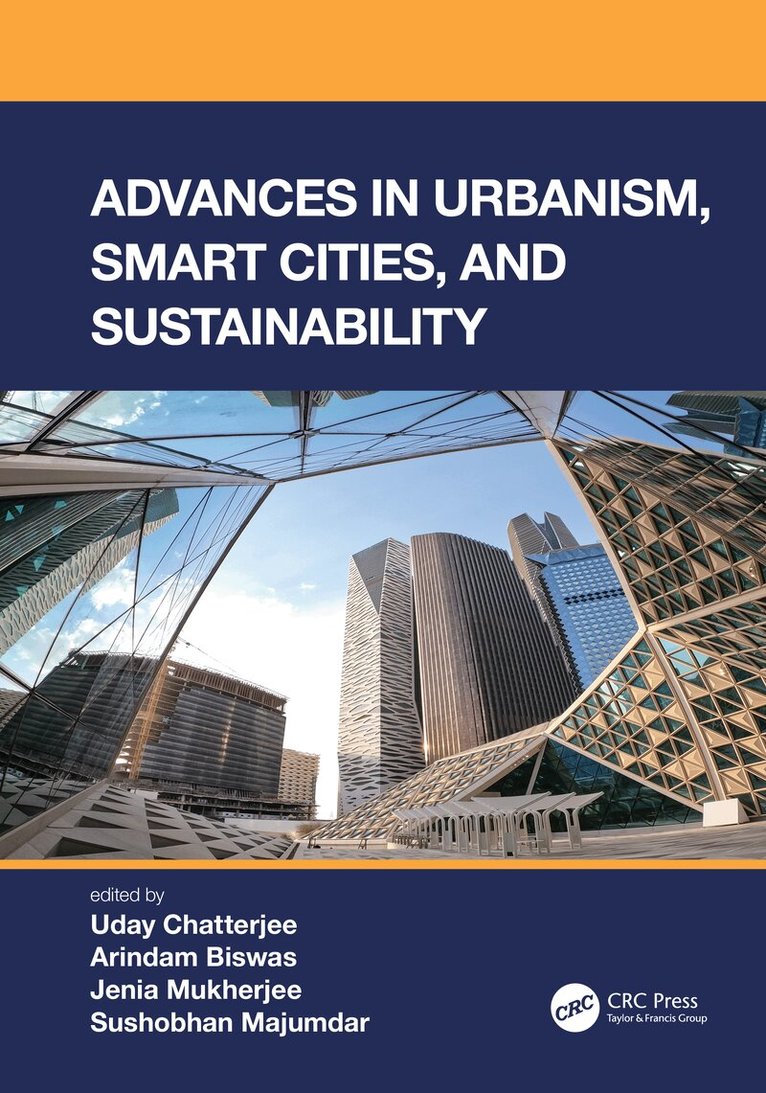
While technology is developing at a fast pace, urban planners and cities are still behind in finding effective ways to use technology to address citizen’s needs. Multiple aspects of sustainable urbanism are brought together in this book, along with advanced technologies and their connections to urban planning and management. It integrates urban studies, smart cities, AI, IoT, remote sensing, and GIS. Highlights include land use planning, spatial planning, and ecosystem-based information to improve economic opportunities. Urban planners and engineers will understand the use of AI in disaster management and the use of GIS in finding suitable landfill sites for sustainable waste management.
Features
Explains the process of urban heritage conservation, including the process of urban renewal and its regeneration and the role of citizens in urban renewal, planning, and management.
Includes several case studies highlighting urban environmental problems and challenges in developed and developing countries and the ways for converting urban areas into smart cities.
Focuses on urban resources, the supply of energy in smart cities, and their proper management practices.
Introduces the role of remote sensing, GIS, and IoT in making a smart city and meeting sustainable goals.
Analyzes unique case studies, their challenges and obstacles, and proposes a set of factors to understanding smart city initiatives and projects.
1 003 kr
Läs direkt efter köp
While technology is developing at a fast pace, urban planners and cities are still behind in finding effective ways to use technology to address citizen’s needs. Multiple aspects of sustainable urbanism are brought together in this book, along with advanced technologies and their connections to urban planning and management. It integrates urban studies, smart cities, AI, IoT, remote sensing, and GIS. Highlights include land use planning, spatial planning, and ecosystem-based information to improve economic opportunities. Urban planners and engineers will understand the use of AI in disaster management and the use of GIS in finding suitable landfill sites for sustainable waste management.
Features
Explains the process of urban heritage conservation, including the process of urban renewal and its regeneration and the role of citizens in urban renewal, planning, and management.
Includes several case studies highlighting urban environmental problems and challenges in developed and developing countries and the ways for converting urban areas into smart cities.
Focuses on urban resources, the supply of energy in smart cities, and their proper management practices.
Introduces the role of remote sensing, GIS, and IoT in making a smart city and meeting sustainable goals.
Analyzes unique case studies, their challenges and obstacles, and proposes a set of factors to understanding smart city initiatives and projects.
1 158 kr
Kommande
1 415 kr
Skickas inom 10-15 vardagar
1 214 kr
Läs direkt efter köp
982 kr
Skickas inom 10-15 vardagar
548 kr
Skickas inom 10-15 vardagar
714 kr
Läs direkt efter köp
565 kr
Skickas inom 10-15 vardagar