Dolores Martín-Moruno – författare
Visar alla böcker från författaren Dolores Martín-Moruno. Handla med fri frakt och snabb leverans.
6 produkter
6 produkter
Inbunden, Engelska, 2019
1 239 kr
Skickas inom 5-8 vardagar
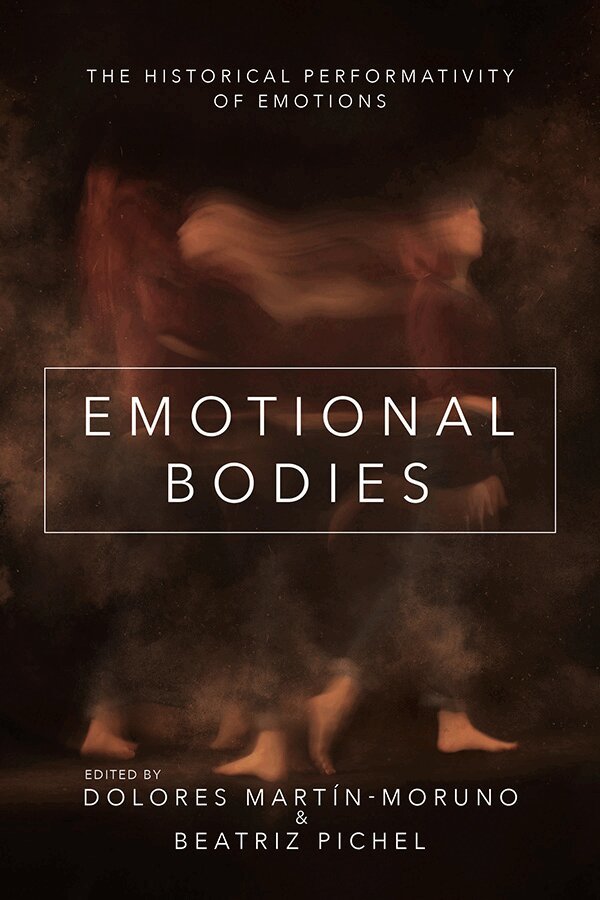
What do emotions actually do? Recent work in the history of emotions and its intersections with cultural studies and new materialism has produced groundbreaking revelations around this fundamental question. In Emotional Bodies, contributors pick up these threads of inquiry to propose a much-needed theoretical framework for further study of materiality of emotions, with an emphasis on emotions' performative nature. Drawing on diverse sources and wide-ranging theoretical approaches, they illuminate how various persons and groups-patients, criminals, medieval religious communities, revolutionary crowds, and humanitarian agencies-perform emotional practices. A section devoted to medical history examines individual bodies while a section on social and political histories studies the emergence of collective bodies. Contributors: Jon Arrizabalaga, Rob Boddice, Leticia FernÁndez-Fontecha, Emma Hutchison, Dolores MartÍn-Moruno, Piroska Nagy, Beatriz Pichel, MarÍa RosÓn, Pilar LeÓn-Sanz, Bertrand Taithe, and Gian Marco Vidor.
E-bok
Engelska, 2019345 kr
Läs direkt efter köp
What do emotions actually do? Recent work in the history of emotions and its intersections with cultural studies and new materialism has produced groundbreaking revelations around this fundamental question. In Emotional Bodies, contributors pick up these threads of inquiry to propose a much-needed theoretical framework for further study of materiality of emotions, with an emphasis on emotions'' performative nature. Drawing on diverse sources and wide-ranging theoretical approaches, they illuminate how various persons and groups—patients, criminals, medieval religious communities, revolutionary crowds, and humanitarian agencies—perform emotional practices. A section devoted to medical history examines individual bodies while a section on social and political histories studies the emergence of collective bodies.
Contributors: Jon Arrizabalaga, Rob Boddice, Leticia Fernández-Fontecha, Emma Hutchison, Dolores Martín-Moruno, Piroska Nagy, Beatriz Pichel, María Rosón, Pilar León-Sanz, Bertrand Taithe, and Gian Marco Vidor.
Häftad, Engelska, 2019
343 kr
Skickas inom 5-8 vardagar
What do emotions actually do? Recent work in the history of emotions and its intersections with cultural studies and new materialism has produced groundbreaking revelations around this fundamental question. In Emotional Bodies, contributors pick up these threads of inquiry to propose a much-needed theoretical framework for further study of materiality of emotions, with an emphasis on emotions' performative nature. Drawing on diverse sources and wide-ranging theoretical approaches, they illuminate how various persons and groups-patients, criminals, medieval religious communities, revolutionary crowds, and humanitarian agencies-perform emotional practices. A section devoted to medical history examines individual bodies while a section on social and political histories studies the emergence of collective bodies. Contributors: Jon Arrizabalaga, Rob Boddice, Leticia FernÁndez-Fontecha, Emma Hutchison, Dolores MartÍn-Moruno, Piroska Nagy, Beatriz Pichel, MarÍa RosÓn, Pilar LeÓn-Sanz, Bertrand Taithe, and Gian Marco Vidor.
E-bok
Engelska, 2023283 kr
Läs direkt efter köp
E-bok
PDF, Engelska, 2023283 kr
Läs direkt efter köp
Inbunden, Engelska, 2022
565 kr
Skickas inom 10-15 vardagar
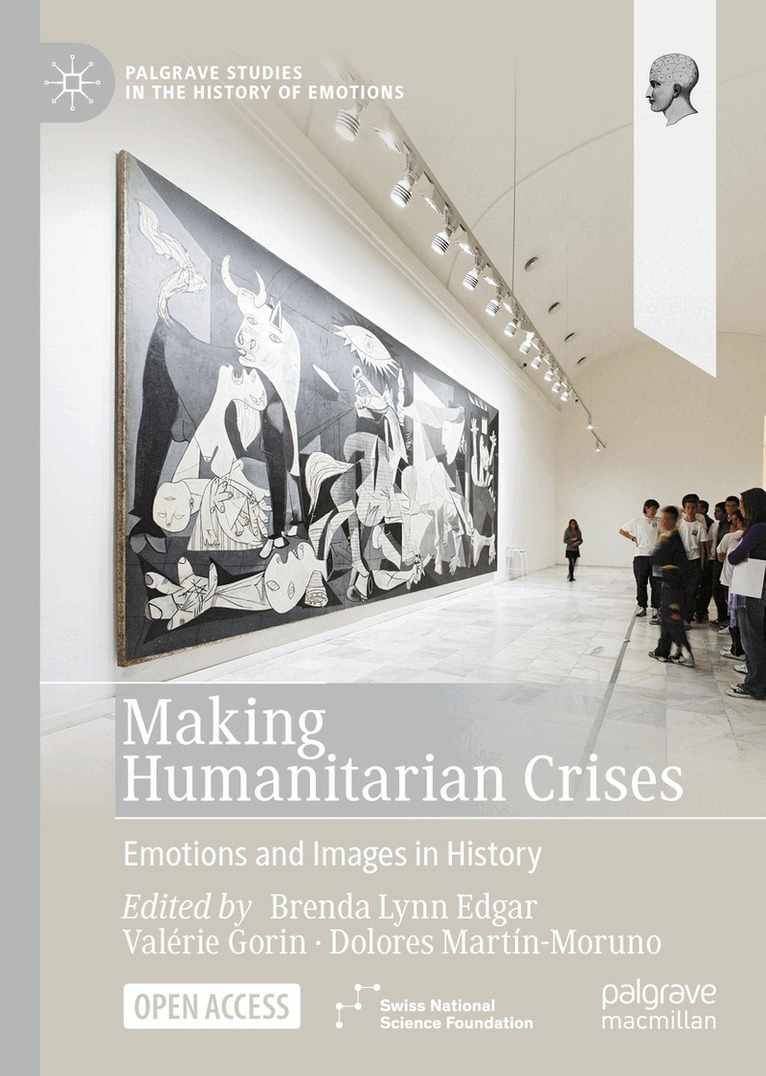
This open access collection of essays explores the emotional agency of images in the construction of ‘humanitarian crises’ from the nineteenth century to the present. Using the prism of the histories of emotions and the senses, the chapters examine the pivotal role images have in shaping cultural, social and political reactions to the suffering of others and to the establishment of the international networks of solidarity. Questioning certain emotions assumed to underlie humanitarianism such as sympathy, empathy and compassion, they demonstrate how the experience of such emotions has shifted over time. Understanding images as emotional objects, contributors from a wide horizon of disciplines explore how their production, circulation and reception has been crucial to the perception of humanitarian crises in a long-term historical perspective.