Don Kulick – författare
Visar alla böcker från författaren Don Kulick. Handla med fri frakt och snabb leverans.
26 produkter
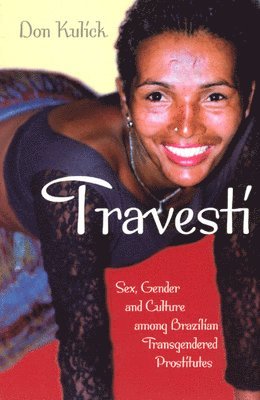
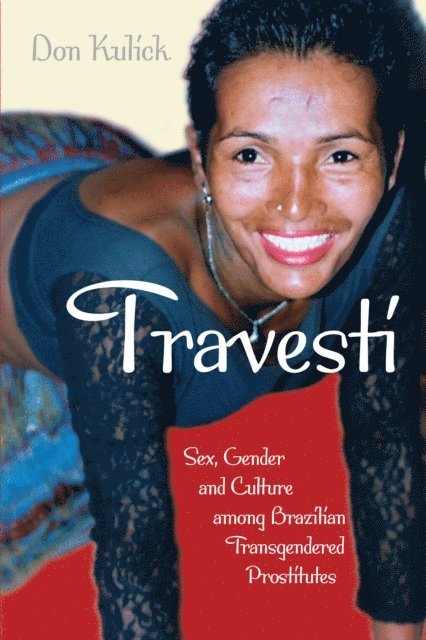
Travesti
Sex, Gender, and Culture among Brazilian Transgendered Prostitutes
Av Don Kulick
Häftad, 1998
3,5 utav 5 stjärnor. Totalt antal röster: (2)
304 kr
Lägg i varukorg
This narrative follows the lives of a group of transgendered prostitutes ("travestis" in Portuguese) in the Brazilian city Salvador. Travestis are males who, at an age as young as ten, adopt female names, clothing styles, hairstyles and linguistic pronouns. They ingest massive doses of female …
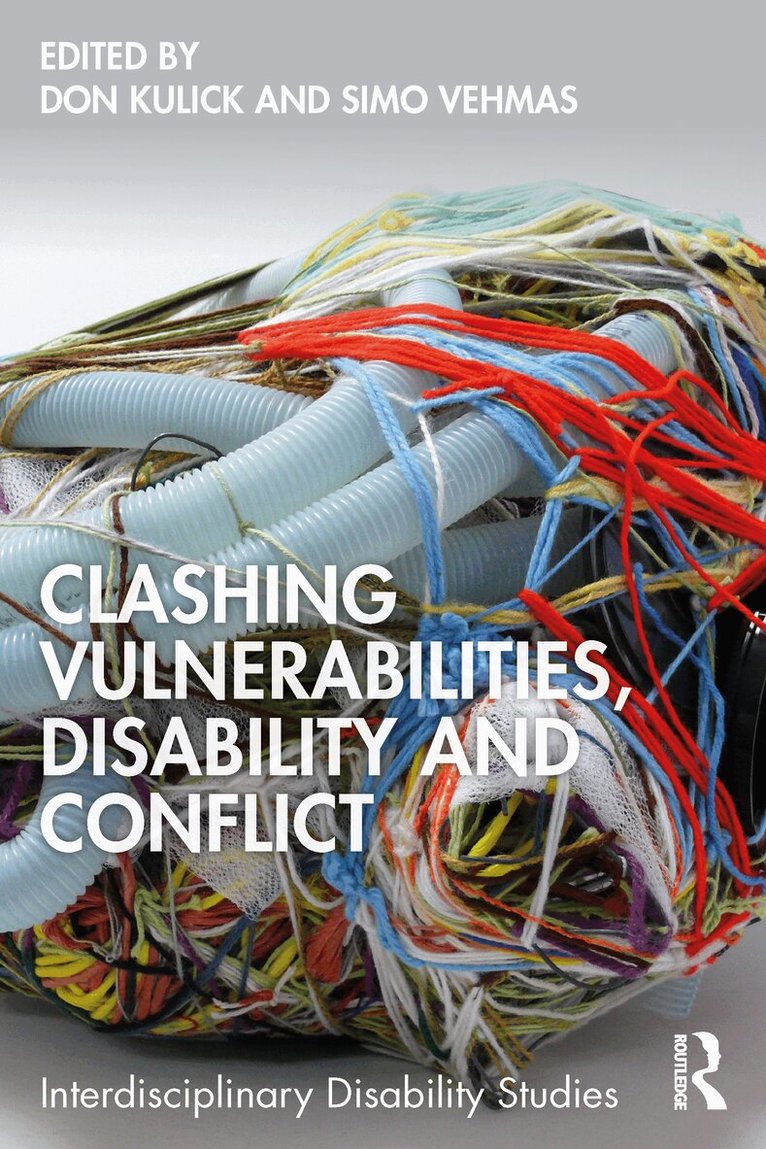
Clashing Vulnerabilities, Disability and Conflict
Häftad, 2025
668 kr
Lägg i varukorg
This book is about how we might think about vulnerability—what it is and how it operates—by looking at cases where different kinds of vulnerabilities clash. Disability is often portrayed as a vulnerability in itself, and disabled people are often labelled a prototypical “vulnerable group”. This …
Kritiska blickar från marginalen
Av Andrès Brink Pinto, Mikael Mery Karlsson m. fl.
Häftad, 2022
417 kr
Lägg i varukorg
I tre decennier har professor Jens Rydström varit med och format historieforskningen om marginaliserade grupper. Han har varit central i etablerandet av homo- och queerhistoria som forskningsfält i Sverige. Han har aldrig tvekat för de mest tabubelagda ämnen, och har varit med och lagt grunden för …
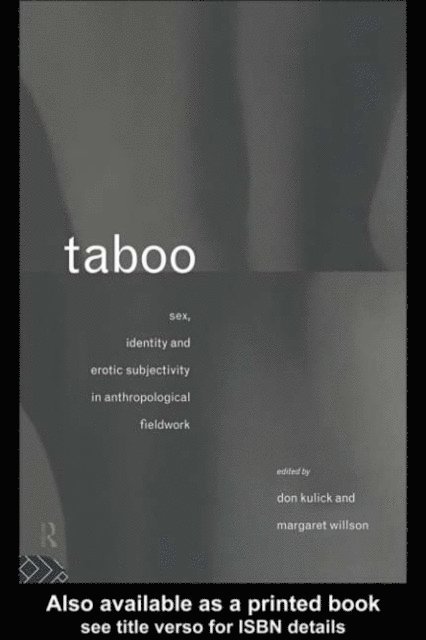
Taboo
Sex, Identity and Erotic Subjectivity in Anthropological Fieldwork
Av Don Kulick, Margaret Willson
Inbunden, 1995
2076 kr
Lägg i varukorg
Taboo looks at the ethnographer and sexuality in anthropological fieldwork and considers the many roles that sexuality plays in the anthropological production of knowledge and texts. How does the sexual identity that anthropologists have in their "home" society affect the kind of sexuality they are …
Changing Vulnerability
Häftad, 2027
418 kr
Kommande
This volume explores a diverse array of cultural contexts to understand how vulnerabilities were involved in survival, domination, representation, relationality, agency, and humanity. Viewed as a prospect to be grasped rather than as a limit to be overcome, vulnerability has emerged as a key …
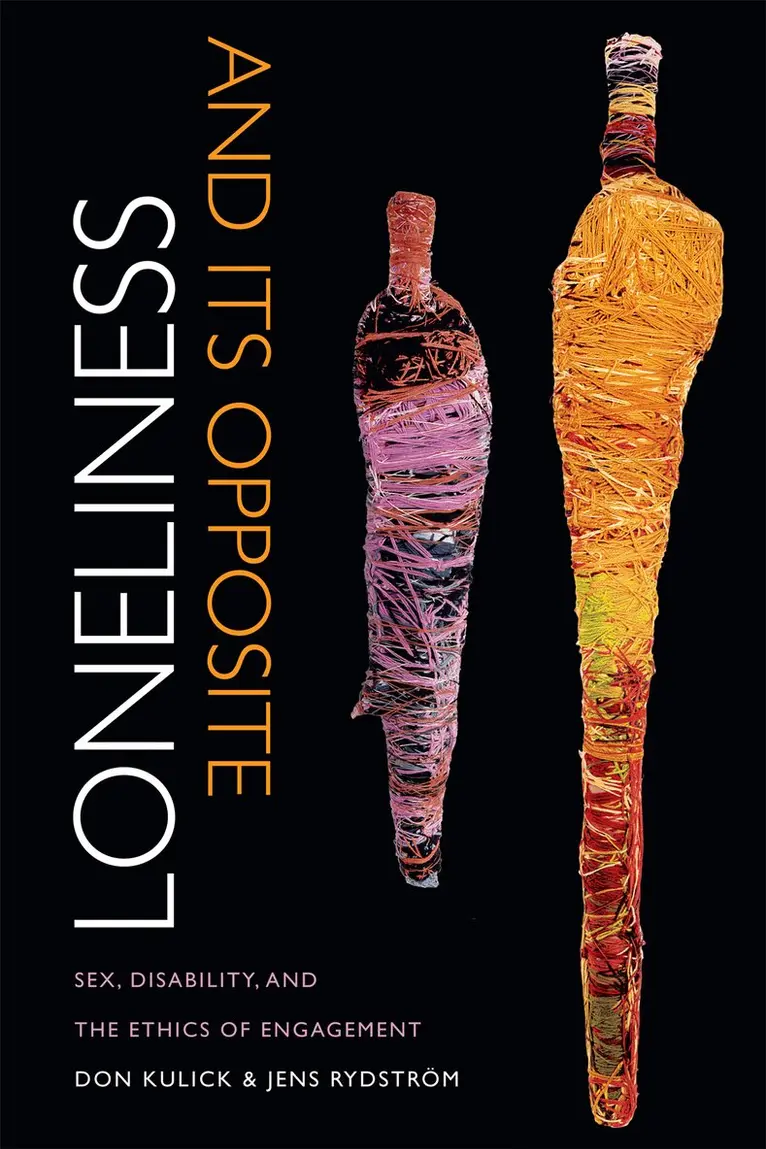
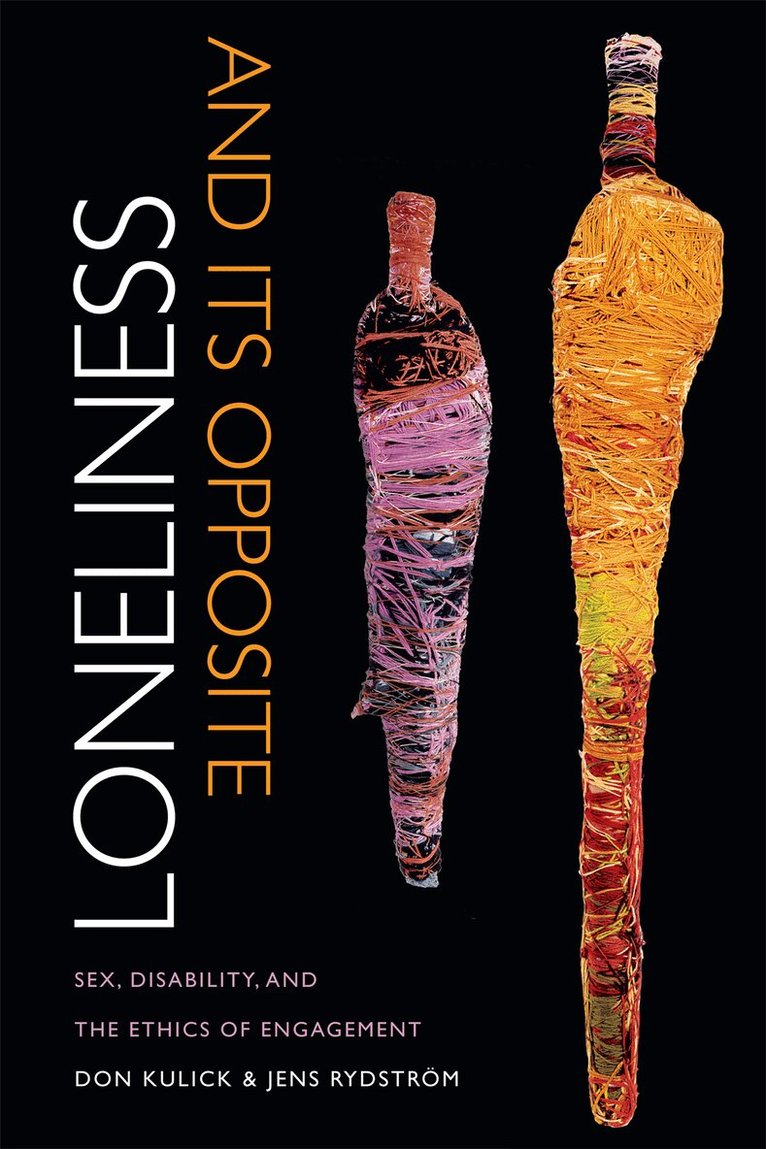
Loneliness and Its Opposite
Sex, Disability, and the Ethics of Engagement
Häftad, 2015
429 kr
Lägg i varukorg
Few people these days would oppose making the public realm of space, social services and jobs accessible to women and men with disabilities. But what about access to the private realm of desire and sexuality? How can one also facilitate access to that, in ways that respect the integrity of disabled …
Death in the Rainforest
How a Language and a Way of Life Came to an End in Papua New Guinea
Av Don Kulick
Häftad, 2020
5,0 utav 5 stjärnor. Totalt antal röster: (1)
212 kr
Lägg i varukorg
“Perhaps the finest and most profound account of ethnographic fieldwork and discovery that has ever entered the anthropological literature.” —The Wall Street Journal “If you want to experience a profoundly different culture without the exhausting travel (to say nothing of the cost), this is an …
Travesti
Sex, Gender, and Culture among Brazilian Transgendered Prostitutes
Av Don Kulick
E-bok, 2009
645 kr
Lägg i varukorg
In this dramatic and compelling narrative, anthropologist Don Kulick follows the lives of a group of transgendered prostitutes (called travestis in Portuguese) in the Brazilian city Salvador. Travestis are males who, often beginning at ages as young as ten, adopt female names, clothing styles, …
Taboo
Sex, Identity and Erotic Subjectivity in Anthropological Fieldwork
Av Don Kulick, Margaret Willson
Häftad, 1995
716 kr
Lägg i varukorg
Taboo looks at the ethnographer and sexuality in anthropological fieldwork and considers the many roles that sexuality plays in the anthropological production of knowledge and texts. How does the sexual identity that anthropologists have in their "home" society affect the kind of sexuality they are …
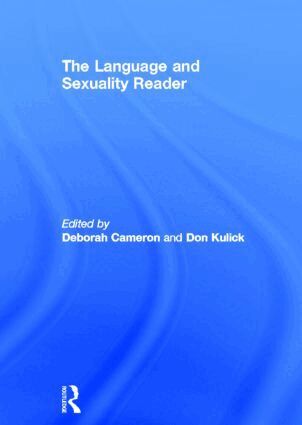
Language and Sexuality Reader
Av Deborah Cameron, Don Kulick
Häftad, 2006
783 kr
Lägg i varukorg
The Language and Sexuality Reader is the first of its kind to bring together material from the fields of anthropology, communication studies, linguistics, medicine and psychology in an examination of the role of sexuality in written and spoken language. Organized into thematic sections, the Reader …
Language and Sexuality Reader
Av Deborah Cameron, Don Kulick
Inbunden, 2006
2710 kr
Lägg i varukorg
The Language and Sexuality Reader is the first of its kind to bring together material from the fields of anthropology, communication studies, linguistics, medicine and psychology in an examination of the role of sexuality in written and spoken language. Organized into thematic sections, the Reader …
Language and Sexuality
Av Deborah Cameron, Don Kulick
Häftad, 2003
639 kr
Lägg i varukorg
This lively and accessible textbook looks at how we talk about sex and why we talk about it the way we do. Drawing on a wide range of examples, from personal ads to phone sex, from sado-masochistic scenes to sexual assault trials, the book provides a clear introduction to the relationship between …
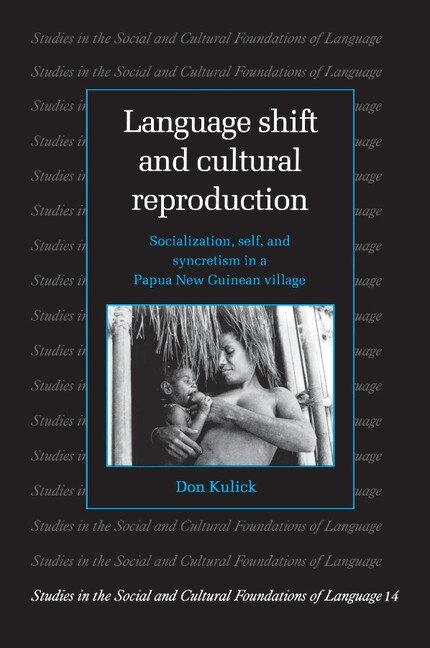
Language Shift and Cultural Reproduction
Socialization, Self and Syncretism in a Papua New Guinean Village
Häftad, 1997
972 kr
Lägg i varukorg
Language Shift and Cultural Reproduction, first published in 1992, is a fascinating anthropological study of language and cultural change among the villagers of Gapun, in the Sepik region of Papua New Guinea. Despite their strong attachment to their own language as a source of identity and as a tie …
Language and Sexuality
Av Deborah Cameron, Don Kulick
Inbunden, 2003
1341 kr
Lägg i varukorg
This lively and accessible textbook looks at how we talk about sex and why we talk about it the way we do. Drawing on a wide range of examples, from personal ads to phone sex, from sado-masochistic scenes to sexual assault trials, the book provides a clear introduction to the relationship between …
Loneliness and Its Opposite
Sex, Disability, and the Ethics of Engagement
Inbunden, 2015
1287 kr
Lägg i varukorg
Few people these days would oppose making the public realm of space, social services and jobs accessible to women and men with disabilities. But what about access to the private realm of desire and sexuality? How can one also facilitate access to that, in ways that respect the integrity of disabled …
Loneliness and Its Opposite
Sex, Disability, and the Ethics of Engagement
E-bok, 2015
651 kr
Lägg i varukorg
Few people these days would oppose making the public realm of space, social services and jobs accessible to women and men with disabilities. But what about access to the private realm of desire and sexuality? How can one also facilitate access to that, in ways that respect the integrity of disabled …
Changing Vulnerability
Inbunden, 2027
1072 kr
Kommande
This volume explores a diverse array of cultural contexts to understand how vulnerabilities were involved in survival, domination, representation, relationality, agency, and humanity. Viewed as a prospect to be grasped rather than as a limit to be overcome, vulnerability has emerged as a key …
Clashing Vulnerabilities, Disability and Conflict
Inbunden, 2025
2591 kr
Lägg i varukorg
This book is about how we might think about vulnerability—what it is and how it operates—by looking at cases where different kinds of vulnerabilities clash. Disability is often portrayed as a vulnerability in itself, and disabled people are often labelled a prototypical “vulnerable group”. This …
Clashing Vulnerabilities, Disability and Conflict
E-bok, 2025
738 kr
Lägg i varukorg
This book is about how we might think about vulnerability-what it is and how it operates-by looking at cases where different kinds of vulnerabilities clash. Disability is often portrayed as a vulnerability in itself, and disabled people are often labelled a prototypical "e;vulnerable …
Clashing Vulnerabilities, Disability and Conflict
E-bok, 2025
738 kr
Lägg i varukorg
This book is about how we might think about vulnerability-what it is and how it operates-by looking at cases where different kinds of vulnerabilities clash. Disability is often portrayed as a vulnerability in itself, and disabled people are often labelled a prototypical "e;vulnerable …
Taboo
Sex, Identity and Erotic Subjectivity in Anthropological Fieldwork
Av Margaret Willson, Don Kulick
E-bok, 2003
866 kr
Lägg i varukorg
Taboo looks at the ethnographer and sexuality in anthropological fieldwork and considers the many roles that sexuality plays in the anthropological production of knowledge and texts. How does the sexual identity that anthropologists have in their "home" society affect the kind of sexuality they are …
Taboo
Sex, Identity and Erotic Subjectivity in Anthropological Fieldwork
Av Margaret Willson, Don Kulick
E-bok, 2003
866 kr
Lägg i varukorg
Taboo looks at the ethnographer and sexuality in anthropological fieldwork and considers the many roles that sexuality plays in the anthropological production of knowledge and texts. How does the sexual identity that anthropologists have in their "home" society affect the kind of sexuality they are …
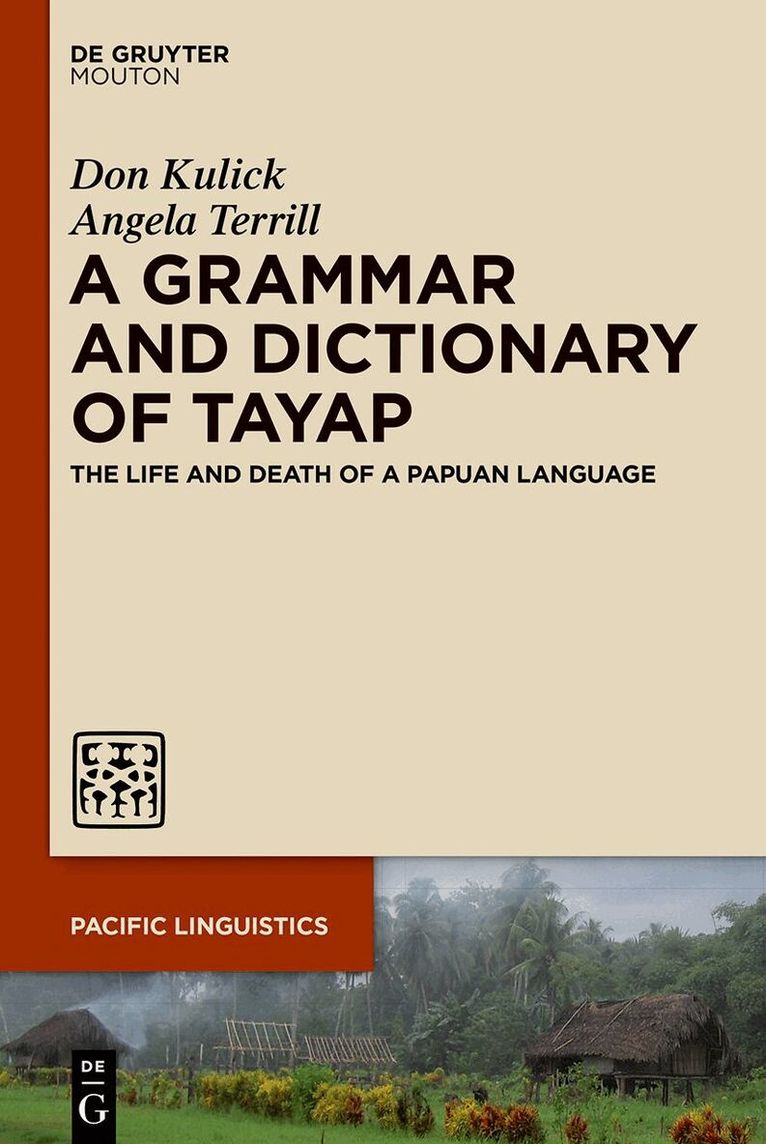
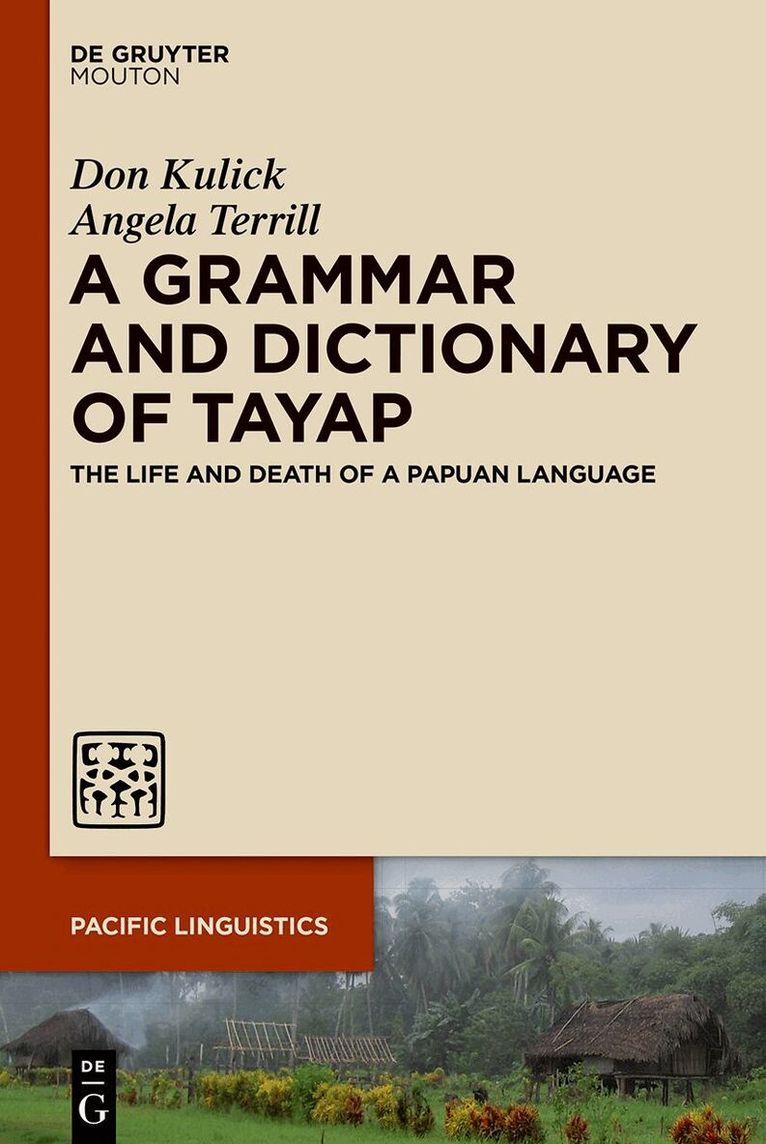
Grammar and Dictionary of Tayap
The Life and Death of a Papuan Language
E-bok, 2019
2592 kr
Lägg i varukorg
Tayap is a small, previously undocumented Papuan language, spoken in a single village called Gapun, in the lower Sepik River region of Papua New Guinea. The language is an isolate, unrelated to any other in the area. Furthermore, Tayap is dying. Fewer than fifty speakers actively command it today. …
Grammar and Dictionary of Tayap
The Life and Death of a Papuan Language
E-bok, 2019
2510 kr
Lägg i varukorg
Tayap is a small, previously undocumented Papuan language, spoken in a single village called Gapun, in the lower Sepik River region of Papua New Guinea. The language is an isolate, unrelated to any other in the area. Furthermore, Tayap is dying. Fewer than fifty speakers actively command it today. …
Grammar and Dictionary of Tayap
The Life and Death of a Papuan Language
Inbunden, 2019
2566 kr
Lägg i varukorg
Tayap is a small, previously undocumented Papuan language, spoken in a single village called Gapun, in the lower Sepik River region of Papua New Guinea. The language is an isolate, unrelated to any other in the area. Furthermore, Tayap is dying. Fewer than fifty speakers actively command it today. …
Grammar and Dictionary of Tayap
The Life and Death of a Papuan Language
Häftad, 2021
478 kr
Lägg i varukorg
Tayap is a small, previously undocumented Papuan language, spoken in a single village called Gapun, in the lower Sepik River region of Papua New Guinea. The language is an isolate, unrelated to any other in the area. Furthermore, Tayap is dying. Fewer than fifty speakers actively command it today. …