Don M. Tucker – författare
Visar alla böcker från författaren Don M. Tucker. Handla med fri frakt och snabb leverans.
8 produkter
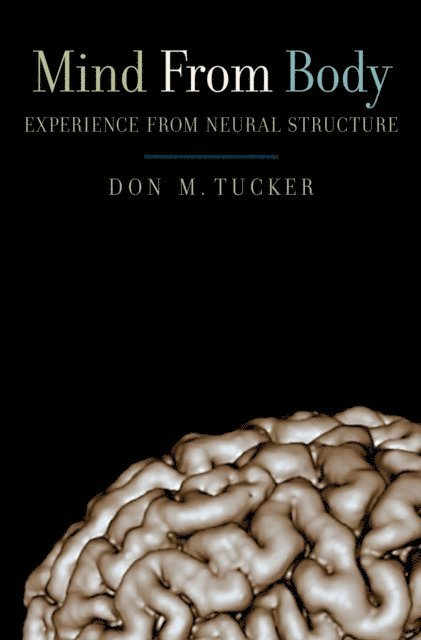
Mind from Body
Experience from Neural Structure
E-bok, 2007
1009 kr
Lägg i varukorg
Although we no longer live in the relative simplicity of the Jurassic age, and even though we are not aware of them, primitive mammalian brain that developed in that era still live on inside our skulls and remain crucial to our daily functions. The challenges we face today in the information …
Mind from Body
Experience from neural structure
Inbunden, 2007
1848 kr
Lägg i varukorg
The neural structures of the brain exist to construct information. They do this by creating concepts that relate internal, personal need to external, environmental reality. Meaning is formed in the brain by neural network patterns that traverse these two structures of experience: the visceral …
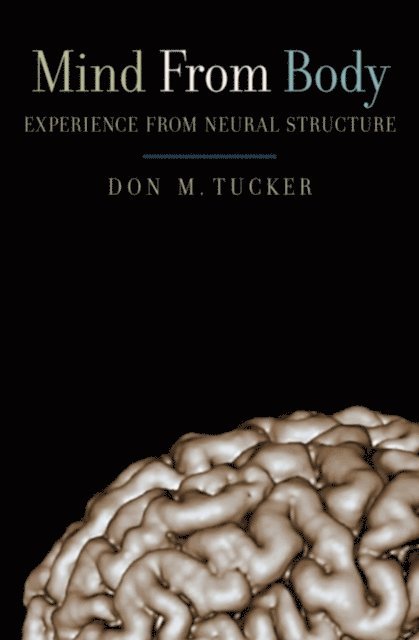
Mind from Body
Experience from Neural Structure
E-bok, 2007
1009 kr
Lägg i varukorg
Although we no longer live in the relative simplicity of the Jurassic age, and even though we are not aware of them, primitive mammalian brain that developed in that era still live on inside our skulls and remain crucial to our daily functions. The challenges we face today in the information …
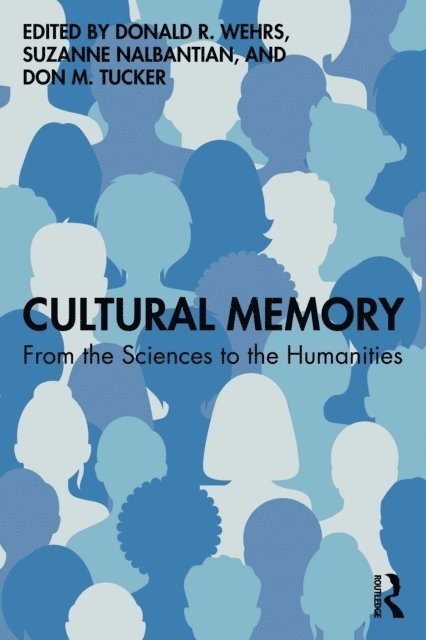
Cultural Memory
From the Sciences to the Humanities
Av Don M. Tucker, Suzanne Nalbantian m. fl.
E-bok, 2022
847 kr
Lägg i varukorg
Bringing together neuroscientists, social scientists, and humanities scholars in cross-disciplinary exploration of the topic of cultural memory, this collection moves from seminal discussions of the latest findings in neuroscience to variegated, specific case studies of social practices and …
Cultural Memory
From the Sciences to the Humanities
Av Don M. Tucker, Suzanne Nalbantian m. fl.
E-bok, 2022
847 kr
Lägg i varukorg
Bringing together neuroscientists, social scientists, and humanities scholars in cross-disciplinary exploration of the topic of cultural memory, this collection moves from seminal discussions of the latest findings in neuroscience to variegated, specific case studies of social practices and …
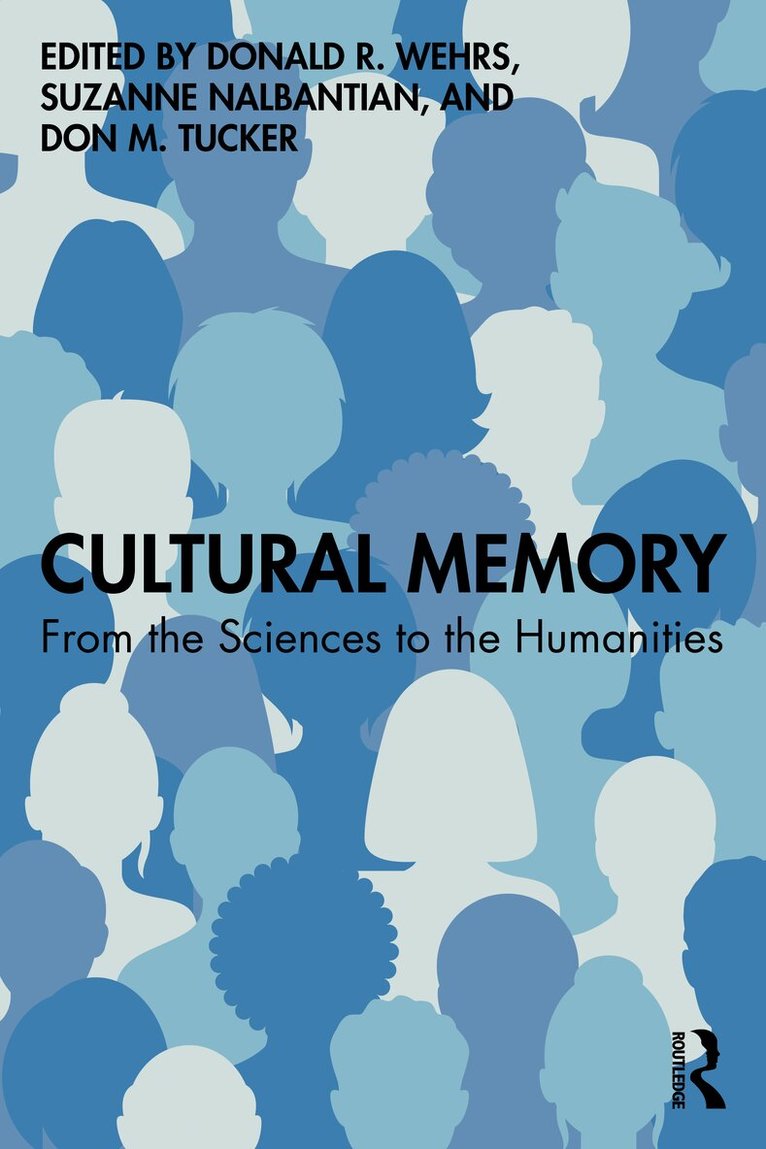
Cultural Memory
From the Sciences to the Humanities
Av Donald R. Wehrs, Suzanne Nalbantian m. fl.
Häftad, 2022
733 kr
Lägg i varukorg
Bringing together neuroscientists, social scientists, and humanities scholars in cross-disciplinary exploration of the topic of cultural memory, this collection moves from seminal discussions of the latest findings in neuroscience to variegated, specific case studies of social practices and …
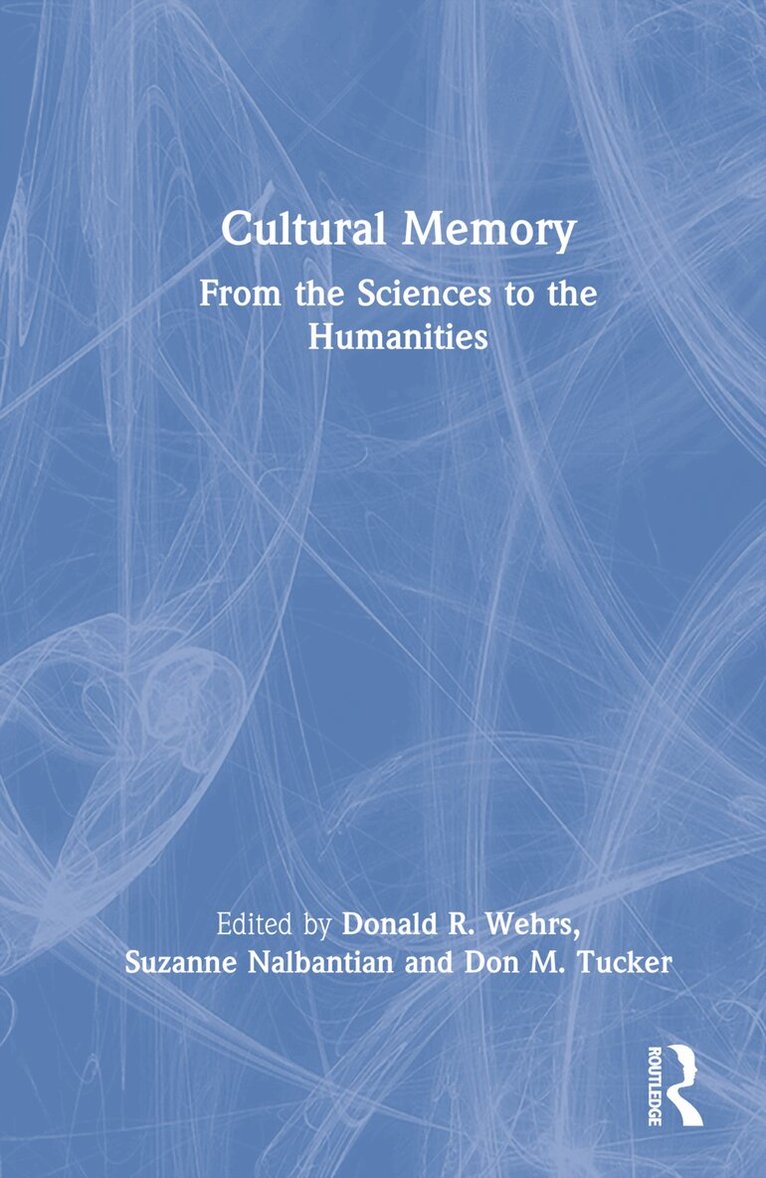
Cultural Memory
From the Sciences to the Humanities
Av Donald R. Wehrs, Suzanne Nalbantian m. fl.
Inbunden, 2022
2126 kr
Lägg i varukorg
Bringing together neuroscientists, social scientists, and humanities scholars in cross-disciplinary exploration of the topic of cultural memory, this collection moves from seminal discussions of the latest findings in neuroscience to variegated, specific case studies of social practices and …