Don Seeman – författare
Visar alla böcker från författaren Don Seeman. Handla med fri frakt och snabb leverans.
7 produkter
Hasidism, Suffering, and Renewal
The Prewar and Holocaust Legacy of Rabbi Kalonymus Kalman Shapira
Av Don Seeman, Daniel Reiser m. fl.
Häftad, 2022
487 kr
Lägg i varukorg
Reconsiders the legacy of an important Hasidic mystic, leader, and educator who confronted the dilemmas of modernity after World War I and whose writing constitutes a unique testimony to religious experience and its rupture in the Warsaw Ghetto.Kalonymus Kalman Shapira (1889–1943) was a remarkable …
Hasidism, Suffering, and Renewal
The Prewar and Holocaust Legacy of Rabbi Kalonymus Kalman Shapira
Av Don Seeman, Daniel Reiser m. fl.
Inbunden, 2021
1286 kr
Lägg i varukorg
Reconsiders the legacy of an important Hasidic mystic, leader, and educator who confronted the dilemmas of modernity after World War I and whose writing constitutes a unique testimony to religious experience and its rupture in the Warsaw Ghetto.Kalonymus Kalman Shapira (1889–1943) was a remarkable …
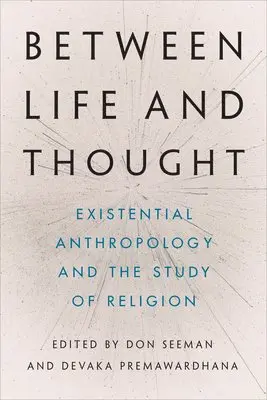
Between Life and Thought: Existential Anthropology and the Study of Religion
Av Don Seeman, Devaka Premawardhana
Inbunden, 2024
832 kr
Lägg i varukorg
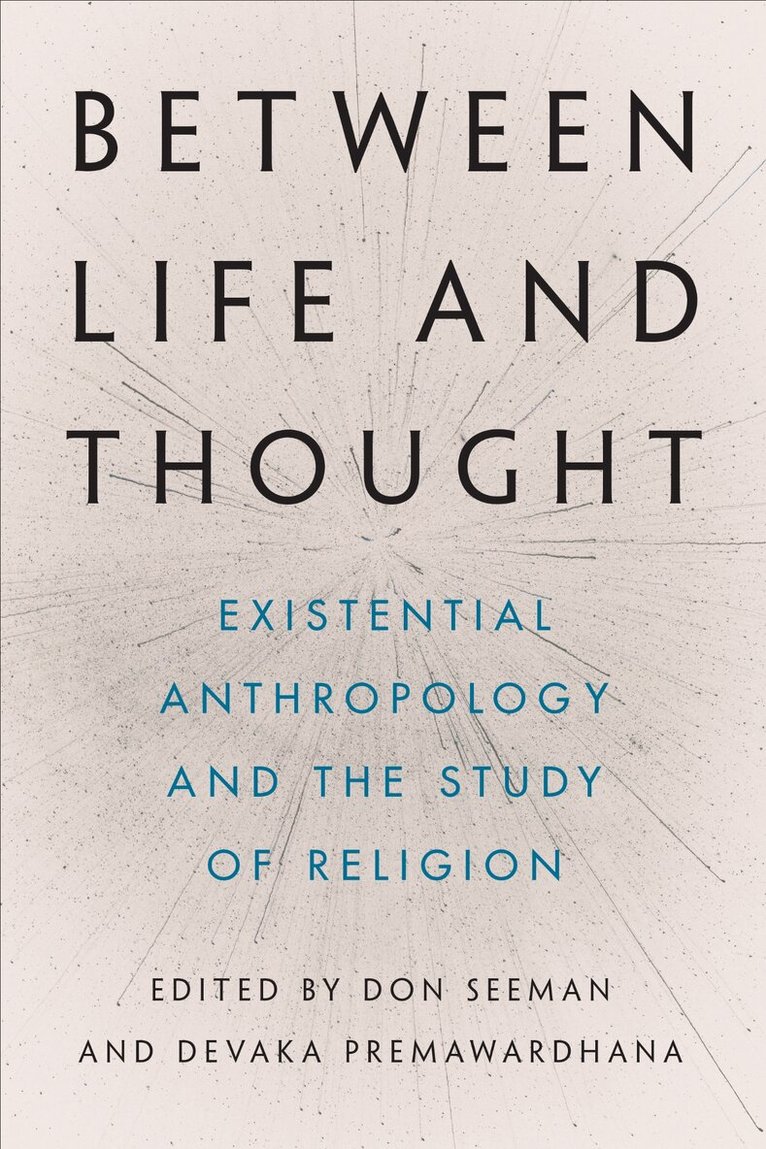
Between Life and Thought
Existential Anthropology and the Study of Religion
Av Don Seeman, Devaka Premawardhana
Häftad, 2024
316 kr
Lägg i varukorg
Existential anthropology is an approach inspired by existential and phenomenological thought to further our understanding of the human condition. Its ethnographic methodology emphasizes embodied experience and focuses on what is at stake for people amid the contingencies, struggles, and …
Between Life and Thought
Existential Anthropology and the Study of Religion
Av Don Seeman, Devaka Premawardhana
E-bok, 2024
383 kr
Lägg i varukorg
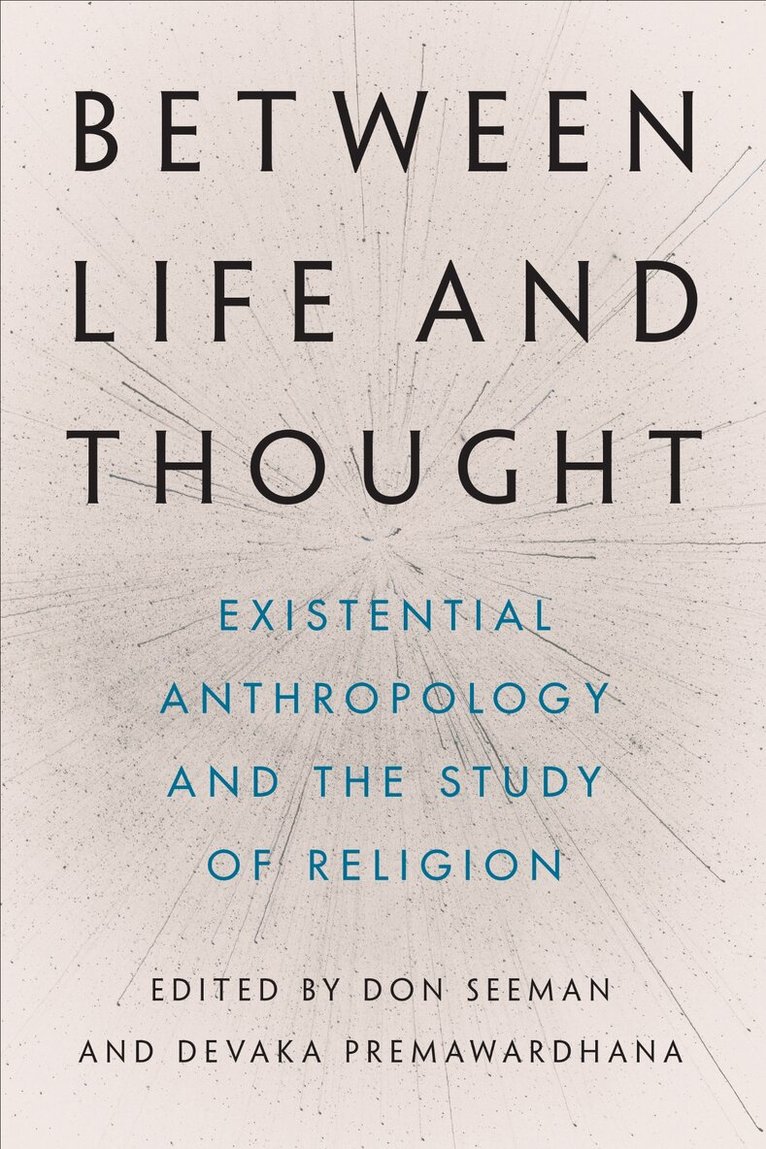
Existential anthropology is an approach inspired by existential and phenomenological thought to further our understanding of the human condition. Its ethnographic methodology emphasizes embodied experience and focuses on what is at stake for people amid the contingencies, struggles, and …
Between Life and Thought
Existential Anthropology and the Study of Religion
Av Don Seeman, Devaka Premawardhana
E-bok, 2024
391 kr
Lägg i varukorg
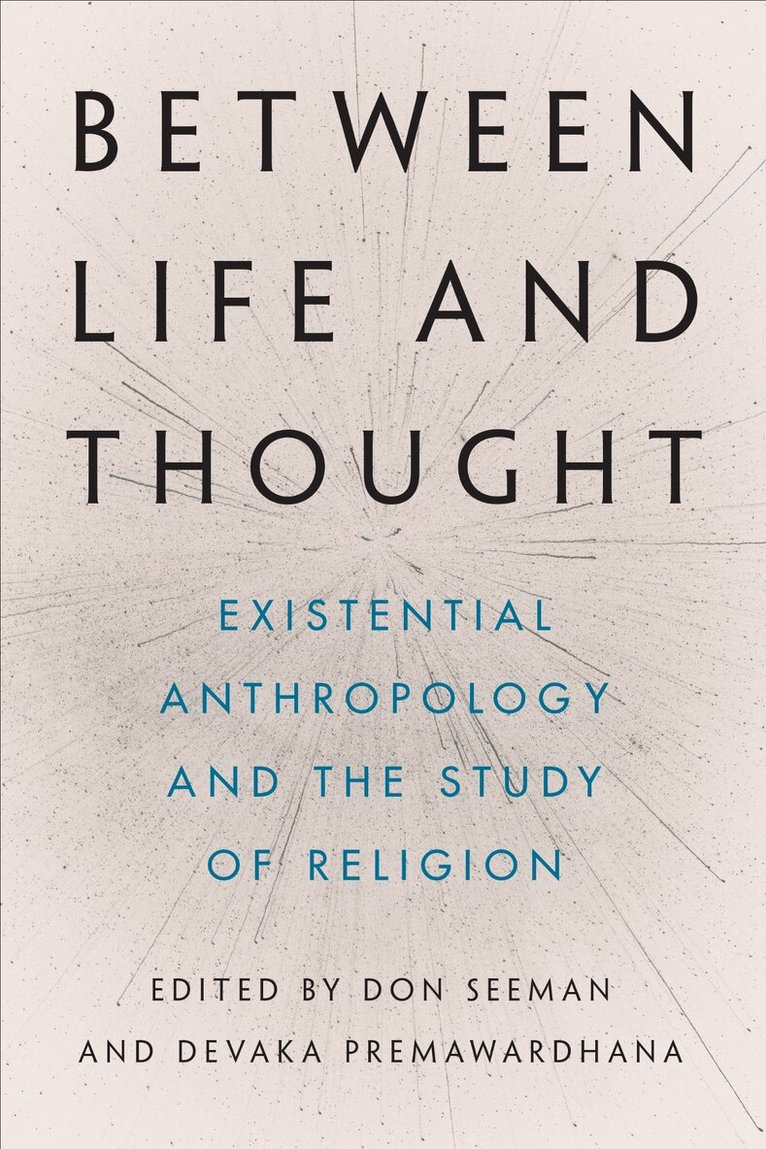
Existential anthropology is an approach inspired by existential and phenomenological thought to further our understanding of the human condition. Its ethnographic methodology emphasizes embodied experience and focuses on what is at stake for people amid the contingencies, struggles, and …
One People, One Blood
Ethiopian-Israelis and the Return to Judaism
Av Don Seeman
Häftad, 2010
470 kr
Tillfälligt slut
"Little by little, an egg will come to walk upon its own leg." Ethiopian-Israelis fondly quote this bit of Amharic folk wisdom, reflecting upon the slow, difficult history that allowed them to fulfill their destiny far from the Horn of Africa where they were born.But today, along with those …