Dong Guo - Böcker
Visar alla böcker från författaren Dong Guo. Handla med fri frakt och snabb leverans.
6 produkter
6 produkter
1 147 kr
Skickas inom 7-10 vardagar
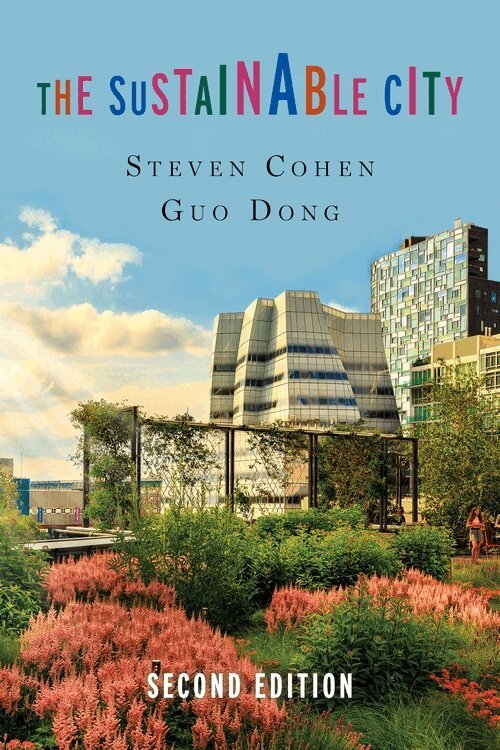
Living sustainably is not just about preserving the wilderness or keeping nature pristine. The transition to a green economy depends on cities. Economic, technological, and cultural forces are moving people out of rural areas and into urban areas. If we are to avert climate catastrophe, we will need our cities to coexist with nature without destroying it. Urbanization holds the key to long-term sustainability, reducing per capita environmental impacts while improving economic prosperity and social inclusion for current and future generations.The Sustainable City provides a broad and engaging overview of the urban systems of the twenty-first century. It approaches urban sustainability from the perspectives of behavioral change, organizational management, and public policy, looking at case studies of existing legislation, programs, and public-private partnerships that strive to align modern urban life and sustainability. The book synthesizes the disparate strands of sustainable city planning in an approachable and applicable guide that highlights how these issues touch our lives on a daily basis, including the transportation we take, the public health systems that protect us, where our energy comes from, and what becomes of our food waste.This second edition of The Sustainable City dives deeper into the financing of sustainable infrastructure and initiatives and puts additional emphasis on the roles that individual citizens and varied stakeholders can play. It also reviews current trends in urban inequality and discusses whether a model of sustainability that embraces a multidimensional approach to development and a multistakeholder approach to decision making can foster social inclusion. It features many more examples and new international case studies spanning the globe.
292 kr
Skickas inom 7-10 vardagar
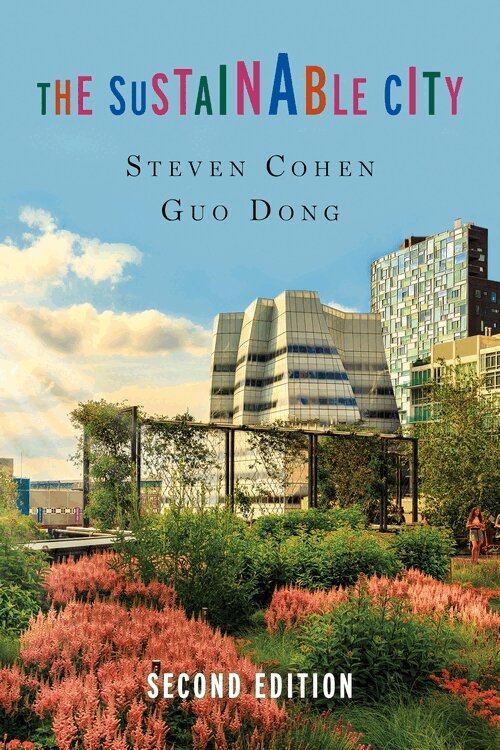
Living sustainably is not just about preserving the wilderness or keeping nature pristine. The transition to a green economy depends on cities. Economic, technological, and cultural forces are moving people out of rural areas and into urban areas. If we are to avert climate catastrophe, we will need our cities to coexist with nature without destroying it. Urbanization holds the key to long-term sustainability, reducing per capita environmental impacts while improving economic prosperity and social inclusion for current and future generations.The Sustainable City provides a broad and engaging overview of the urban systems of the twenty-first century. It approaches urban sustainability from the perspectives of behavioral change, organizational management, and public policy, looking at case studies of existing legislation, programs, and public-private partnerships that strive to align modern urban life and sustainability. The book synthesizes the disparate strands of sustainable city planning in an approachable and applicable guide that highlights how these issues touch our lives on a daily basis, including the transportation we take, the public health systems that protect us, where our energy comes from, and what becomes of our food waste.This second edition of The Sustainable City dives deeper into the financing of sustainable infrastructure and initiatives and puts additional emphasis on the roles that individual citizens and varied stakeholders can play. It also reviews current trends in urban inequality and discusses whether a model of sustainability that embraces a multidimensional approach to development and a multistakeholder approach to decision making can foster social inclusion. It features many more examples and new international case studies spanning the globe.
902 kr
Skickas inom 7-10 vardagar
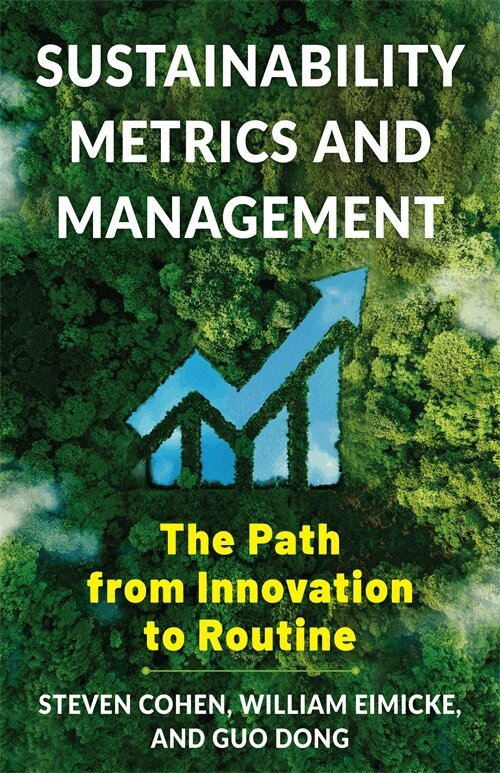
In recent years, increasingly sophisticated metrics have been created to measure sustainability. First devised to address environmental concerns such as greenhouse gas emissions, they now also assess organizational governance, community benefits, and hiring practices, among others. The field of sustainability management uses these metrics to track and advance progress on environmental, social, and business goals. How can an organization incorporate sustainability metrics into performance measurement and decision making? Which metrics should different organizations adopt, and why? What should sustainability management do to adapt in the face of political hostility, economic volatility, and technological change?This book is a comprehensive guide to sustainability metrics and management, introducing readers to key concepts and techniques. It details the measurement process needed to produce reliable and verifiable sustainability metrics and discusses the relationship to financial performance. The authors show how to integrate sustainability into the core of organizational management and make it a routine part of administration. They also emphasize the importance of metrics for measuring, assessing, and managing risk. Written for practitioners, students, and managers of organizations of all sizes, this book gives readers the tools and understanding they need to lead the journey toward sustainability.
235 kr
Skickas inom 7-10 vardagar
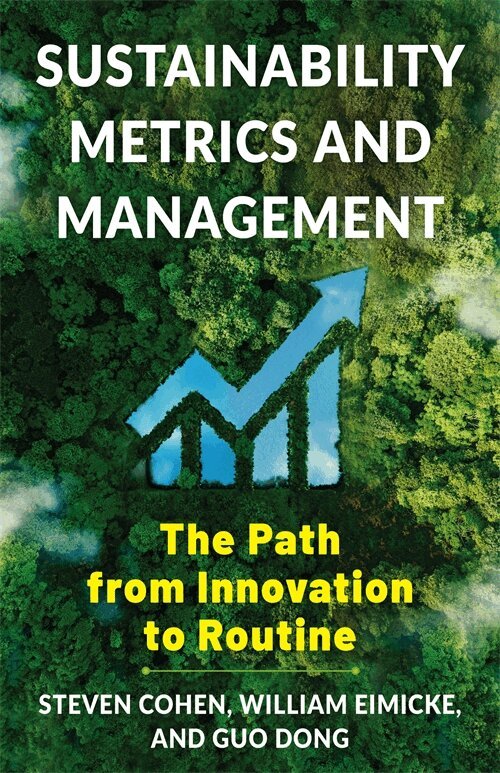
In recent years, increasingly sophisticated metrics have been created to measure sustainability. First devised to address environmental concerns such as greenhouse gas emissions, they now also assess organizational governance, community benefits, and hiring practices, among others. The field of sustainability management uses these metrics to track and advance progress on environmental, social, and business goals. How can an organization incorporate sustainability metrics into performance measurement and decision making? Which metrics should different organizations adopt, and why? What should sustainability management do to adapt in the face of political hostility, economic volatility, and technological change?This book is a comprehensive guide to sustainability metrics and management, introducing readers to key concepts and techniques. It details the measurement process needed to produce reliable and verifiable sustainability metrics and discusses the relationship to financial performance. The authors show how to integrate sustainability into the core of organizational management and make it a routine part of administration. They also emphasize the importance of metrics for measuring, assessing, and managing risk. Written for practitioners, students, and managers of organizations of all sizes, this book gives readers the tools and understanding they need to lead the journey toward sustainability.
1 322 kr
Kommande
1 477 kr
Kommande