Dong Ren – författare
2 437 kr
Skickas inom 10-15 vardagar
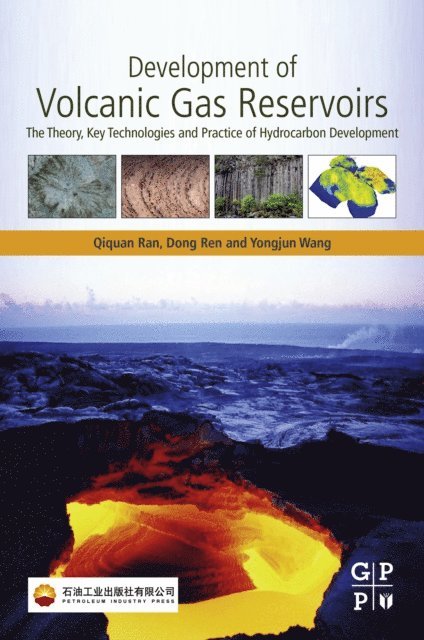
Development of Volcanic Gas Reservoirs: The Theory, Key Technologies and Practice of Hydrocarbon Development introduces the geological and dynamic characteristics of development in volcanic gas reservoirs, using examples drawn from the practical experience in China of honing volcanic gas reservoir development. The book gives guidance on how to effectively develop volcanic gas reservoirs and similar complex types of gas reservoir. It introduces basic theories, key technologies and uses practical examples. It is the first book to systematically cover the theories and key technologies of volcanic gas reservoir development.
As volcanic gas reservoirs constitute a new research area, the distribution and rules for development still being studied. Difficulties in well deployment and supportive development technology engender further challenges to development. However, in the past decade, research and development in the Songliao and Junggar Basins has led to marked achievements in volcanic gas reservoir development.
Introduces the theory, key technologies and practice of volcanic gas reservoir development Provides links between theory and practice, highlighting key technologies for targeted development Offers guidance on complex issues in volcanic gas reservoir development Presents practical evidence from effective development and exploitation of gas reservoirs1 975 kr
Läs direkt efter köp
2 554 kr
Skickas inom 11-20 vardagar
3 079 kr
Läs direkt efter köp
Documents morphology, taxonomy, phylogeny, evolutionary changes, and interactions of 23 orders of insects from the Middle Jurassic and Early Cretaceous faunas in Northern China
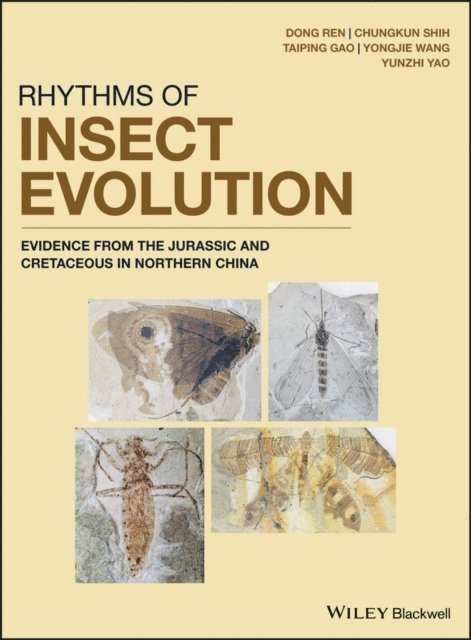
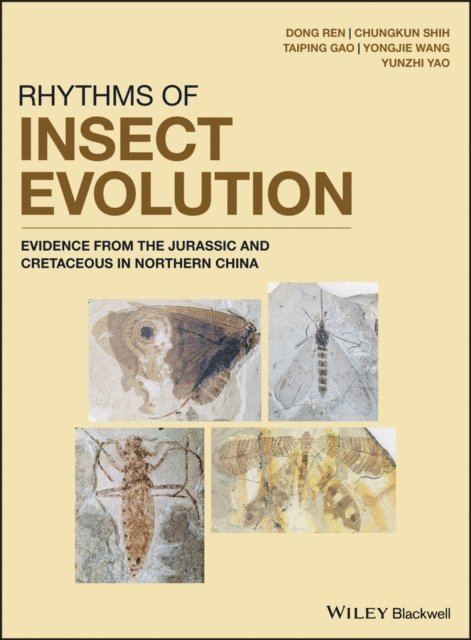
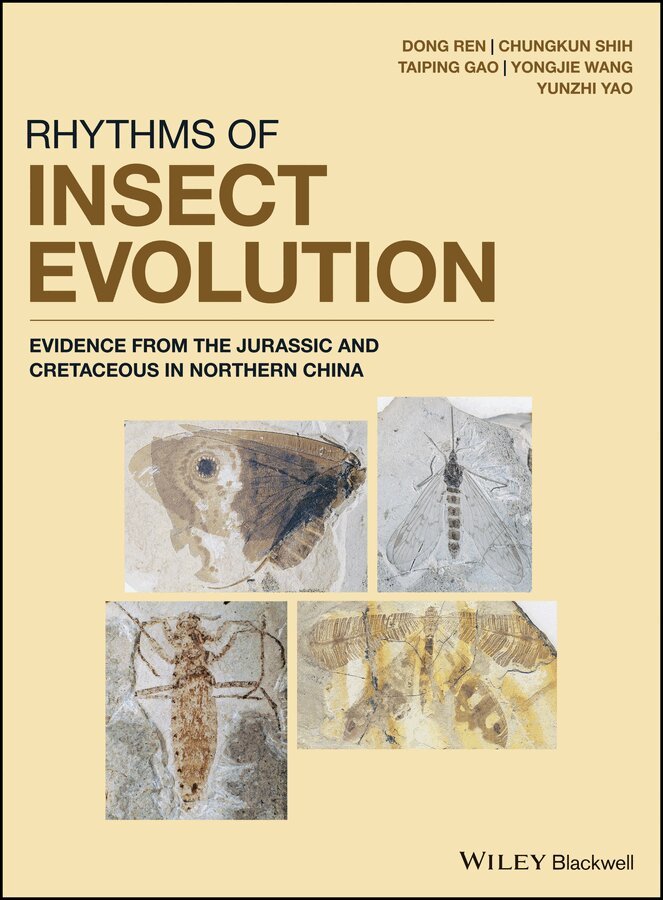
This book showcases 23 different orders of insect fossils from the Mid Mesozoic period (165 to 125 Ma) that were discovered in Northeastern China. It covers not only their taxonomy and morphology, but also their potential implications on natural sciences, such as phylogeny, function, interaction, evolution, and ecology. It covers fossil sites; paleogeology; co-existing animals and plants in well-balanced eco-systems; insects in the spotlight; morphological evolution and functional development; and interactions of insects with co-existing plants, vertebrates, and other insects. The book also includes many elegant and beautiful photographs, line drawings, and 3-D reconstructions of fossilized and extant insects.
Rhythms of Insect Evolution: Evidence from the Jurassic and Cretaceous in Northern China features chapter coverage of such insects as the: Ephemeroptera; Odonata; Blattaria; Isoptera; Orthoptera; Notoptera; Dermaptera; Chresmodidae; Phasmatodea; Plecoptera; Psocoptera; Homoptera; Heteroptera; Megaloptera; Raphidioptera; Neuroptera; Coleoptera; Hymenoptera Diptera; Mecoptera; Siphonaptera; Trichoptera and Lepidoptera.
Combines academic natural science, popular science, and artistic presentation to illustrate rhythms of evolution for fossil insects from the Mid Mesozoic of Northern China Documents morphology, taxonomy, phylogeny, and evolutionary changes of 23 orders of insects from the Middle Jurassic and Early Cretaceous faunas in Northern China Presents interactions of insects with plants, vertebrates, and other insects based on well-preserved fossil evidence Uses photos of extant insects and plants, fossil and amber specimens, line drawings, and 3-D computer-generated reconstruction artworks to give readers clear and enjoyable impressions of the scientific findings Introduces insect-related stories from western and Chinese culture in text or sidebars to give global readers broader exposuresRhythms of Insect Evolution: Evidence from the Jurassic and Cretaceous in Northern China will appeal to entomologists, evolutionists, paleontologists, paleoecologists, and natural scientists.
3 079 kr
Läs direkt efter köp
Documents morphology, taxonomy, phylogeny, evolutionary changes, and interactions of 23 orders of insects from the Middle Jurassic and Early Cretaceous faunas in Northern China
This book showcases 23 different orders of insect fossils from the Mid Mesozoic period (165 to 125 Ma) that were discovered in Northeastern China. It covers not only their taxonomy and morphology, but also their potential implications on natural sciences, such as phylogeny, function, interaction, evolution, and ecology. It covers fossil sites; paleogeology; co-existing animals and plants in well-balanced eco-systems; insects in the spotlight; morphological evolution and functional development; and interactions of insects with co-existing plants, vertebrates, and other insects. The book also includes many elegant and beautiful photographs, line drawings, and 3-D reconstructions of fossilized and extant insects.
Rhythms of Insect Evolution: Evidence from the Jurassic and Cretaceous in Northern China features chapter coverage of such insects as the: Ephemeroptera; Odonata; Blattaria; Isoptera; Orthoptera; Notoptera; Dermaptera; Chresmodidae; Phasmatodea; Plecoptera; Psocoptera; Homoptera; Heteroptera; Megaloptera; Raphidioptera; Neuroptera; Coleoptera; Hymenoptera Diptera; Mecoptera; Siphonaptera; Trichoptera and Lepidoptera.
Combines academic natural science, popular science, and artistic presentation to illustrate rhythms of evolution for fossil insects from the Mid Mesozoic of Northern China Documents morphology, taxonomy, phylogeny, and evolutionary changes of 23 orders of insects from the Middle Jurassic and Early Cretaceous faunas in Northern China Presents interactions of insects with plants, vertebrates, and other insects based on well-preserved fossil evidence Uses photos of extant insects and plants, fossil and amber specimens, line drawings, and 3-D computer-generated reconstruction artworks to give readers clear and enjoyable impressions of the scientific findings Introduces insect-related stories from western and Chinese culture in text or sidebars to give global readers broader exposuresRhythms of Insect Evolution: Evidence from the Jurassic and Cretaceous in Northern China will appeal to entomologists, evolutionists, paleontologists, paleoecologists, and natural scientists.