Dorothy E. Dean – författare
Visar alla böcker från författaren Dorothy E. Dean. Handla med fri frakt och snabb leverans.
10 produkter
Practical Forensic Pathology and Toxicology
Av Dorothy E. Dean, Robert H. Powers
Inbunden, 2024
1507 kr
Lägg i varukorg
Practical Forensic Pathology and Toxicology is a companion to the authors’ original book on the subject, Forensic Toxicology: Mechanisms and Pathology. This new volume addresses issues that forensic pathologists face when confronted by the suspected or demonstrated presence of drugs or toxins in …
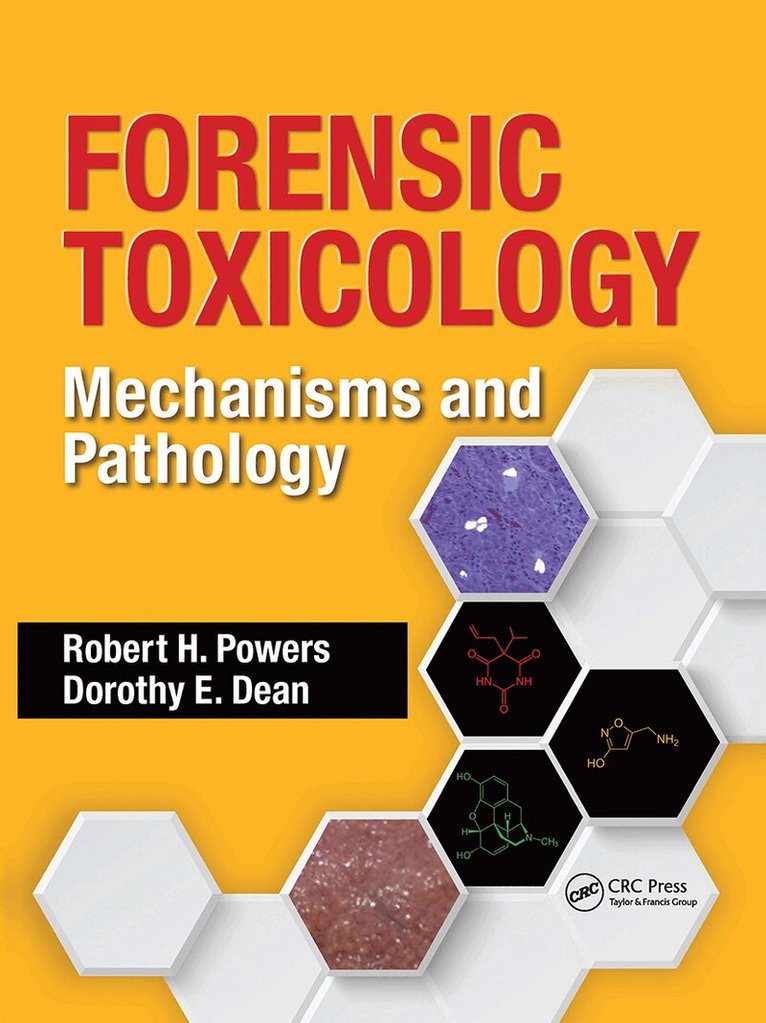
Forensic Toxicology
Mechanisms and Pathology
Av Robert H. Powers, Dorothy E. Dean
Häftad, 2021
1900 kr
Lägg i varukorg
Designed for upper-level undergraduate and graduate-level courses, Forensic Toxicology: Mechanisms and Pathology introduces toxicology concepts from a forensic perspective. The book provides an understanding of the mechanistic basis of the action of drugs and toxins, addressing their physiologic …
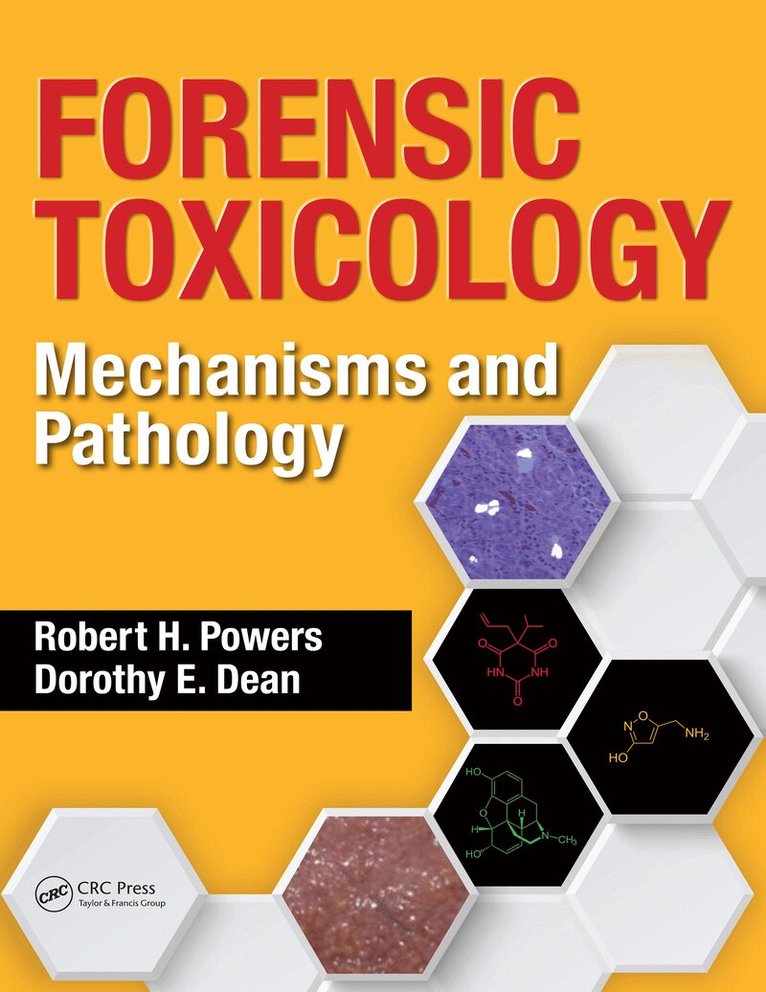
Forensic Toxicology
Mechanisms and Pathology
Av Robert H. Powers, Dorothy E. Dean
E-bok, 2015
2202 kr
Lägg i varukorg
Designed for graduate and advanced undergraduate courses, this book goes beyond the simple analysis of naming a drug or toxin, taking a mechanistic approach to their effects on the body. It provides an understanding of the mechanisms of action of drugs and toxins as well as their physiologic and …
Practical Forensic Pathology and Toxicology
Av Robert H. Powers, Dorothy E. Dean
E-bok, 2024
1593 kr
Lägg i varukorg
Practical Forensic Pathology and Toxicology is a companion to the authors’ original book on the subject, Forensic Toxicology: Mechanisms and Pathology . This new volume addresses issues that forensic pathologists face when confronted by the suspected or demonstrated presence of drugs or toxins in …
Practical Forensic Pathology and Toxicology
Av Robert H. Powers, Dorothy E. Dean
E-bok, 2024
1745 kr
Lägg i varukorg
Practical Forensic Pathology and Toxicology is a companion to the authors’ original book on the subject, Forensic Toxicology: Mechanisms and Pathology . This new volume addresses issues that forensic pathologists face when confronted by the suspected or demonstrated presence of drugs or toxins in …
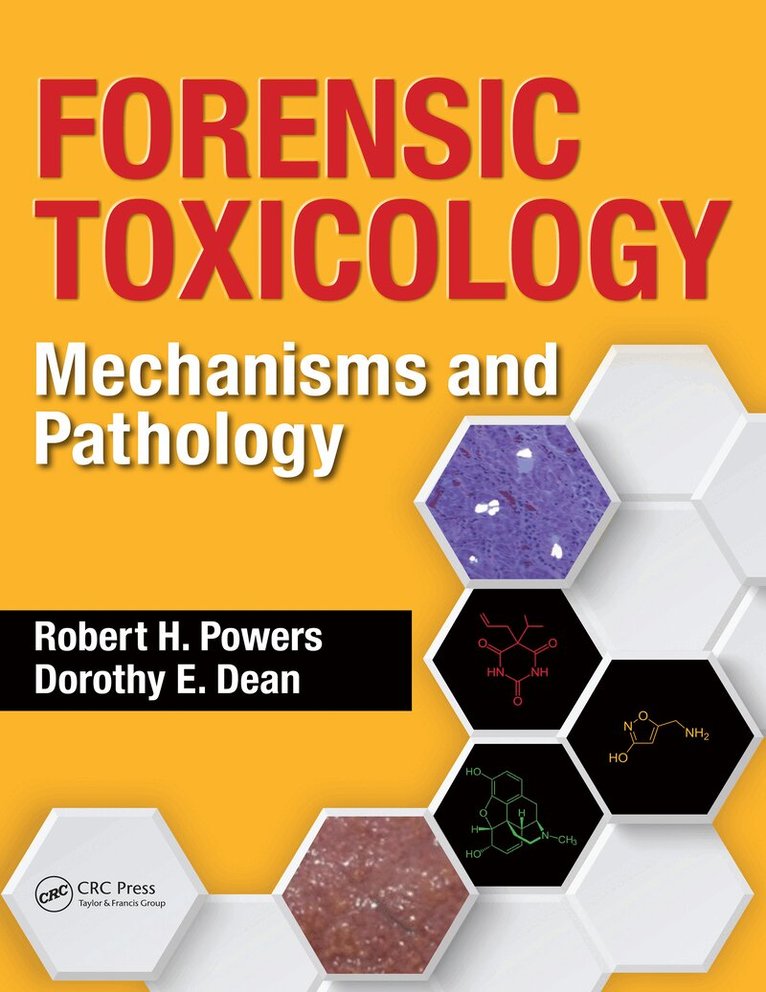
Forensic Toxicology
Mechanisms and Pathology
Av Robert H. Powers, Dorothy E. Dean
Inbunden, 2015
3167 kr
Lägg i varukorg
Designed for upper-level undergraduate and graduate-level courses, Forensic Toxicology: Mechanisms and Pathology introduces toxicology concepts from a forensic perspective. The book provides an understanding of the mechanistic basis of the action of drugs and toxins, addressing their physiologic …
Forensic Toxicology
Mechanisms and Pathology
Av Robert H. Powers, Dorothy E. Dean
E-bok, 2015
2318 kr
Lägg i varukorg
Designed for graduate and advanced undergraduate courses, this book goes beyond the simple analysis of naming a drug or toxin, taking a mechanistic approach to their effects on the body. It provides an understanding of the mechanisms of action of drugs and toxins as well as their physiologic and …
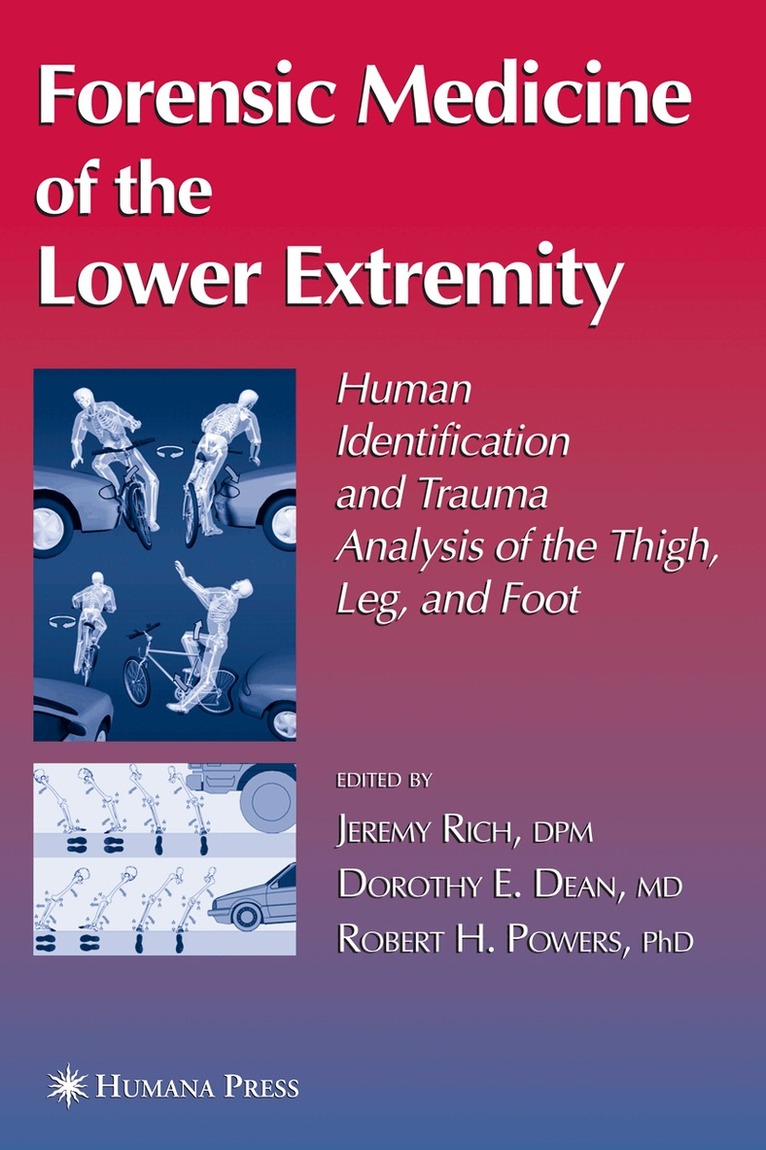
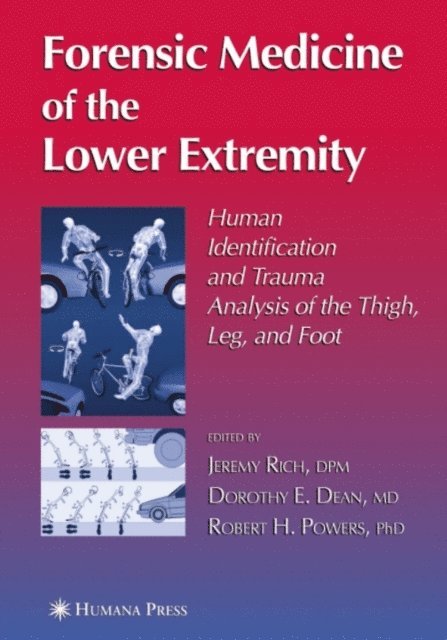
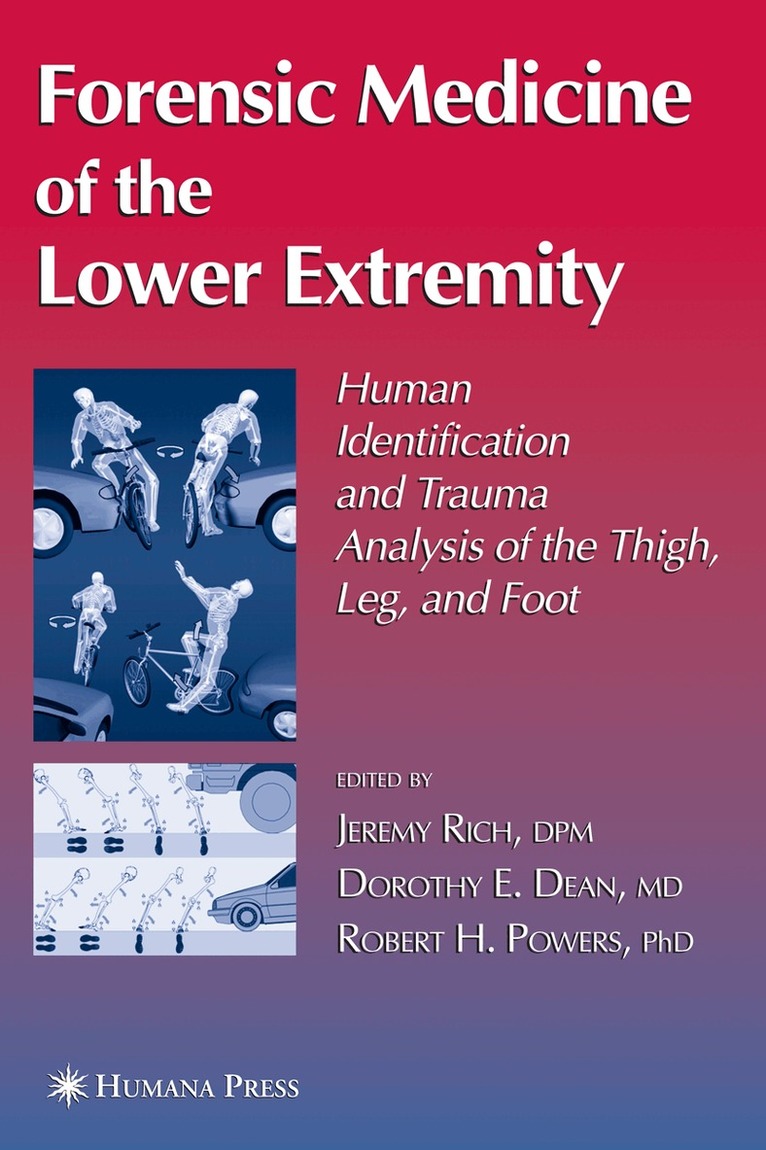
Forensic Medicine of the Lower Extremity
Av Jeremy Rich, Dorothy E. Dean m. fl.
Inbunden, 2005
2485 kr
Lägg i varukorg
Publius Syrus stated back in 42 B.C., “You cannot put the same shoe on every foot.” (Maxim 596) Though written long before the advent of forensic science, Syrus’ maxim summarizes the theme of Forensic Medicine of the Lower Extremity: Human Identification and Trauma Analysis of the Thigh, Leg, and …
Forensic Medicine of the Lower Extremity
Av Robert H. Powers, Dorothy E. Dean m. fl.
E-bok, 2007
3348 kr
Lägg i varukorg
Publius Syrus stated back in 42 B.C., “You cannot put the same shoe on every foot.” (Maxim 596) Though written long before the advent of forensic science, Syrus’ maxim summarizes the theme of Forensic Medicine of the Lower Extremity: Human Identification and Trauma Analysis of the Thigh, Leg, and …
Forensic Medicine of the Lower Extremity
Av Jeremy Rich, Dorothy E. Dean m. fl.
Häftad, 2010
2485 kr
Lägg i varukorg
Publius Syrus stated back in 42 B.C., “You cannot put the same shoe on every foot.” (Maxim 596) Though written long before the advent of forensic science, Syrus’ maxim summarizes the theme of Forensic Medicine of the Lower Extremity: Human Identification and Trauma Analysis of the Thigh, Leg, and …