Douglas A. Irwin – författare
1 261 kr
Skickas inom 5-8 vardagar
425 kr
Skickas inom 5-8 vardagar
896 kr
Läs direkt efter köp
The political decisions made by the founding fathers were crucial to the success of the early republic. But the economic decisions they made were just as pivotal, ensuring the general welfare and common defense of the United States for decades to come. Founding Choices explores these economic choices and their profound influence on American life, westward expansion, and influence abroad. Among the topics covered are finance, trade, and monetary and banking policy, with a focus on the factors guiding those policies and their end result. This book redresses the relative neglect of the economic achievements of the founders. It will be essential reading for historians and economists alike.
263 kr
Skickas inom 5-8 vardagar
358 kr
Läs direkt efter köp
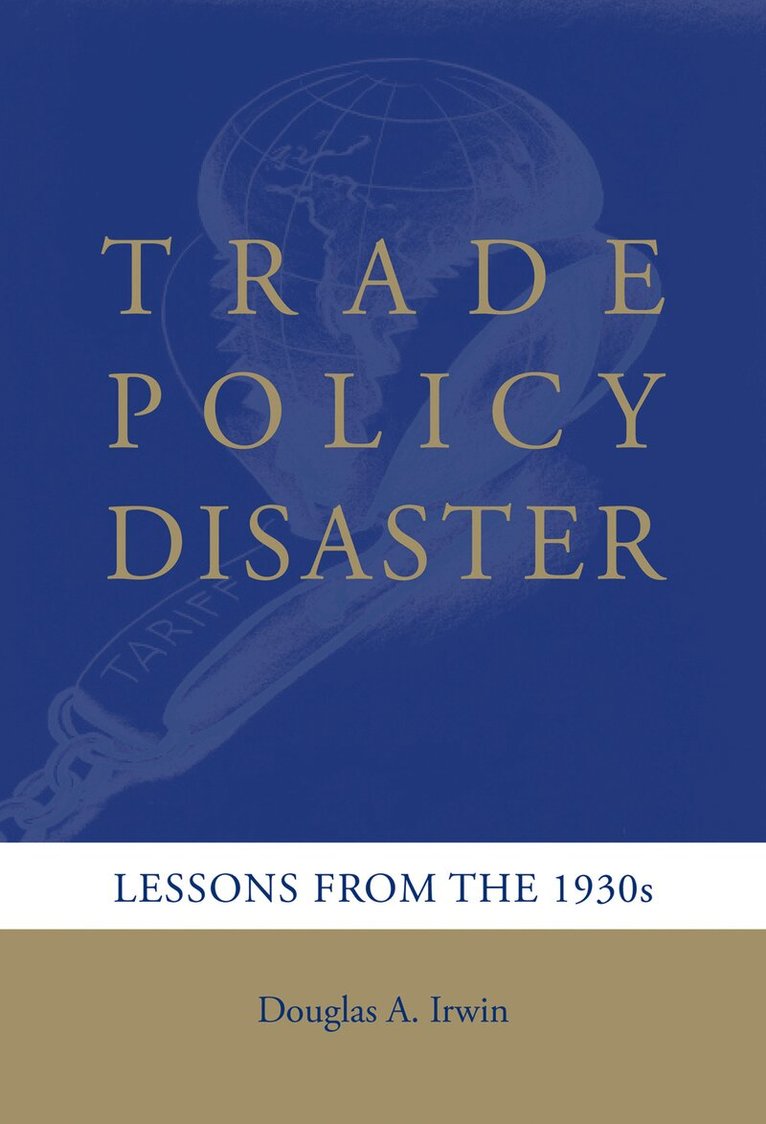
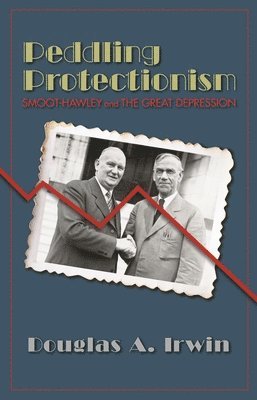
The extreme protectionism that contributed to a collapse of world trade in the 1930s is examined in light of the recent economic crisis.
The recent economic crisis—with the plunge in the stock market, numerous bank failures and widespread financial distress, declining output and rising unemployment—has been reminiscent of the Great Depression. The Depression of the 1930s was marked by the spread of protectionist trade policies, which contributed to a collapse in world trade. Although policymakers today claim that they will resist the protectionist temptation, recessions are breeding grounds for economic nationalism, and countries may yet consider imposing higher trade barriers. In Trade Policy Disaster, Douglas Irwin examines what we know about trade policy during the traumatic decade of the 1930s and considers what we can learn from the policy missteps of the time.
Irwin argues that the extreme protectionism of the 1930s emerged as a consequence of policymakers'' reluctance to abandon the gold standard and allow their currencies to depreciate. By ruling out exchange rate changes as an adjustment mechanism, policymakers turned instead to higher tariffs and other means of restricting imports. He offers a clear and concise exposition of such topics as the effect of higher trade barriers on the implosion of world trade; the impact of the Smoot-Hawley tariff of 1930; the reasons some countries adopted draconian trade restrictions (including exchange controls and import quotas) but others did not; the effect of preferential trade arrangements and bilateral clearing agreements on the multilateral system of world trade; and lessons for avoiding future trade wars.
425 kr
Skickas inom 5-8 vardagar
448 kr
Skickas inom 7-10 vardagar
774 kr
Skickas inom 7-10 vardagar
434 kr
Skickas inom 5-8 vardagar
442 kr
Skickas inom 5-8 vardagar
254 kr
Skickas inom 5-8 vardagar
237 kr
Skickas inom 5-8 vardagar
323 kr
Skickas inom 5-8 vardagar
428 kr
Läs direkt efter köp
An updated look at global trade and why it remains as controversial as everFree trade is always under attack, more than ever in recent years. The imposition of numerous U.S. tariffs in 2018, and the retaliation those tariffs have drawn, has thrust trade issues to the top of the policy agenda. Critics contend that free trade brings economic pain, including plant closings and worker layoffs, and that trade agreements serve corporate interests, undercut domestic environmental regulations, and erode national sovereignty. Why are global trade and agreements such as the Trans-Pacific Partnership so controversial? Does free trade deserve its bad reputation? In Free Trade under Fire, Douglas Irwin sweeps aside the misconceptions that run rampant in the debate over trade and gives readers a clear understanding of the issues involved. In its fifth edition, the book has been updated to address the sweeping new policy developments under the Trump administration and the latest research on the impact of trade.
551 kr
Läs direkt efter köp
About two hundred years ago, largely as a result of Adam Smith''s Wealth of Nations, free trade achieved an intellectual status unrivaled by any other doctrine in the field of economics. What accounts for the success of free trade against then prevailing mercantilist doctrines? And how well has free trade withstood various theoretical attacks that have challenged it since Adam Smith''s time? In this readable intellectual history, Douglas Irwin explains how the idea of free trade has endured against the tide of the abundant criticisms that have been leveled against it from the ancient world and Adam Smith''s day to the present. An accessible, nontechnical look at one of the most important concepts in the field of economics, Against the Tide will allow the reader to put the ever new guises of protectionist thinking into the context of the past and discover why the idea of free trade has so successfully prevailed over time. Irwin traces the origins of the free trade doctrine from premercantilist times up to Adam Smith and the classical economists. In lucid and careful terms he shows how Smith''s compelling arguments in favor of free trade overthrew mercantilist views that domestic industries should be protected from import competition. Once a presumption about the economic benefits of free trade was established, various objections to free trade arose in the form of major arguments for protectionism, such as those relating to the terms of trade, infant industries, increasing returns, wage distortions, income distribution, unemployment, and strategic trade policy. Discussing the contentious historical controversies surrounding each of these arguments, Irwin reveals the serious analytical and practical weaknesses of each, and in the process shows why free trade remains among the most durable and robust propositions that economics has to offer for the conduct of economic policy.
1 154 kr
Skickas inom 3-6 vardagar
2 936 kr
Skickas inom 3-6 vardagar
145 kr
Skickas inom 5-8 vardagar
419 kr
Skickas inom 3-6 vardagar
347 kr
Läs direkt efter köp
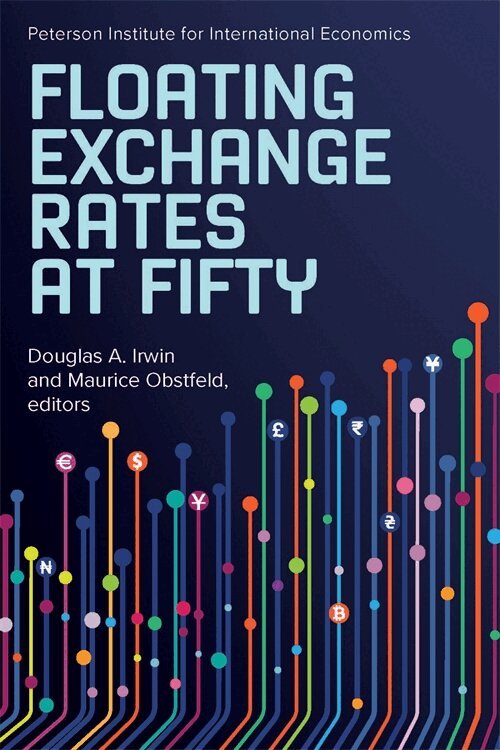
Fifty years ago, in March 1973, the major industrial economies abandoned fixed exchange rates, conclusively ending the post–World War II Bretton Woods arrangements. Proponents believed their action would strengthen countries’ ability to reconcile domestic macroeconomic policies with the balance of payments. But opponents feared it would initiate a new era of instability and financial shocks. Since 1973, much of the world has moved away from fixed exchange rates to a variety of regimes based on considerable exchange rate flexibility. But international trade conflicts and unstable capital flows, along with a rise in financial crises around the world, have nonetheless accompanied the global shift away from exchange rate pegs.How has the international monetary system performed over the past half century? What have we learned from the experience of more flexible exchange rates? What has been the impact on macroeconomic and financial stability in the years since? This book derives from papers delivered at a conference that brought together leading economists and policymakers to debate and discuss these questions, as well as to assess the evolution of the international monetary system, the dominance of the US dollar, and the role of exchange rate regimes in shaping the world economy.
818 kr
Läs direkt efter köp
825 kr
Läs direkt efter köp
1 982 kr
Skickas inom 7-10 vardagar
692 kr
Skickas inom 7-10 vardagar
667 kr
Läs direkt efter köp
1 561 kr
Skickas inom 5-8 vardagar
667 kr
Läs direkt efter köp
581 kr
Skickas inom 7-10 vardagar
629 kr
Läs direkt efter köp
1 456 kr
Skickas inom 7-10 vardagar