Douglas Aghimien – författare
2 366 kr
Skickas inom 10-15 vardagar
673 kr
Skickas inom 10-15 vardagar
1 864 kr
Skickas inom 10-15 vardagar
2 290 kr
Läs direkt efter köp
802 kr
Läs direkt efter köp
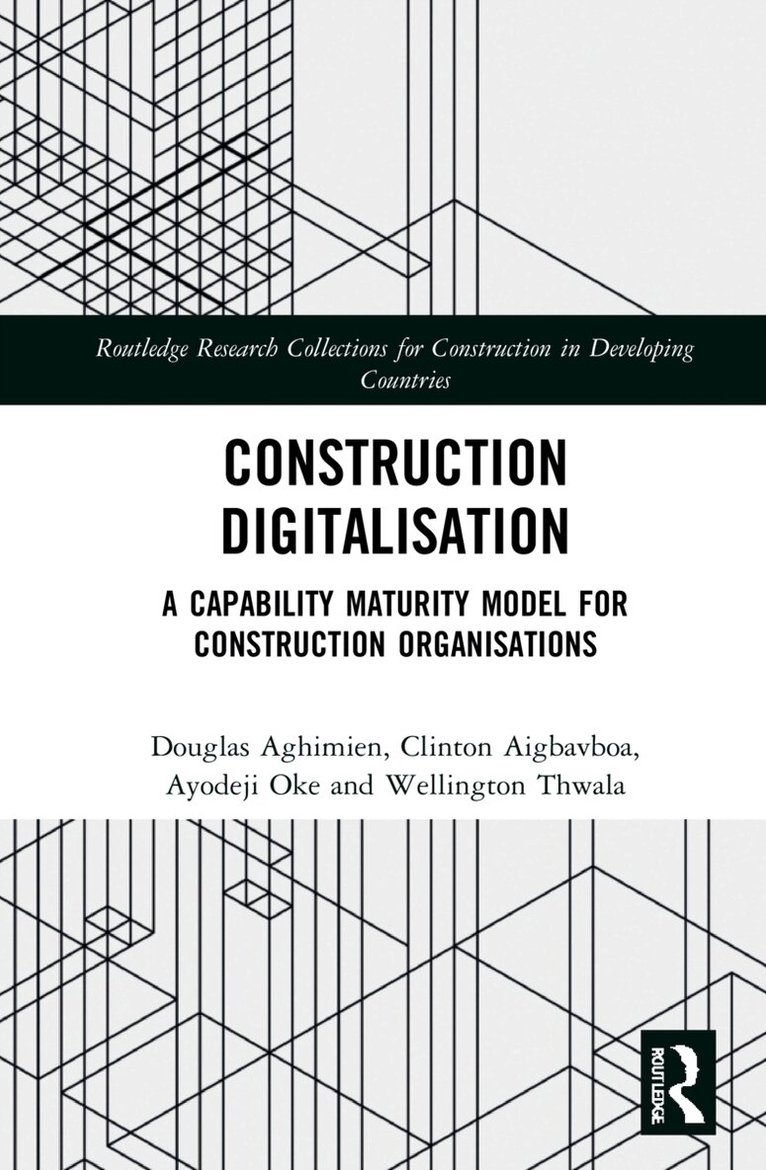
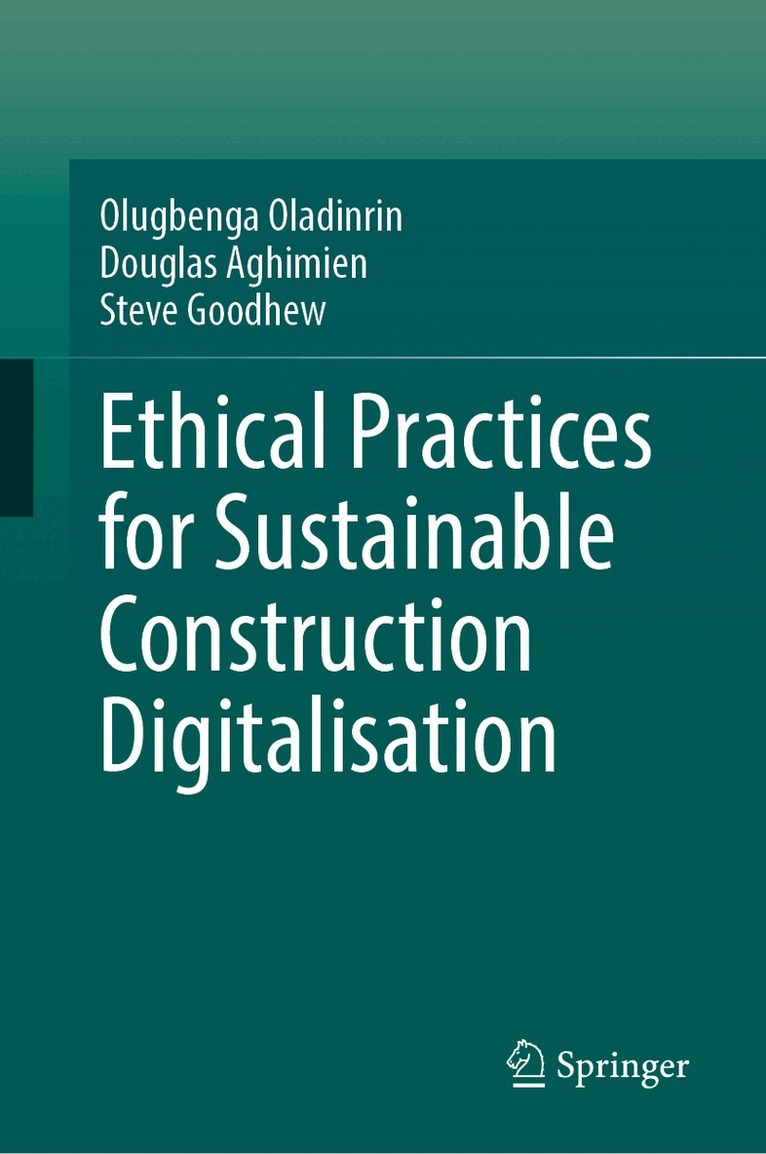
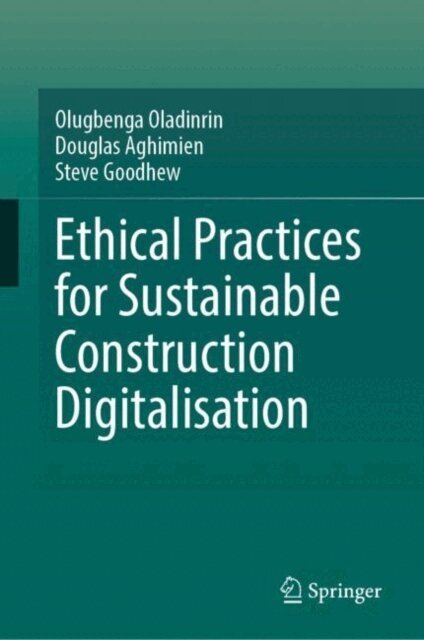
This book explores construction digitalisation, particularly in developing countries. The book conceptualises a digitalisation capability maturity model that will enable construction organisations to self-assess and benchmark their digital capabilities in their quest for digital transformation.
Digitalisation offers a significant solution to the age-long problems of the construction industry. Research shows that when construction organisations transform from a traditional service delivery approach to a more digitalised approach, significant improvement in project delivery and better competitive advantage for these organisations will be attained. The attainment of these benefits is evident in developed countries where the digitalisation of construction activities continues apace. Unfortunately, the story is not the same for construction organisations in developing economies. While some organisations might be willing to be digitally transformed, most have no clue how to go about it. To this end, this book provides guidelines for construction organisations seeking to transform their entities digitally. Its content is a valuable read for construction company owners as it provides a model which they can use in the digitalisation of their activities. Also, regulatory bodies in the construction industry can adopt the capabilities identified in the book as essential prerequisites for their members. Furthermore, the book serves as excellent theoretical background reading for management researchers seeking to expand their knowledge on the digitalisation of the construction industry and other associated industries.
802 kr
Läs direkt efter köp
This book explores construction digitalisation, particularly in developing countries. The book conceptualises a digitalisation capability maturity model that will enable construction organisations to self-assess and benchmark their digital capabilities in their quest for digital transformation.
Digitalisation offers a significant solution to the age-long problems of the construction industry. Research shows that when construction organisations transform from a traditional service delivery approach to a more digitalised approach, significant improvement in project delivery and better competitive advantage for these organisations will be attained. The attainment of these benefits is evident in developed countries where the digitalisation of construction activities continues apace. Unfortunately, the story is not the same for construction organisations in developing economies. While some organisations might be willing to be digitally transformed, most have no clue how to go about it. To this end, this book provides guidelines for construction organisations seeking to transform their entities digitally. Its content is a valuable read for construction company owners as it provides a model which they can use in the digitalisation of their activities. Also, regulatory bodies in the construction industry can adopt the capabilities identified in the book as essential prerequisites for their members. Furthermore, the book serves as excellent theoretical background reading for management researchers seeking to expand their knowledge on the digitalisation of the construction industry and other associated industries.
1 180 kr
Läs direkt efter köp
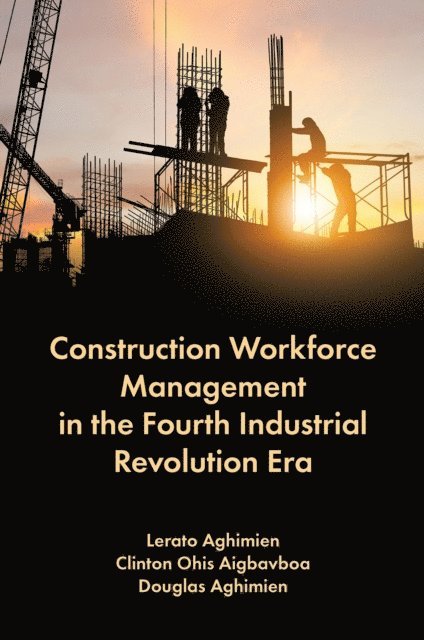
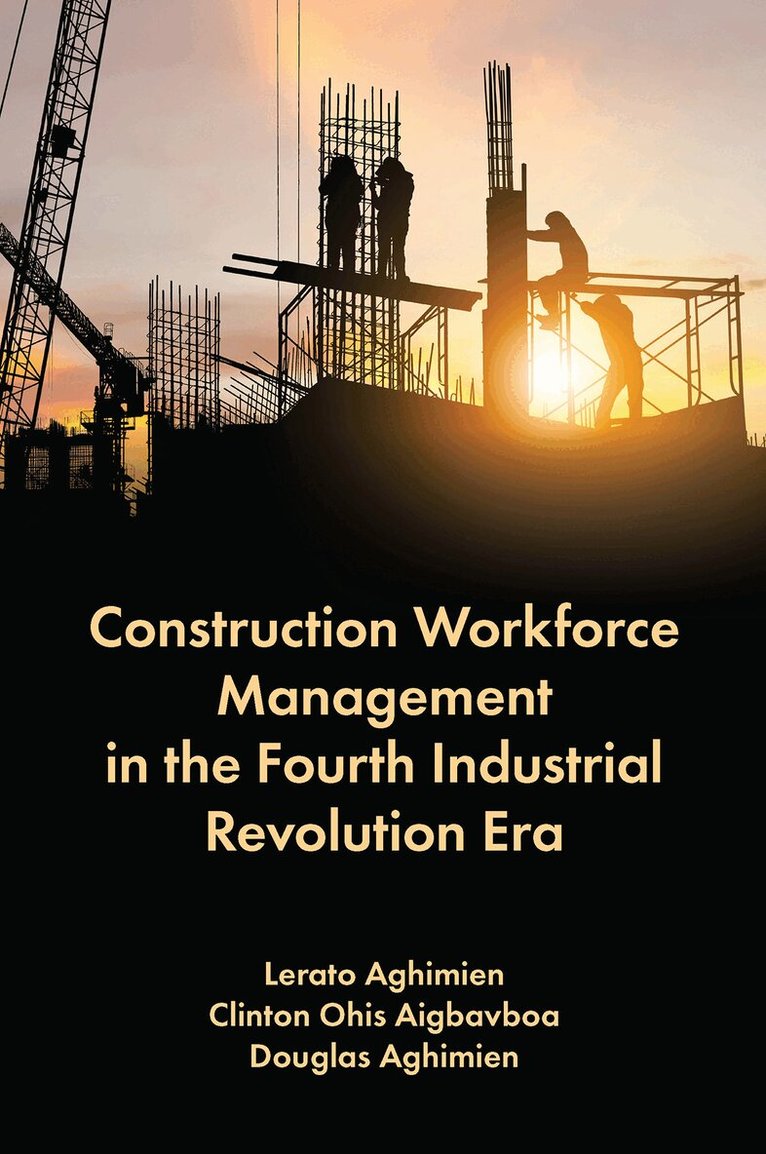
The construction industry is a huge employer all over the world, but due to the project-based nature of construction, opportunities to improve pay, conditions and use of technology are often overlooked. The lack of attention to workforce management issues in the construction industry contributes to its overall poor performance in most countries worldwide. To address this problem, it is necessary to understand the practices that need to be in place for construction organisations to be able to manage their workforce effectively.
Construction Workforce Management in the Fourth Industrial Revolution Era explores the concept of workforce management in construction and the impact of the pervasive technologies offered by the fourth industrial revolution on the effective management of the construction workforce. Through a critical review of existing related theories and models, gaps in existing workforce management studies are unearthed, and a conceptual model designed to improve the management of workers in the construction industry is proposed.
The content here benefits researchers seeking to expand the frontiers of knowledge on workforce management in construction.
1 108 kr
Skickas
1 190 kr
Läs direkt efter köp
The construction industry is a huge employer all over the world, but due to the project-based nature of construction, opportunities to improve pay, conditions and use of technology are often overlooked. The lack of attention to workforce management issues in the construction industry contributes to its overall poor performance in most countries worldwide. To address this problem, it is necessary to understand the practices that need to be in place for construction organisations to be able to manage their workforce effectively.
Construction Workforce Management in the Fourth Industrial Revolution Era explores the concept of workforce management in construction and the impact of the pervasive technologies offered by the fourth industrial revolution on the effective management of the construction workforce. Through a critical review of existing related theories and models, gaps in existing workforce management studies are unearthed, and a conceptual model designed to improve the management of workers in the construction industry is proposed.
The content here benefits researchers seeking to expand the frontiers of knowledge on workforce management in construction.
4 849 kr
Skickas inom 10-15 vardagar
6 099 kr
Läs direkt efter köp
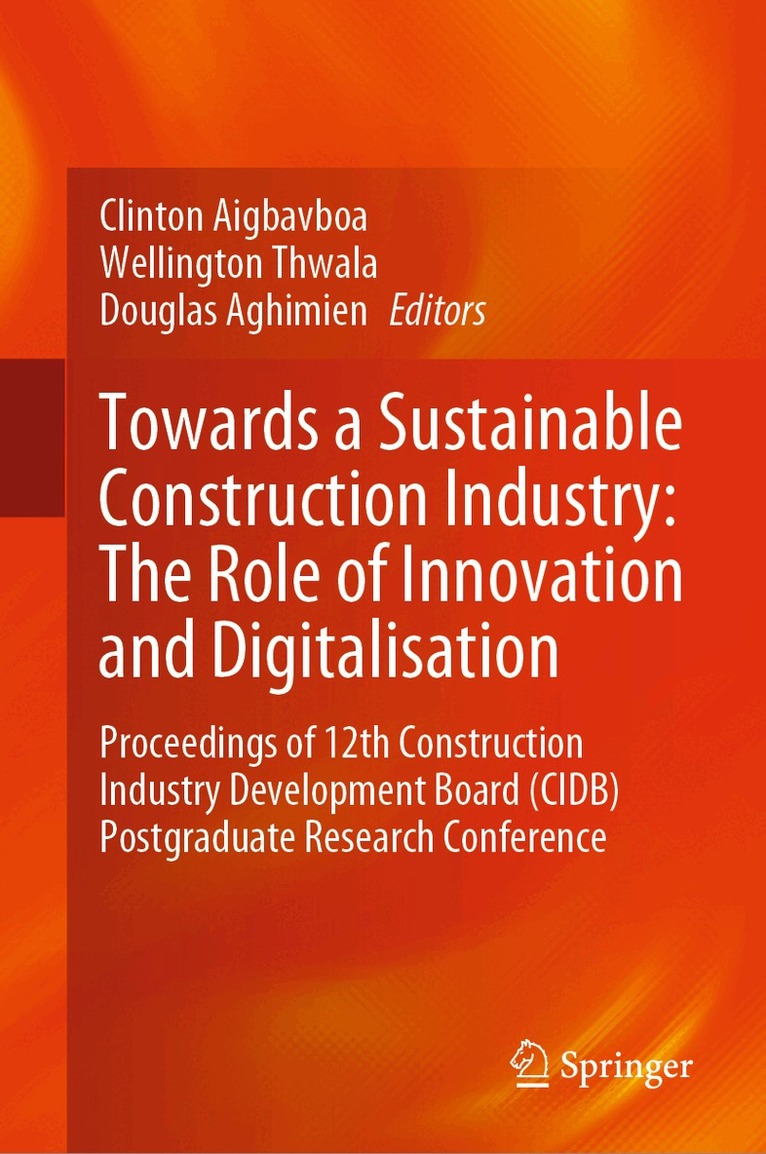
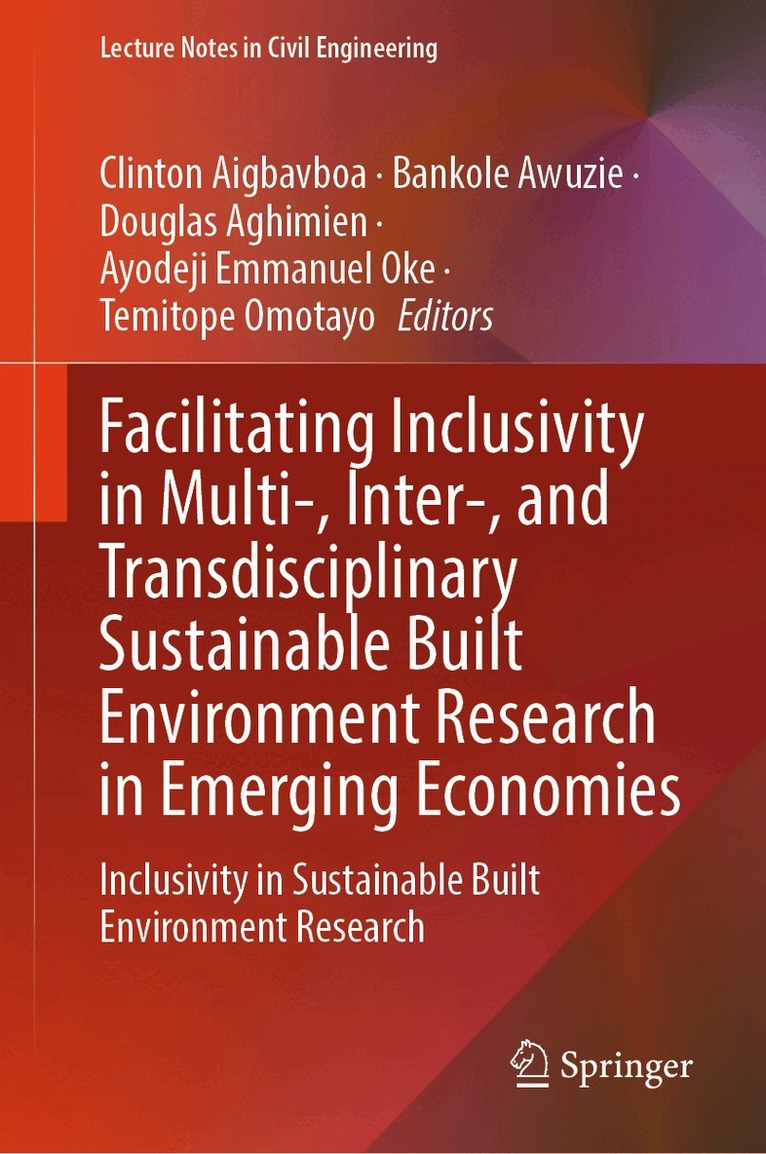
This book gathers papers from the 12th Construction Industry Development Board (CIDB) Postgraduate Research Conference, which was held at the International Convention Centre, East London, Eastern Cape, South Africa, from July 10 to 12, 2022. The conference directly addresses the objectives of SDG9: “Building resilient infrastructure, promoting inclusive and sustainable industrialization and fostering innovation”. Moreover, the conference is designed to promote capacity development and transformation within the built-environment space by providing an all-inclusive platform to established and emerging researchers to discuss the recent advancements needed to move the industry forward.
4 849 kr
Skickas inom 10-15 vardagar
1 559 kr
Skickas inom 10-15 vardagar
1 825 kr
Läs direkt efter köp
3 667 kr
Skickas inom 10-15 vardagar
3 923 kr
Läs direkt efter köp