Clinton Aigbavboa – författare
2 386 kr
Skickas inom 10-15 vardagar
673 kr
Skickas inom 10-15 vardagar
2 246 kr
Skickas inom 10-15 vardagar
889 kr
Skickas inom 10-15 vardagar
2 386 kr
Skickas inom 10-15 vardagar
679 kr
Skickas inom 10-15 vardagar
1 864 kr
Skickas inom 10-15 vardagar
2 290 kr
Läs direkt efter köp
1 570 kr
Skickas inom 10-15 vardagar
1 985 kr
Läs direkt efter köp
1 233 kr
Kommande
2 457 kr
Skickas inom 10-15 vardagar
773 kr
Läs direkt efter köp
773 kr
Läs direkt efter köp
1 053 kr
Läs direkt efter köp
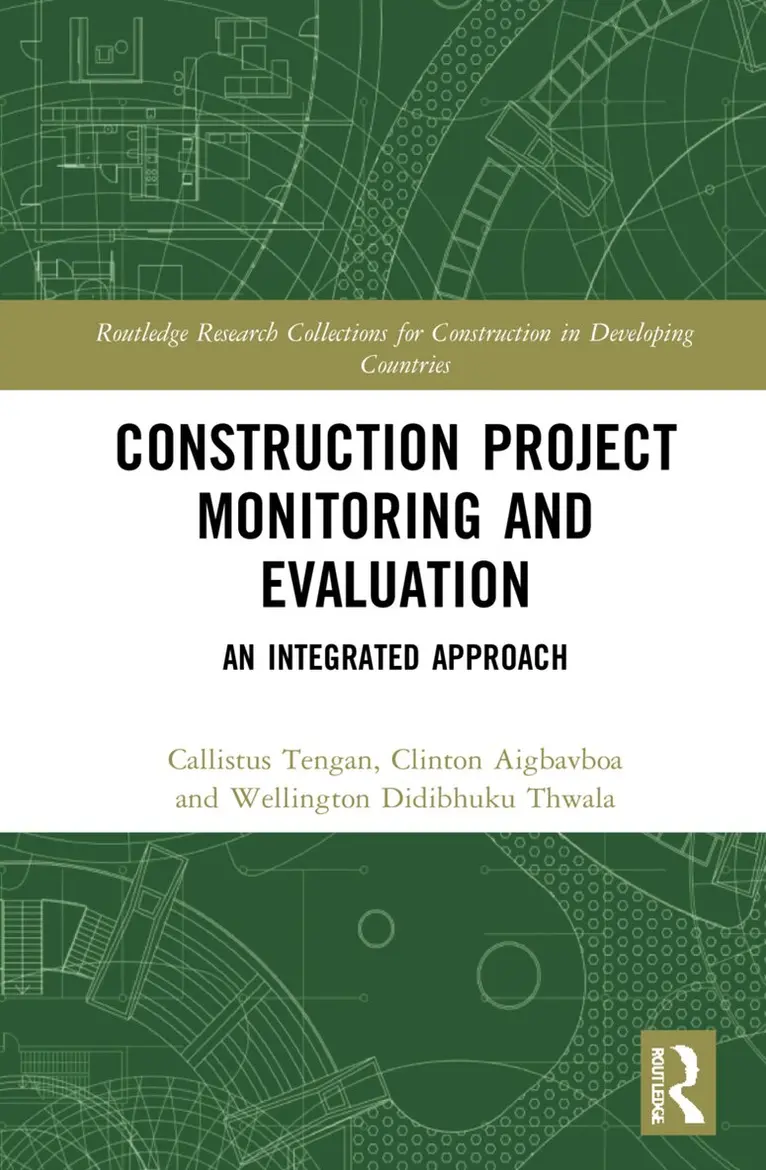
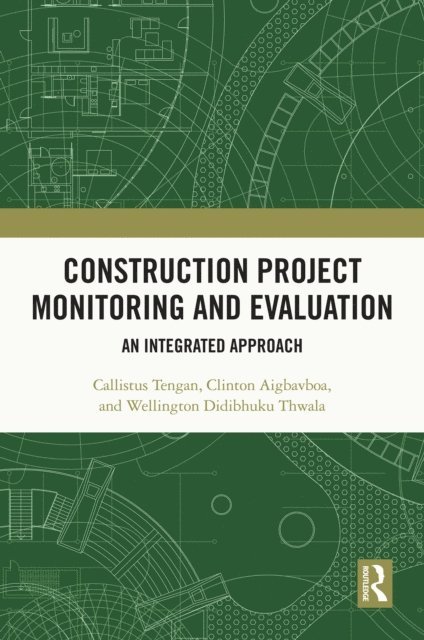
This book will provide readers with an in-depth theoretical awareness and practical guidance on the implementation of an effective monitoring and evaluation (M&E) system to ensure construction projects meet approved quality, cost, time and social sustainability objectives.
The authors discuss the drivers, challenges, determinants and benefits of effective M&E implementation together with the theories and models underpinning construction project M&E practices. Further, a comparative overview of M&E practices in developed and developing countries is presented to elucidate the best practices. The book first conceptualizes M&E as a five-factor model comprising stakeholder involvement, budgetary allocation and logistics, technical capacity and training, leadership, and communication. It then presents an M&E case study on the Ghanaian construction industry before expanding on the idea of M&E systems as an effective tool for project performance and in optimizing a project’s contribution to society and the environment.
The book further provides guidance on M&E practice for construction project managers, investors, professionals, researchers and other stakeholders and is therefore of interest to those in architecture, construction engineering, planning, project management and development studies.
1 053 kr
Läs direkt efter köp
This book will provide readers with an in-depth theoretical awareness and practical guidance on the implementation of an effective monitoring and evaluation (M&E) system to ensure construction projects meet approved quality, cost, time and social sustainability objectives.
The authors discuss the drivers, challenges, determinants and benefits of effective M&E implementation together with the theories and models underpinning construction project M&E practices. Further, a comparative overview of M&E practices in developed and developing countries is presented to elucidate the best practices. The book first conceptualizes M&E as a five-factor model comprising stakeholder involvement, budgetary allocation and logistics, technical capacity and training, leadership, and communication. It then presents an M&E case study on the Ghanaian construction industry before expanding on the idea of M&E systems as an effective tool for project performance and in optimizing a project’s contribution to society and the environment.
The book further provides guidance on M&E practice for construction project managers, investors, professionals, researchers and other stakeholders and is therefore of interest to those in architecture, construction engineering, planning, project management and development studies.
802 kr
Läs direkt efter köp
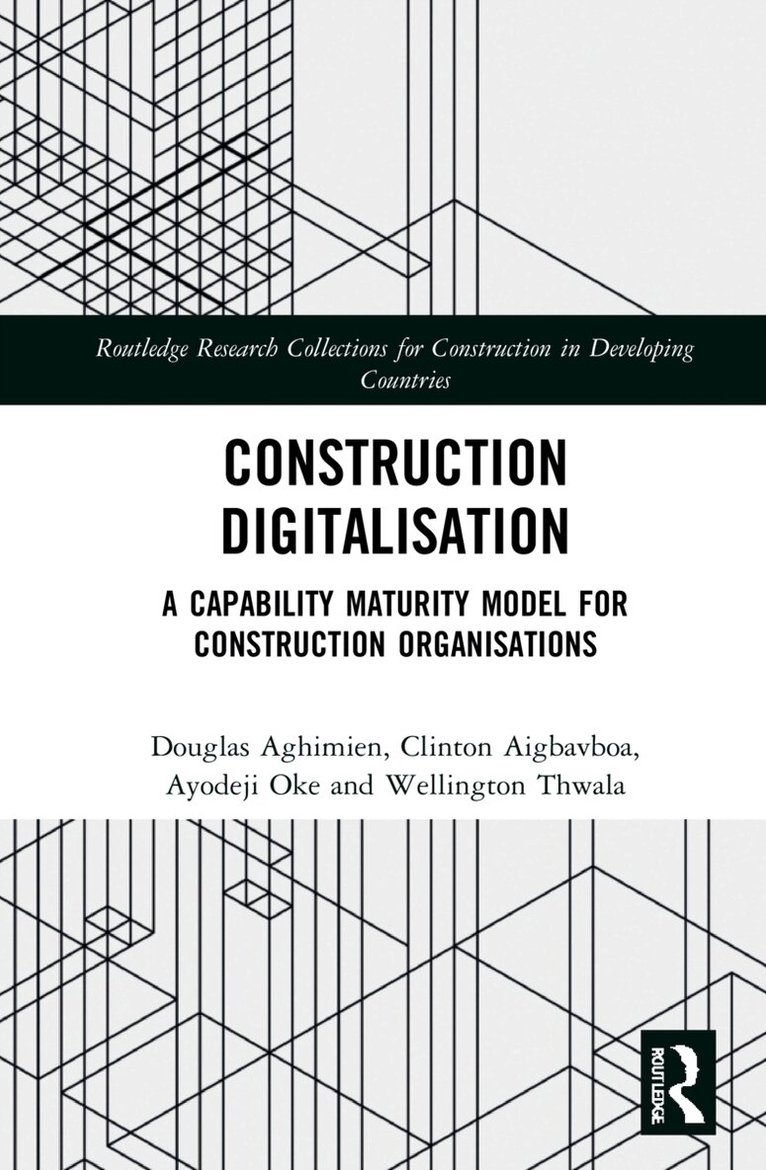
This book explores construction digitalisation, particularly in developing countries. The book conceptualises a digitalisation capability maturity model that will enable construction organisations to self-assess and benchmark their digital capabilities in their quest for digital transformation.
Digitalisation offers a significant solution to the age-long problems of the construction industry. Research shows that when construction organisations transform from a traditional service delivery approach to a more digitalised approach, significant improvement in project delivery and better competitive advantage for these organisations will be attained. The attainment of these benefits is evident in developed countries where the digitalisation of construction activities continues apace. Unfortunately, the story is not the same for construction organisations in developing economies. While some organisations might be willing to be digitally transformed, most have no clue how to go about it. To this end, this book provides guidelines for construction organisations seeking to transform their entities digitally. Its content is a valuable read for construction company owners as it provides a model which they can use in the digitalisation of their activities. Also, regulatory bodies in the construction industry can adopt the capabilities identified in the book as essential prerequisites for their members. Furthermore, the book serves as excellent theoretical background reading for management researchers seeking to expand their knowledge on the digitalisation of the construction industry and other associated industries.
802 kr
Läs direkt efter köp
This book explores construction digitalisation, particularly in developing countries. The book conceptualises a digitalisation capability maturity model that will enable construction organisations to self-assess and benchmark their digital capabilities in their quest for digital transformation.
Digitalisation offers a significant solution to the age-long problems of the construction industry. Research shows that when construction organisations transform from a traditional service delivery approach to a more digitalised approach, significant improvement in project delivery and better competitive advantage for these organisations will be attained. The attainment of these benefits is evident in developed countries where the digitalisation of construction activities continues apace. Unfortunately, the story is not the same for construction organisations in developing economies. While some organisations might be willing to be digitally transformed, most have no clue how to go about it. To this end, this book provides guidelines for construction organisations seeking to transform their entities digitally. Its content is a valuable read for construction company owners as it provides a model which they can use in the digitalisation of their activities. Also, regulatory bodies in the construction industry can adopt the capabilities identified in the book as essential prerequisites for their members. Furthermore, the book serves as excellent theoretical background reading for management researchers seeking to expand their knowledge on the digitalisation of the construction industry and other associated industries.
1 103 kr
Läs direkt efter köp
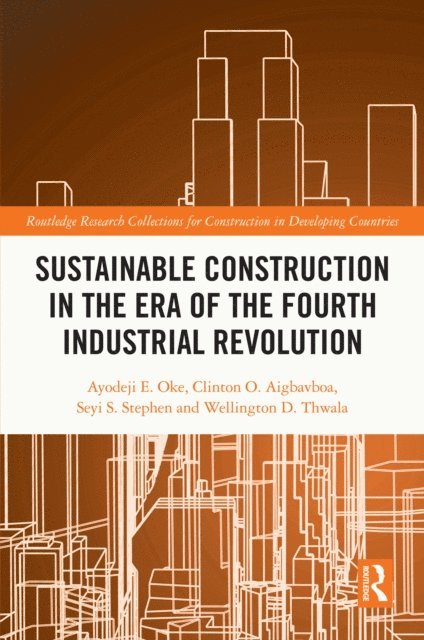
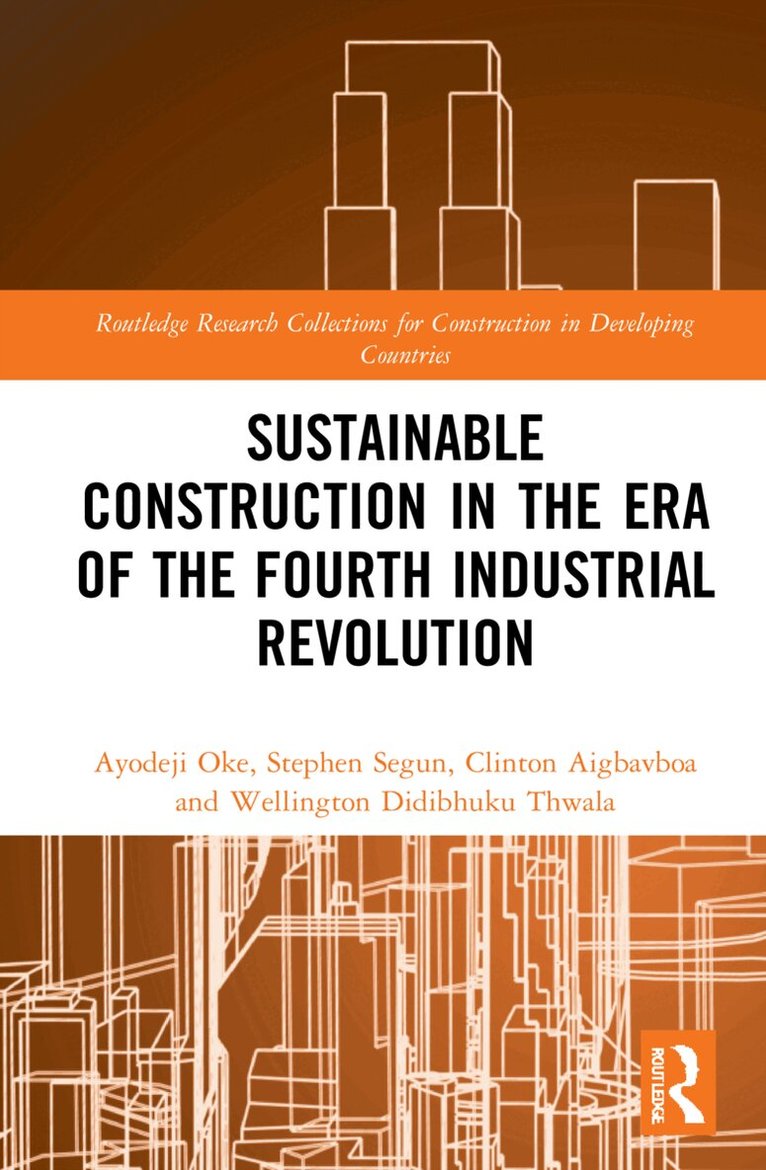
This book provides readers with an understanding of various concepts, benefits, and practices that the adoption of Fourth Industrial Revolution (4IR) technolo>gies can bring when working towards sustainable construction goals. As digitalization continues to advance rapidly, the pressures on stakeholders in the architecture, engineering, construction, and operation (AECO) industry to revamp and restructure their activities and outputs become increasingly prev>alent. This research book explains the importance of various digital tools and principles to achieve sustainable construction projects. It adopts various stand>ards and concepts to highlight how 4IR technologies could assist and accelerate construction sustainability. It is the first book to link construction management with various digital tools to enhance construction projects’ sustainability. It also provides an in-depth insight into the concept of sustainable construction 4.0 across both developing and developed countries for construction professionals, sustainability experts, researchers, educators, and other stakeholders.The book can be adopted as a research guide, framework, and reference on sustainable construction, the concept of sustainable projects, digitalization in the construction industry, and the 4IR.
1 103 kr
Läs direkt efter köp
This book provides readers with an understanding of various concepts, benefits, and practices that the adoption of Fourth Industrial Revolution (4IR) technolo>gies can bring when working towards sustainable construction goals. As digitalization continues to advance rapidly, the pressures on stakeholders in the architecture, engineering, construction, and operation (AECO) industry to revamp and restructure their activities and outputs become increasingly prev>alent. This research book explains the importance of various digital tools and principles to achieve sustainable construction projects. It adopts various stand>ards and concepts to highlight how 4IR technologies could assist and accelerate construction sustainability. It is the first book to link construction management with various digital tools to enhance construction projects’ sustainability. It also provides an in-depth insight into the concept of sustainable construction 4.0 across both developing and developed countries for construction professionals, sustainability experts, researchers, educators, and other stakeholders.The book can be adopted as a research guide, framework, and reference on sustainable construction, the concept of sustainable projects, digitalization in the construction industry, and the 4IR.
836 kr
Läs direkt efter köp
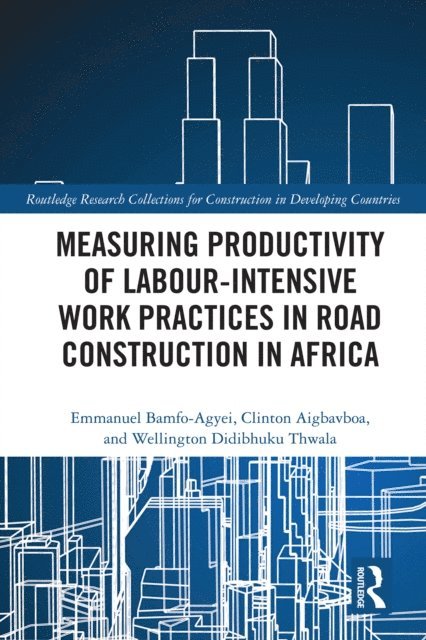
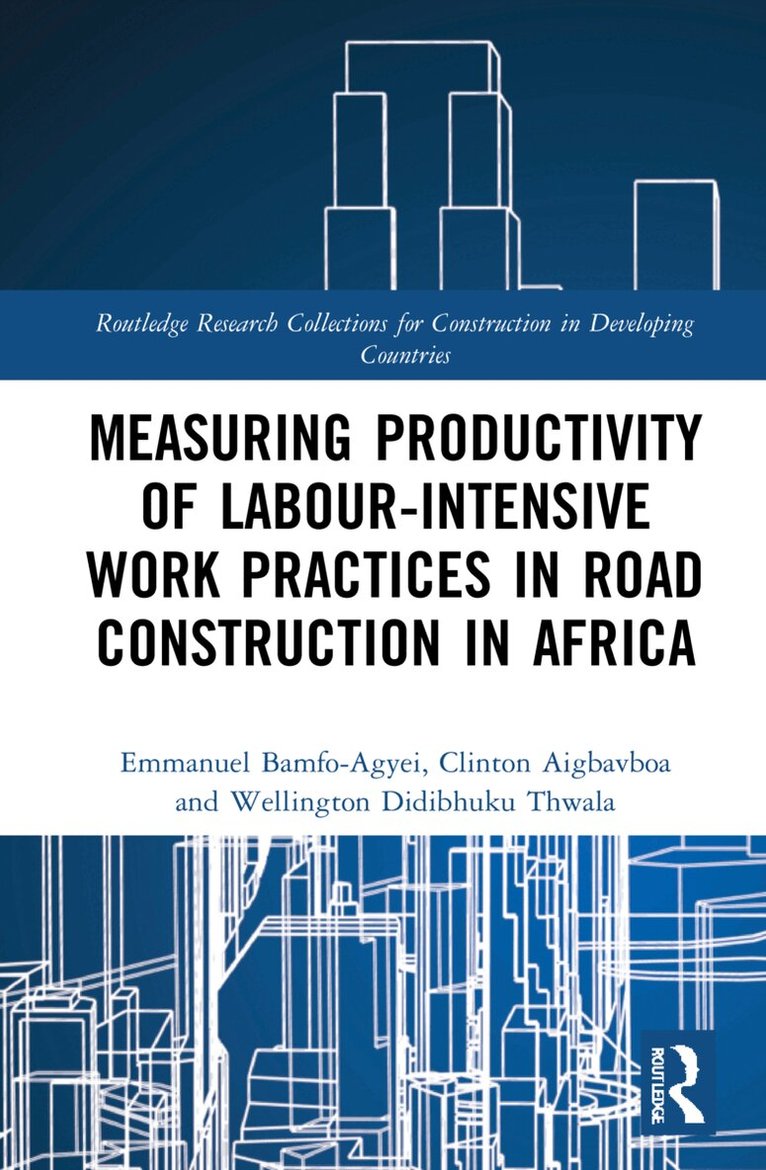
This book examines an issue of constant concern in the construction industry, that of productivity. Using data from Ghana and South Africa, it presents research into the productivity of local contractors in these countries whilst examining the predominance of labour-intensive production methods.
The book begins by considering the theoretical and conceptual perspectives on labour productivity in the construction industry in the existing literature, before reviewing current productivity measurement frameworks. The book then explores the productivity of labour-intensive public works projects in South Africa and Ghana alongside a general discussion of key factors affecting construction productivity in these countries. Whilst the focus is on road construction, the framework developed can be applied to any number of construction projects to measure, and ultimately improve productivity.
This book is useful reading for researchers and practitioners looking to understand the factors influencing labour productivity in construction at both the industry and the project level, including construction managers, quantity surveyors, cost engineers and project managers.
836 kr
Läs direkt efter köp
This book examines an issue of constant concern in the construction industry, that of productivity. Using data from Ghana and South Africa, it presents research into the productivity of local contractors in these countries whilst examining the predominance of labour-intensive production methods.
The book begins by considering the theoretical and conceptual perspectives on labour productivity in the construction industry in the existing literature, before reviewing current productivity measurement frameworks. The book then explores the productivity of labour-intensive public works projects in South Africa and Ghana alongside a general discussion of key factors affecting construction productivity in these countries. Whilst the focus is on road construction, the framework developed can be applied to any number of construction projects to measure, and ultimately improve productivity.
This book is useful reading for researchers and practitioners looking to understand the factors influencing labour productivity in construction at both the industry and the project level, including construction managers, quantity surveyors, cost engineers and project managers.
936 kr
Läs direkt efter köp
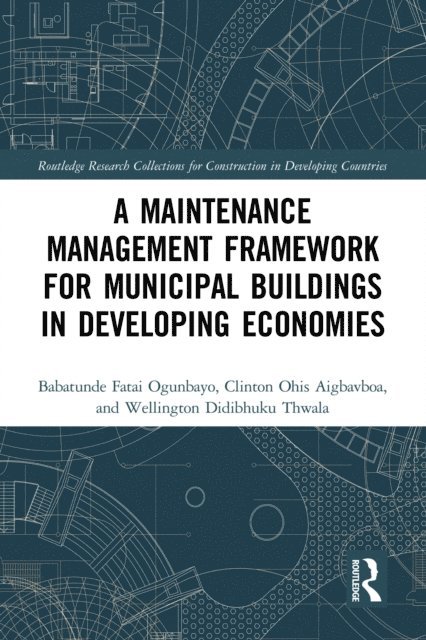
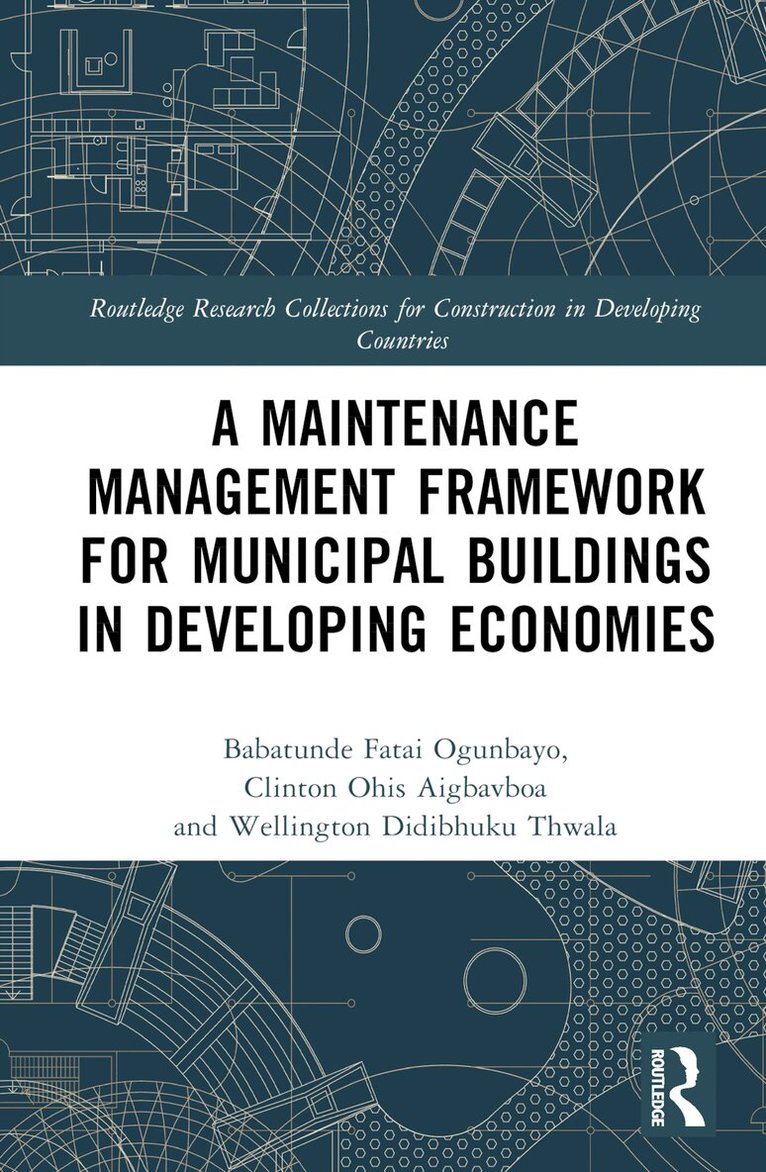
The central aim of this book is to investigate and develop frameworks to aid effective maintenance management of municipal buildings in the education sector of developing economies. Using the South African education sector as a case study, this book provides readers with two major practical insights. Firstly, it focuses on the theoretical underpinnings of maintenance management research and introduces a maintenance management model through the development of a conceptual framework. This framework aids in explaining the factors underpinning the maintenance of municipal buildings but can also be used in the assessment and management of other public buildings. Secondly, the book highlights and addresses theoretical gaps in existing studies essential for the maintenance management of buildings in developing economies, providing a stimulus for future research.
The book will be of interest to researchers in construction management, building technology, estate management, civil engineering, architecture, and urban and regional planning. It is an essential manual for policymakers in the education sector, built environment, construction industry, facility maintenance, facility management and consultants at government ministries, departments, and agencies (MDAs) charged with maintenance management of public infrastructures and assets.
936 kr
Läs direkt efter köp
The central aim of this book is to investigate and develop frameworks to aid effective maintenance management of municipal buildings in the education sector of developing economies. Using the South African education sector as a case study, this book provides readers with two major practical insights. Firstly, it focuses on the theoretical underpinnings of maintenance management research and introduces a maintenance management model through the development of a conceptual framework. This framework aids in explaining the factors underpinning the maintenance of municipal buildings but can also be used in the assessment and management of other public buildings. Secondly, the book highlights and addresses theoretical gaps in existing studies essential for the maintenance management of buildings in developing economies, providing a stimulus for future research.
The book will be of interest to researchers in construction management, building technology, estate management, civil engineering, architecture, and urban and regional planning. It is an essential manual for policymakers in the education sector, built environment, construction industry, facility maintenance, facility management and consultants at government ministries, departments, and agencies (MDAs) charged with maintenance management of public infrastructures and assets.
836 kr
Läs direkt efter köp
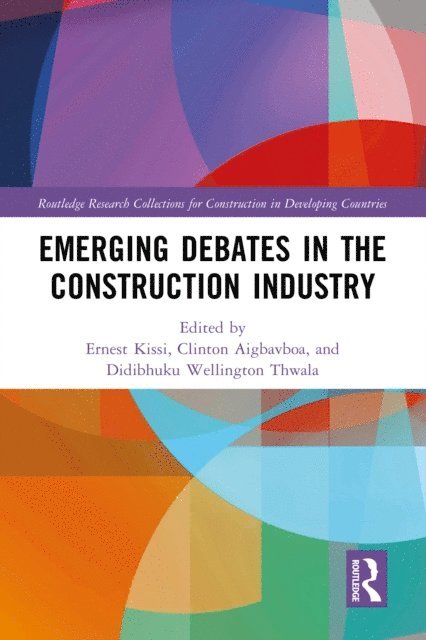
This book provides readers with an insightful understanding of the various emerging issues in the construction industry, especially in the area associated with United Nations developmental goals, 4th Industrial Revolution, Health and Safety, Sustainability, Skills and Capacity development. The need for all practitioner to understand growing issues surrounding the various evolving concepts or technologies in the construction industry remain critical to stakeholders if any meaningful gains are expected. This book explains the importance of inclusion, health and safety, skills development, collaboration, pandemics, the fourth industrial revolution, capacity building, and green finance, among others. Thus, it provides an in-depth understanding of the issues mentioned in developed and developing countries for construction professionals, researchers, educators, and other stakeholders. The book can be adopted as a research guide, framework, and reference on the emerging concepts in construction practices.
843 kr
Läs direkt efter köp
This book provides readers with an insightful understanding of the various emerging issues in the construction industry, especially in the area associated with United Nations developmental goals, 4th Industrial Revolution, Health and Safety, Sustainability, Skills and Capacity development. The need for all practitioner to understand growing issues surrounding the various evolving concepts or technologies in the construction industry remain critical to stakeholders if any meaningful gains are expected. This book explains the importance of inclusion, health and safety, skills development, collaboration, pandemics, the fourth industrial revolution, capacity building, and green finance, among others. Thus, it provides an in-depth understanding of the issues mentioned in developed and developing countries for construction professionals, researchers, educators, and other stakeholders. The book can be adopted as a research guide, framework, and reference on the emerging concepts in construction practices.
811 kr
Läs direkt efter köp
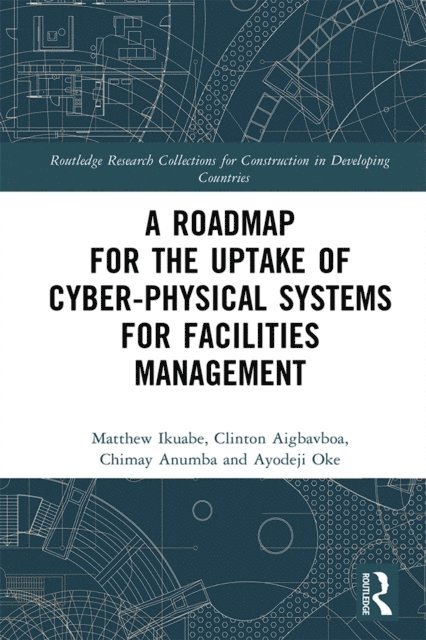
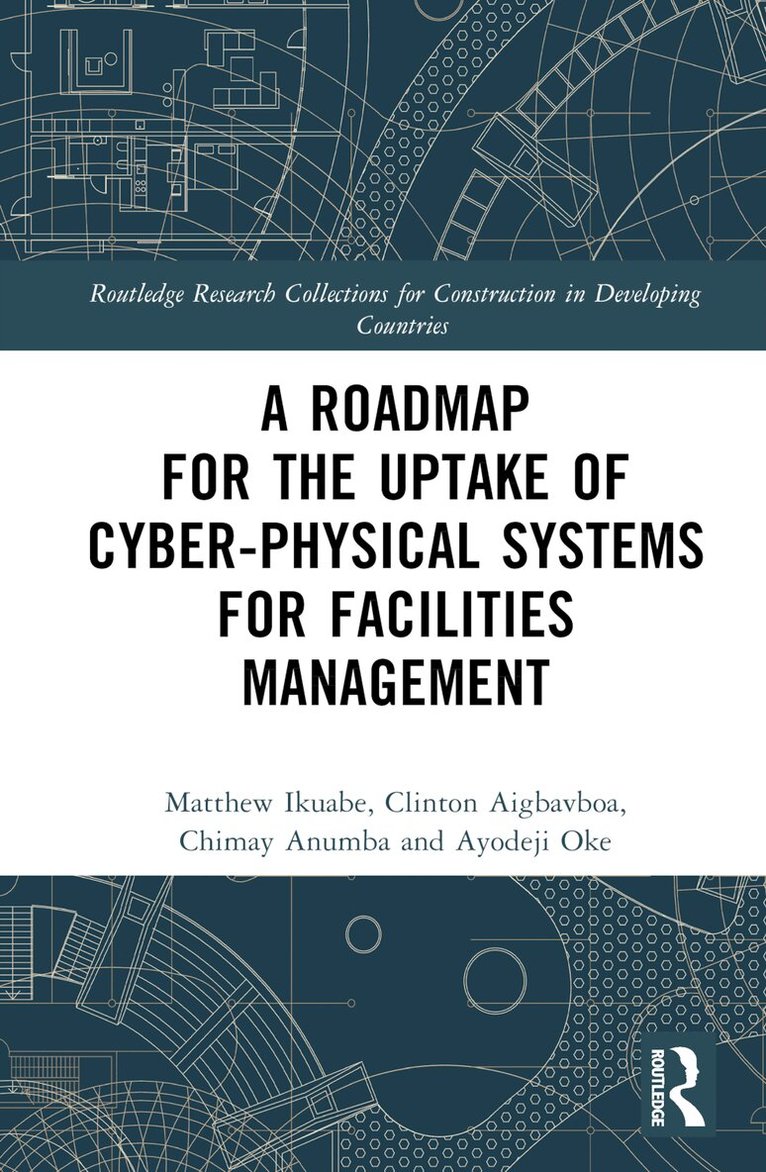
This is the first book to conceptualise and develop a roadmap for the adoption of cyber-physical systems (CPS) for facilities management (FM) in developing countries. It is argued that effective use of CPS can help to significantly improve issues such as extended processing time, poor data acquisition, ineffective coverage of facility maintenance history, and poor-quality control within the facilities management sector. Through a theoretical review of relevant technology adoption models and frameworks, A Roadmap for the Uptake of Cyber-Physical Systems for Facilities Management provides a clear insight into the required parameters for integrating CPS into facilities management.
The book will be beneficial to relevant stakeholders who face the responsibility of facilities and construction management as it contributes to the growing demand for the adoption of digital technologies in the delivery and management of built infrastructure. Furthermore, it serves as a solid theoretical base for researchers and academics in the quest to expand the existing borderline on construction digitalisation, especially in the post-occupancy stage.
811 kr
Läs direkt efter köp
This is the first book to conceptualise and develop a roadmap for the adoption of cyber-physical systems (CPS) for facilities management (FM) in developing countries. It is argued that effective use of CPS can help to significantly improve issues such as extended processing time, poor data acquisition, ineffective coverage of facility maintenance history, and poor-quality control within the facilities management sector. Through a theoretical review of relevant technology adoption models and frameworks, A Roadmap for the Uptake of Cyber-Physical Systems for Facilities Management provides a clear insight into the required parameters for integrating CPS into facilities management.
The book will be beneficial to relevant stakeholders who face the responsibility of facilities and construction management as it contributes to the growing demand for the adoption of digital technologies in the delivery and management of built infrastructure. Furthermore, it serves as a solid theoretical base for researchers and academics in the quest to expand the existing borderline on construction digitalisation, especially in the post-occupancy stage.
1 053 kr
Läs direkt efter köp
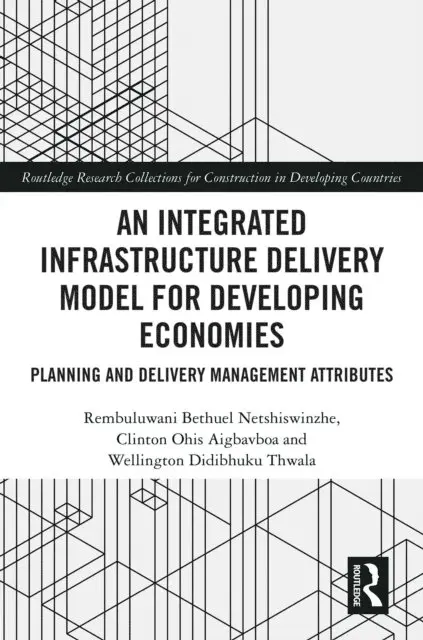
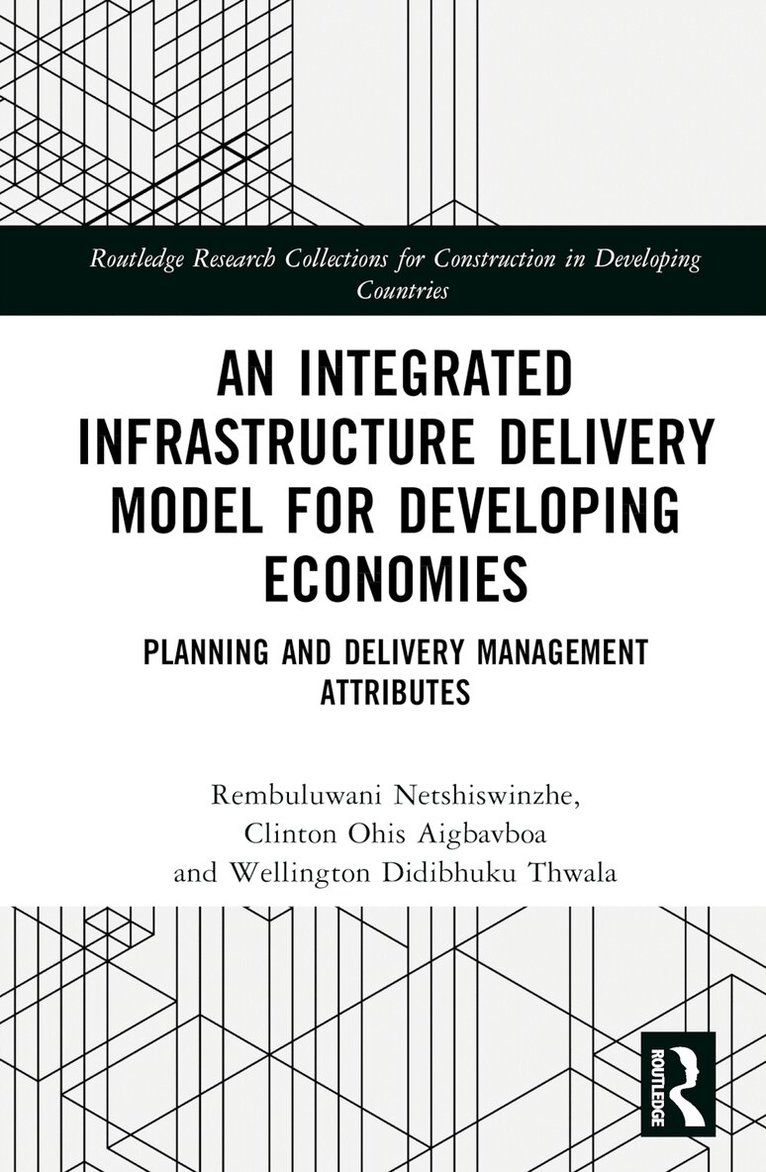
This book explores the attributes of an integrated model for infrastructure delivery as a means to achieve high impact investing, sustainable growth and development in a developing economy.
An Integrated Infrastructure Delivery Model for Developing Economies: Planning and Delivery Management Attributes is premised on the understanding that one of the most significant barriers to efficient and effective infrastructure delivery is the nature and extent of fragmentation in the ways in which infrastructure projects are planned, designed, and delivered. Using a Delphi method, the research presented in this book examines the infrastructure delivery models and practices that have been employed in South Africa and other developing countries, and in doing so presents eight attributes for integrated infrastructure delivery. These are: (i) developing a common vision for the community, (ii) stakeholder participation, (iii) integrated project development and scoping, (iv) access to planning information, (v) cross-sectoral planning, (vi) integrated infrastructure master plans, (vii) statutory and regulatory compliance and (viii) integrated contractual frameworks. The book presents a practical model that can serve as a guide and a manual for project planning and development to achieve integrated infrastructure delivery in developing economies. The proposed model should serve as a framework to inform future planning and programming of infrastructure projects within the public sector space. Furthermore, the application of the model will help resolve the problems of fragmentation and lack of coordination in how infrastructure projects are planned and implemented.
This book will be beneficial to infrastructure practitioners, policymakers, researchers and academics who pursue best practice models to improve the delivery and management of infrastructure.
1 053 kr
Läs direkt efter köp
This book explores the attributes of an integrated model for infrastructure delivery as a means to achieve high impact investing, sustainable growth and development in a developing economy.
An Integrated Infrastructure Delivery Model for Developing Economies: Planning and Delivery Management Attributes is premised on the understanding that one of the most significant barriers to efficient and effective infrastructure delivery is the nature and extent of fragmentation in the ways in which infrastructure projects are planned, designed, and delivered. Using a Delphi method, the research presented in this book examines the infrastructure delivery models and practices that have been employed in South Africa and other developing countries, and in doing so presents eight attributes for integrated infrastructure delivery. These are: (i) developing a common vision for the community, (ii) stakeholder participation, (iii) integrated project development and scoping, (iv) access to planning information, (v) cross-sectoral planning, (vi) integrated infrastructure master plans, (vii) statutory and regulatory compliance and (viii) integrated contractual frameworks. The book presents a practical model that can serve as a guide and a manual for project planning and development to achieve integrated infrastructure delivery in developing economies. The proposed model should serve as a framework to inform future planning and programming of infrastructure projects within the public sector space. Furthermore, the application of the model will help resolve the problems of fragmentation and lack of coordination in how infrastructure projects are planned and implemented.
This book will be beneficial to infrastructure practitioners, policymakers, researchers and academics who pursue best practice models to improve the delivery and management of infrastructure.