Chimay J. Anumba – författare
1 662 kr
Skickas inom 5-8 vardagar
1 694 kr
Läs direkt efter köp
This book brings together 13 contributors from research and industry to show how managing construction knowledge can bring real benefits to organisations and projects. It covers a wide range of issues, from basic definitions and fundamental concepts, to the role of information technology, and engendering a knowledge sharing culture. Practical examples from construction and other industry sectors are used throughout to illustrate the various dimensions of knowledge management. The challenges of implementing knowledge management are outlined and the ensuing benefits highlighted.
811 kr
Läs direkt efter köp
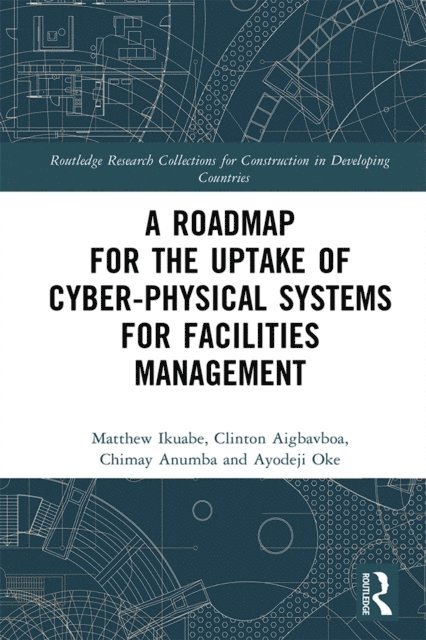
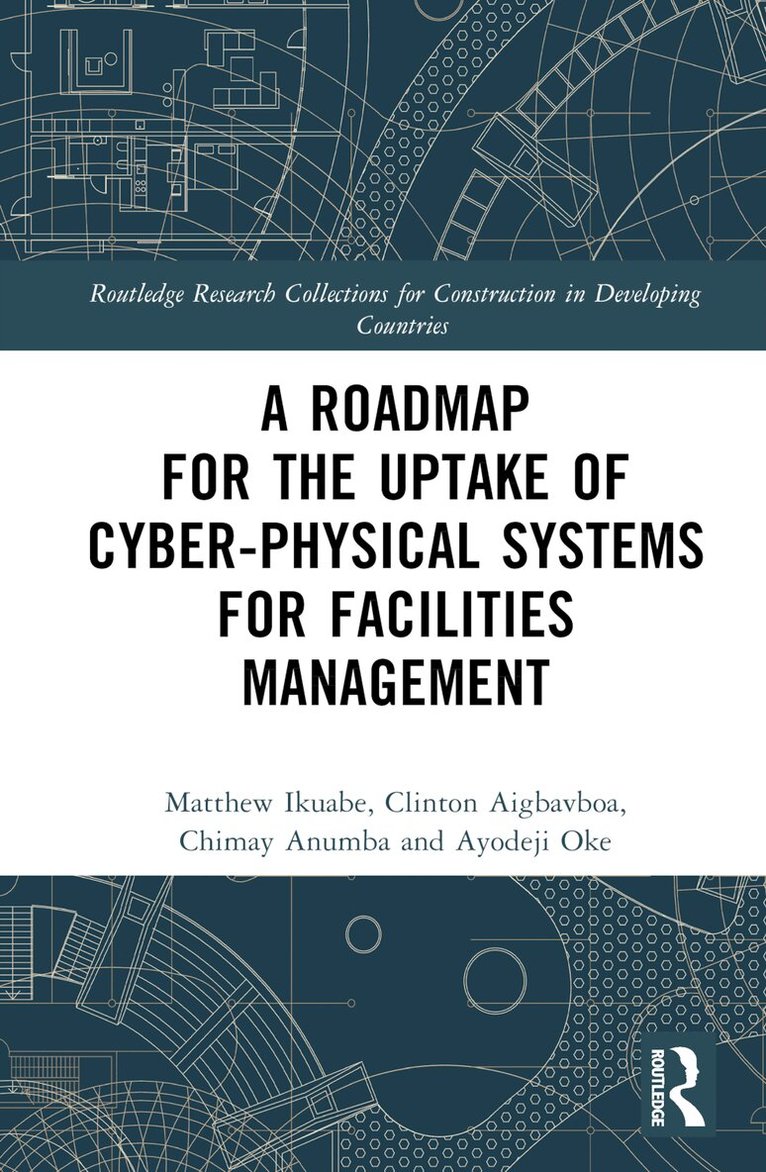
This is the first book to conceptualise and develop a roadmap for the adoption of cyber-physical systems (CPS) for facilities management (FM) in developing countries. It is argued that effective use of CPS can help to significantly improve issues such as extended processing time, poor data acquisition, ineffective coverage of facility maintenance history, and poor-quality control within the facilities management sector. Through a theoretical review of relevant technology adoption models and frameworks, A Roadmap for the Uptake of Cyber-Physical Systems for Facilities Management provides a clear insight into the required parameters for integrating CPS into facilities management.
The book will be beneficial to relevant stakeholders who face the responsibility of facilities and construction management as it contributes to the growing demand for the adoption of digital technologies in the delivery and management of built infrastructure. Furthermore, it serves as a solid theoretical base for researchers and academics in the quest to expand the existing borderline on construction digitalisation, especially in the post-occupancy stage.
811 kr
Läs direkt efter köp
This is the first book to conceptualise and develop a roadmap for the adoption of cyber-physical systems (CPS) for facilities management (FM) in developing countries. It is argued that effective use of CPS can help to significantly improve issues such as extended processing time, poor data acquisition, ineffective coverage of facility maintenance history, and poor-quality control within the facilities management sector. Through a theoretical review of relevant technology adoption models and frameworks, A Roadmap for the Uptake of Cyber-Physical Systems for Facilities Management provides a clear insight into the required parameters for integrating CPS into facilities management.
The book will be beneficial to relevant stakeholders who face the responsibility of facilities and construction management as it contributes to the growing demand for the adoption of digital technologies in the delivery and management of built infrastructure. Furthermore, it serves as a solid theoretical base for researchers and academics in the quest to expand the existing borderline on construction digitalisation, especially in the post-occupancy stage.
2 505 kr
Skickas inom 10-15 vardagar
742 kr
Skickas inom 10-15 vardagar
2 924 kr
Läs direkt efter köp
The primary aim of this edited volume is to document the current theories, best practices, and technological advancements in the move towards a Smart Built Environment (SBE). The needs to accelerate towards the SBE are numerous and include:
Increasing complexities and the need for interconnectivity within the built environment (e.g. mega infrastructure projects) Data-driven decision-making resulting in higher demand from clients (e.g. smart design, construction, operation, and end of life [EOL]) High requirements from stakeholders (e.g. system efficiency, environmental performance, green procurement) Fast paced technological advancement and integration Natural disaster resilience of the built environment (e.g. prediction, smart control of building component) Sustainability issues around the built environmentIn this book, the interrelationships among the various lifecycle stages: design, construction, operation, and EOL; the collective benefit of synergy at building level, multi-infrastructure level, and city-level, as well as the ultimate goals in relation to the deployment of smart technologies in the industry are addressed. Part I covers smart design and construction, Part II smart living, and operation, and Part III broadens the scope to the whole smart city. Chapters examine:
How smart technologies can improve the effectiveness, productivity, and efficiency of the built environment An overview of theories and practices that are enabled by innovations and technologies for developing the SBE The basis for new research agenda, new concepts, and frameworks for future developmentThis handbook documents the current theories, practices, and technologies and develops a holistic approach for research and practice by adopting a multidimensional outlook for the SBE. It is an essential reference work for all built environment stakeholders, from academia through to the professions.
2 924 kr
Läs direkt efter köp
The primary aim of this edited volume is to document the current theories, best practices, and technological advancements in the move towards a Smart Built Environment (SBE). The needs to accelerate towards the SBE are numerous and include:
Increasing complexities and the need for interconnectivity within the built environment (e.g. mega infrastructure projects) Data-driven decision-making resulting in higher demand from clients (e.g. smart design, construction, operation, and end of life [EOL]) High requirements from stakeholders (e.g. system efficiency, environmental performance, green procurement) Fast paced technological advancement and integration Natural disaster resilience of the built environment (e.g. prediction, smart control of building component) Sustainability issues around the built environmentIn this book, the interrelationships among the various lifecycle stages: design, construction, operation, and EOL; the collective benefit of synergy at building level, multi-infrastructure level, and city-level, as well as the ultimate goals in relation to the deployment of smart technologies in the industry are addressed. Part I covers smart design and construction, Part II smart living, and operation, and Part III broadens the scope to the whole smart city. Chapters examine:
How smart technologies can improve the effectiveness, productivity, and efficiency of the built environment An overview of theories and practices that are enabled by innovations and technologies for developing the SBE The basis for new research agenda, new concepts, and frameworks for future developmentThis handbook documents the current theories, practices, and technologies and develops a holistic approach for research and practice by adopting a multidimensional outlook for the SBE. It is an essential reference work for all built environment stakeholders, from academia through to the professions.
1 877 kr
Läs direkt efter köp
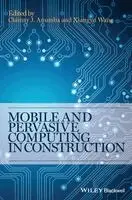
This book offers a comprehensive reference volume to the use of mobile and pervasive computing in construction. Based on contributions from a mix of leading researchers and experts from academia and industry, it provides up-to-date insights into current research topics in this field as well as the latest technological advancements and practical examples. The chapters introduce the key theoretical concepts in mobile and pervasive computing and highlight the applications and solutions which are available to the construction industry. More specifically, the book focuses on the manner in which these technologies can be applied to improve practices in construction and related industries.
This book will be of particular interest to academics, researchers, and graduate students at universities and industrial practitioners seeking to apply mobile and pervasive computing systems to improve construction industry productivity.
1 894 kr
Läs direkt efter köp
This book offers a comprehensive reference volume to the use of mobile and pervasive computing in construction. Based on contributions from a mix of leading researchers and experts from academia and industry, it provides up-to-date insights into current research topics in this field as well as the latest technological advancements and practical examples. The chapters introduce the key theoretical concepts in mobile and pervasive computing and highlight the applications and solutions which are available to the construction industry. More specifically, the book focuses on the manner in which these technologies can be applied to improve practices in construction and related industries.
This book will be of particular interest to academics, researchers, and graduate students at universities and industrial practitioners seeking to apply mobile and pervasive computing systems to improve construction industry productivity.
1 457 kr
Skickas inom 5-8 vardagar
1 351 kr
Skickas inom 5-8 vardagar
1 474 kr
Skickas inom 5-8 vardagar
1 816 kr
Läs direkt efter köp
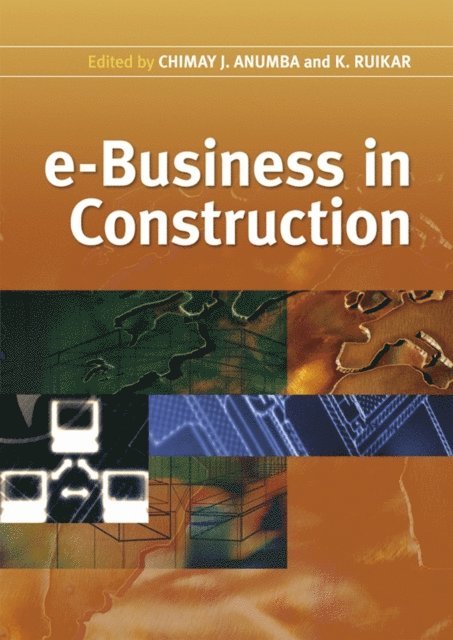
By bringing together 16 contributions from research and industry covering theory, technological issues, practical implementation and legal matters, and illustrated with a number of case studies, e-Business in Construction fills that gap. Starting with the theoretical aspects of e-commerce and moving on to consider the specifics of the construction context, it includes a mechanism for the assessment of the e-readiness of construction sector organisations. The middle part of the book focuses on the role of various technologies in e-business, with examples included as appropriate. This is followed by a discussion of practical, legal and trust issues. The potential of next generation of information and communication technologies is also addressed.
With a fine blend of theoretical and practical aspects of e-commerce in construction, and well illustrated with a number of industrial case studies, e-Business in Construction will find an appreciative audience of construction practitioners, researchers and students at all levels.
1 664 kr
Läs direkt efter köp
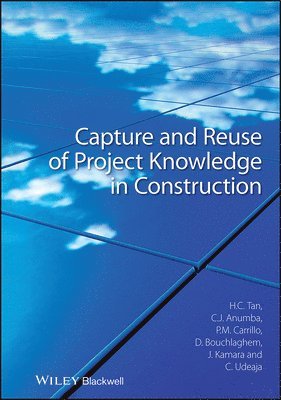
An organisation’s competitive advantage lies in the knowledge of its employees and the organisation’s ability to harness that knowledge to meet business objectives. Knowledge management is recognised in the construction industry as a potential tool for providing organisational benefits, but for a number of reasons – particularly the project based nature of construction, where teams are transient, multidisciplinary and often from different organisations – implementation has been only marginally successful.
Capture and Reuse of Project Knowledge in Construction describes a methodology for the ‘live’ capture of reusable project knowledge that reflects both the organisational and human dimensions of knowledge capture and reuse, as well as exploiting the benefits of technology. This methodology was developed in response to the shortcomings of current practices in managing project knowledge, the benefits offered by capturing and sharing knowledge immediately after it is generated, and the organisational benefit of reusing knowledge within a project based environment.
Written for all practitioners in project-based industries who have struggled with the capture and reuse of knowledge on their projects, it will also be of interest to students and researchers in construction management and allied disciplines.
1 480 kr
Läs direkt efter köp
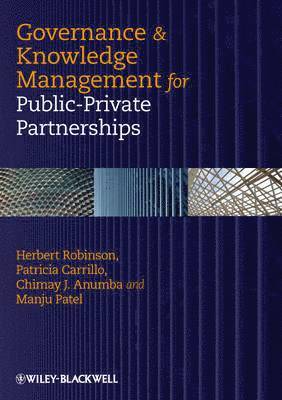
I have no doubt that, in undertaking the programmes and projects that I am responsible for delivering and in undertaking OGC Gateway Reviews, to support clients delivering their own programmes and projects, I will draw on the material contained in this book." —From the Foreword by Rob Smith, Director of Gateway Reviews and Estates & Facilities, Department of Health
There is a growing demand worldwide for transport, healthcare, education, energy and water infrastructure. However, government resources are often insufficient to meet the needs of new projects and to upgrade existing infrastructure. Private participation in public infrastructure is therefore increasing but the respective roles of the public and private sectors are the subject of intense debate. This has led to renewed interest in public-private partnerships in developed and developing countries.
Governance and Knowledge Management for Public-Private Partnerships shows how effective governance and knowledge management can improve the performance of PFI/PPP projects. It provides an in-depth understanding of different dimensions of governance and how they affect project management structure, processes, and decision-making ability of actors and teams involved in PFI/PPP projects. The role of knowledge management strategy, the need for benchmarking knowledge management efforts, specific tools and methodologies for capturing, sharing and applying knowledge to accelerate learning and capacity building are also examined.
The book is essential reading for all those involved in PFI/PPP projects, including policy makers, industry practitioners, academics and students. The practical tools for governance and knowledge management it offers make this book particularly useful for consultants, contractors and client organisations.
4 795 kr
Skickas inom 5-8 vardagar
825 kr
Läs direkt efter köp
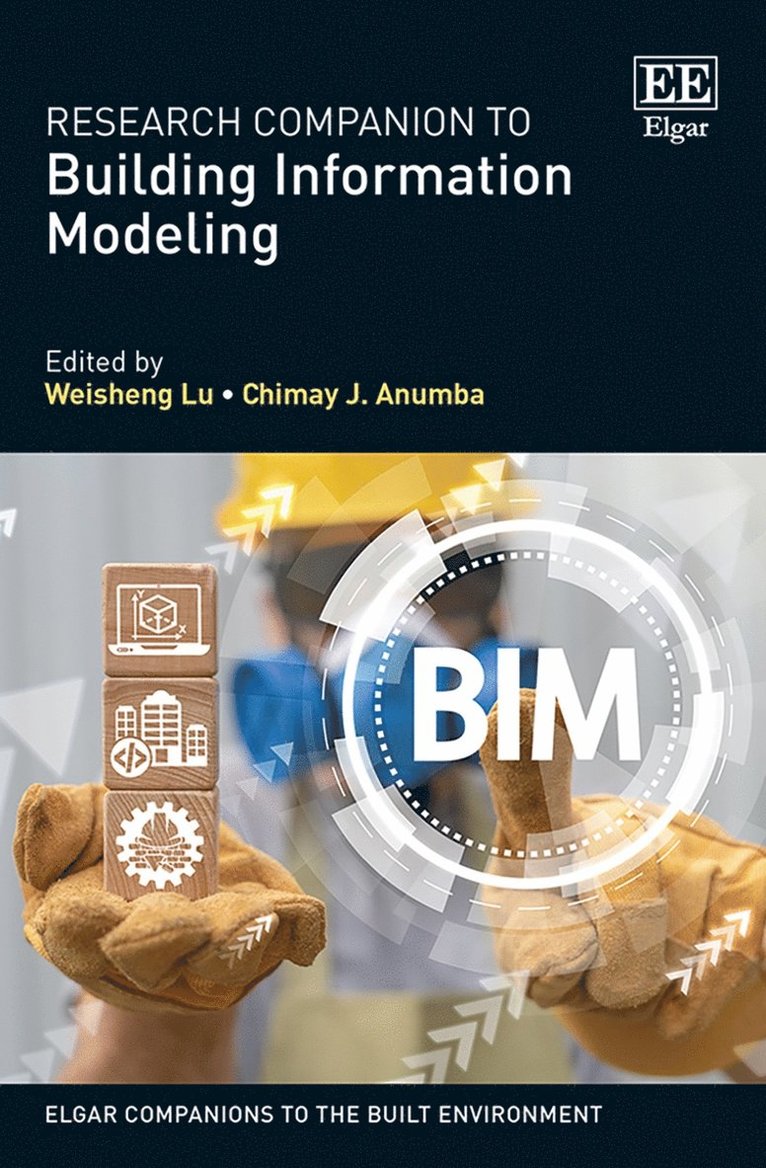
Accessible and thorough, the chapters explore the theory behind and facilitators of BIM, covering knowledge management around BIM, the development of ontologies and language in the area, holistic implementations, and BIM ecosystems. The book further discusses the technological developments of BIM, including scan-to-BIM, 3D digital reconstruction and AI and robotics techniques. Critical analysis of BIM-enabled construction and engineering management innovations are also examined, highlighting prospects and challenges in the area.
This will be a critical read for engineering, construction management and architecture students looking for a comprehensive study of BIM. It will also be beneficial to practitioners working in the Architecture, Engineering, Construction, Owner & Operation (AECOO) industry wanting a better understanding of the benefits and future developments of BIM.
1 115 kr
Skickas inom 10-15 vardagar
1 261 kr
Läs direkt efter köp
This book introduces researchers and practitioners to Cyber-Physical Systems (CPS) and its applications in the built environment. It begins with a fundamental introduction to CPS technology and associated concepts.It then presents numerous examples of applications from managing construction projects to smart transportation systems and smart cities. It concludes with a discussion of future directions for CPS deployment in the construction, operation and maintenance of constructed facilities. Featuring internationally recognized experts as contributors, Cyber-Physical Systems in the Built Environment, is an ideal resource for engineers, construction managers, architects, facilities managers, and planners working on a range of building and civil infrastructure projects.
1 005 kr
Skickas inom 10-15 vardagar