Douglas B. Larkin - Böcker
Visar alla böcker från författaren Douglas B. Larkin. Handla med fri frakt och snabb leverans.
5 produkter
5 produkter
370 kr
Skickas inom 11-20 vardagar
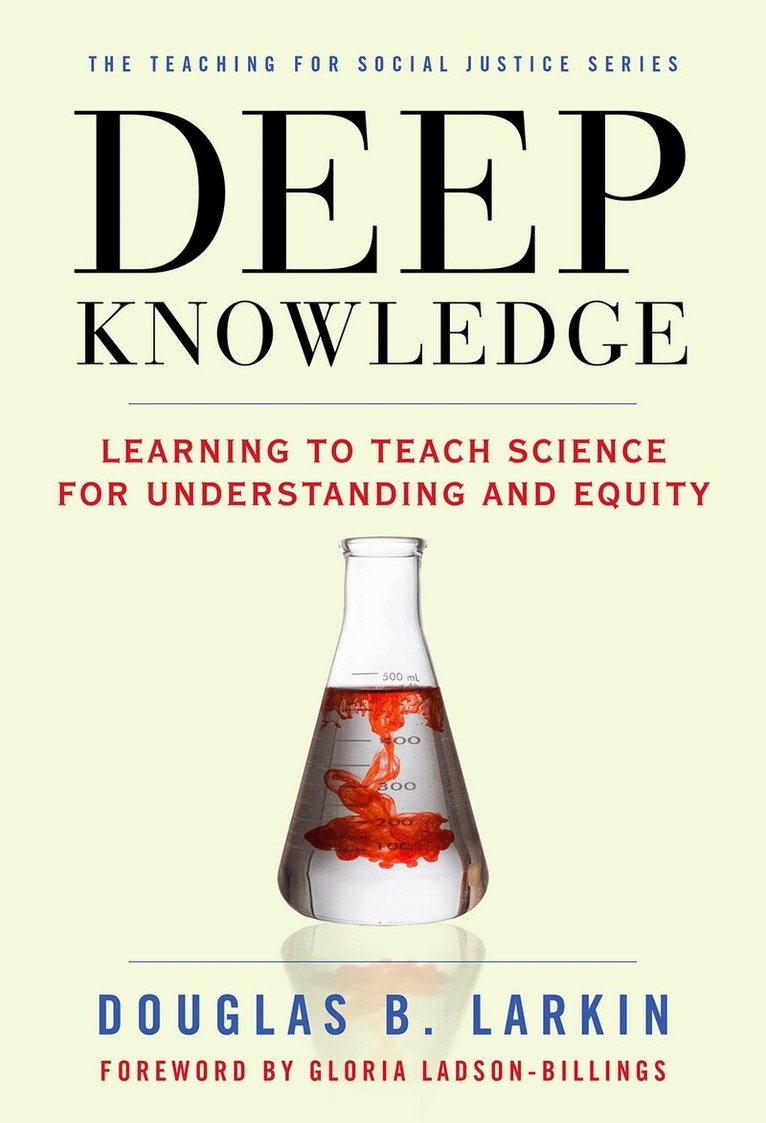
Deep Knowledge is a book about how people's ideas change as they learn to teach. Using the experiences of six middle and high school student teachers as they learn to teach science in diverse classrooms, Larkin explores how their work changes the way they think about students, society, schools, and science itself. Through engaging case stories, Deep Knowledge challenges some commonly held assumptions about learning to teach and tackles problems inherent in many teacher education programs. This book digs deep into the details of teacher learning in a way seldom attempted in teacher education textbooks.
733 kr
Skickas inom 11-20 vardagar
Deep Knowledge is a book about how people's ideas change as they learn to teach. Using the experiences of six middle and high school student teachers as they learn to teach science in diverse classrooms, Larkin explores how their work changes the way they think about students, society, schools, and science itself. Through engaging case stories, Deep Knowledge challenges some commonly held assumptions about learning to teach and tackles problems inherent in many teacher education programs. This book digs deep into the details of teacher learning in a way seldom attempted in teacher education textbooks.
613 kr
Skickas inom 10-15 vardagar
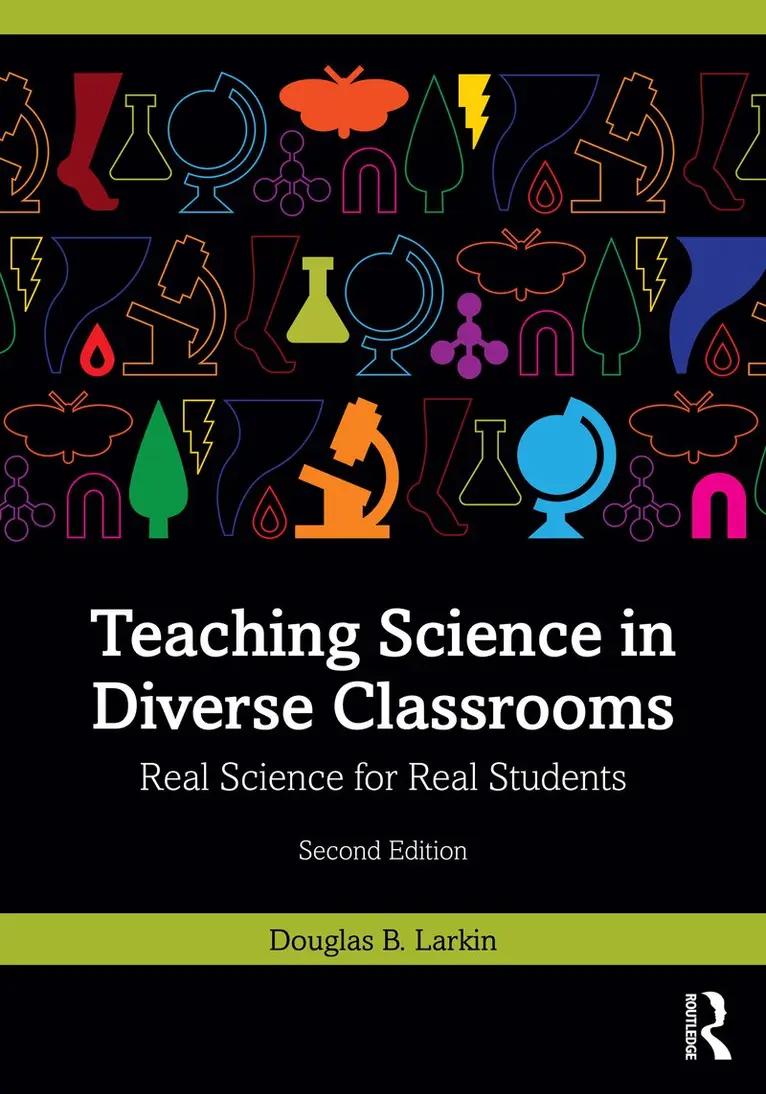
As a distinctive voice in science education writing, Douglas B. Larkin provides a fresh perspective for science teachers working to make real science accessible to all K-12 students. Through compelling anecdotes and vignettes, this book draws on research to present a vision of successful and inspiring science teaching that builds upon the prior knowledge, experiences, and interests of students. With empathy for the challenges faced by contemporary science teachers, Teaching Science in Diverse Classrooms encourages teachers to embrace the intellectual task of engaging their students in learning science and offers an abundance of examples of what high-quality science teaching for all students can look like. This updated and expanded second edition includes more attention to teaching and learning science in a world changed by the pandemic and reaffirms the importance of attending to equity and justice in science classrooms.Divided into four sections, this book centers around the idea that the decisions made by good science teachers help light the way for their students along both familiar and unfamiliar pathways to understanding. The book addresses topics and issues that occur in the daily lives and career arcs of science teachers, such as:Aiming for culturally relevant science teachingEliciting and working with students’ ideasReshaping school science with scientific practicesViewing science teachers as science learnersTeaching science in turbulent timesGrounded in the Next Generation Science Standards (NGSS), this is a perfect resource for both pre-service and in-service teachers and teacher educators that addresses the intellectual challenges of teaching science in contemporary classrooms and models how to enact effective, reform-based science teaching practices for all students.
2 030 kr
Skickas inom 10-15 vardagar
As a distinctive voice in science education writing, Douglas B. Larkin provides a fresh perspective for science teachers working to make real science accessible to all K-12 students. Through compelling anecdotes and vignettes, this book draws on research to present a vision of successful and inspiring science teaching that builds upon the prior knowledge, experiences, and interests of students. With empathy for the challenges faced by contemporary science teachers, Teaching Science in Diverse Classrooms encourages teachers to embrace the intellectual task of engaging their students in learning science and offers an abundance of examples of what high-quality science teaching for all students can look like. This updated and expanded second edition includes more attention to teaching and learning science in a world changed by the pandemic and reaffirms the importance of attending to equity and justice in science classrooms.Divided into four sections, this book centers around the idea that the decisions made by good science teachers help light the way for their students along both familiar and unfamiliar pathways to understanding. The book addresses topics and issues that occur in the daily lives and career arcs of science teachers, such as:Aiming for culturally relevant science teachingEliciting and working with students’ ideasReshaping school science with scientific practicesViewing science teachers as science learnersTeaching science in turbulent timesGrounded in the Next Generation Science Standards (NGSS), this is a perfect resource for both pre-service and in-service teachers and teacher educators that addresses the intellectual challenges of teaching science in contemporary classrooms and models how to enact effective, reform-based science teaching practices for all students.
Reasons Teachers Stay
Lessons from High-Retention Schools, Districts, and Communities
Häftad, Engelska, 2026
352 kr
Skickas inom 7-10 vardagar
A research-based guide uncovering what teachers say keeps them in their schools—and how leaders can sustain them The Reasons Teachers Stay offers a powerful new perspective on the urgent issue of teacher retention. While national headlines focus on why so many teachers leave, Douglas B. Larkin and Suzanne Poole Patzelt flip the question to ask: What makes teachers stay? Larkin and Patzelt’s findings can inform the practice of administrators, school leaders, and teachers in creating supportive work environments within K–12 school districts. Drawing on a six-year longitudinal study of US schools, districts, and communities with high rates of teacher retention, the work reveals that sustaining effective teachers in their jobs requires more than just a satisfactory working environment and incentives. Larkin and Patzelt find that teachers are retained when an interrelated set of conditions, including a manageable teaching load, a degree of autonomy, adequate compensation, and supportive relationships with colleagues, are in place to meet their needs. They present their findings using the teacher embeddedness framework to show how fit, interpersonal connections, and school-based/community assets matter more than previously understood. Engaging case studies and interviews with teachers and administrators throughout the book illustrate these concepts in action. The work ends with practical recommendations to enact key tenets of the framework in schools, such as establishing mentorship and induction programs; fostering teacher agency, autonomy, and protection; and providing strong support for teachers of color.