Douglas Cooke – författare
Visar alla böcker från författaren Douglas Cooke. Handla med fri frakt och snabb leverans.
4 produkter
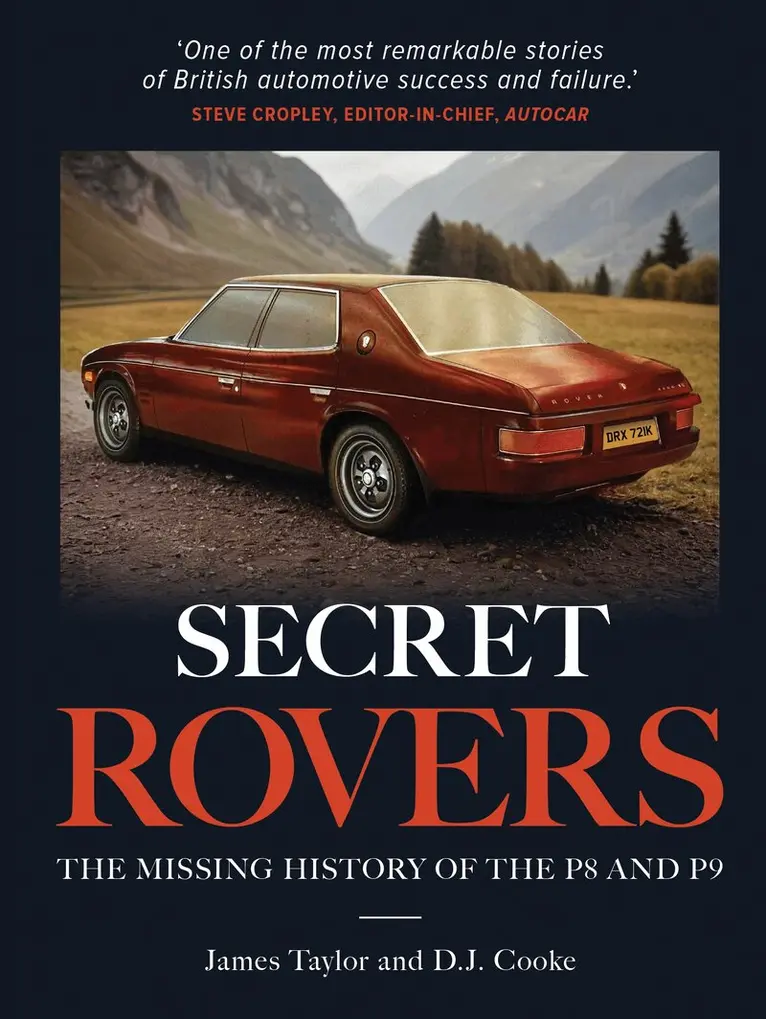
Secret Rovers
The Missing History of P8 and P9
Av James Taylor, Douglas Cooke
Inbunden, 2025
384 kr
Lägg i varukorg
In the late 1960s, the old Rover Company put everything it knew into a complex luxury saloon codenamed P8. At the same time, it planned to branch out into a new sector of the market with a stunningly advanced mid-engined sports car prototype that became a formal project with the codename of P9. …
Secret Rovers
The Missing History of P8 and P9
Av Douglas Cooke, James Taylor
E-bok, 2025
381 kr
Lägg i varukorg
In the late 1960s, the old Rover Company put everything it knew into a complex luxury saloon codenamed P8. At the same time, it planned to branch out into a new sector of the market with a stunningly advanced mid-engined sports car prototype that became a formal project with the codename of P9. …
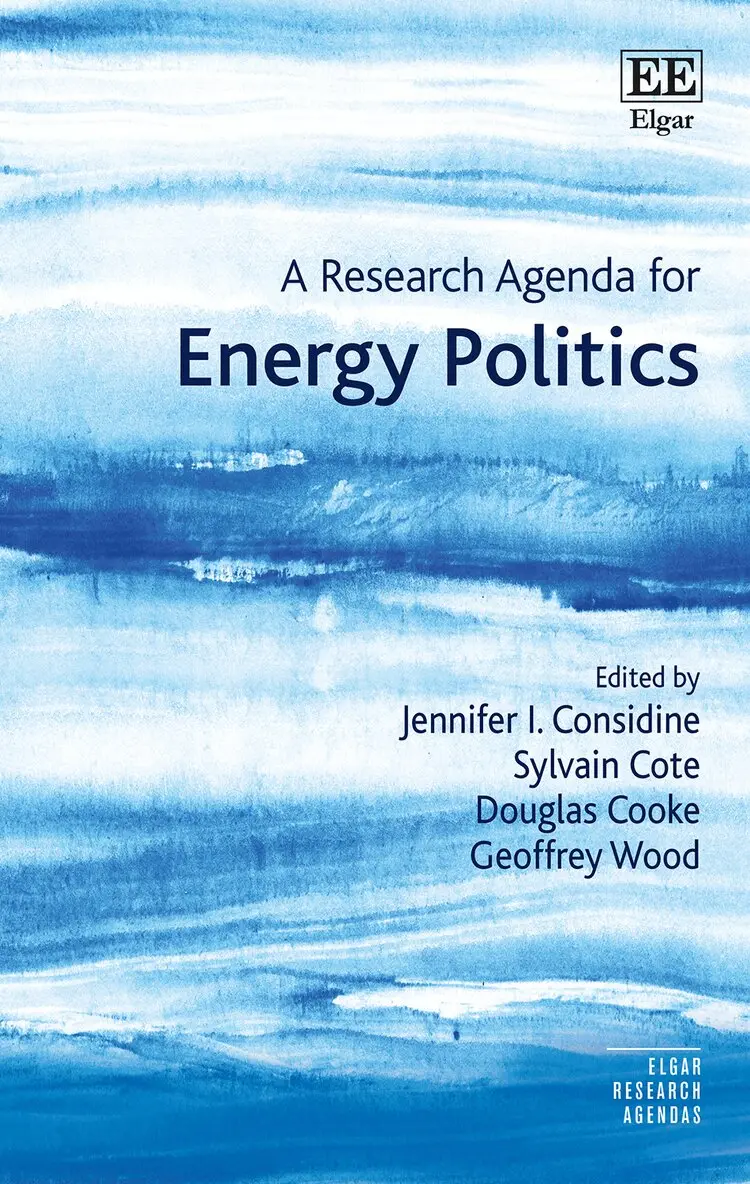
Research Agenda for Energy Politics
Av Jennifer I. Considine, Sylvain Cote m. fl.
Inbunden, 2023
2321 kr
Lägg i varukorg
Elgar Research Agendas outline the future of research in a given area. Leading scholars are given the space to explore their subject in provocative ways, and map out the potential directions of travel. They are relevant but also visionary.Presenting cutting-edge research on the future of energy …
Research Agenda for Energy Politics
Av Geoffrey Wood, Douglas Cooke m. fl.
E-bok, 2023
462 kr
Lägg i varukorg
Elgar Research Agendas outline the future of research in a given area. Leading scholars are given the space to explore their subject in provocative ways, and map out the potential directions of travel. They are relevant but also visionary. Presenting cutting-edge research on the future of energy …