Douglas J. Forsyth – författare
Visar alla böcker från författaren Douglas J. Forsyth. Handla med fri frakt och snabb leverans.
7 produkter
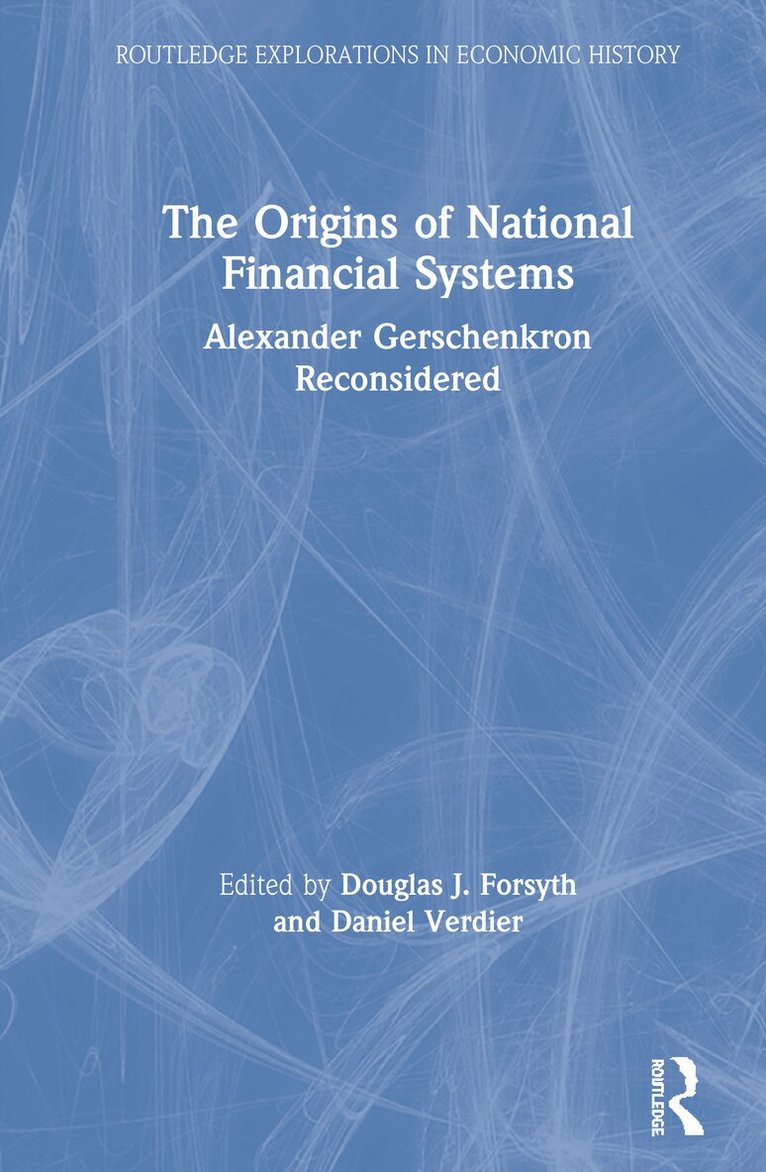
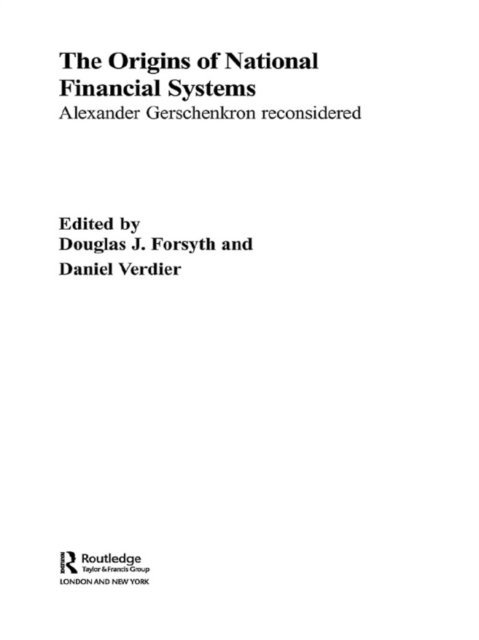
Origins of National Financial Systems
Alexander Gerschenkron Reconsidered
Av Douglas J. Forsyth, Daniel Verdier
Inbunden, 2002
1028 kr
Lägg i varukorg
Since the nineteenth century, there has been an accepted distinction between financial systems that separate commercial and investment banking and those that do not. This comprehensive collection aims to establish how and why financial systems develop, and how knowledge of financial differentiation …
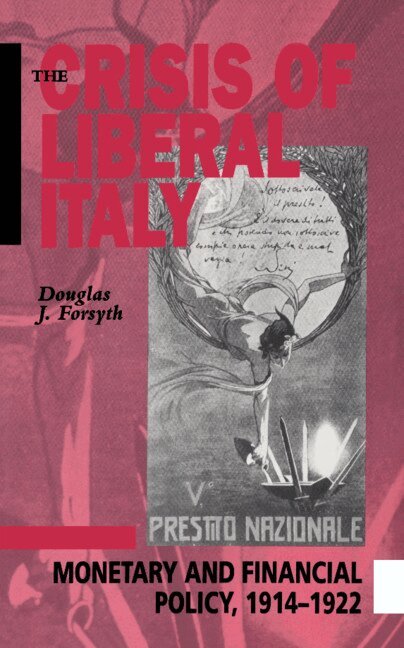
The Crisis of Liberal Italy
Inbunden, 1993
1844 kr
Lägg i varukorg
In this major interpretation of the crisis of democracy in Italy after World War I, Douglas Forsyth uses unpublished documents in Italy's central state archives, as well as private papers, diplomatic and bank archives in Italy, France, Britain and the United States, to analyse monetary and …
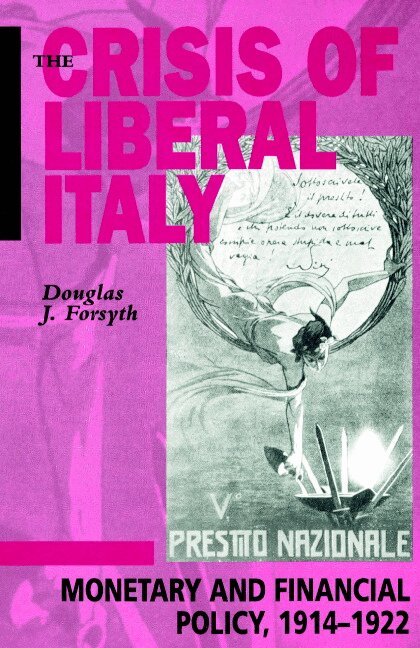
The Crisis of Liberal Italy
Häftad, 2002
804 kr
Lägg i varukorg
In this major interpretation of the crisis of democracy in Italy after World War I, Douglas Forsyth uses unpublished documents in Italy's central state archives, as well as private papers, diplomatic and bank archives in Italy, France, Britain and the United States, to analyse monetary and …
Origins of National Financial Systems
Alexander Gerschenkron Reconsidered
Av Daniel Verdier, Douglas J. Forsyth
E-bok, 2003
856 kr
Lägg i varukorg
Since the nineteenth century, there has been an accepted distinction between financial systems that separate commercial and investment banking and those that do not. This comprehensive collection aims to establish how and why financial systems develop, and how knowledge of financial differentiation …
Origins of National Financial Systems
Alexander Gerschenkron Reconsidered
Av Daniel Verdier, Douglas J. Forsyth
E-bok, 2003
856 kr
Lägg i varukorg
Since the nineteenth century, there has been an accepted distinction between financial systems that separate commercial and investment banking and those that do not. This comprehensive collection aims to establish how and why financial systems develop, and how knowledge of financial differentiation …
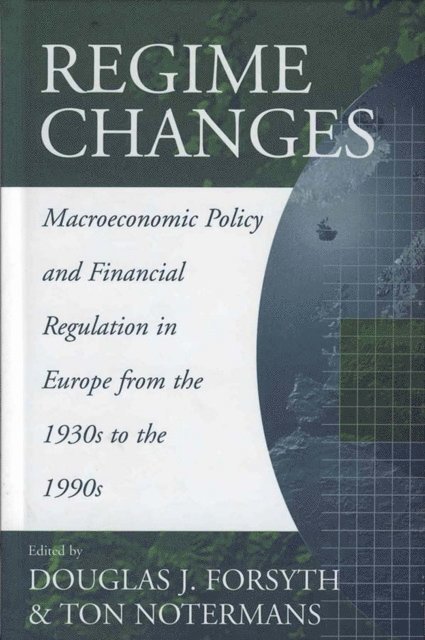
Regime Changes
Macroeconomic Policy and Financial Regulation in Europe from the 1930s to the 1990s
Av Douglas J. Forsyth, Ton Notermans
Inbunden, 1997
1936 kr
Lägg i varukorg
During the 1930s and 1940s, and again in the 1970s and 1980s, most European nations, indeed most industrial nations, undertook major changes in macroeconomic policy orientation and financial regulation. The contributors to this volume, historians, political scientists, and economists, identify the …
Regime Changes
Macroeconomic Policy and Financial Regulation in Europe from the 1930s to the 1990s
Av Ton Notermans, Douglas J. Forsyth
E-bok, 1997
419 kr
Lägg i varukorg
During the 1930s and 1940s, and again in the 1970s and 1980s, most European nations, indeed most industrial nations, undertook major changes in macroeconomic policy orientation and financial regulation. The contributors to this volume, historians, political scientists, and economists, identify the …