Edward L. Harris - Böcker
Visar alla böcker från författaren Edward L. Harris. Handla med fri frakt och snabb leverans.
4 produkter
4 produkter
1 654 kr
Skickas inom 3-6 vardagar
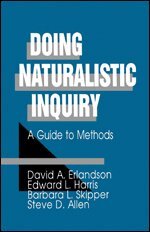
While much has been written on alternative paradigm research, there is little concrete advice on how to effectively use the theoretical notions of naturalistic inquiry in practice. Doing Naturalistic Inquiry is the practical guide designed to help beginning researchers apply the constructivist paradigm. Based upon the theoretical work of Lincoln and Guba in developing the naturalistic—or constructivist--paradigm, Erlandson and his colleagues show readers how these ideas shape the practice of conducting alternative paradigm research. The book covers the research process from design through data collection analysis and presentation and examines important issues generally minimized in positivist research texts ethics, trustworthiness, and authenticity. Cases from a wide variety of disciplines demonstrate the efficacy of the methods described. Doing Naturalistic Inquiry is a highly useful teaching tool for anyone using a constructivist lens on research.
1 110 kr
Skickas inom 10-15 vardagar
All meaningful and enduring educational reform occurs locally. Evidence suggests that educational success is driven by the contextual conditions in which students learn. How Schools Succeed: Context, Culture, and Strategic Leadership, Second Edition considers a broad conception of educational context, taking into consideration work environment, facilities, and space as well as the interpersonal, social, and organizational settings in which teaching and learning occur. This is not a “one-fits-all” approach. It is, however, a proactive approach, and necessary tools and development strategies are offered to promote continual and sustainable school improvement at the local level. While this volume considers specific administrative roles in schools, it also explains strategic leadership in broad terms. School leadership not only implies principal and superintendent roles, but teacher roles as well—perceiving teachers as leaders and building leadership capacity are central concepts in understanding strategic leadership as well as moving toward genuine school reform.
656 kr
Skickas inom 10-15 vardagar
All meaningful and enduring educational reform occurs locally. Evidence suggests that educational success is driven by the contextual conditions in which students learn. How Schools Succeed: Context, Culture, and Strategic Leadership, Second Edition considers a broad conception of educational context, taking into consideration work environment, facilities, and space as well as the interpersonal, social, and organizational settings in which teaching and learning occur. This is not a “one-fits-all” approach. It is, however, a proactive approach, and necessary tools and development strategies are offered to promote continual and sustainable school improvement at the local level. While this volume considers specific administrative roles in schools, it also explains strategic leadership in broad terms. School leadership not only implies principal and superintendent roles, but teacher roles as well—perceiving teachers as leaders and building leadership capacity are central concepts in understanding strategic leadership as well as moving toward genuine school reform.
851 kr
Skickas inom 10-15 vardagar
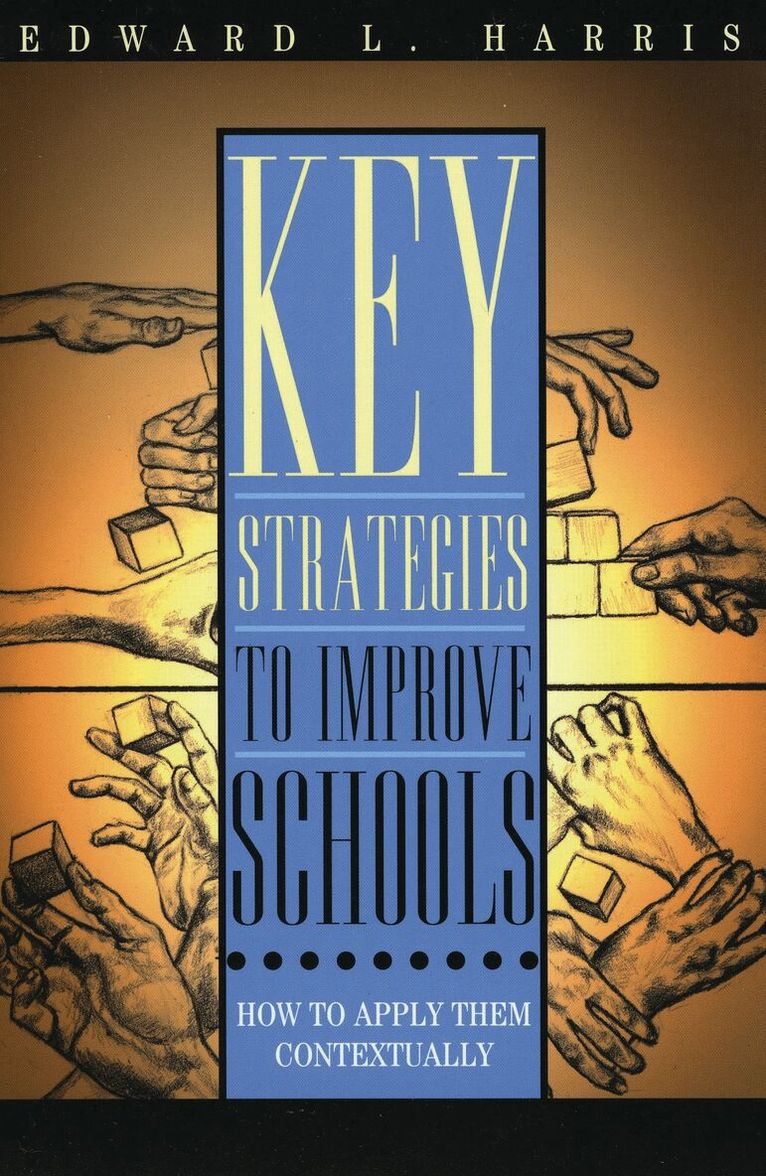
School improvement initiatives are often the focus of political agendas, professional conferences, and publications. While a plethora of school improvement resources and techniques exist, most explanations for employing school improvement strategies in differing contexts are extremely vague at best and non-existent at worst. Here, author Edward Harris explains and illustrates strategic, practical approaches for adapting and applying research-based school improvement strategies. While consideration is given to the principal's role in the school, the notion of school leadership is viewed in broader terms and includes teacher roles as well. The interrelationship of organizational culture and school leadership is also a key component of this book. One of the goals is to bridge the gap between the "theory" and "practice" of school leadership. Harris provides an explanation of Mary Douglas's typology of grid and group, substantive analytical tools and procedures to examine one's social context and assess school culture, and practical examples and suggestions for contextualizing and adapting school improvement strategies. This book features in-depth, practical applications and explanations of the following school improvement strategies:·Increasing student engagement and motivation·Providing focused, sustained professional development·Implementing organizational and management practices·Building links·Monitoring and accelerating improvementThis book is useful for teachers, administrators, and anyone involved in teacher leadership preparation programs.