Eitan Shamir - Böcker
Visar alla böcker från författaren Eitan Shamir. Handla med fri frakt och snabb leverans.
9 produkter
9 produkter
1 200 kr
Kommande
Israel is often described as a state without a grand strategy, one that wins wars through superior military and technological capabilities yet struggles to secure peace because it lacks a clear vision for durable political outcomes. That sentiment was especially evident during the turbulent years between 2020 and 2025, when the diplomatic breakthrough of the Abraham Accords gave way to a multi-front regional conflict.Israel's Grand Strategy challenges this view. It argues that beneath the veneer of tactical improvisation, Israel has pursued a discernible and persistent grand strategy that links its desired ends, prioritized threats, preferred instruments, and available resources with visible continuity across different Israeli governments and decision-makers over time. To demonstrate this pattern, this book offers a novel framework that views small-state grand strategy as a "calibration" between three geographic circles of local controlling, regional shaping, and global adaptation strategies, dictated by the state's arena of action and available military, economic, and diplomatic means.The book tests this framework through eight detailed case studies. The first three consider the local arena, examining strategies of control toward the Palestinian Authority, Hamas, and Hezbollah. The next two trace efforts to shape the regional environment through the Eastern Mediterranean and the Abraham Accords. The final three case studies, focusing on the global arena, analyze Israel's adaptation to US priorities on Iran's nuclear program, the growing US§hina rivalry, and Russia's declining influence in the Middle East.Through these case studies, Elai Rettig and Eitan Shamir show that Israel follows a consistent grand strategy. In doing so, they clarify both the strengths and limits of Israel's grand strategy, and the developments that may force its revision.The Oxford Studies in Grand Strategy is a major new series of cutting-edge monographs that examine the grand strategies of states, and those intergovernmental organizations and nonstate actors who credibly aspire to sovereignty. Books concentrate on the contemporary aspects of grand strategy, while paying due respect to the historical antecedents of a nation's grand strategy and their relevance for a leadership's current choices. The series is pluralistic in terms of theory and method, and maintains a broad view of the ways, means, and ends that undergird a grand strategy. Analytical and explanatory in contribution, books in the series feature a rigorous analysis of the interaction between domestic factors and global forces and provide a clear understanding of how that interaction shapes a grand strategy's formulation, codification, and implementation.Series Editors: Thierry Balzacq (Sciences Po, Paris), Peter Dombrowski (US Naval War College), and Simon Reich (Rutgers University, Newark)
303 kr
Kommande
"Rich with rare detail, much of it a result of the authors' access to the IDF's inner sanctums and their intimate knowledge of grand strategy and military history." -Wall Street Journal A world-leading military strategist and an IDF insider explain the improbable success of the Israeli armed forces. When the Israel Defense Forces was established in 1948, the emerging Jewish state lacked sufficient weaponry and the capacity to produce it. Forced to make do, the IDF relied on a spirit of improvisation. Today that same spirit has secured the IDF a place among the world's most powerful militaries. In The Art of Military Innovation, Edward Luttwak and Eitan Shamir trace the roots of this astounding success. What sets the IDF apart, they argue, is its structure. From its inception, it has been the world's only one-service military, with air, naval, and land forces collected in a single institutional body. This unique architecture, coupled with a youthful officer corps, encourages initiative from below. The result is a nimble organization inclined toward change. The IDF has fostered significant technological advances, from the first wartime use of drones to the famed Iron Dome missile defense system, and now the first laser weapon, Iron Beam. Less-heralded innovations in training, logistics, and human resources have been equally important. Sharing rich insights and compelling stories, Luttwak and Shamir reveal just what makes the IDF so agile and effective.
296 kr
Skickas inom 7-10 vardagar
A world-leading military strategist and an IDF insider explain the improbable success of the Israeli armed forces.When the Israel Defense Forces was established in May 1948, it was small, poorly equipped, and already at war. Lacking sufficient weaponry or the domestic industrial base to produce it, the newborn military was forced to make do with whatever it could get its hands on. That spirit of improvisation carried the IDF to a decisive victory in the First Arab-Israeli War.Today the same spirit has made the IDF the most powerful military in the Middle East and among the most capable in the world. In The Art of Military Innovation, Edward N. Luttwak and Eitan Shamir trace the roots of this astounding success. What sets the IDF apart, they argue, is its singular organizational structure. From its inception, it has been the world’s only one-service military, encompassing air, naval, and land forces in a single institutional body. This unique structure, coupled with a young officer corps, allows for initiative from below. The result is a nimble organization inclined toward change rather than beholden to tradition.The IDF has fostered some of the most significant advances in military technology of the past seventy years, from the first wartime use of drones to the famed Iron Dome missile defense system, and now the first laser weapon, Iron Beam. Less-heralded innovations in training, logistics, and human resources have been equally important. Sharing rich insights and compelling stories, Luttwak and Shamir reveal just what makes the IDF so agile and effective.
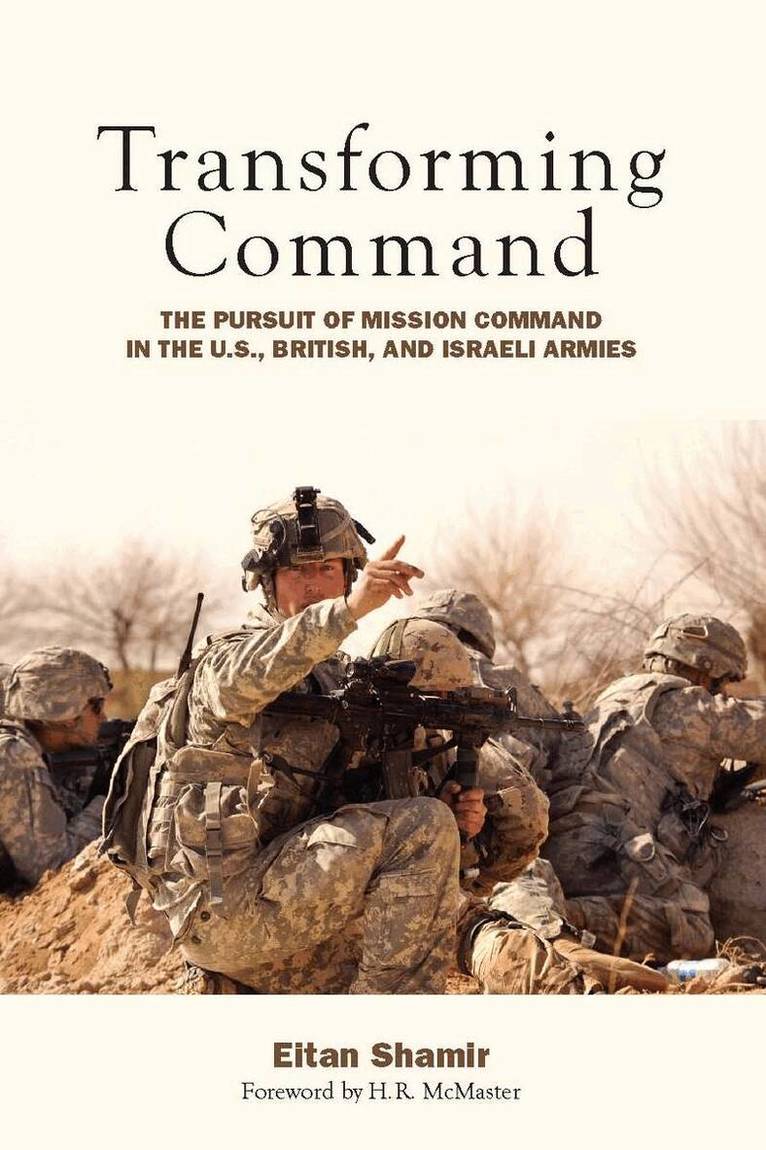
Transforming Command
The Pursuit of Mission Command in the U.S., British, and Israeli Armies
Inbunden, Engelska, 2011
1 189 kr
Skickas inom 10-15 vardagar
On today's complex, fragmented, fast-moving battlefield, where combatants adapt constantly to exploit one-another's weaknesses, there is a demonstrable requirement for military commanders to devolve a high level of autonomy of decision-making and action to leaders on the ground. An effective model for doing this has existed for some time in the form of mission command and has been utilized by the U.S., Israeli, and British Armies—but with mixed success.This book examines in depth the experiences of the armed forces of each of these countries in implementing mission command, and reveals the key factors that have determined the success or failure of the implementation—factors such as the Revolution in Military Affairs (RMA), the spread of low-intensity conflicts and operations other than war, and differences in how military cultures interpret, articulate, and exercise the command function. It has significant implications for both the development of military doctrine and the training and education of tomorrow's military leaders.
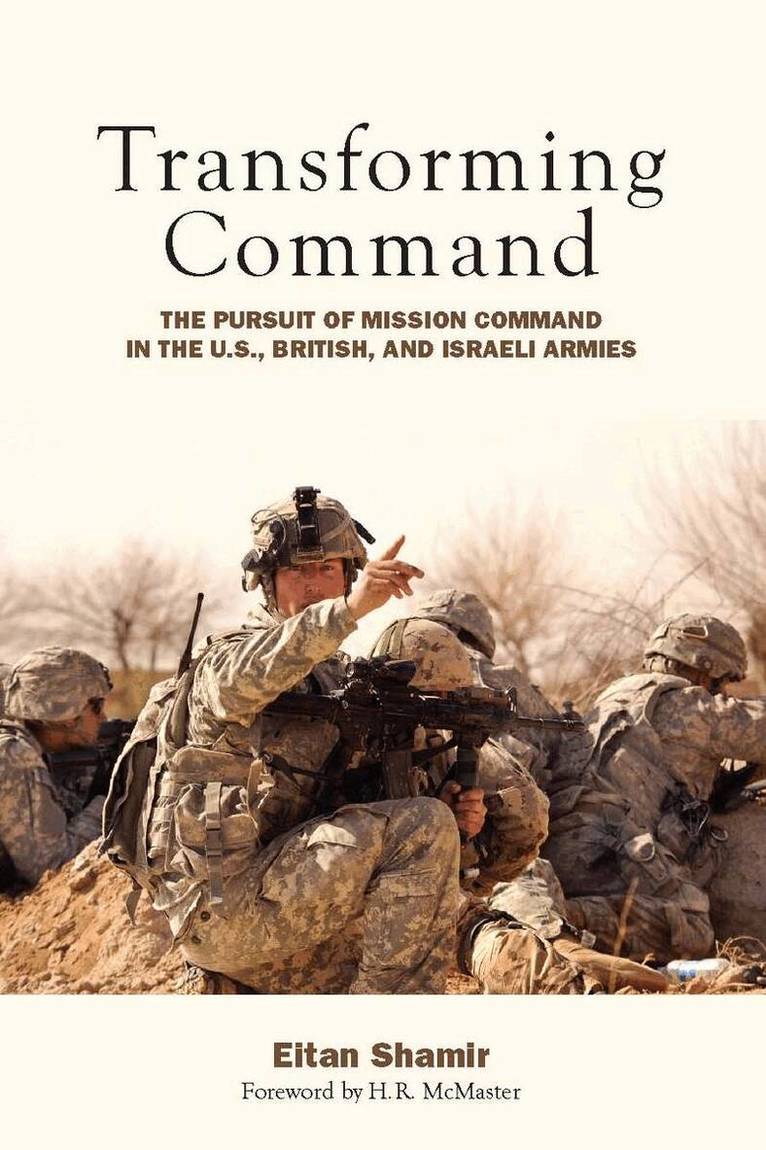
Transforming Command
The Pursuit of Mission Command in the U.S., British, and Israeli Armies
Häftad, Engelska, 2011
285 kr
Skickas inom 7-10 vardagar
On today's complex, fragmented, fast-moving battlefield, where combatants adapt constantly to exploit one-another's weaknesses, there is a demonstrable requirement for military commanders to devolve a high level of autonomy of decision-making and action to leaders on the ground. An effective model for doing this has existed for some time in the form of mission command and has been utilized by the U.S., Israeli, and British Armies—but with mixed success.This book examines in depth the experiences of the armed forces of each of these countries in implementing mission command, and reveals the key factors that have determined the success or failure of the implementation—factors such as the Revolution in Military Affairs (RMA), the spread of low-intensity conflicts and operations other than war, and differences in how military cultures interpret, articulate, and exercise the command function. It has significant implications for both the development of military doctrine and the training and education of tomorrow's military leaders.
357 kr
Skickas inom 7-10 vardagar
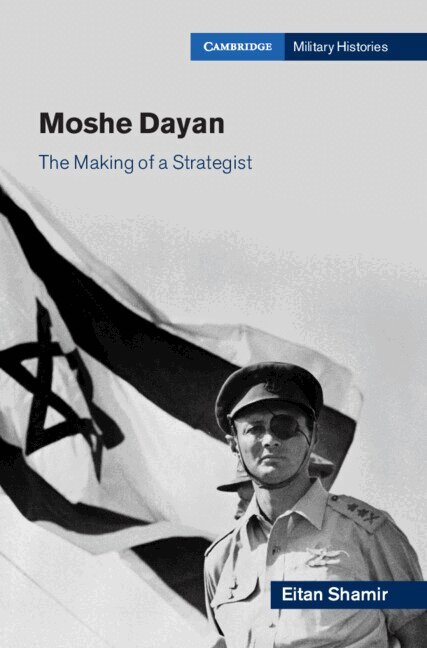
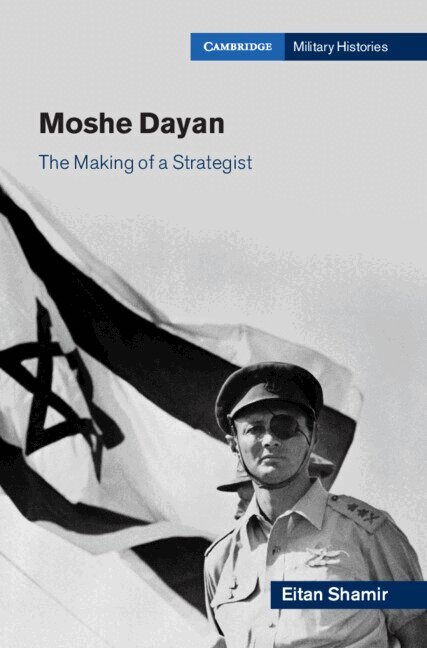
In this major re-evaluation of Moshe Dayan's life and career, Eitan Shamir examines one of the most influential individuals in the history of modern Israel. As IDF Chief of Staff, theatre commander during the Sinai campaign and defence minister during the Six Days and Yom Kippur Wars, Dayan shaped Israeli history as well as the principles of Israel's security and foreign affairs. Eitan Shamir explores the basis and justification for Dayan's reputation as a strategist and what made his command and leadership unique. He reveals the ways in which Moshe Dayan led and planned his campaigns, how he made his decisions and his style as a general and a strategist. His findings shed important new light on broader issues of military command and culture, political-military relations, insurgency and counterinsurgency and the relations between small states and large powers, drawing lasting lessons for strategy today.
1 166 kr
Skickas inom 7-10 vardagar
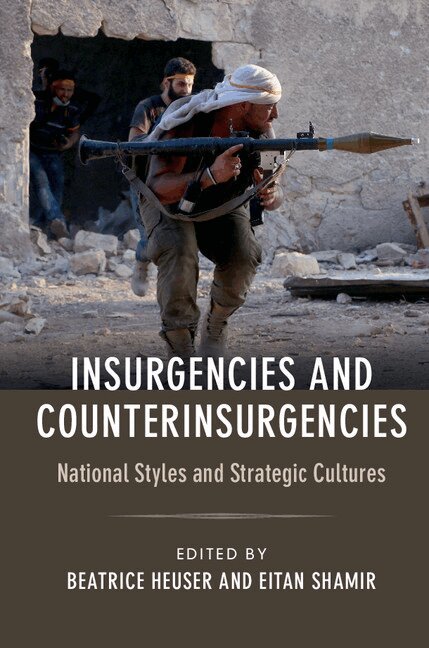
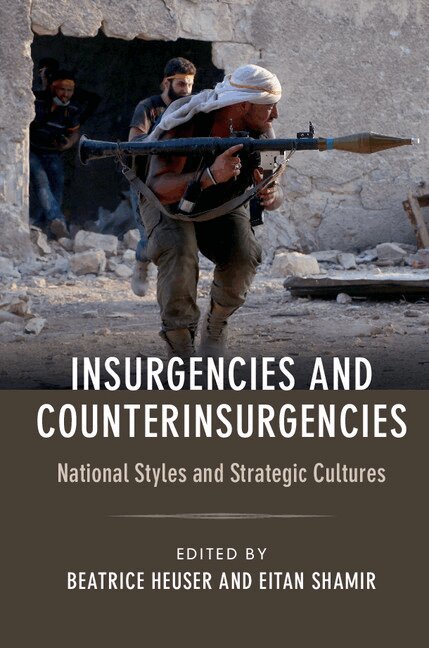
This book is a major new study of the extent to which national mentalities, or 'ways of war', are responsible for 'national styles' of insurgency and counterinsurgency. Leading scholars examine the ways of war of particular insurgent movements, and the standard operational procedures of states and occupation forces to suppress them. Through case studies ranging from British, American and French counterinsurgency to the IRA and the Taliban, they show how 'national styles' evolve, influenced by transnational trends, ideas and practices. They examine whether we can identify a tendency to resort to a particular pattern of fighting and, if so, whether this is dictated by constants such as geography and climate, or by the available options, or else whether there exists a particular 'strategic culture' or 'national style'. Their findings show that 'national style' is not eternal but can undergo fundamental transformations.
360 kr
Skickas inom 7-10 vardagar
This book is a major new study of the extent to which national mentalities, or 'ways of war', are responsible for 'national styles' of insurgency and counterinsurgency. Leading scholars examine the ways of war of particular insurgent movements, and the standard operational procedures of states and occupation forces to suppress them. Through case studies ranging from British, American and French counterinsurgency to the IRA and the Taliban, they show how 'national styles' evolve, influenced by transnational trends, ideas and practices. They examine whether we can identify a tendency to resort to a particular pattern of fighting and, if so, whether this is dictated by constants such as geography and climate, or by the available options, or else whether there exists a particular 'strategic culture' or 'national style'. Their findings show that 'national style' is not eternal but can undergo fundamental transformations.
1 092 kr
Skickas inom 7-10 vardagar
In this major re-evaluation of Moshe Dayan's life and career, Eitan Shamir examines one of the most influential individuals in the history of modern Israel. As IDF Chief of Staff, theatre commander during the Sinai campaign and defence minister during the Six Days and Yom Kippur Wars, Dayan shaped Israeli history as well as the principles of Israel's security and foreign affairs. Eitan Shamir explores the basis and justification for Dayan's reputation as a strategist and what made his command and leadership unique. He reveals the ways in which Moshe Dayan led and planned his campaigns, how he made his decisions and his style as a general and a strategist. His findings shed important new light on broader issues of military command and culture, political-military relations, insurgency and counterinsurgency and the relations between small states and large powers, drawing lasting lessons for strategy today.