Ekaterini Mitsiou – författare
Visar alla böcker från författaren Ekaterini Mitsiou. Handla med fri frakt och snabb leverans.
5 produkter
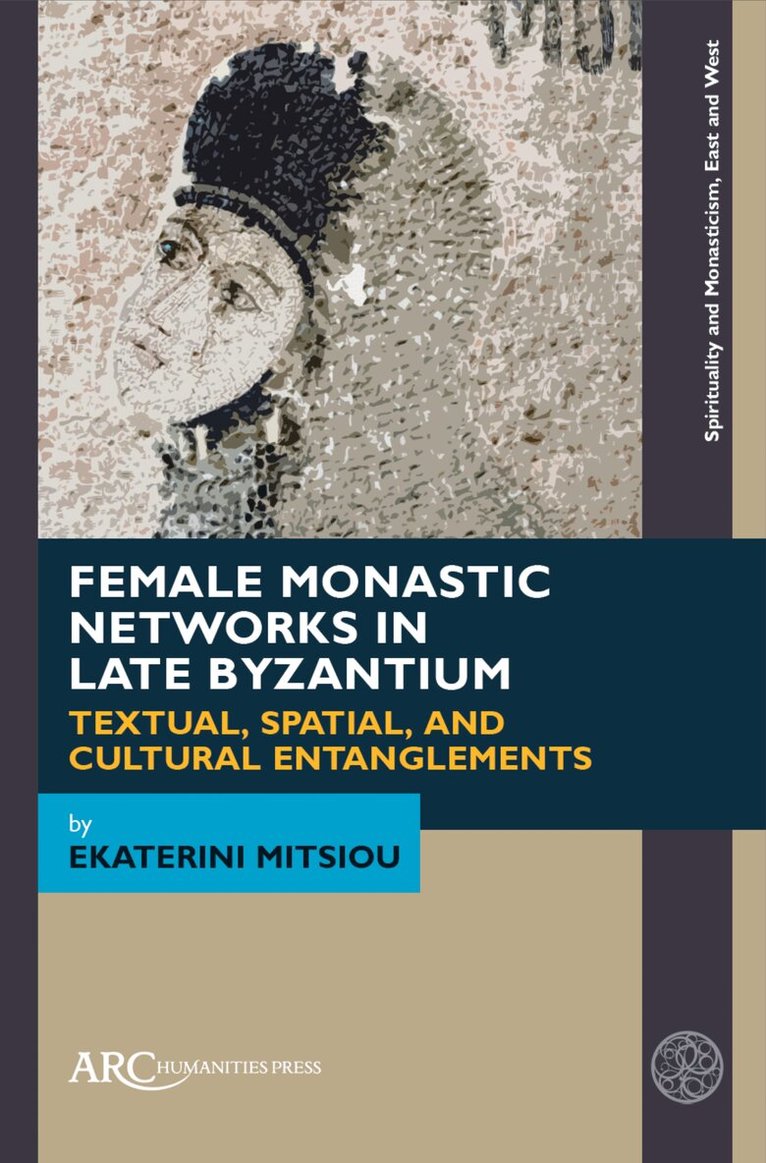
Female Monastic Networks in Late Byzantium
Textual, Spatial, and Cultural Entanglements
Inbunden, 2025
2319 kr
Lägg i varukorg
This book offers the first analysis of female monasticism across the last three centuries of the Byzantine empire using Social Network Analysis (SNA). The present study analyzes and reconstructs the networks of Byzantine female monasteries as well as the geographical and spatial dimensions of …
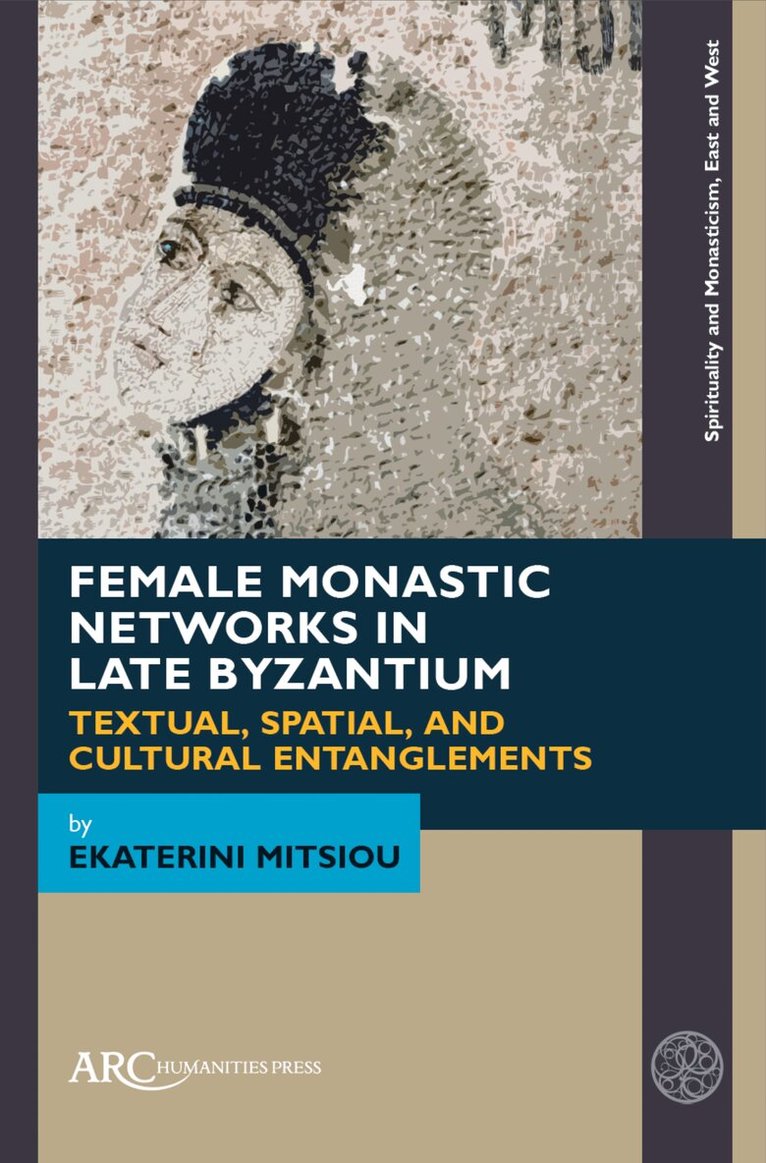
Female Monastic Networks in Late Byzantium
Textual, Spatial, and Cultural Entanglements
Häftad, 2026
535 kr
Lägg i varukorg
This book offers the first analysis of female monasticism across the last three centuries of the Byzantine empire using Social Network Analysis (SNA). The present study analyzes and reconstructs the networks of Byzantine female monasteries as well as the geographical and spatial dimensions of …
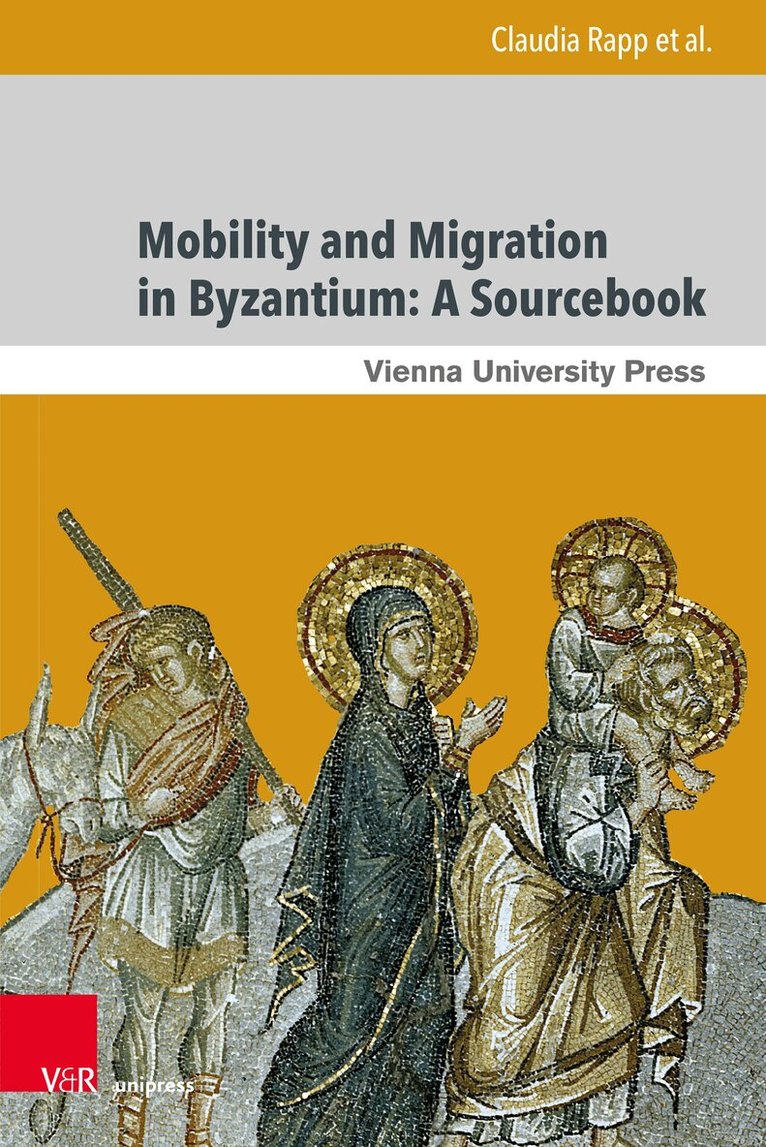
Mobility and Migration in Byzantium: A Sourcebook
Av Claudia Rapp, Matthew Kinloch m. fl.
Inbunden, 2023
1115 kr
Lägg i varukorg
Mobility and migration were not uncommon in Byzantium, as is true for all societies. Yet, scholarship is only beginning to pay attention to these phenomena. This book presents in English translation a wide array of relevant source texts from ca. 650 to ca. 1450 originally written in medieval Greek: …
Courts on the Move
Perspectives from the Global Middle Ages
Av Claudia Rapp, Ekaterini Mitsiou m. fl.
Inbunden, 2026
746 kr
Kommande
Language Multiplicity
A View from Byzantium
Av Claudia Rapp, Emilio Bonfiglio m. fl.
Inbunden, 2026
1129 kr
Kommande