Eleanor Shoreman-Ouimet – författare
742 kr
Skickas inom 10-15 vardagar
2 227 kr
Skickas inom 10-15 vardagar
2 574 kr
Skickas inom 10-15 vardagar
770 kr
Skickas inom 10-15 vardagar
2 366 kr
Skickas inom 10-15 vardagar
2 158 kr
Skickas inom 10-15 vardagar
701 kr
Skickas inom 10-15 vardagar
3 407 kr
Skickas inom 10-15 vardagar
3 974 kr
Läs direkt efter köp
3 974 kr
Läs direkt efter köp
682 kr
Läs direkt efter köp
682 kr
Läs direkt efter köp
892 kr
Läs direkt efter köp
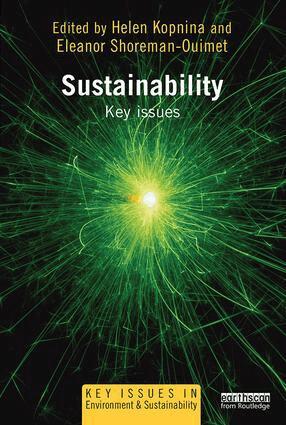
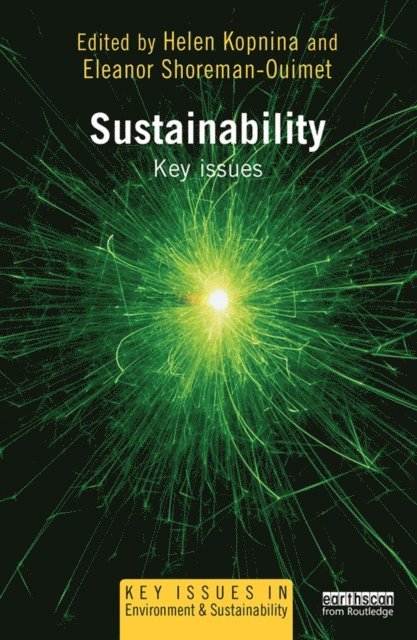
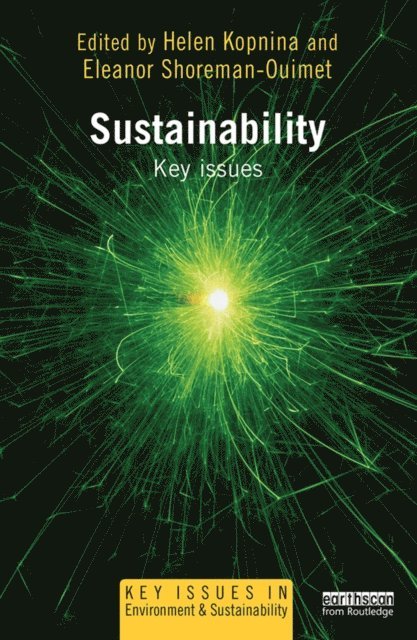
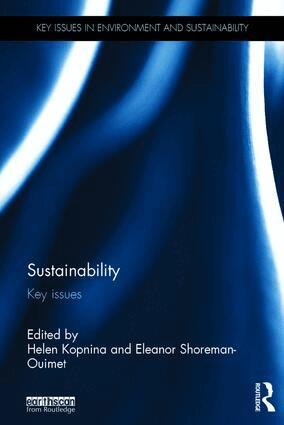
Sustainability: Key Issues is a comprehensive introductory textbook for undergraduate and postgraduate students doing courses in sustainability. Highly original, it covers the very broad spectrum of ideas covered under sustainability, from participation, resilience, growth, ecological modernism through to culture, sustainable communities and sustainable consumption. Each chapter covers one key idea, and has been written by an expert in that field. This book makes key issues approachable, with each chapter containing:
a definition of the key concept a history of how and why the issue has emerged a discussion of the advantages, drawbacks, main contributions and controversies associated with this issue case studies to demonstrate how it works in reality critical discussion of mainstream models of sustainability and the reason why they don''t work introduction of beyond-the-convention alternatives, including circular economy and cradle to cradle approachesThis is the ideal book for students and anyone interested in understanding the key issues within sustainability and how they interact.
892 kr
Läs direkt efter köp
Sustainability: Key Issues is a comprehensive introductory textbook for undergraduate and postgraduate students doing courses in sustainability. Highly original, it covers the very broad spectrum of ideas covered under sustainability, from participation, resilience, growth, ecological modernism through to culture, sustainable communities and sustainable consumption. Each chapter covers one key idea, and has been written by an expert in that field. This book makes key issues approachable, with each chapter containing:
a definition of the key concept a history of how and why the issue has emerged a discussion of the advantages, drawbacks, main contributions and controversies associated with this issue case studies to demonstrate how it works in reality critical discussion of mainstream models of sustainability and the reason why they don''t work introduction of beyond-the-convention alternatives, including circular economy and cradle to cradle approachesThis is the ideal book for students and anyone interested in understanding the key issues within sustainability and how they interact.
811 kr
Läs direkt efter köp
811 kr
Läs direkt efter köp
839 kr
Skickas inom 10-15 vardagar
3 684 kr
Skickas inom 10-15 vardagar
590 kr
Skickas inom 10-15 vardagar
860 kr
Läs direkt efter köp
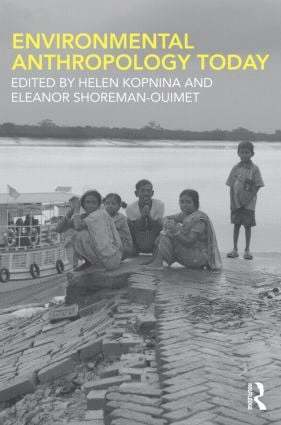
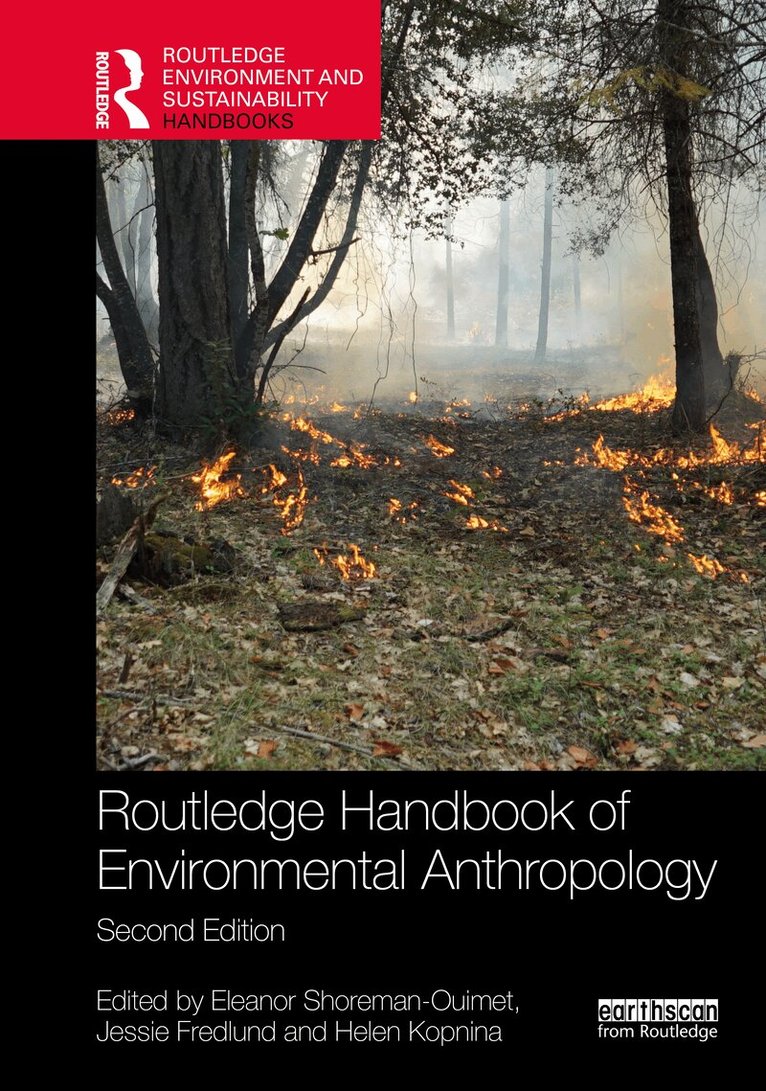
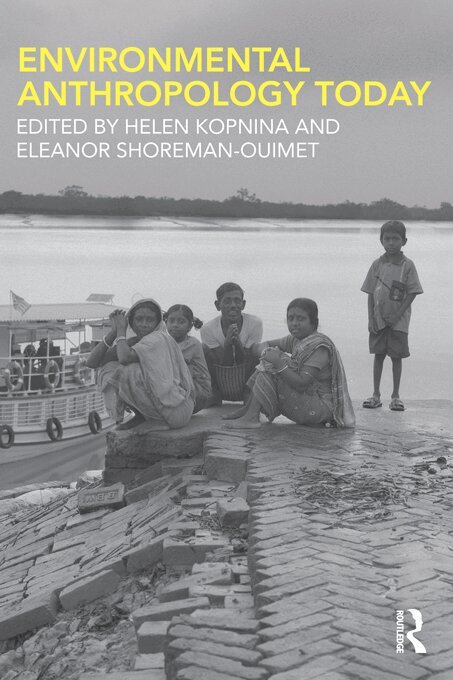
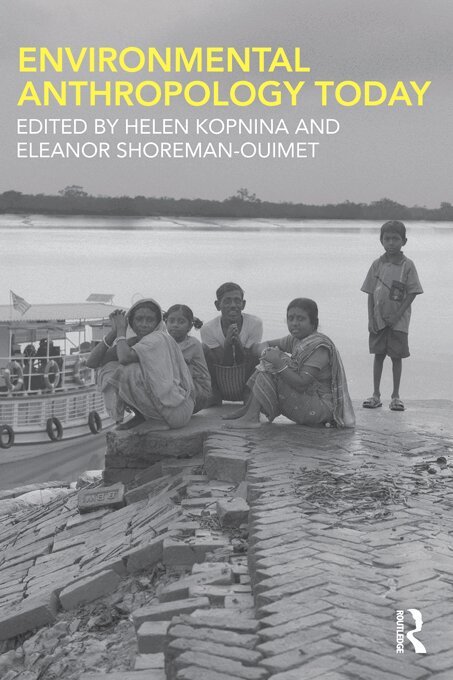
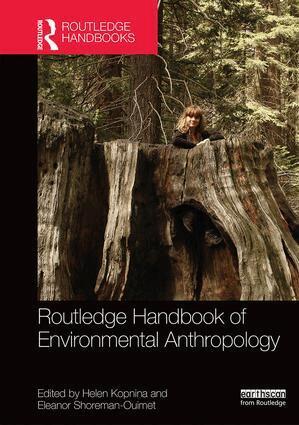
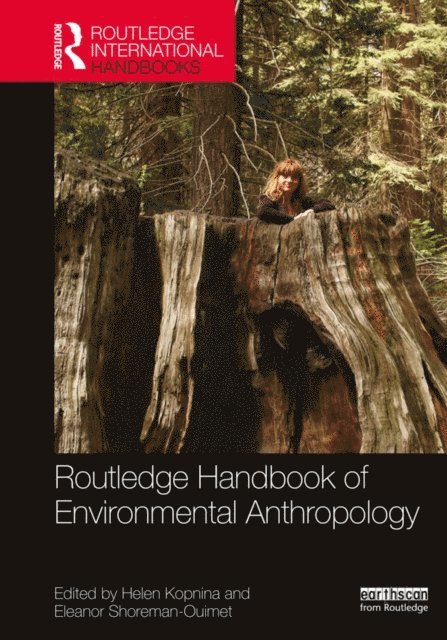
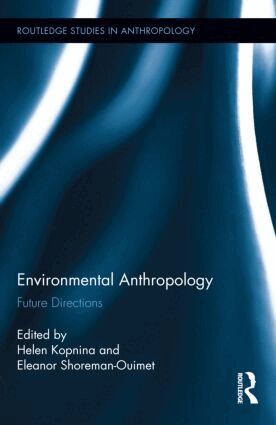
Environmental Anthropology studies historic and present human-environment interactions. This volume illustrates the ways in which today''s environmental anthropologists are constructing new paradigms for understanding the multiplicity of players, pressures, and ecologies in every environment, and the value of cultural knowledge of landscapes.
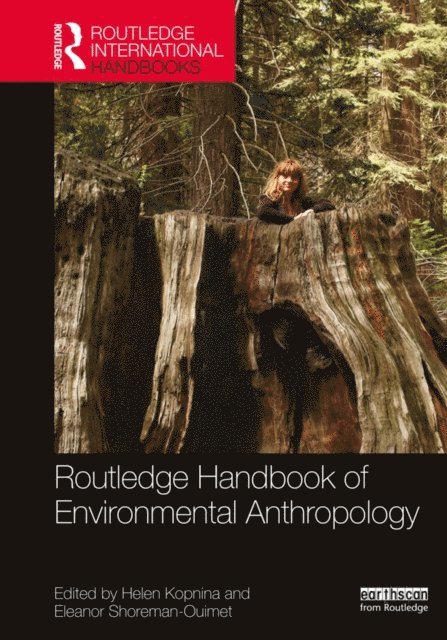
This Handbook provides a comprehensive survey of contemporary topics in environmental anthropology and thorough discussions on the current state and prospective future of the field in seven key sections. As the contributions to this Handbook demonstrate, the subfield of environmental anthropology is responding to cultural adaptations and responses to environmental changes in multiple and complex ways. As a discipline concerned primarily with human-environment interaction, environmental anthropologists recognize that we are now working within a pressure cooker of rapid environmental damage that is forcing behavioural and often cultural changes around the world. As we see in the breadth of topics presented in this volume, these environmental challenges have inspired renewed foci on traditional topics such as food procurement, ethnobiology, and spiritual ecology; and a broad new range of subjects, such as resilience, nonhuman rights, architectural anthropology, industrialism, and education. This volume enables scholars and students quick access to both established and trending environmental anthropological explorations into theory, methodology and practice.
860 kr
Läs direkt efter köp
Environmental Anthropology studies historic and present human-environment interactions. This volume illustrates the ways in which today''s environmental anthropologists are constructing new paradigms for understanding the multiplicity of players, pressures, and ecologies in every environment, and the value of cultural knowledge of landscapes.
This Handbook provides a comprehensive survey of contemporary topics in environmental anthropology and thorough discussions on the current state and prospective future of the field in seven key sections. As the contributions to this Handbook demonstrate, the subfield of environmental anthropology is responding to cultural adaptations and responses to environmental changes in multiple and complex ways. As a discipline concerned primarily with human-environment interaction, environmental anthropologists recognize that we are now working within a pressure cooker of rapid environmental damage that is forcing behavioural and often cultural changes around the world. As we see in the breadth of topics presented in this volume, these environmental challenges have inspired renewed foci on traditional topics such as food procurement, ethnobiology, and spiritual ecology; and a broad new range of subjects, such as resilience, nonhuman rights, architectural anthropology, industrialism, and education. This volume enables scholars and students quick access to both established and trending environmental anthropological explorations into theory, methodology and practice.
974 kr
Läs direkt efter köp
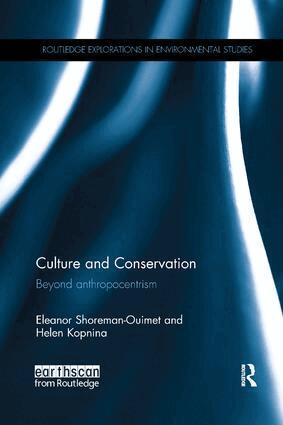
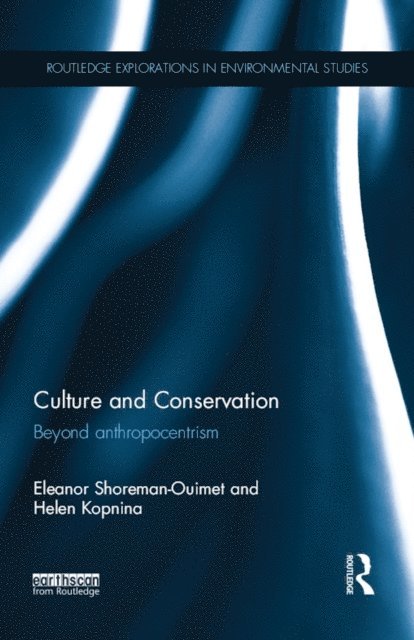
Today, there is growing interest in conservation and anthropologists have an important role to play in helping conservation succeed for the sake of humanity and for the sake of other species. Equally important, however, is the fact that we, as the species that causes extinctions, have a moral responsibility to those whose evolutionary unfolding and very future we threaten.
This volume is an examination of the relationship between conservation and the social sciences, particularly anthropology. It calls for increased collaboration between anthropologists, conservationists and environmental scientists, and advocates for a shift towards an environmentally focused perspective that embraces not only cultural values and human rights, but also the intrinsic value and rights to life of nonhuman species. This book demonstrates that cultural and biological diversity are intimately interlinked, and equally threatened by the industrialism that endangers the planet''s life-giving processes. The consideration of ecological data, as well as an expansion of ethics that embraces more than one species, is essential to a well-rounded understanding of the connections between human behavior and environmental wellbeing.
This book gives students and researchers in anthropology, conservation, environmental ethics and across the social sciences an invaluable insight into how innovative and intensive new interdisciplinary approaches, questions, ethics and subject pools can close the gap between culture and conservation.
974 kr
Läs direkt efter köp
Today, there is growing interest in conservation and anthropologists have an important role to play in helping conservation succeed for the sake of humanity and for the sake of other species. Equally important, however, is the fact that we, as the species that causes extinctions, have a moral responsibility to those whose evolutionary unfolding and very future we threaten.
This volume is an examination of the relationship between conservation and the social sciences, particularly anthropology. It calls for increased collaboration between anthropologists, conservationists and environmental scientists, and advocates for a shift towards an environmentally focused perspective that embraces not only cultural values and human rights, but also the intrinsic value and rights to life of nonhuman species. This book demonstrates that cultural and biological diversity are intimately interlinked, and equally threatened by the industrialism that endangers the planet''s life-giving processes. The consideration of ecological data, as well as an expansion of ethics that embraces more than one species, is essential to a well-rounded understanding of the connections between human behavior and environmental wellbeing.
This book gives students and researchers in anthropology, conservation, environmental ethics and across the social sciences an invaluable insight into how innovative and intensive new interdisciplinary approaches, questions, ethics and subject pools can close the gap between culture and conservation.