Elena Glazov-Corrigan – författare
Visar alla böcker från författaren Elena Glazov-Corrigan. Handla med fri frakt och snabb leverans.
5 produkter
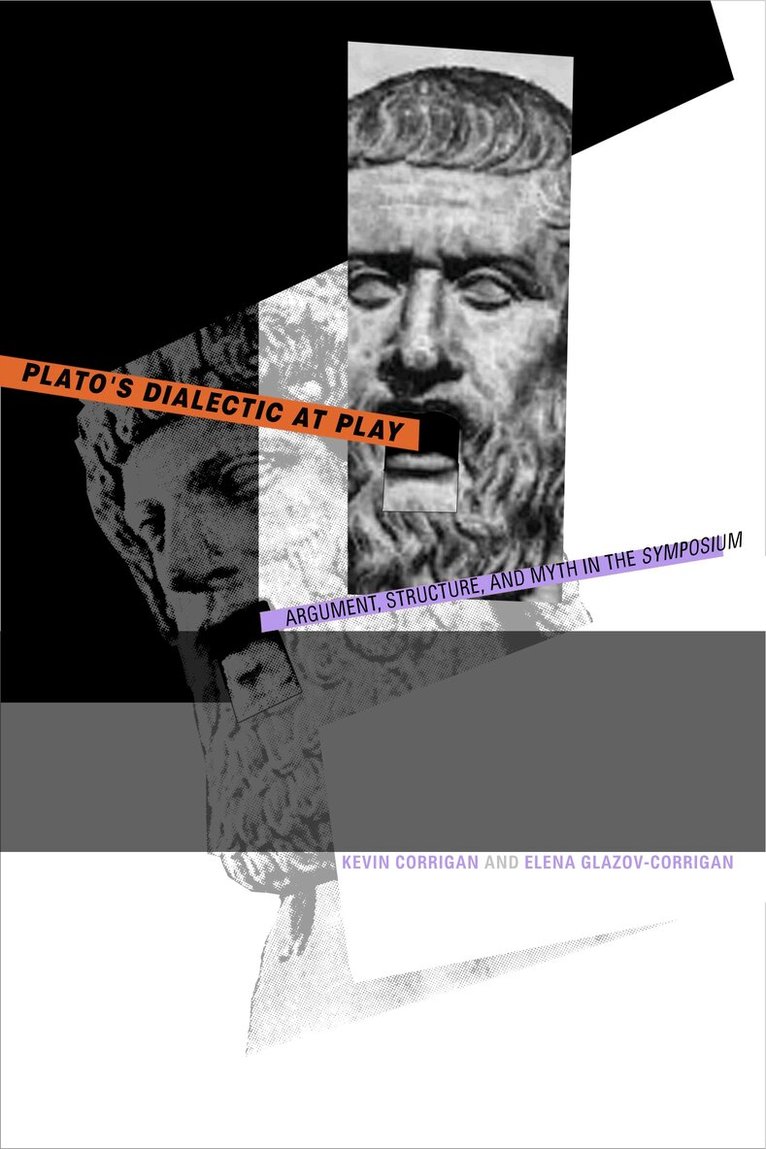
Plato's Dialectic at Play
Argument, Structure, and Myth in the Symposium
Av Kevin Corrigan, Elena Glazov-Corrigan
Inbunden, 2005
948 kr
Lägg i varukorg
The Symposium is one of Plato’s most accessible dialogues, an engrossing historical document as well as an entertaining literary masterpiece. By uncovering the structural design of the dialogue, Plato’s Dialectic at Play aims at revealing a Plato for whom the dialogical form was not merely …
Plato's Dialectic at Play
Argument, Structure, and Myth in the Symposium
Av Kevin Corrigan, Elena Glazov-Corrigan
Häftad, 2005
601 kr
Lägg i varukorg
The Symposium is one of Plato’s most accessible dialogues, an engrossing historical document as well as an entertaining literary masterpiece. By uncovering the structural design of the dialogue, Plato’s Dialectic at Play aims at revealing a Plato for whom the dialogical form was not merely …
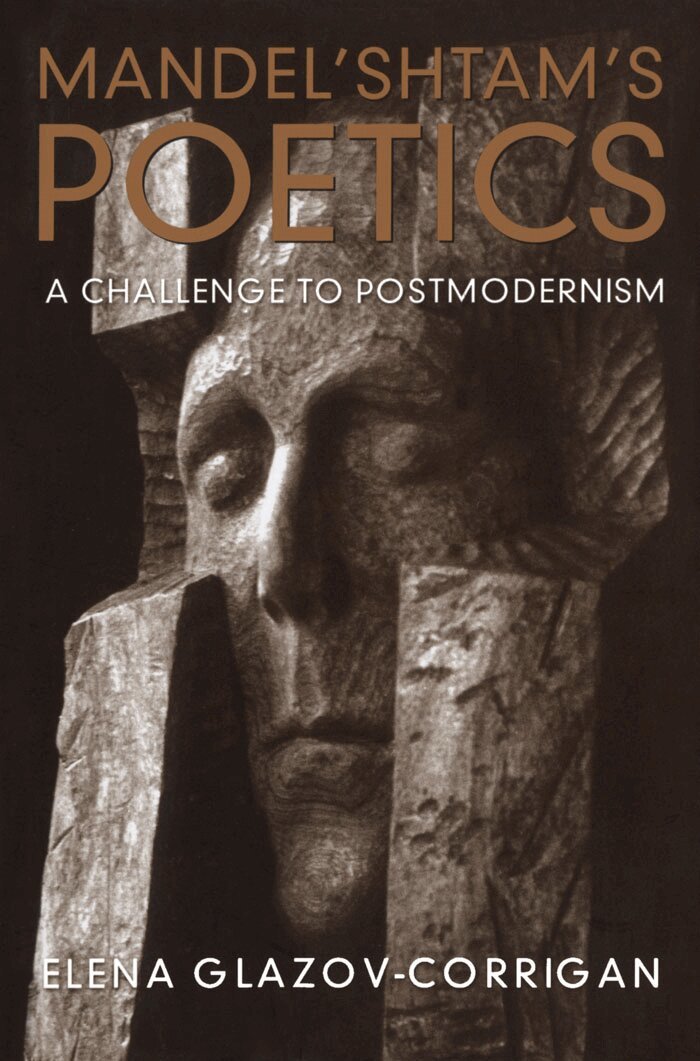
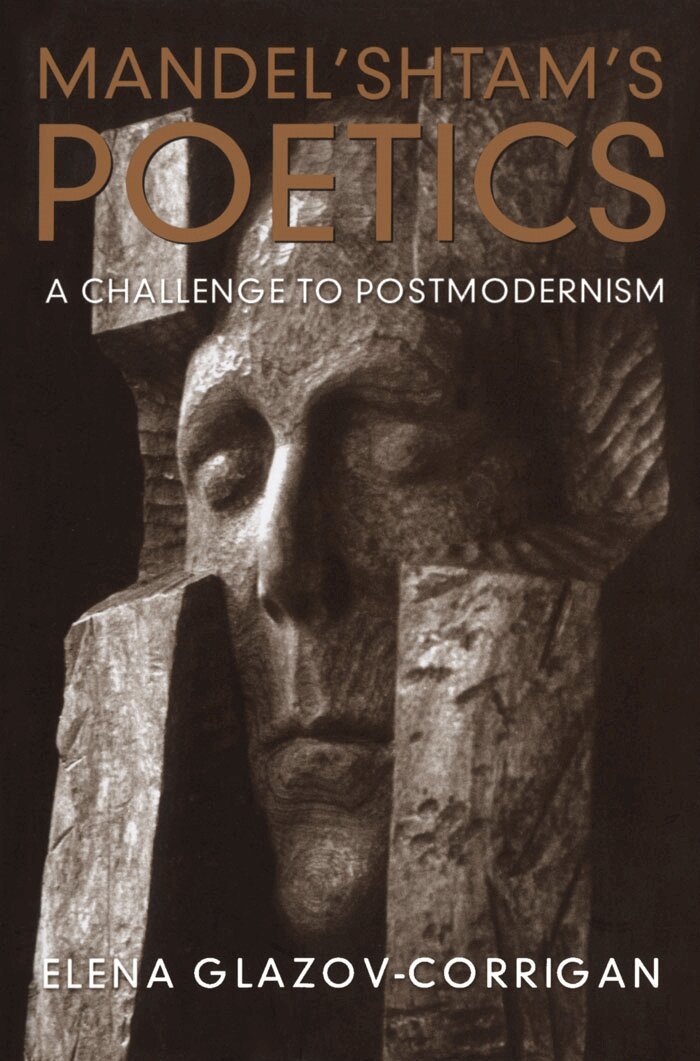
Mandel'shtam's Poetics
A Challenge to Postmodernism
E-bok, 2000
1050 kr
Lägg i varukorg
Osip Mandel'shtam (1891-1938) is considered by many to have been the best Russian poet of his era, and he also wrote a number of critical essays, often considered to be almost impenetrable. Elena Glazov-Corrigan analyses Mandel'shtam's thoughts on poetry and art in the context of the major …
Mandel'shtam's Poetics
A Challenge to Postmodernism
Inbunden, 2000
778 kr
Tillfälligt slut
Osip Mandel'shtam (1891-1938) is considered by many to have been the best Russian poet of his era, and he also wrote a number of critical essays, often considered to be almost impenetrable. Elena Glazov-Corrigan analyses Mandel'shtam's thoughts on poetry and art in the context of the major …