Elif Keskiner – författare
Visar alla böcker från författaren Elif Keskiner. Handla med fri frakt och snabb leverans.
5 produkter
5 produkter
Häftad, Engelska, 2020
549 kr
Skickas inom 5-8 vardagar
Inbunden, Engelska, 2020
615 kr
Skickas inom 5-8 vardagar
Inbunden, Engelska, 2019
548 kr
Skickas inom 10-15 vardagar
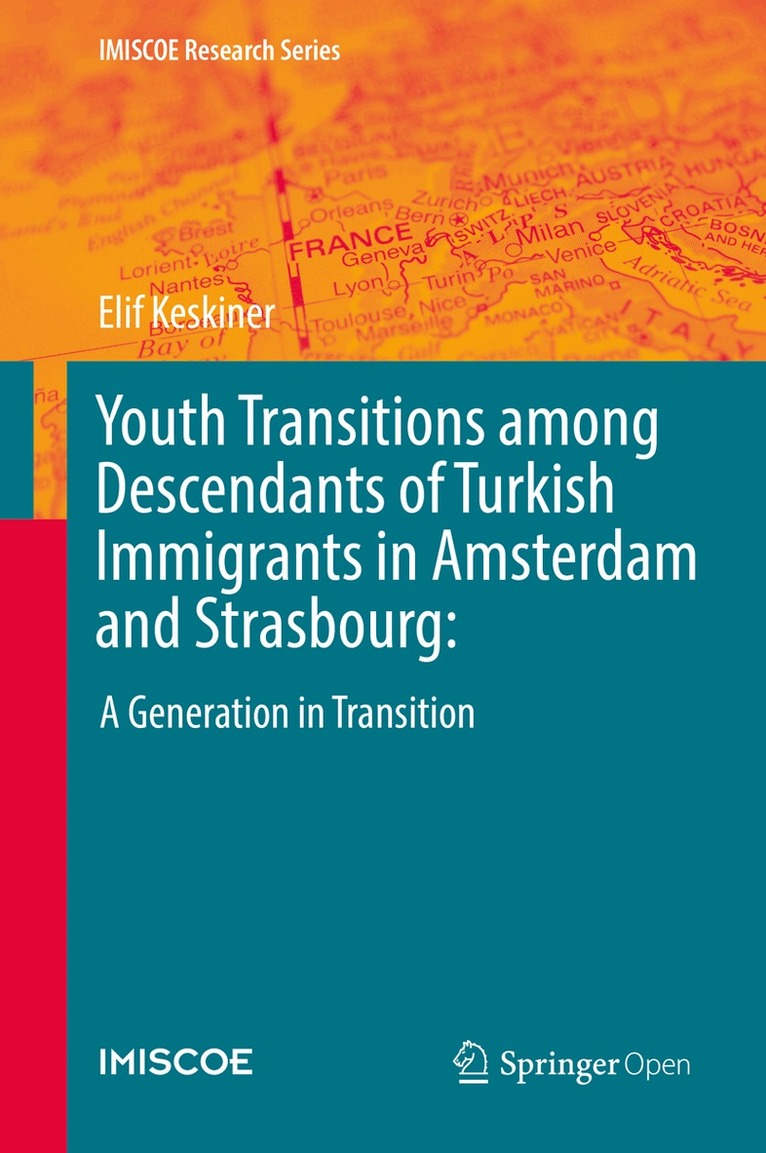
This open access book maps the youth transitions of descendants of migrants from Turkey living in Amsterdam and Strasbourg, through a comparative mixed-methods research design. As such, it is of interest to discussions in youth sociology, social mobility and second-generation research. The book follows transition trajectories of the second-generation, from school to activity or inactivity in the labour market, to marriage or further study and, deepens our understanding of transitions by unravelling the macro and micro mechanisms behind individual pathways. On the one hand, the author reveals the ongoing significance of distinct macro institutional settings as well as social structures such as social class, ethnicity and gender in shaping the youth transition experience. On the other, she shows that youth transitions are not predestined to social reproduction when institutional and social structures create conditions for the development of resources necessary for social mobility. Therefore, through an examination of how immigrants’ descendants develop forms of capital in their social trajectories, in relation to institutional and social structures, the book advances the theoretical discussion on Bourdieu’s capital theory. Moreover, in times when native-born descendants of immigrants are at the forefront of public debate being subjected to normative integration demands, the book significantly shifts the lens and draws our attention to the daily challenges and realities faced by ethnic minority youth.
Inbunden, Engelska, 2022
548 kr
Skickas inom 10-15 vardagar
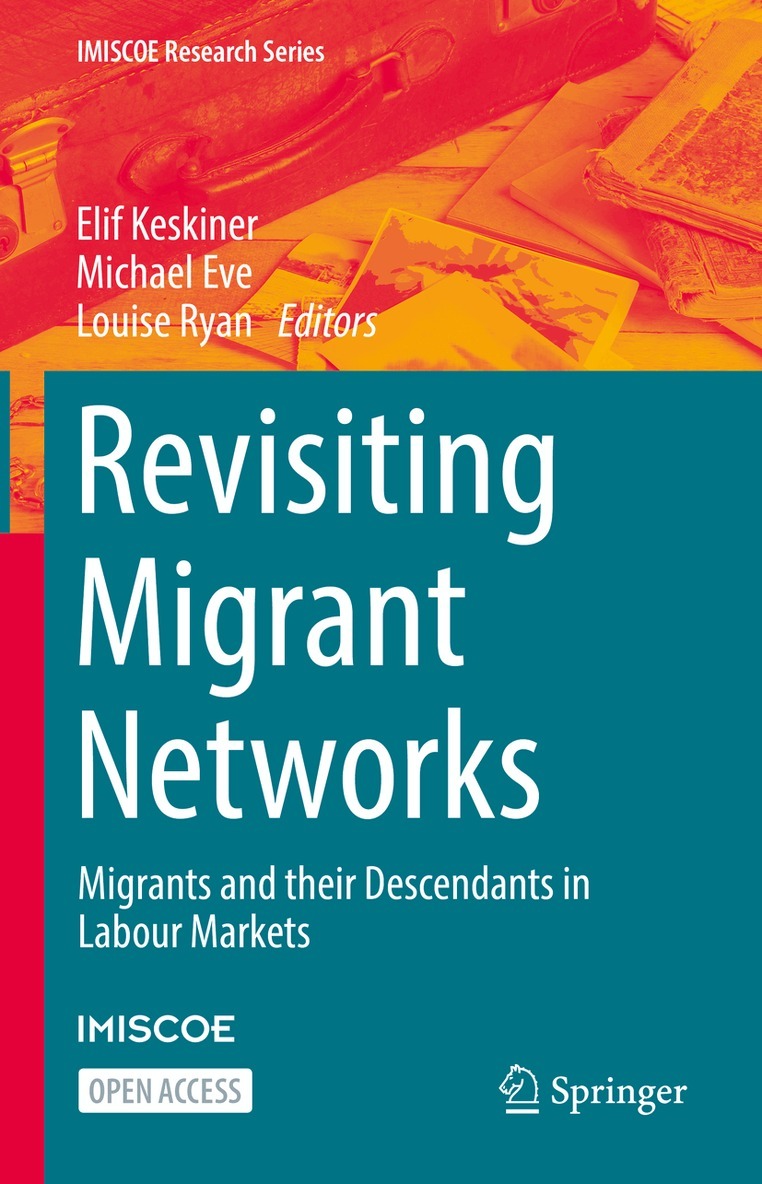
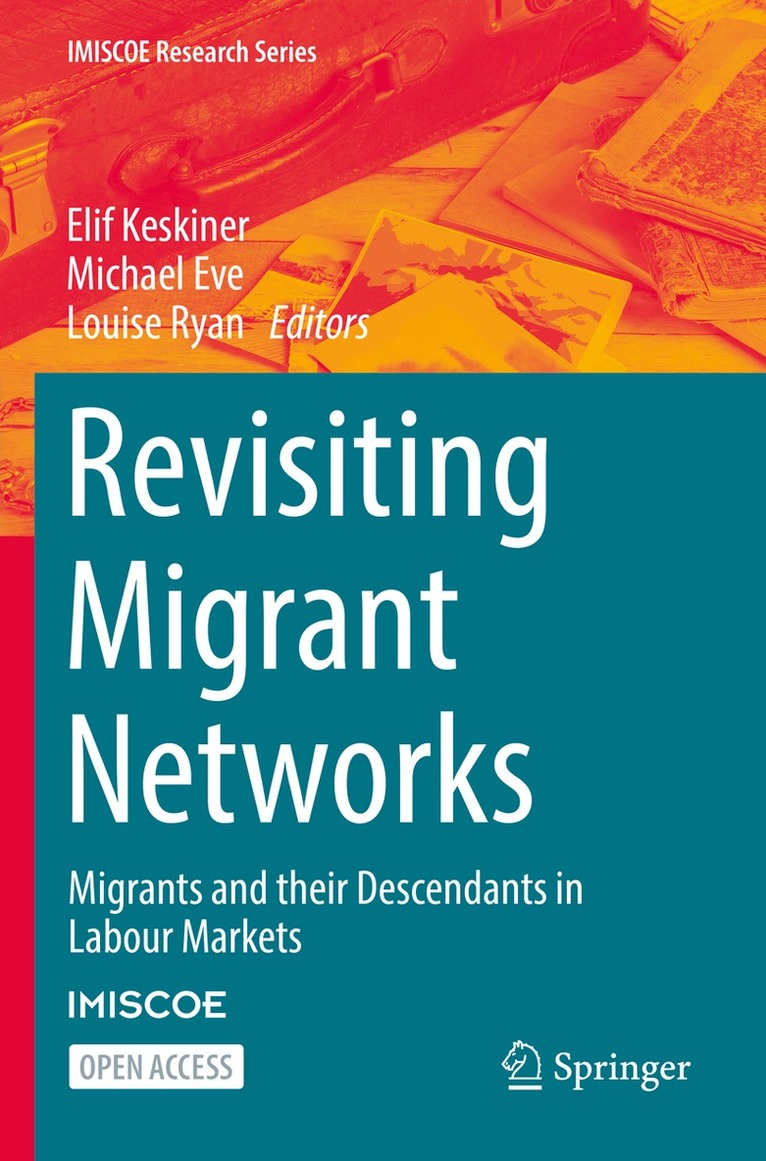
This open access book provides new conceptualisations on the networks of migrants and their descendants in accessing the labour market. Although references to social networks are common in discussions of migration, simplified ideas of co-ethnic networks often obscure the reality, for example confounding ties with co-ethnics and ‘strong ties’. This open access book addresses key questions about the role of networks in migration contexts, particularly in relation to how migrants and their descendants, access the labour market and develop their employment trajectories over time. Rather than adopting a narrow essentializing ethnic lens, the research presented in this book explores intersectional identities of class, generation and gender. By focusing on the kinds of capital circulating between ties, including the dark side of social capital, the book offers insights into power dynamics and the potentially exclusionary dimension of networks. Taking a long term view, acrossgenerations, the research in this book shows how migrants and their descendants mobilize resources to tackle discrimination and enhance their position within particular labour markets. Drawing on robust quantitative and rich qualitative data, this book provides a primary source to students, scholars and policy-makers focusing on issues of migration, social networks, social mobility as well as labour market inequalities.
Häftad, Engelska, 2022
440 kr
Skickas inom 10-15 vardagar
This open access book provides new conceptualisations on the networks of migrants and their descendants in accessing the labour market. Although references to social networks are common in discussions of migration, simplified ideas of co-ethnic networks often obscure the reality, for example confounding ties with co-ethnics and ‘strong ties’. This open access book addresses key questions about the role of networks in migration contexts, particularly in relation to how migrants and their descendants, access the labour market and develop their employment trajectories over time. Rather than adopting a narrow essentializing ethnic lens, the research presented in this book explores intersectional identities of class, generation and gender. By focusing on the kinds of capital circulating between ties, including the dark side of social capital, the book offers insights into power dynamics and the potentially exclusionary dimension of networks. Taking a long term view, acrossgenerations, the research in this book shows how migrants and their descendants mobilize resources to tackle discrimination and enhance their position within particular labour markets. Drawing on robust quantitative and rich qualitative data, this book provides a primary source to students, scholars and policy-makers focusing on issues of migration, social networks, social mobility as well as labour market inequalities.