Elizabeth A. Dolan – författare
Visar alla böcker från författaren . Handla med fri frakt och snabb leverans.
6 produkter
6 produkter
Inbunden, Engelska, 2008
2 763 kr
Skickas inom 10-15 vardagar
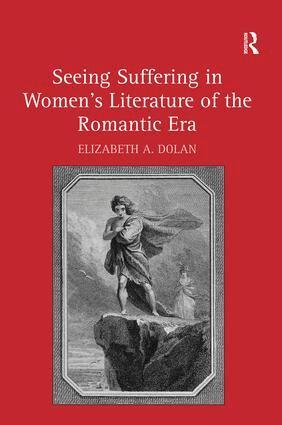
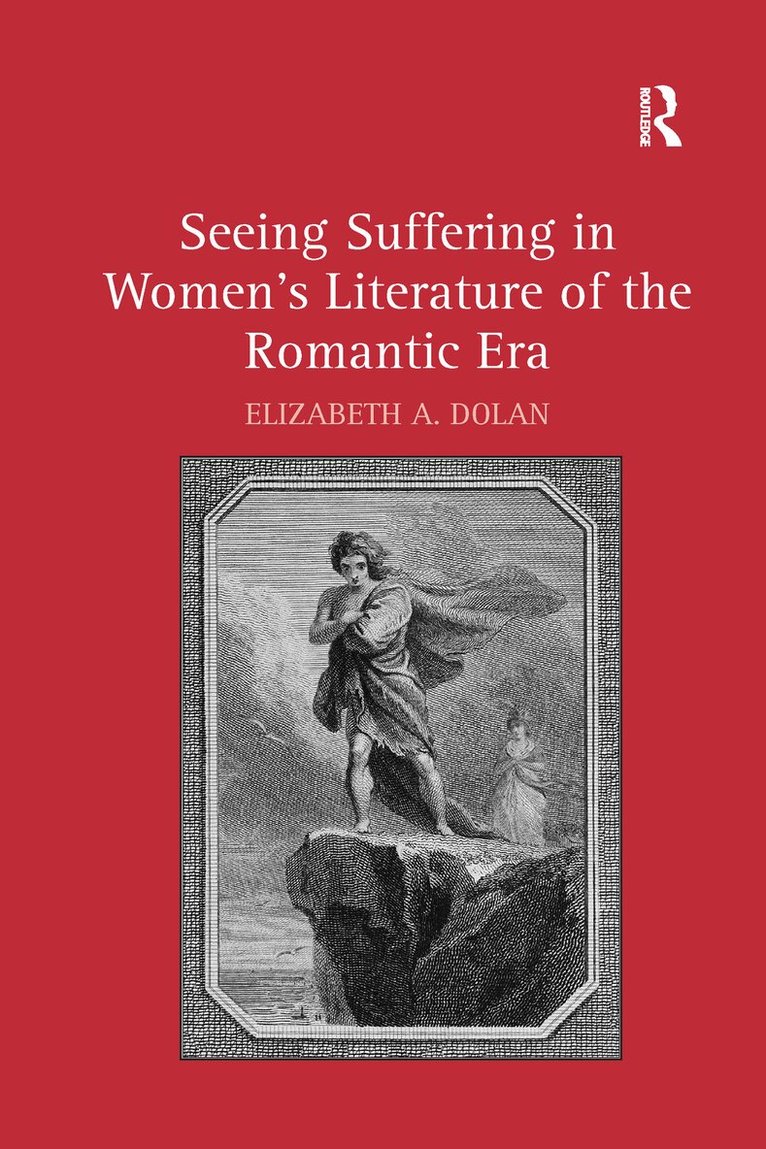
Arguing that vision was the dominant mode for understanding suffering in the Romantic era, Elizabeth A. Dolan shows that Mary Wollstonecraft, Charlotte Smith, and Mary Shelley experimented with aesthetic and scientific visual methods in order to expose the social structures underlying suffering. Dolan's exploration of illness, healing, and social justice in the writings of these three authors depends on two major questions: How do women writers' innovations in literary form make visible previously unseen suffering? And, how do women authors portray embodied vision to claim literary authority? Dolan's research encompasses a wide range of primary sources in science and medicine, including nosology, health travel, botany, and ophthalmology, allowing her to map the resonances and disjunctions between medical theory and literature. This in turn points towards a revisioning of enduring themes in Romanticism such as the figure of the Romantic poet, the relationship between the mind and nature, sensibility and sympathy, solitude and sociability, landscape aesthetics, the reform novel, and Romantic-era science. Dolan's book is distinguished by its deep engagement with several disciplines and genres, making it a key text for understanding Romanticism, the history of medicine, and the position of the woman writer during the period.
Häftad, Engelska, 2016
889 kr
Skickas inom 10-15 vardagar
Arguing that vision was the dominant mode for understanding suffering in the Romantic era, Elizabeth A. Dolan shows that Mary Wollstonecraft, Charlotte Smith, and Mary Shelley experimented with aesthetic and scientific visual methods in order to expose the social structures underlying suffering. Dolan's exploration of illness, healing, and social justice in the writings of these three authors depends on two major questions: How do women writers' innovations in literary form make visible previously unseen suffering? And, how do women authors portray embodied vision to claim literary authority? Dolan's research encompasses a wide range of primary sources in science and medicine, including nosology, health travel, botany, and ophthalmology, allowing her to map the resonances and disjunctions between medical theory and literature. This in turn points towards a revisioning of enduring themes in Romanticism such as the figure of the Romantic poet, the relationship between the mind and nature, sensibility and sympathy, solitude and sociability, landscape aesthetics, the reform novel, and Romantic-era science. Dolan's book is distinguished by its deep engagement with several disciplines and genres, making it a key text for understanding Romanticism, the history of medicine, and the position of the woman writer during the period.
E-bok
Engelska, 20161 061 kr
Läs direkt efter köp
Arguing that vision was the dominant mode for understanding suffering in the Romantic era, Elizabeth A. Dolan shows that Mary Wollstonecraft, Charlotte Smith, and Mary Shelley experimented with aesthetic and scientific visual methods in order to expose the social structures underlying suffering. Dolan''s exploration of illness, healing, and social justice in the writings of these three authors depends on two major questions: How do women writers'' innovations in literary form make visible previously unseen suffering? And, how do women authors portray embodied vision to claim literary authority? Dolan''s research encompasses a wide range of primary sources in science and medicine, including nosology, health travel, botany, and ophthalmology, allowing her to map the resonances and disjunctions between medical theory and literature. This in turn points towards a revisioning of enduring themes in Romanticism such as the figure of the Romantic poet, the relationship between the mind and nature, sensibility and sympathy, solitude and sociability, landscape aesthetics, the reform novel, and Romantic-era science. Dolan''s book is distinguished by its deep engagement with several disciplines and genres, making it a key text for understanding Romanticism, the history of medicine, and the position of the woman writer during the period.
E-bok
PDF, Engelska, 20161 063 kr
Läs direkt efter köp
Arguing that vision was the dominant mode for understanding suffering in the Romantic era, Elizabeth A. Dolan shows that Mary Wollstonecraft, Charlotte Smith, and Mary Shelley experimented with aesthetic and scientific visual methods in order to expose the social structures underlying suffering. Dolan''s exploration of illness, healing, and social justice in the writings of these three authors depends on two major questions: How do women writers'' innovations in literary form make visible previously unseen suffering? And, how do women authors portray embodied vision to claim literary authority? Dolan''s research encompasses a wide range of primary sources in science and medicine, including nosology, health travel, botany, and ophthalmology, allowing her to map the resonances and disjunctions between medical theory and literature. This in turn points towards a revisioning of enduring themes in Romanticism such as the figure of the Romantic poet, the relationship between the mind and nature, sensibility and sympathy, solitude and sociability, landscape aesthetics, the reform novel, and Romantic-era science. Dolan''s book is distinguished by its deep engagement with several disciplines and genres, making it a key text for understanding Romanticism, the history of medicine, and the position of the woman writer during the period.
Inbunden, Engelska, 2020
1 750 kr
Skickas inom 10-15 vardagar
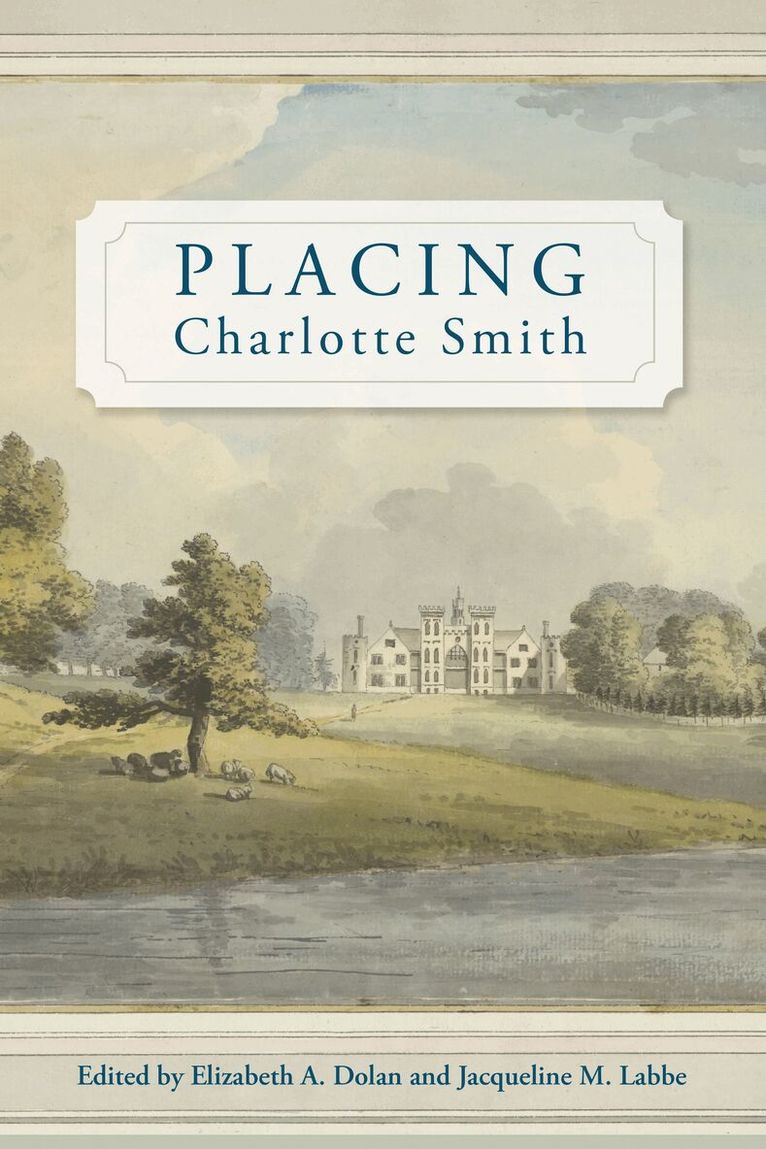
A lively and far-ranging interest in place, space, and situation characterizes the work of Romantic-era British author Charlotte Smith (1749-1806). Featuring ten original essays, an introduction and an epilogue, this volume offers new insights into Smith’s life and work by exploring two central issues: Smith’s place as a foundational writer in her period, and her contribution to the creation of “place” as a concept of social and literary importance. The contributors analyze themes such as itineracy, the natural world, and patriotism; they also explore the position of Smith’s work and authorial identity in terms of genre, aesthetics, and market dynamics. With its innovative approach to place as a material location, symbolic principle, and literary device, this volume advances our understanding of Smith’s work. Placing Charlotte Smith reveals Smith as an author who not only energizes our interest in domestic concerns, but who also shapes a global discourse constituted by changing ideas about borders, travel, national, and international identities.
E-bok
Engelska, 20201 909 kr
Läs direkt efter köp
A lively and far-ranging interest in place, space, and situation characterizes the work of Romantic-era British author Charlotte Smith (1749-1806). Featuring ten original essays, an introduction and an epilogue, this volume offers new insights into Smith’s life and work by exploring two central issues: Smith’s place as a foundational writer in her period, and her contribution to the creation of “place” as a concept of social and literary importance. The contributors analyze themes such as itineracy, the natural world, and patriotism; they also explore the position of Smith’s work and authorial identity in terms of genre, aesthetics, and market dynamics. With its innovative approach to place as a material location, symbolic principle, and literary device, this volume advances our understanding of Smith’s work. Placing Charlotte Smith reveals Smith as an author who not only energizes our interest in domestic concerns, but who also shapes a global discourse constituted by changing ideas about borders, travel, national, and international identities.