Elizabeth B. Torres – författare
Visar alla böcker från författaren Elizabeth B. Torres. Handla med fri frakt och snabb leverans.
8 produkter
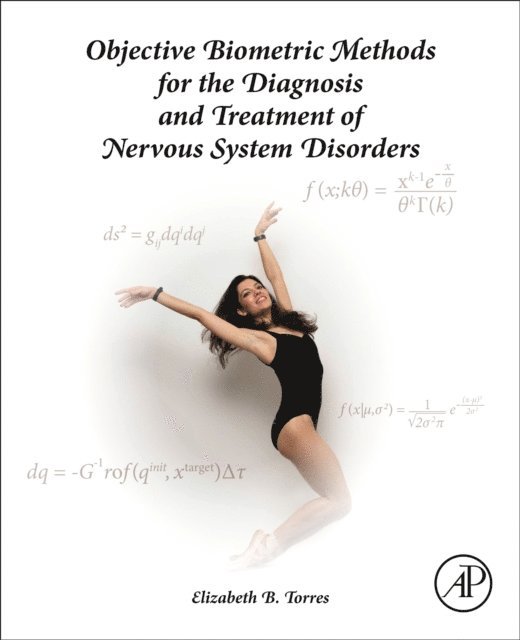
Objective Biometric Methods for the Diagnosis and Treatment of Nervous System Disorders
Inbunden, 2018
1315 kr
Lägg i varukorg
Objective Biometric Methods for the Diagnosis and Treatment of Nervous System Disorders provides a new and unifying methodological framework, introducing new objective biometrics to characterize patterns of sensory motor control underlying symptoms. Its goal is to radically transform the ways in …
Objective Biometric Methods for the Diagnosis and Treatment of Nervous System Disorders
E-bok, 2018
1814 kr
Lägg i varukorg
Objective Biometric Methods for the Diagnosis and Treatment of Nervous System Disorders provides a new and unifying methodological framework, introducing new objective biometrics to characterize patterns of sensory motor control underlying symptoms. Its goal is to radically transform the ways in …
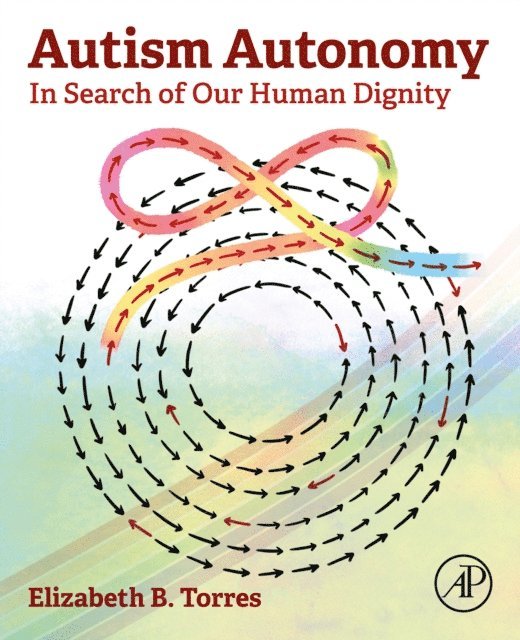
Autism Autonomy
In Search of Our Human Dignity
Häftad, 2024
1483 kr
Lägg i varukorg
Autism Autonomy: In Search of Our Human Dignity provides a new and unifying methodological framework and discusses machine learning and biometrics techniques to diagnose, characterize, and treat patterns of sensory motor control underlying autism symptoms. With the hope of improving basic research …
Autism Autonomy
In Search of Our Human Dignity
E-bok, 2024
2109 kr
Lägg i varukorg
Autism Autonomy: In Search of Our Human Dignity provides a new and unifying methodological framework and discusses machine learning and biometrics techniques to diagnose, characterize, and treat patterns of sensory motor control underlying autism symptoms. With the hope of improving basic research …
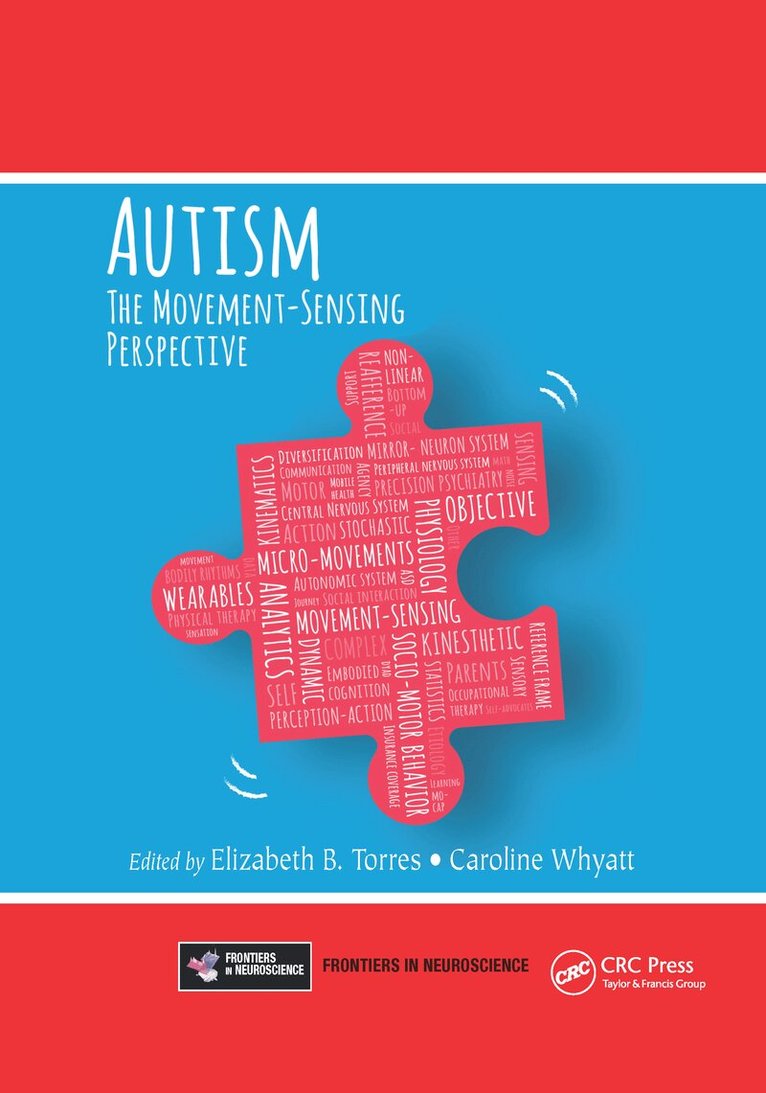
Autism
The Movement Sensing Perspective
Av Elizabeth B. Torres, Caroline Whyatt
Häftad, 2021
814 kr
Lägg i varukorg
Autism: The Movement Sensing Perspective is the result of a collaborative effort by parents, therapists, clinicians, and researchers from all disciplines in science including physics, engineering, and applied mathematics. This book poses questions regarding the current conceptualization and …
Autism
The Movement Sensing Perspective
Av Caroline Whyatt, Elizabeth B. Torres
E-bok, 2017
750 kr
Lägg i varukorg
Autism: The Movement Sensing Perspective is the result of a collaborative effort by parents, therapists, clinicians, and researchers from all disciplines in science including physics, engineering, and applied mathematics. This book poses questions regarding the current conceptualization and …
Autism
The Movement Sensing Perspective
Av Elizabeth B. Torres, Caroline Whyatt
Inbunden, 2017
3147 kr
Lägg i varukorg
Autism: The Movement Sensing Perspective is the result of a collaborative effort by parents, therapists, clinicians, and researchers from all disciplines in science including physics, engineering, and applied mathematics. This book poses questions regarding the current conceptualization and …
Autism
The Movement Sensing Perspective
Av Caroline Whyatt, Elizabeth B. Torres
E-bok, 2017
767 kr
Lägg i varukorg
Autism: The Movement Sensing Perspective is the result of a collaborative effort by parents, therapists, clinicians, and researchers from all disciplines in science including physics, engineering, and applied mathematics. This book poses questions regarding the current conceptualization and …