Elizabeth Cary – författare
Visar alla böcker från författaren Elizabeth Cary. Handla med fri frakt och snabb leverans.
12 produkter
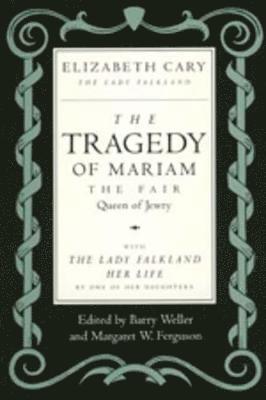
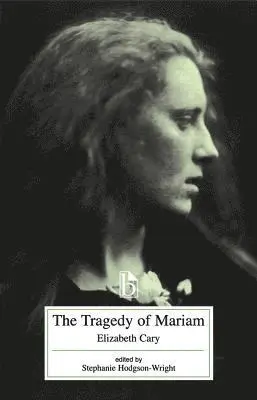
Tragedy of Mariam, the Fair Queen of Jewry
with The Lady Falkland: Her Life, by One of Her Daughters
Av Elizabeth Cary, Barry Weller m. fl.
Häftad, 1994
296 kr
Lägg i varukorg
The Tragedy of Mariam (1613) is the first original play by a woman to be published in England, and its author is the first English woman writer to be memorialized in a biography, which is included with this edition of the play. Mariam is a distinctive example of Renaissance drama that serves the …
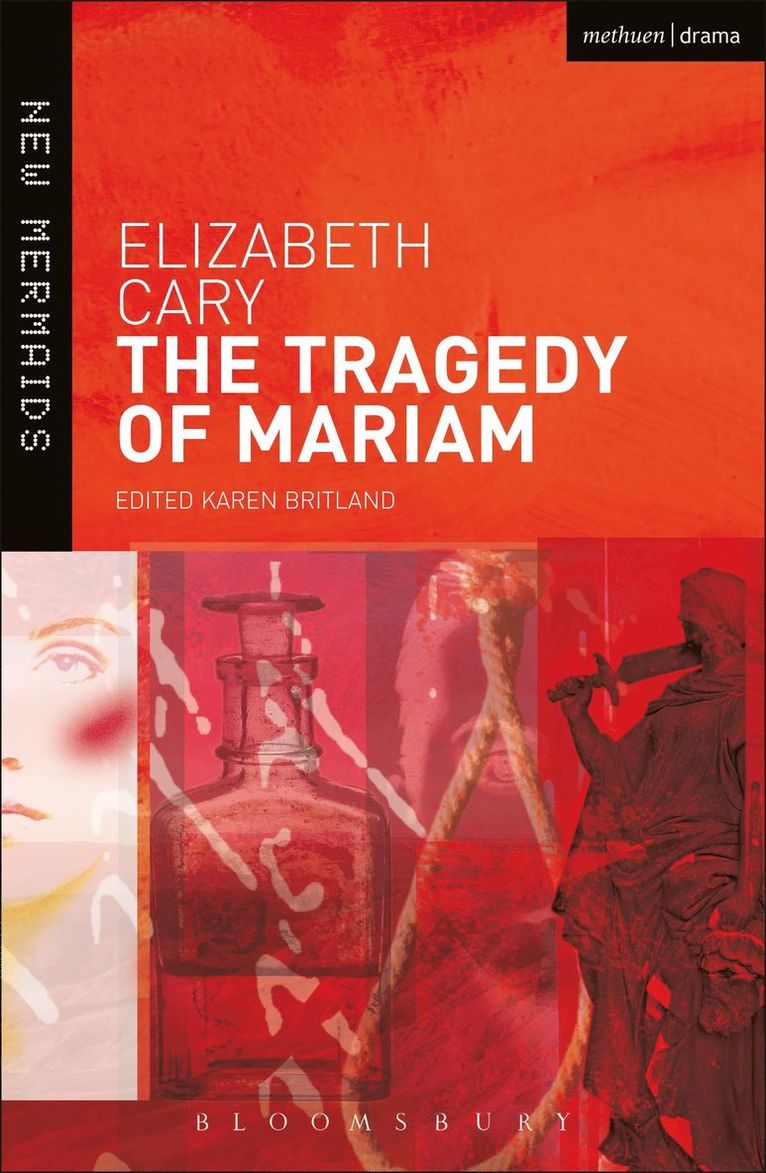
Tragedy of Mariam
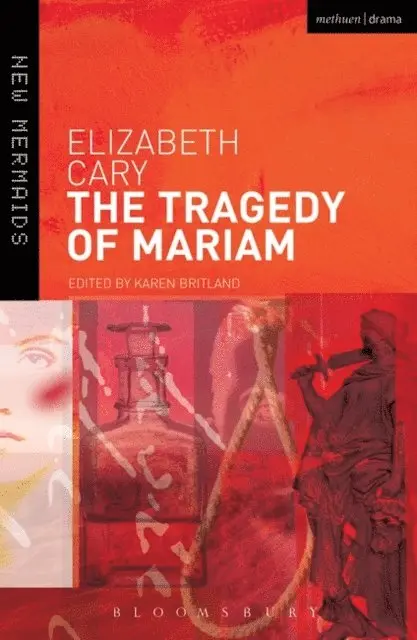
Av Elizabeth Cary, Karen Britland
Häftad, 2010
185 kr
Lägg i varukorg
The Tragedy of Mariam, the Fair Queen of Jewry is a Jacobean closet drama by Elizabeth Tanfield Cary. First published in 1613, it was the first work by a woman to be published under her real name. Never performed during Cary's lifetime, and apparently never intended for performance, the Senecan …
Tragedy of Mariam
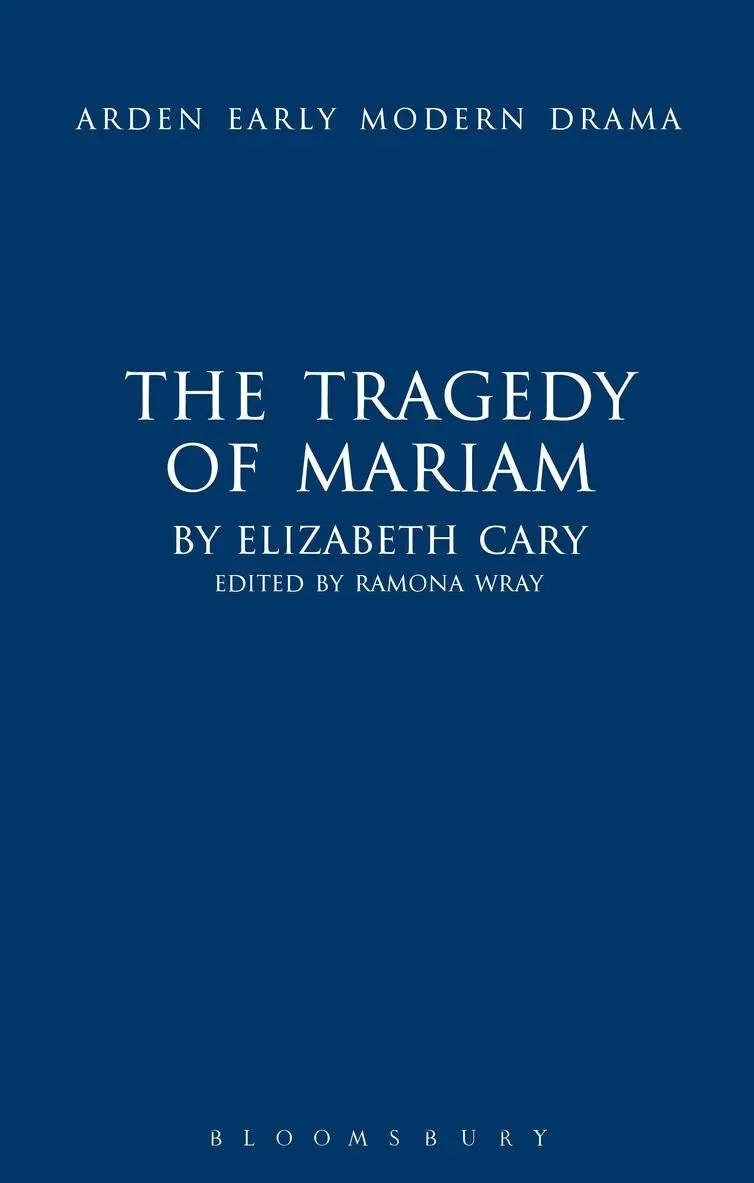
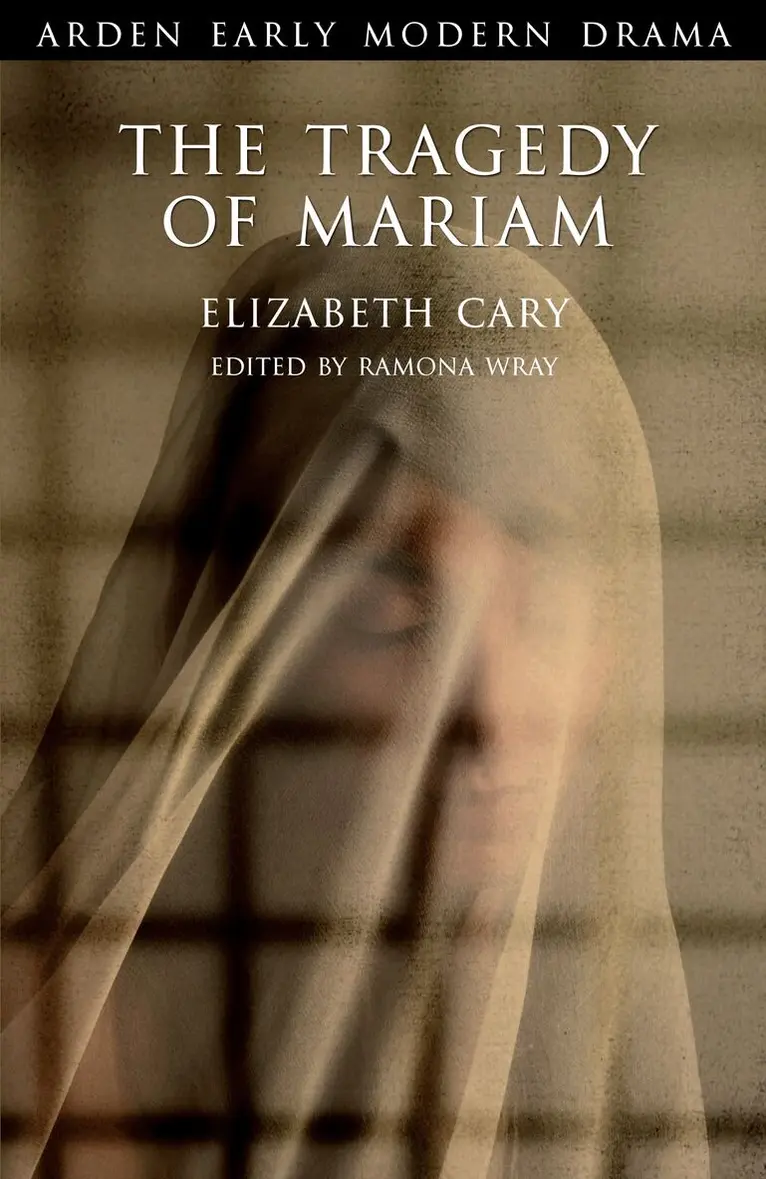
Av Elizabeth Cary, Ramona Wray
Inbunden, 2012
1554 kr
Lägg i varukorg
Tragedy of Mariam, the Fair Queen of Jewry is a Jacobean closet drama by Elizabeth Tanfield Cary. First published in 1613, it was the first work by a woman to be published under her real name. Never performed during Cary's lifetime, and apparently never intended for performance, the Senecan revenge …
Tragedy of Mariam
Av Elizabeth Cary, Karen Britland
Inbunden, 2010
757 kr
Lägg i varukorg
The Tragedy of Mariam, the Fair Queen of Jewry is a Jacobean closet drama by Elizabeth Tanfield Cary. First published in 1613, it was the first work by a woman to be published under her real name. Never performed during Cary's lifetime, and apparently never intended for performance, the Senecan …
Tragedy of Mariam
Av Elizabeth Cary, Karen Britland
E-bok, 2014
193 kr
Lägg i varukorg
The Tragedy of Mariam, the Fair Queen of Jewry is a Jacobean closet drama by Elizabeth Tanfield Cary. First published in 1613, it was the first work by a woman to be published under her real name. Never performed during Cary''s lifetime, and apparently never intended for performance, the Senecan …
Tragedy of Mariam
Av Elizabeth Cary, Karen Britland
E-bok, 2014
197 kr
Lägg i varukorg
The Tragedy of Mariam, the Fair Queen of Jewry is a Jacobean closet drama by Elizabeth Tanfield Cary. First published in 1613, it was the first work by a woman to be published under her real name. Never performed during Cary''s lifetime, and apparently never intended for performance, the Senecan …
Tragedy of Mariam
Av Elizabeth Cary, Ramona Wray
Häftad, 2012
298 kr
Lägg i varukorg
Tragedy of Mariam, the Fair Queen of Jewry is a Jacobean closet drama by Elizabeth Tanfield Cary. First published in 1613, it was the first work by a woman to be published under her real name. Never performed during Cary's lifetime, and apparently never intended for performance, the Senecan revenge …