Elizabeth Currid-Halkett – författare
371 kr
Skickas inom 5-8 vardagar
207 kr
Skickas inom 5-8 vardagar
482 kr
Läs direkt efter köp
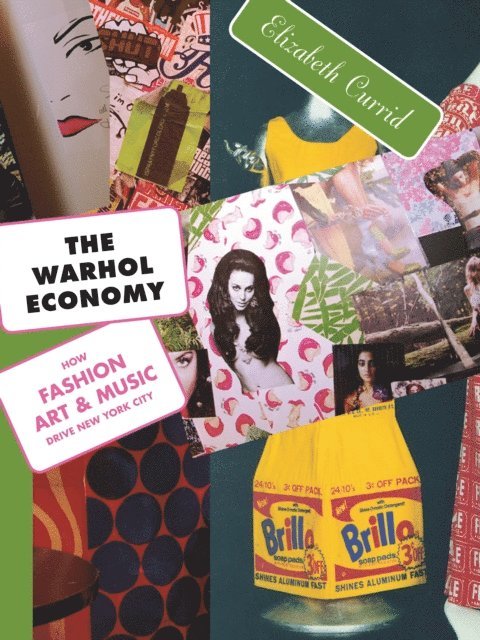
Which is more important to New York City''s economy, the gleaming corporate office--or the grungy rock club that launches the best new bands? If you said "office," think again. In The Warhol Economy, Elizabeth Currid argues that creative industries like fashion, art, and music drive the economy of New York as much as--if not more than--finance, real estate, and law. And these creative industries are fueled by the social life that whirls around the clubs, galleries, music venues, and fashion shows where creative people meet, network, exchange ideas, pass judgments, and set the trends that shape popular culture. The implications of Currid''s argument are far-reaching, and not just for New York. Urban policymakers, she suggests, have not only seriously underestimated the importance of the cultural economy, but they have failed to recognize that it depends on a vibrant creative social scene. They haven''t understood, in other words, the social, cultural, and economic mix that Currid calls the Warhol economy. With vivid first-person reporting about New York''s creative scene, Currid takes the reader into the city spaces where the social and economic lives of creativity merge. The book has fascinating original interviews with many of New York''s important creative figures, including fashion designers Zac Posen and Diane von Furstenberg, artists Ryan McGinness and Futura, and members of the band Clap Your Hands Say Yeah. The economics of art and culture in New York and other cities has been greatly misunderstood and underrated. The Warhol Economy explains how the cultural economy works-and why it is vital to all great cities.
278 kr
Skickas inom 3-6 vardagar
208 kr
Läs direkt efter köp
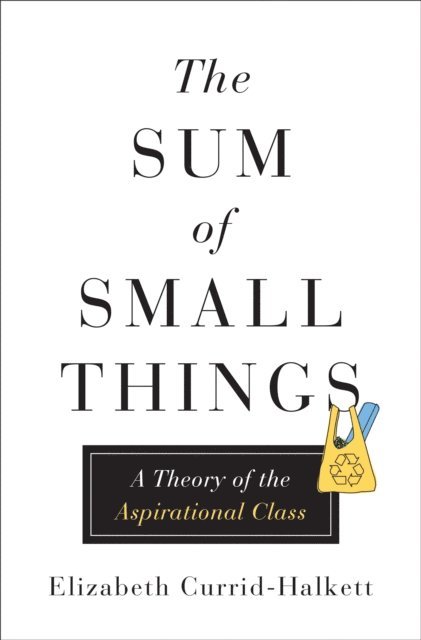
How the leisure class has been replaced by a new elite, and how their consumer habits affect us allIn today’s world, the leisure class has been replaced by a new elite. Highly educated and defined by cultural capital rather than income bracket, these individuals earnestly buy organic, carry NPR tote bags, and breast-feed their babies. They care about discreet, inconspicuous consumption—like eating free-range chicken and heirloom tomatoes, wearing organic cotton shirts and TOMS shoes, and listening to the Serial podcast. They use their purchasing power to hire nannies and housekeepers, to cultivate their children’s growth, and to practice yoga and Pilates. In The Sum of Small Things, Elizabeth Currid-Halkett dubs this segment of society “the aspirational class” and discusses how, through deft decisions about education, health, parenting, and retirement, the aspirational class reproduces wealth and upward mobility, deepening the ever-wider class divide.Exploring the rise of the aspirational class, Currid-Halkett considers how much has changed since the 1899 publication of Thorstein Veblen’s Theory of the Leisure Class. In that inflammatory classic, which coined the phrase “conspicuous consumption,” Veblen described upper-class frivolities: men who used walking sticks for show, and women who bought silver flatware despite the effectiveness of cheaper aluminum utensils. Now, Currid-Halkett argues, the power of material goods as symbols of social position has diminished due to their accessibility. As a result, the aspirational class has altered its consumer habits away from overt materialism to more subtle expenditures that reveal status and knowledge. And these transformations influence how we all make choices.With a rich narrative and extensive interviews and research, The Sum of Small Things illustrates how cultural capital leads to lifestyle shifts and what this forecasts, not just for the aspirational class but for everyone.