Elizabeth Van Wie Davis - Böcker
Visar alla böcker från författaren Elizabeth Van Wie Davis. Handla med fri frakt och snabb leverans.
6 produkter
6 produkter
1 719 kr
Skickas inom 5-8 vardagar
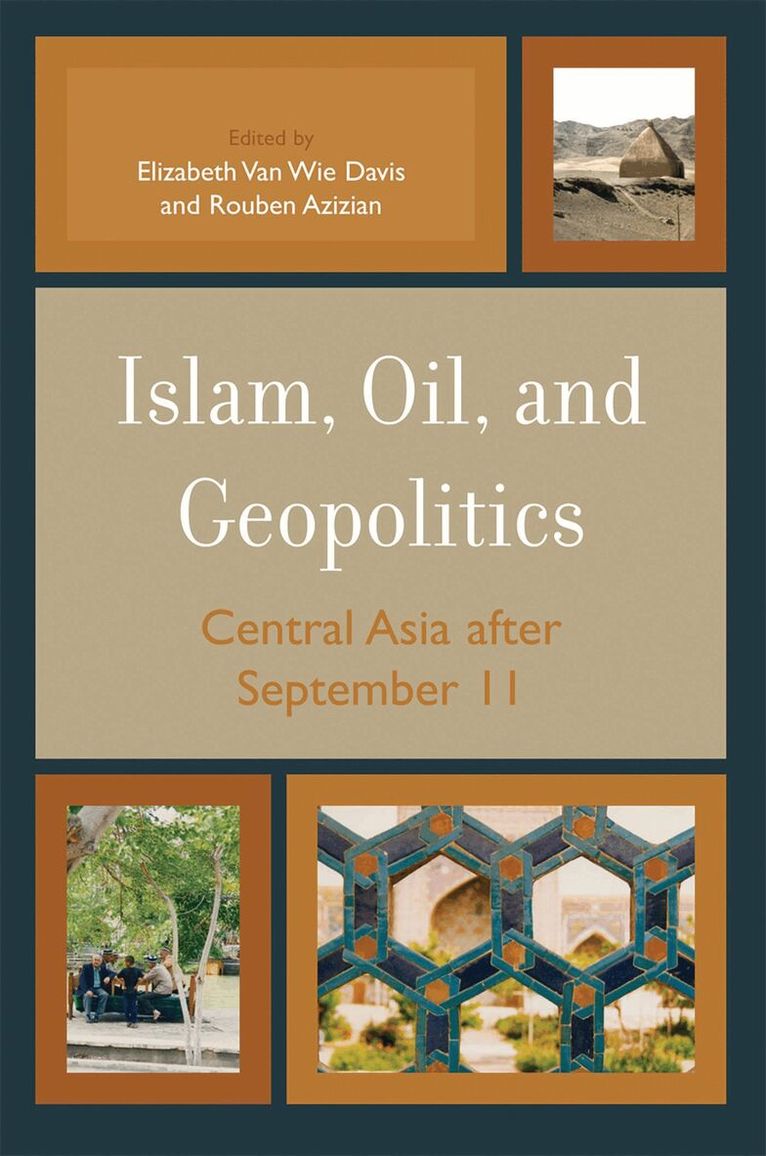
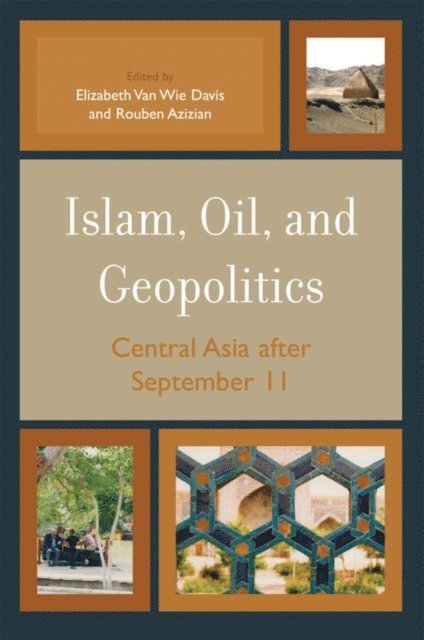
Since the tragic events of September 11, Central Asia has been drawn into the intense struggle of the international community against the forces of religious extremism and transnational crime. The great powers were able to put aside their geopolitical differences in order to crush al-Qaeda and the Taliban. With the marginalization of the Taliban and the eviction of al-Qaeda from Afghanistan, however, the tension between the great powers is notably increasing, as is the discomfort of Central Asian states who find themselves, their political development, and their oil reserves in the middle of a renewed Great Game. Islam, Oil, and Geopolitics is a truly international volume, including chapters written by senior scholars, upcoming students in the field, prominent diplomats, and renowned academics from Russia, China, the United States, and the Central Asian republics. They collaborate to focus on three important issues that are usually—and unfortunately—analyzed separately: Islamic political issues, energy security, and geopolitical maneuvering. Once an obscure and little-known region, Central Asia has become an important test of America's ability to consistently promote global liberal change, of Russia's true foreign policy agenda, and of China's readiness to translate economic power into political influence. Terrorism, economics, and politics all converge in this strategic region, with important implications for Asia and the world. This significant and timely volume helps readers understand current events in Central Asia and how those events affect the rest of the world.Contributions by: Kamoludin Abdullaev, Rouben Azizian, Gaye Christoffersen, Elizabeth Van Wie Davis, Feng Shaolei, Pan Guang, Shireen Hunter, Alisher Khamidov, Mikhail A. Konarovsky, Najibullah Lafraie, Murat Laumulin, Sergey I. Lounev, Aleksei V. Malashenko, Orhon Myadar, Manabu Shimizu, Thomas W. Simons Jr., Robert Smith, Sergei Troush, Kang Wu, and Shi Yinhong.
581 kr
Skickas inom 10-15 vardagar
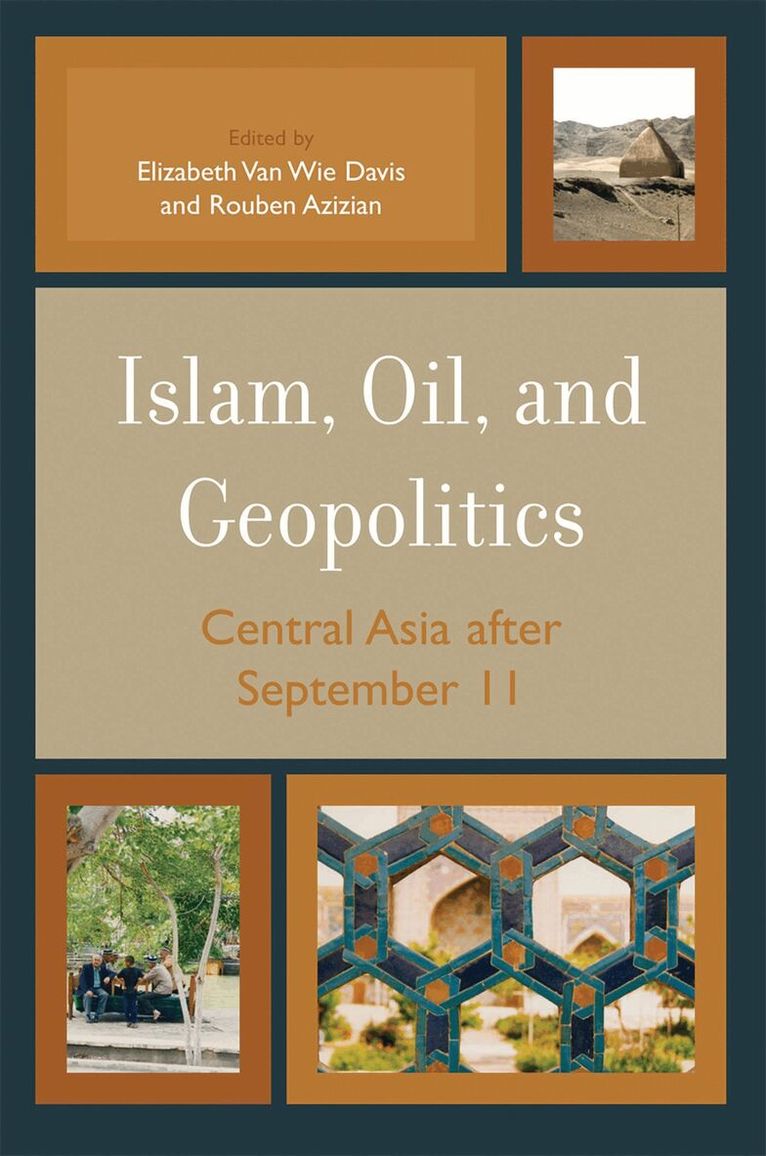
Since the tragic events of September 11, Central Asia has been drawn into the intense struggle of the international community against the forces of religious extremism and transnational crime. The great powers were able to put aside their geopolitical differences in order to crush al-Qaeda and the Taliban. With the marginalization of the Taliban and the eviction of al-Qaeda from Afghanistan, however, the tension between the great powers is notably increasing, as is the discomfort of Central Asian states who find themselves, their political development, and their oil reserves in the middle of a renewed Great Game. Islam, Oil, and Geopolitics is a truly international volume, including chapters written by senior scholars, upcoming students in the field, prominent diplomats, and renowned academics from Russia, China, the United States, and the Central Asian republics. They collaborate to focus on three important issues that are usually—and unfortunately—analyzed separately: Islamic political issues, energy security, and geopolitical maneuvering. Once an obscure and little-known region, Central Asia has become an important test of America's ability to consistently promote global liberal change, of Russia's true foreign policy agenda, and of China's readiness to translate economic power into political influence. Terrorism, economics, and politics all converge in this strategic region, with important implications for Asia and the world. This significant and timely volume helps readers understand current events in Central Asia and how those events affect the rest of the world.Contributions by: Kamoludin Abdullaev, Rouben Azizian, Gaye Christoffersen, Elizabeth Van Wie Davis, Feng Shaolei, Pan Guang, Shireen Hunter, Alisher Khamidov, Mikhail A. Konarovsky, Najibullah Lafraie, Murat Laumulin, Sergey I. Lounev, Aleksei V. Malashenko, Orhon Myadar, Manabu Shimizu, Thomas W. Simons Jr., Robert Smith, Sergei Troush, Kang Wu, and Shi Yinhong.
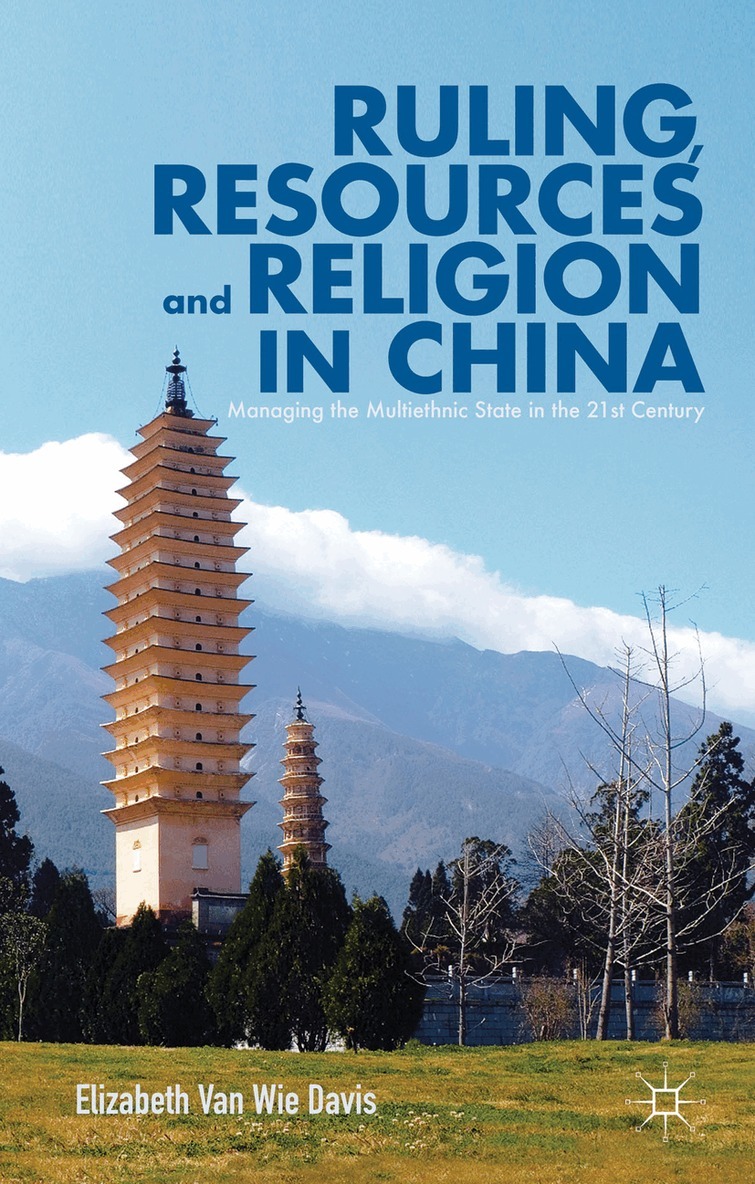
Ruling, Resources and Religion in China
Managing the Multiethnic State in the 21st Century
Inbunden, Engelska, 2012
536 kr
Skickas inom 10-15 vardagar
China is growing in importance to the economies and governments of the world, and it has been run by men with very different ideas. How China copes with the pressures for good governance with the Asian economic model, treats its ethnic minorities under scrutiny, and gathers resources to fuel its dynamic economy, impacts us all.
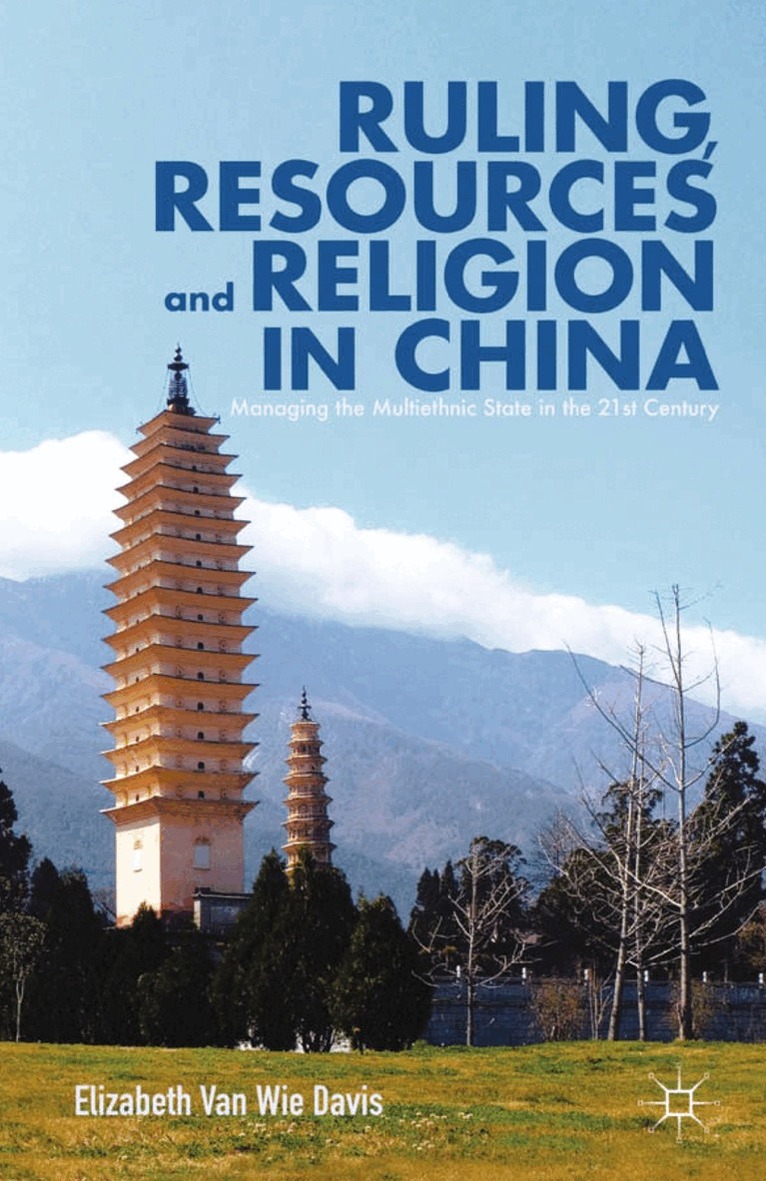
Ruling, Resources and Religion in China
Managing the Multiethnic State in the 21st Century
Häftad, Engelska, 2013
536 kr
Skickas inom 10-15 vardagar
China is growing in importance to the economies and governments of the world, and it has been run by men with very different ideas. How China copes with the pressures for good governance with the Asian economic model, treats its ethnic minorities under scrutiny, and gathers resources to fuel its dynamic economy, impacts us all.
1 276 kr
Skickas inom 10-15 vardagar
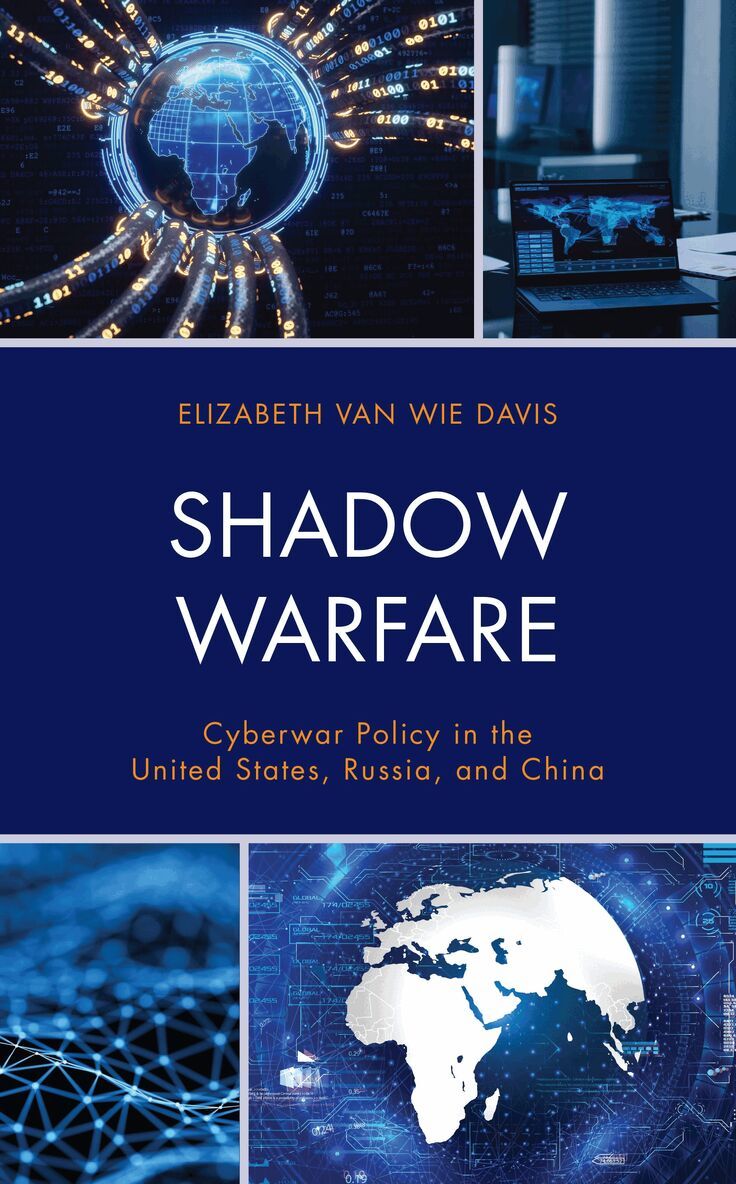
Cyberwarfare—like the seismic shift of policy with nuclear warfare—is modifying warfare into non-war warfare. A few distinctive characteristics of cyberwar emerge and blur the distinction between adversary and ally. Cyber probes continuously occur between allies and enemies alike, causing cyberespionage to merge with warfare. Espionage—as old as war itself—has technologically merged with acts of cyberwar as states threaten each other with prepositioned malware in each other’s cyberespionage-probed infrastructure. These two cyber shifts to warfare are agreed upon and followed by the United States, Russia, and China. What is not agreed upon in this shifting era of warfare are the policies on which cyberwarfare is based. In Shadow Warfare, Elizabeth Van Wie Davis charts these policies in three key actors and navigates the futures of policy on an international stage. Essential reading for students of war studies and security professionals alike.
488 kr
Skickas inom 10-15 vardagar
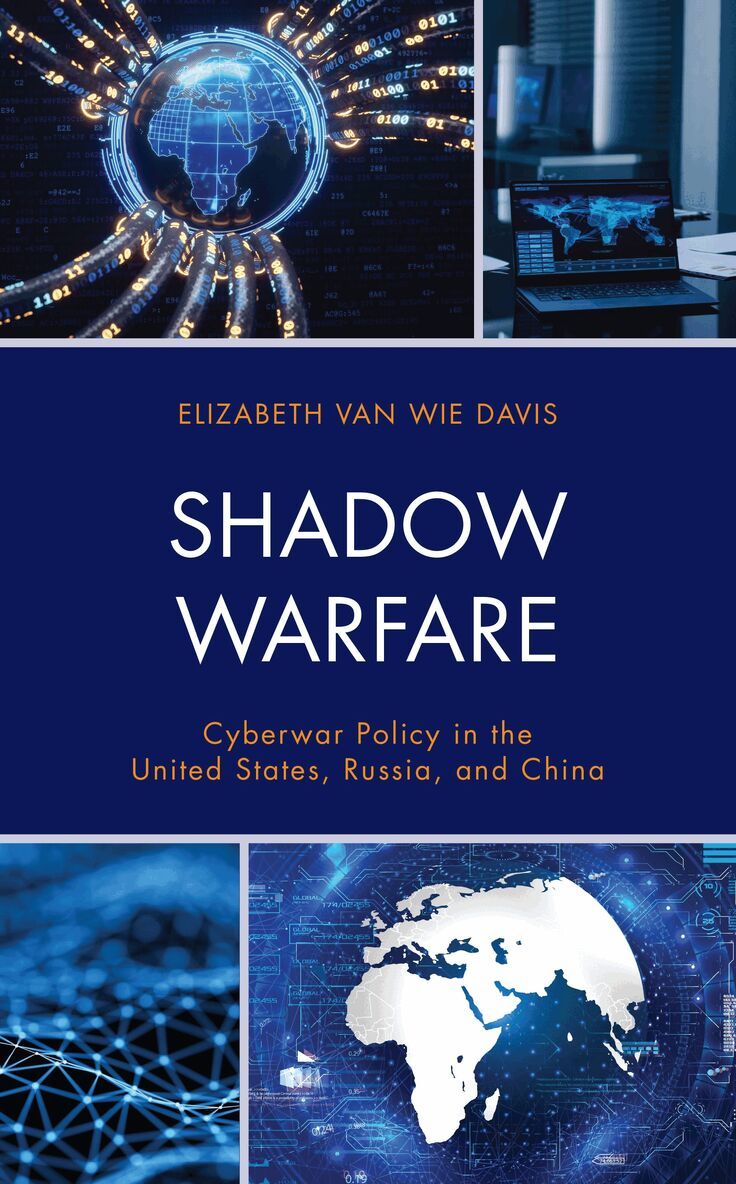
Cyberwarfare—like the seismic shift of policy with nuclear warfare—is modifying warfare into non-war warfare. A few distinctive characteristics of cyberwar emerge and blur the distinction between adversary and ally. Cyber probes continuously occur between allies and enemies alike, causing cyberespionage to merge with warfare. Espionage—as old as war itself—has technologically merged with acts of cyberwar as states threaten each other with prepositioned malware in each other’s cyberespionage-probed infrastructure. These two cyber shifts to warfare are agreed upon and followed by the United States, Russia, and China. What is not agreed upon in this shifting era of warfare are the policies on which cyberwarfare is based. In Shadow Warfare, Elizabeth Van Wie Davis charts these policies in three key actors and navigates the futures of policy on an international stage. Essential reading for students of war studies and security professionals alike.