Elsa Tamez – författare
Visar alla böcker från författaren Elsa Tamez. Handla med fri frakt och snabb leverans.
14 produkter
14 produkter
Häftad, Engelska, 2002
297 kr
Skickas inom 3-6 vardagar
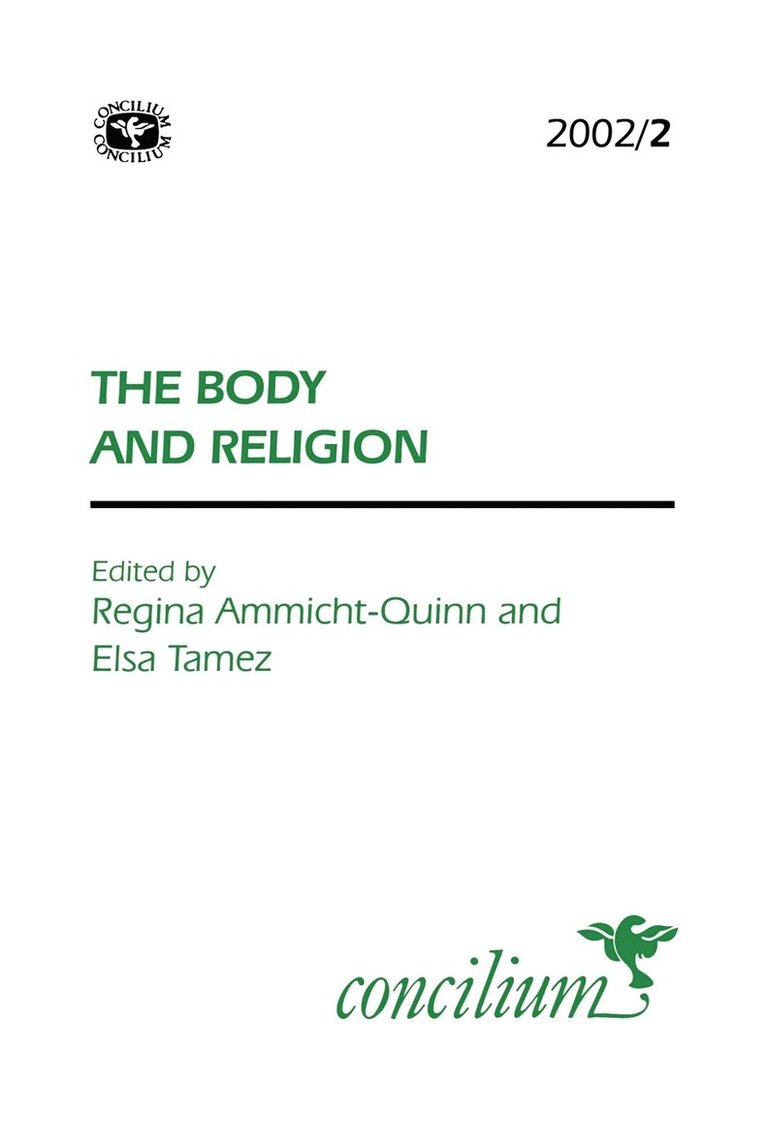
Introduction : The body and religion : Regina Ammicht-Quinn and Elsa Tamez -- The perfect body : biomedical utopias : Hille Haker -- The superfluous body : utopias of information and communication technology : Klaus Wiegerling -- The cultural coding of the male and female body : Christina Von Braun -- Re-evaluating the body in eco-feminism : Rosemary Radford Reuther -- The world as God's body : Sally McFague -- Dichotomy or union of soul and body? The origins of the ambivalence of Christianity to the body : Jean-Guy Nadeau -- Corporeality and mysticism : Tina Beattie -- The immobile dance : the body and the Bible in Latin America : Nancy Cardoso Pereira -- Cosmos - church - body : observations on the notion of 'healing pastoral work : Rainer Bucher -- The western understanding of the body as a global perspective : Farideh Akashe-Bo?hme -- Bodies and gender in Mesoamerican religions : Silvia Marcos -- Embodiment and connexity : an African purview : Gosbert T.M. Byamungu -- Suffering, resisting, healing : an Asian view of the body : Sharon A. Bong -- Mixed-race body, cosmic race : Carmin?a Navia Velasco
Häftad, Engelska, 1993
240 kr
Skickas inom 5-8 vardagar
Del 51 - Wisdom Commentary Series
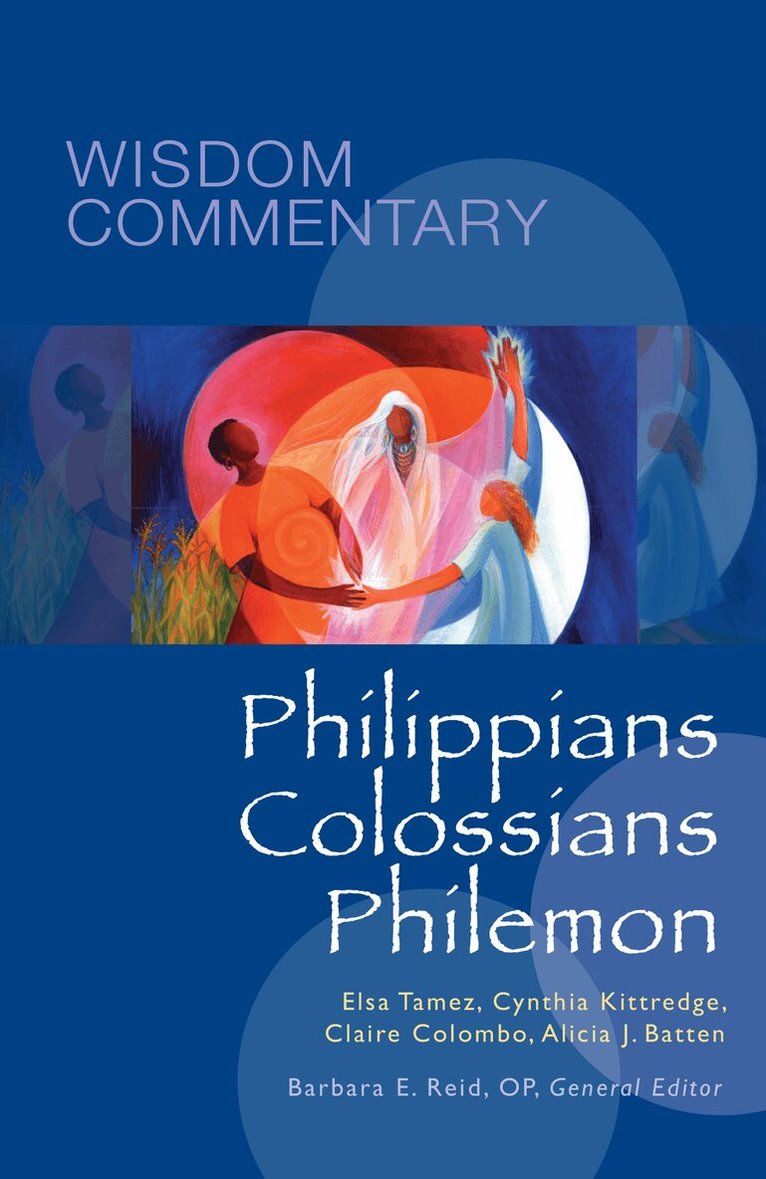
Philippians, Colossians, Philemon
Inbunden, Engelska, 2017
648 kr
Skickas inom 5-8 vardagar
Philippians lends itself to a political-ideological reading. To take into account that the document is a writing from prison, and to read it from a political-religious and feminist perspective using new language, helps to re-create the letter as if it were a new document. In this analysis Elsa Tamez endeavors to utilize non-patriarchal, inclusive language, which helps us to see the contents of the letter with different eyes.Cynthia Briggs Kittredge and Claire Miller Colombo argue that Colossians’s contradictions and complications provide opportunities for entering imaginatively into the world of first-century Christian women and men. Rather than try to resolve the controversial portions—including the household code—they read the letter’s tensions as evidence of lively conversation around key theological, spiritual, and social issues of the time.Taking into account historical, structural, and rhetorical dimensions of Philemon, Alicia J. Batten argues against the “runaway slave” hypothesis that has so dominated the interpretation of this letter. Paul asks that Onesimus be treated well, but the commentary takes seriously the fact that we never hear what Onesimus’s wishes may have been. Slaves throughout history have had similar experiences, as have many women. Like Onesimus, their lives and futures remain in the hands of others, whether those others seek good or ill.From the Wisdom Commentary seriesFeminist biblical interpretation has reached a level of maturity that now makes possible a commentary series on every book of the Bible. It is our hope that Wisdom Commentary, by making the best of current feminist biblical scholarship available in an accessible format to ministers, preachers, teachers, scholars, and students, will aid all readers in their advancement toward God’s vision of dignity, equality, and justice for all.The aim of this commentary is to provide feminist interpretation of Scripture in serious, scholarly engagement with the whole text, not only those texts that explicitly mention women. A central concern is the world in front of the text, that is, how the text is heard and appropriated by women. At the same time, this commentary aims to be faithful to the ancient text, to explicate the world behind the text, where appropriate, and not impose contemporary questions onto the ancient texts. The commentary addresses not only issues of gender (which are primary in this project) but also those of power, authority, ethnicity, racism, and classism, which all intersect.Each volume incorporates diverse voices and differing interpretations from different parts of the world, showing the importance of social location in the process of interpretation and that there is no single definitive feminist interpretation of a text.
E-bok
Engelska, 2017668 kr
Läs direkt efter köp
Philippians lends itself to a political-ideological reading. To take into account that the document is a writing from prison, and to read it from a political-religious and feminist perspective using new language, helps to re-create the letter as if it were a new document. In this analysis Elsa Tamez endeavors to utilize non-patriarchal, inclusive language, which helps us to see the contents of the letter with different eyes. Cynthia Briggs Kittredge and Claire Miller Colombo argue that Colossians’s contradictions and complications provide opportunities for entering imaginatively into the world of first-century Christian women and men. Rather than try to resolve the controversial portions—including the household code—they read the letter’s tensions as evidence of lively conversation around key theological, spiritual, and social issues of the time. Taking into account historical, structural, and rhetorical dimensions of Philemon, Alicia J. Batten argues against the “runaway slave” hypothesis that has so dominated the interpretation of this letter. Paul asks that Onesimus be treated well, but the commentary takes seriously the fact that we never hear what Onesimus’s wishes may have been. Slaves throughout history have had similar experiences, as have many women. Like Onesimus, their lives and futures remain in the hands of others, whether those others seek good or ill. From the Wisdom Commentary series Feminist biblical interpretation has reached a level of maturity that now makes possible a commentary series on every book of the Bible. It is our hope that Wisdom Commentary, by making the best of current feminist biblical scholarship available in an accessible format to ministers, preachers, teachers, scholars, and students, will aid all readers in their advancement toward God’s vision of dignity, equality, and justice for all. The aim of this commentary is to provide feminist interpretation of Scripture in serious, scholarly engagement with the whole text, not only those texts that explicitly mention women. A central concern is the world in front of the text, that is, how the text is heard and appropriated by women. At the same time, this commentary aims to be faithful to the ancient text, to explicate the world behind the text, where appropriate, and not impose contemporary questions onto the ancient texts. The commentary addresses not only issues of gender (which are primary in this project) but also those of power, authority, ethnicity, racism, and classism, which all intersect. Each volume incorporates diverse voices and differing interpretations from different parts of the world, showing the importance of social location in the process of interpretation and that there is no single definitive feminist interpretation of a text.
Häftad, Engelska, 2002
304 kr
Skickas inom 3-6 vardagar
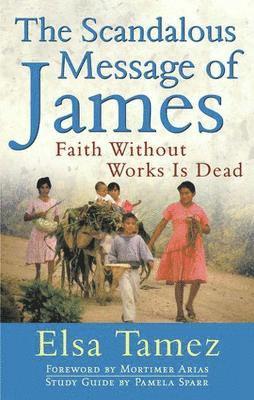
Embedded in the New Testament is a five-chapter uprising known as the Epistle of James. This provocative, and often overlooked letter is the founding document of liberation theology—the theology that seeks to preserve Jesus' ""preferential option for the poor."" Now with a detailed study guide, this book can be used by Christians everywhere to study the radical message of James and reflect on what it means to be a true Christian.
Häftad, Engelska, 2006
252 kr
Skickas inom 5-8 vardagar
Häftad, Engelska, 2006
184 kr
Skickas inom 5-8 vardagar
Häftad, Engelska, 2006
252 kr
Skickas inom 5-8 vardagar
Häftad, Spanska, 2020
229 kr
Skickas inom 5-8 vardagar
99 kr
Läs direkt efter köp
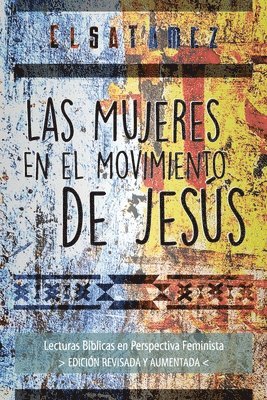
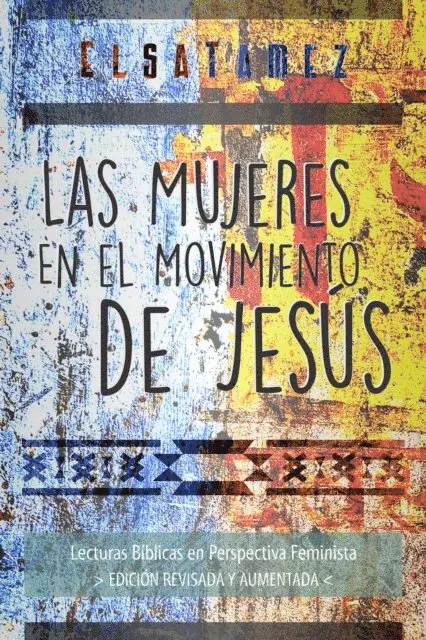
Un texto desafiante, que recupera la memoria ancestral de aquellas mujeres que han trastocado y signado el accionar simbólico del movimiento de Jesús. Elsa Tamez nos presenta esta obra que no pierde vigencia -en una edición revisada y aumentada- para estos tiempos donde la teología feminista está cargada de urgencias y sororidad ante la realidad de miles de mujeres en vulnerabilidad. Cualquier semejanza con la actualidad NO ES pura coincidencia.En momentos en que la polémica sobre la discriminación hacia la mujer, los femicidios, y el odio de un patriarcado hostil y en decadencia, parece saltar las tapias de las iglesias y llegar hasta las propias Sagradas Escrituras, la teóloga mexicana Elsa Tamez presenta una invitación para conocer de una manera más íntima y desprejuiciada a las mujeres que siguieron a Jesús. Mujeres que amaron y desafiaron una época. Mujeres anónimas que lucharon y resistieron. Mujeres que fueron discípulas y maestras.Las mujeres en el movimiento de Jesús es una nueva edición revisada y aumentada de un documentado estudio bíblico y de teología feminista, que tiene la particularidad de estar narrado -con asombrosos giros poéticos- en primera persona por Lidia, una líder cuyo actuar aparece en el libro bíblico de Hechos, y que ahora nos da el punto de vista feminista de bellas historias jamás contadas -de tal manera- hasta ahora.El libro también está concebido como una herramienta para motivar a las mujeres de la iglesia de hoy a repensar sus vidas en relación con su entorno.
Inbunden, Spanska, 2026
948 kr
Skickas inom 11-20 vardagar
56 kr
Läs direkt efter köp
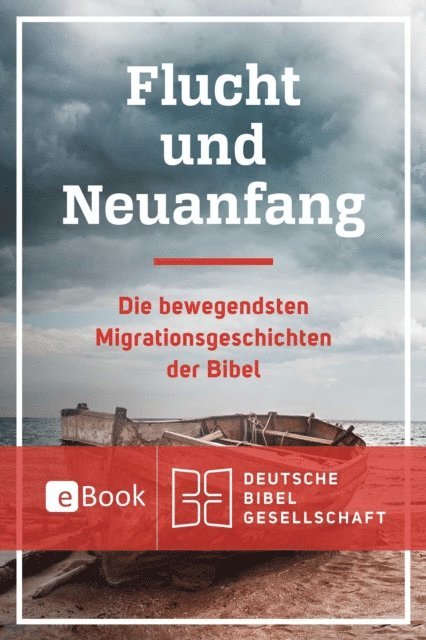
Die Bibel erzählt von Migration in ihren unterschiedlichsten Facetten. Abraham, Jakob, Rut - ja sogar Jesus und seine Familie sind Flüchtlinge gewesen. Dieses Buch versammelt die bewegendsten Geschichten zu diesem Thema. Es beleuchtet die unterschiedlichen Motive für Flucht und Aufbruch, lässt die Ängste und Sorgen der Menschen verstehen, erzählt von Herausforderungen, Erfolgen und Misserfolgen. Vor dem Hintergrund der aktuellen Erfahrungen gewinnen die Geschichten aus lang vergangener Zeit einen unmittelbaren Bezug zur Gegenwart.Die Bibeltexte werden in der modernen Übersetzung der "Gute Nachricht Bibel" wiedergegeben. Allen Geschichten ist jeweils eine kurze Einleitung vorangestellt.
E-bok
PDF, Spanska, 201056 kr
Läs direkt efter köp
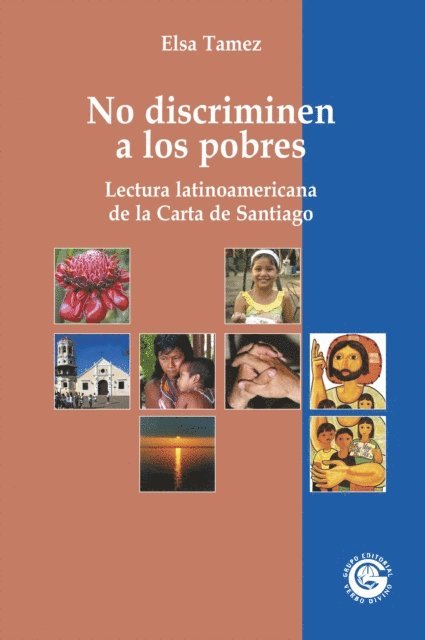
Preocupada por la alarmante situación de pobreza que se vive en América Latina y por el espíritu de insensibilidad causada por una sociedad de competencia y consumo, Elsa Tamez pretende motivar a los cristianos a solidarizarse con los más desfavorecidos a través de una lectura sencilla, exegética y apasionada de la Carta de Santiago.
E-bok
Spanska, 201415 kr
Läs direkt efter köp
En este artículo la autora analiza la vigencia de los discursos proféticos y sapienciales utilizando al profeta Miqueas y al sabio Qohélet como ejemplos de denuncias a la corrupción. Ambos discursos aluden a una realidad donde los gobernantes, dirigentes y poderosos abusan de su posición «torciendo el derecho» para beneficio propio, con consecuencias deplorables para los pobres. Sin embargo, las propuestas para hacer frente a la corrupción divergen debido, no solo al género literario, sino al contexto socioeconómico. Su vigencia, por lo tanto, dependerá del contexto desde donde se leen los textos. Finalmente la autora analiza las categorías de pecado estructural y ley en la carta a los Romanos como plataformas propicias que explican la recurrencia y autovalidación de la corrupción.