Emad Yaghmaei – författare
Visar alla böcker från författaren . Handla med fri frakt och snabb leverans.
3 produkter
3 produkter
Inbunden, Engelska, 2027
1 931 kr
Kommande
Artificial intelligence is rapidly transforming public services, markets, and decision-making systems. Yet organizations often lack practical tools to evaluate the societal, ethical, and regulatory impacts of AI before it is deployed or procured.This book introduces a structured, principle-based approach to AI impact assessment that helps organizations make better decisions throughout the lifecycle of AI systems. Drawing on years of applied research and international collaboration, it presents a practical framework for evaluating AI projects across key dimensions such as safety, fairness, transparency, accountability, privacy, and regulatory compliance.The book bridges the gap between AI governance principles and real-world implementation. It translates complex policy requirements and ethical guidelines into clear assessment criteria that support decision-making in both public and private sector contexts. Through practical examples and structured methodologies, readers learn how to identify risks early, compare AI solutions, and ensure alignment with organizational objectives and policy environments.By enabling systematic and evidence-based evaluation of AI systems before implementation, the book provides a roadmap for responsible, transparent, and trustworthy AI adoption.
Inbunden, Engelska, 2020
2 405 kr
Skickas inom 10-15 vardagar
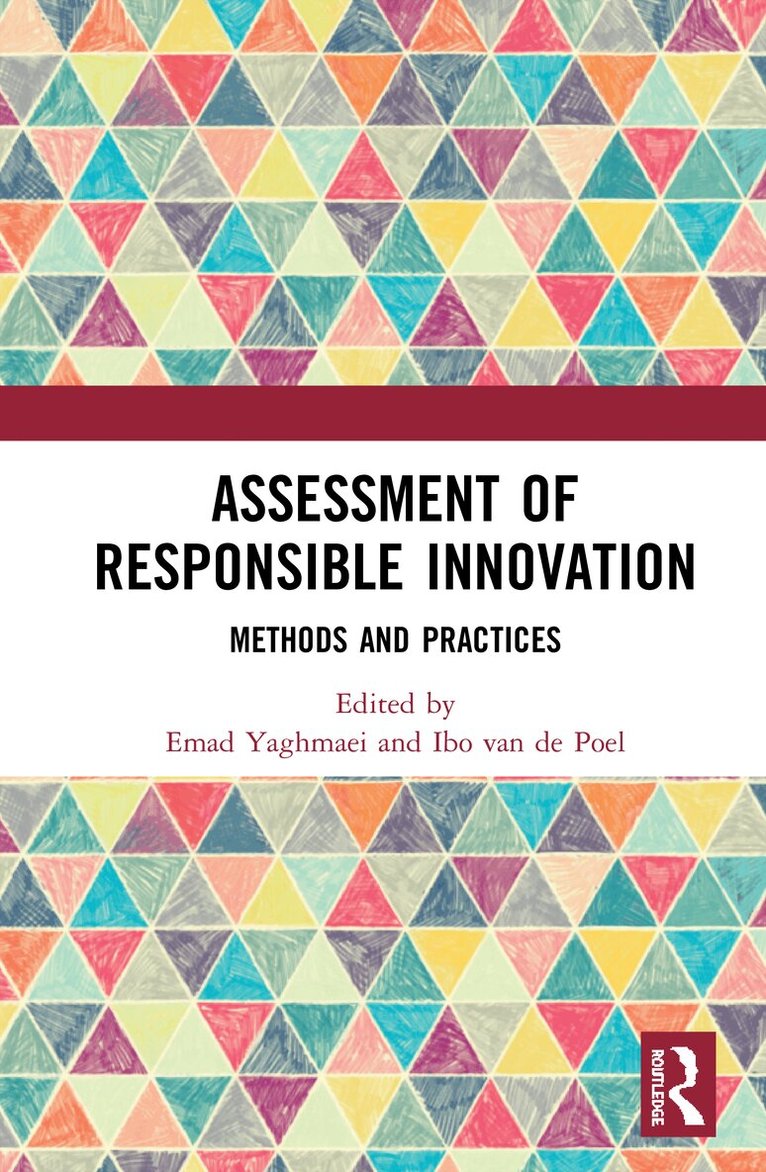
Responsible Innovation encourages innovators to work together with stakeholders during the research and innovation process, to better align the outcomes of innovation with the values, needs and expectations of society. Assessing the benefits and costs of Responsible Innovation is crucial for furthering the responsible conduct of science, technology and innovation. However, there is until now only limited academic work on Responsible Innovation assessment. This book fills this lacuna. Assessment of Responsible Innovation: Methods and Practices presents tools for measuring, monitoring, and reporting upon the Responsible Innovation process and the social, environmental, scientific, and economic impacts of innovations. These tools help innovators to mitigate risk and to strengthen their strategic planning. This book aligns assessment tools and practices with the UN Sustainable Development Goals (SDGs). The prospects as well as the limitations of various Responsible Innovation assessment approaches and tools are discussed, as well as their applicability in various industry contexts. The book brings together leading scholars in the field to present the most comprehensive review of Responsible Innovation tools. It articulates the importance of assessment and value creation, the different metrics and monitoring systems that can be deployed and the reporting mechanisms, including the importance of effective communication. This book is freely available as a downloadable Open Access PDF under a Creative Commons Attribution-Non Commercial-No Derivatives 4.0 license at https://www.taylorfrancis.com/books/e/9780429298998
Häftad, Engelska, 2022
682 kr
Skickas inom 10-15 vardagar
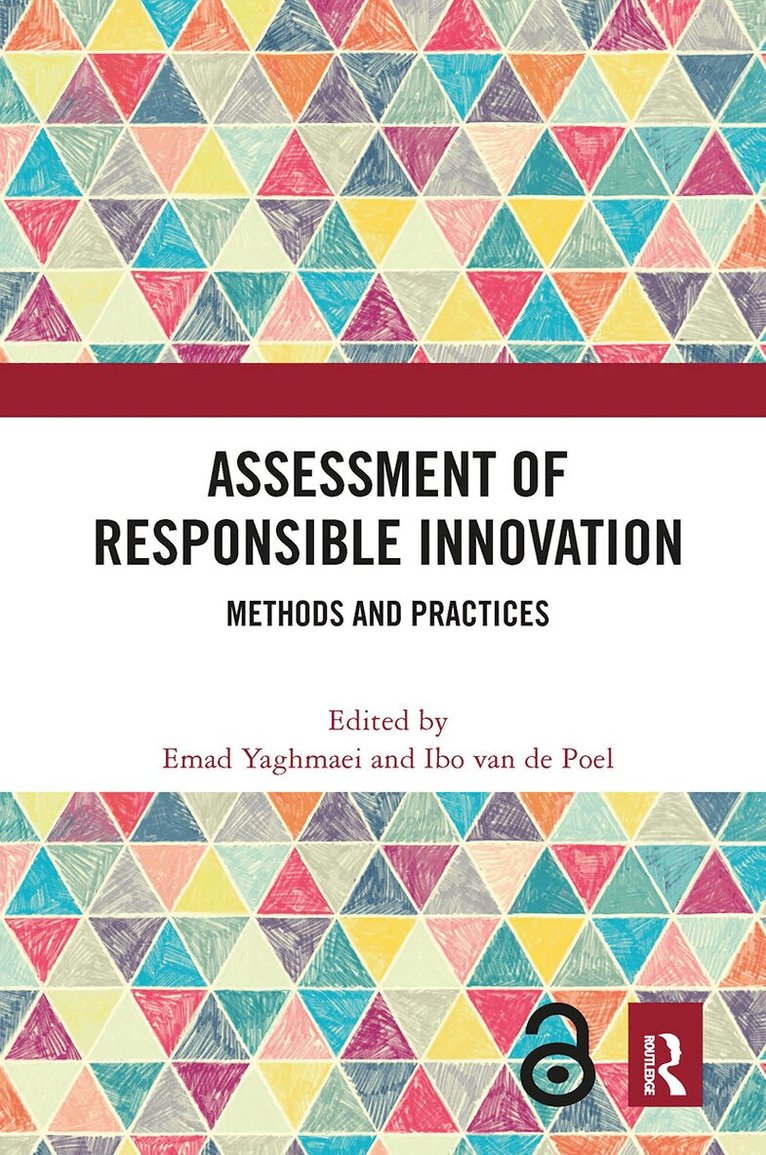
Responsible Innovation encourages innovators to work together with stakeholders during the research and innovation process, to better align the outcomes of innovation with the values, needs and expectations of society. Assessing the benefits and costs of Responsible Innovation is crucial for furthering the responsible conduct of science, technology and innovation. However, there is until now only limited academic work on Responsible Innovation assessment. This book fills this lacuna. Assessment of Responsible Innovation: Methods and Practices presents tools for measuring, monitoring, and reporting upon the Responsible Innovation process and the social, environmental, scientific, and economic impacts of innovations. These tools help innovators to mitigate risk and to strengthen their strategic planning. This book aligns assessment tools and practices with the UN Sustainable Development Goals (SDGs). The prospects as well as the limitations of various Responsible Innovation assessment approaches and tools are discussed, as well as their applicability in various industry contexts. The book brings together leading scholars in the field to present the most comprehensive review of Responsible Innovation tools. It articulates the importance of assessment and value creation, the different metrics and monitoring systems that can be deployed and the reporting mechanisms, including the importance of effective communication. This book is freely available as a downloadable Open Access PDF under a Creative Commons Attribution-Non Commercial-No Derivatives 4.0 license at https://www.taylorfrancis.com/books/e/9780429298998