Emilio Zagheni - Böcker
Visar alla böcker från författaren Emilio Zagheni. Handla med fri frakt och snabb leverans.
4 produkter
4 produkter
1 968 kr
Skickas inom 10-15 vardagar
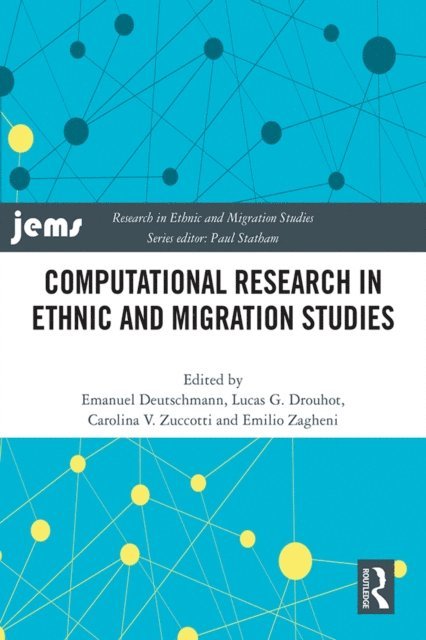
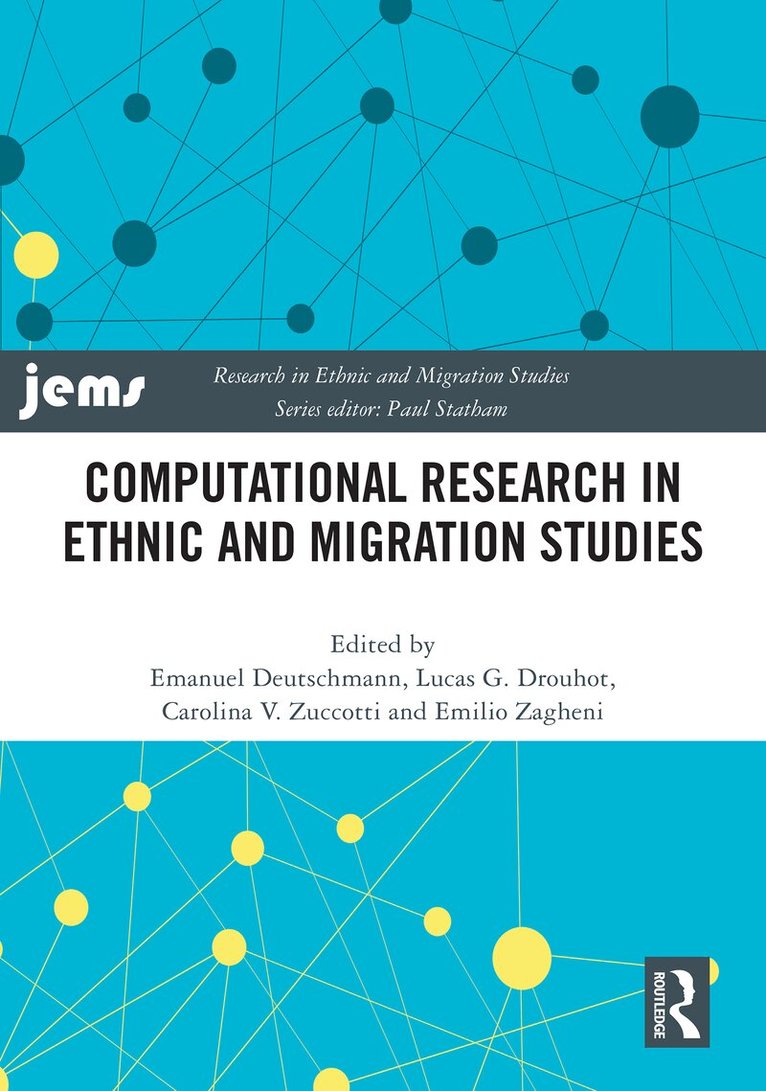
This book showcases the potential of computational approaches for research questions at the heart of migration and integration research via a set of original, cutting-edge empirical studies by a diverse, international team of authors.Why do people emigrate? Do weather conditions and climate change affect decisions to migrate? How do migration networks evolve on a global scale? Can we predict refugee movements? How do host communities respond to the influx of refugees? Do right-wing populist parties get stronger where lots of refugees are located? Do terror attacks lead to more hostility towards immigrants? What mechanisms explain neighborhood ethnic segregation? The collection of studies in this book harnesses the power of an emerging interdisciplinary research field known as computational social science to shed new light on such classic questions of migration and integration research. The cutting-edge empirical studies use a wide range of computational approaches, from agent-based modeling and network analysis to machine learning, natural language processing, and advanced spatial methods and cover detailed spatial, textual, and network data from both online and offline sources. The book thus demonstrates the potential of computational approaches for migration and integration research, while also discussing the challenges that arise in this emerging field.This book will be an invaluable resource for researchers, students of sociology, ethnic and migration studies, international politics, and computational social science. It was originally published as a special issue of the Journal of Ethnic and Migration Studies.
588 kr
Skickas inom 10-15 vardagar
This book showcases the potential of computational approaches for research questions at the heart of migration and integration research via a set of original, cutting-edge empirical studies by a diverse, international team of authors.Why do people emigrate? Do weather conditions and climate change affect decisions to migrate? How do migration networks evolve on a global scale? Can we predict refugee movements? How do host communities respond to the influx of refugees? Do right-wing populist parties get stronger where lots of refugees are located? Do terror attacks lead to more hostility towards immigrants? What mechanisms explain neighborhood ethnic segregation? The collection of studies in this book harnesses the power of an emerging interdisciplinary research field known as computational social science to shed new light on such classic questions of migration and integration research. The cutting-edge empirical studies use a wide range of computational approaches, from agent-based modeling and network analysis to machine learning, natural language processing, and advanced spatial methods and cover detailed spatial, textual, and network data from both online and offline sources. The book thus demonstrates the potential of computational approaches for migration and integration research, while also discussing the challenges that arise in this emerging field.This book will be an invaluable resource for researchers, students of sociology, ethnic and migration studies, international politics, and computational social science. It was originally published as a special issue of the Journal of Ethnic and Migration Studies.
Del 11864 - Lecture Notes in Computer Science
Social Informatics
11th International Conference, SocInfo 2019, Doha, Qatar, November 18–21, 2019, Proceedings
Häftad, Engelska, 2020
536 kr
Skickas inom 10-15 vardagar
This volume constitutes the proceedings of the 11th International Conference on Social Informatics, SocInfo 2019, held in Doha, Qatar, in November 2019.
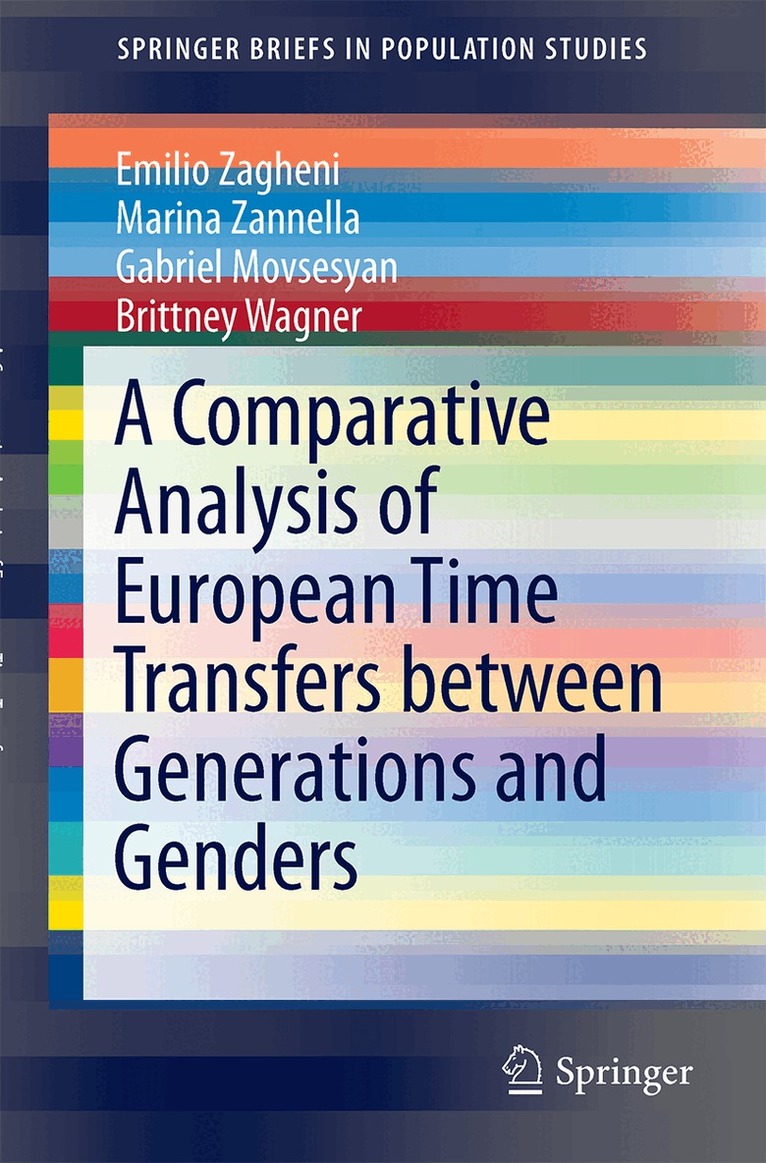
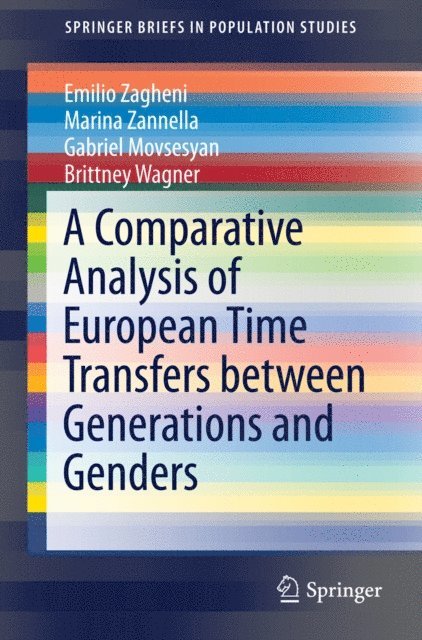
Comparative Analysis of European Time Transfers between Generations and Genders
Häftad, Engelska, 2014
536 kr
Skickas inom 10-15 vardagar
This comparative study of European time transfers reveals the full extent of transfers in the form of unpaid work and highlights the existence of important gender differences in household time production. A large quantity of goods and services are produced by household members for their own consumption, without involving market transactions. Despite the economic and social importance of unpaid work, these productive activities are largely invisible to traditional national economic accounts. As a consequence, standard measures of intergenerational transfers typically ignore household production, and thus underestimate the overall value of goods and services produced over the life cycle; in particular, the economic contribution of females. The book uses a life course approach to offer policy-relevant insights into the effect of demographic and social change on intergenerational ties and gender inequality in household production.