Emily M. Orr - Böcker
Visar alla böcker från författaren Emily M. Orr. Handla med fri frakt och snabb leverans.
2 produkter
2 produkter
506 kr
Skickas inom 7-10 vardagar
E. McKnight Kauffer (American, 1890-1954) was a pioneering figure who transformed the field of graphic design between the wars. He drew upon the emerging visual languages of Cubism, Vorticism, and Surrealism to create a modern graphic style that shaped the development of commercial art. Through collaborations with his avant-garde peers in art, literature, and design, including the Bloomsbury Group, Marion Dorn, T.S. Eliot, Langston Hughes, Aldous Huxley, and Man Ray, Kauffer expanded the scope and impact of his field. This groundbreaking publication is the first to address the full range of Kauffer s career, from sophisticated designs for major clients including the London transport system, Random House, American Airlines, and Shell, as well as Allied propaganda posters during World War II to book covers, rugs, costumes, and stage sets. An interdisciplinary group of authors offer critical perspectives on the cultural context of Kauffer s work, bringing new attention to the designer s depictions of race, gender, and global politics.
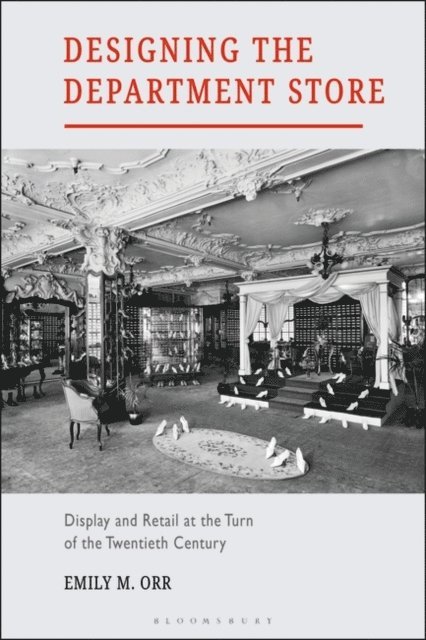
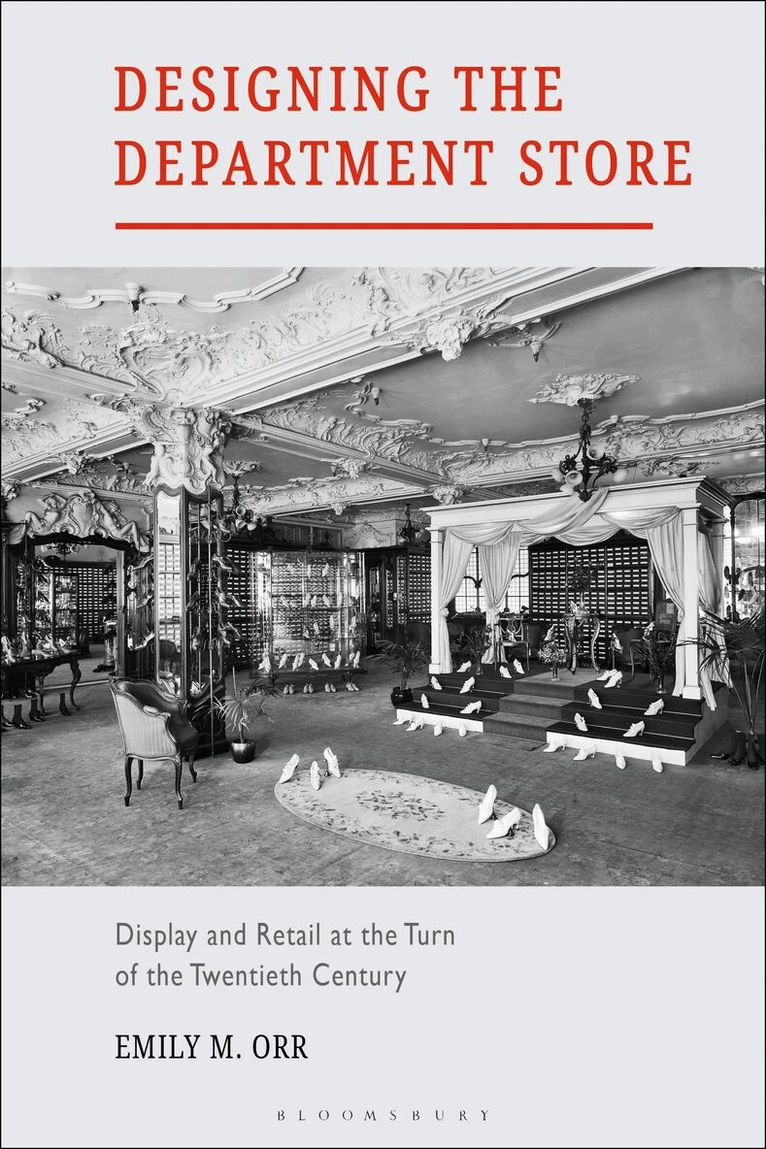
Designing the Department Store
Display and Retail at the Turn of the Twentieth Century
Inbunden, Engelska, 2019
1 619 kr
Skickas inom 10-15 vardagar
The book builds an original argument for the department store as a significant site of design production, and therefore offers an alternative interpretation to the mainstream focus on consumption within retail history. Emily M. Orr presents a fresh perspective on the rise of modern urban consumer culture, of which the department store was a key feature. By investigating the production processes of display as well as fascinating information about display-making’s tools and technologies, the skills of the displayman and the meaning and context of design decisions which shaped the final visual effect are revealed.In addition, the book identifies and isolates ‘display’ as a distinct moment in the life of the commodity, and understands it as an influential channel of mediation in the shopping experience. The assembly and interpretation of a diverse range of previously unexplored primary resources and archives yields fascinating new evidence, showing how display achieved an agency which transformed everyday objects into commodities and made consumers out of passersby.