Emma Burns – författare
1 003 kr
Skickas inom 5-8 vardagar
1 105 kr
Läs direkt efter köp
1 105 kr
Läs direkt efter köp
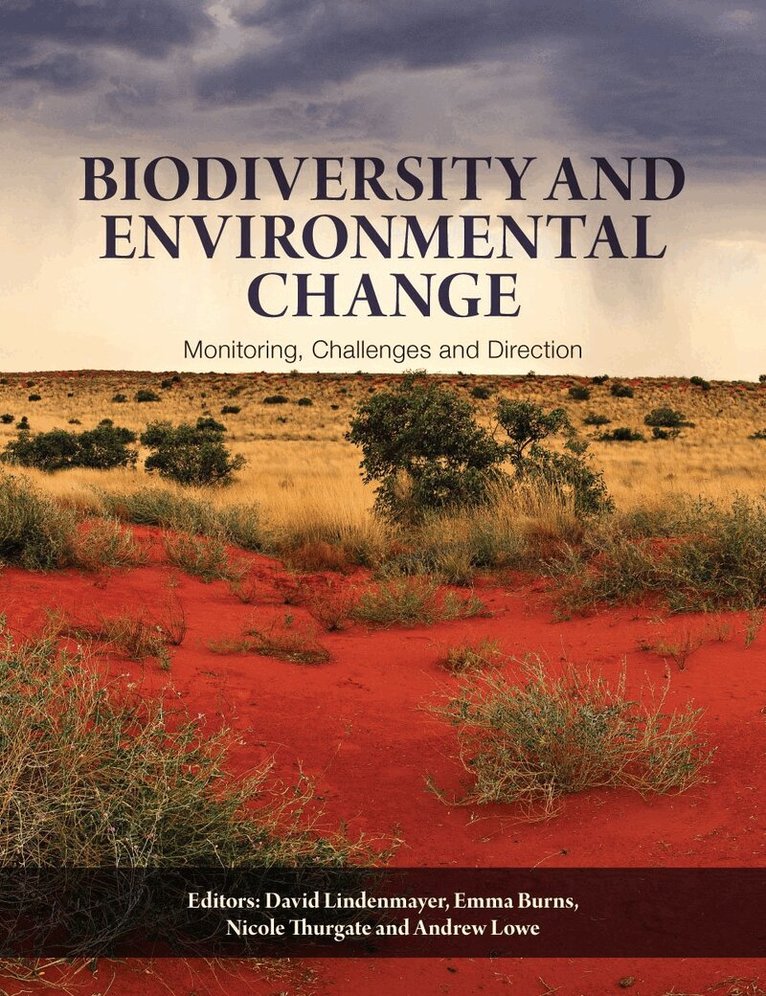
This data-rich book demonstrates the value of existing national long-term ecological research in Australia for monitoring environmental change and biodiversity.
Long-term ecological data are critical for informing trends in biodiversity and environmental change. The Terrestrial Ecosystem Research Network (TERN) is a major initiative of the Australian Government and one of its key areas of investment is to provide funding for a network of long-term ecological research plots around Australia (LTERN).
LTERN researchers and other authors in this book have maintained monitoring sites, often for one or more decades, in an array of different ecosystems across the Australian continent – ranging from tropical rainforests, wet eucalypt forests and alpine regions through to rangelands and deserts. This book highlights some of the temporal changes in the environment that have occurred in the various systems in which dedicated field-based ecologists have worked. Many important trends and changes are documented and they often provide new insights that were previously poorly understood or unknown. These data are precisely the kinds of data so desperately needed to better quantify the temporal trajectories in the environment in Australia.
By presenting trend patterns (and often also the associated data) the authors aim to catalyse governments and other organisations to better recognise the importance of long-term data collection and monitoring as a fundamental part of ecologically-effective and cost-effective management of the environment and biodiversity.
309 kr
Skickas inom 5-8 vardagar
400 kr
Läs direkt efter köp
400 kr
Läs direkt efter köp
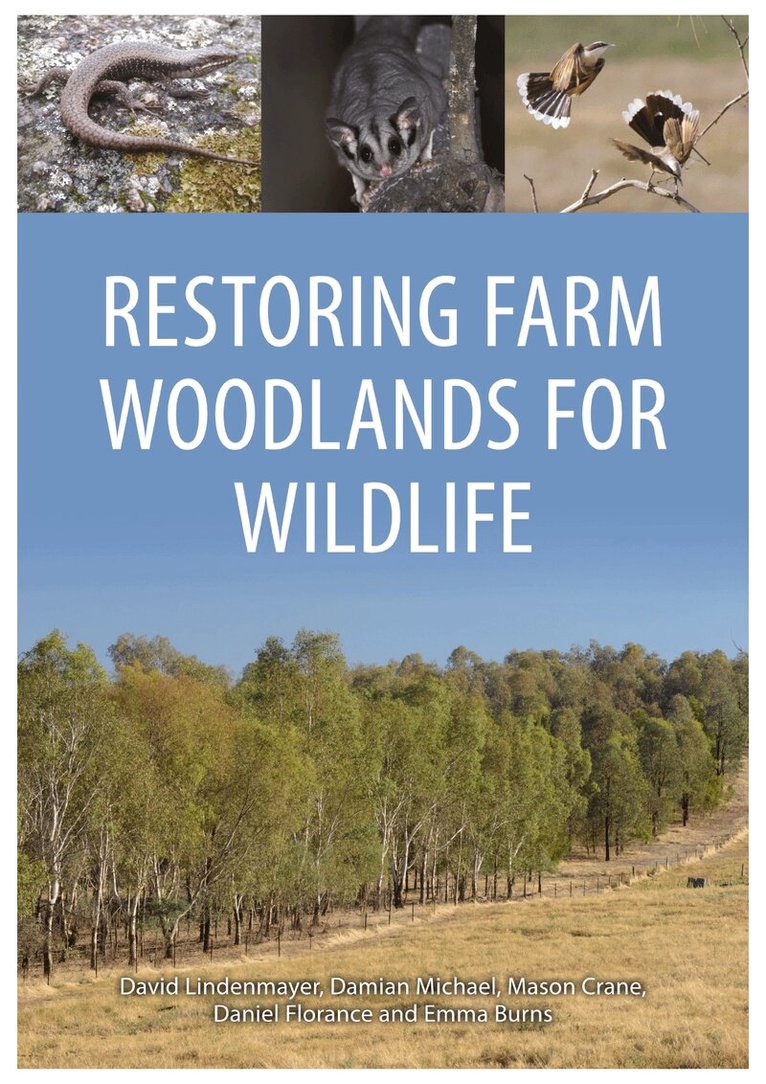
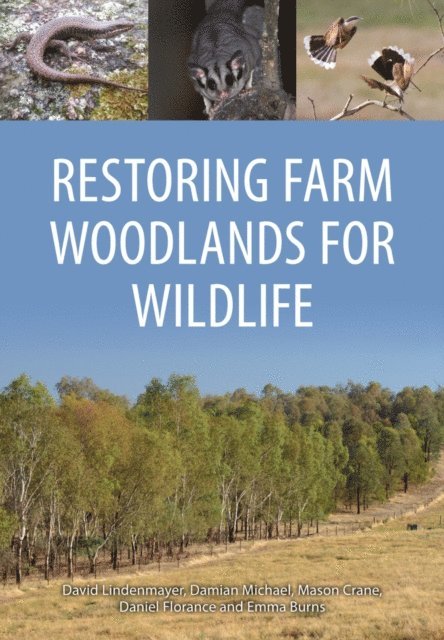
Millions of hectares of temperate woodland and billions of trees have been cleared from Australia’s agricultural landscapes. This has allowed land to be developed for cropping and grazing livestock but has also had significant environmental impacts, including erosion, salinity and loss of native plant and animal species.
Restoring Farm Woodlands for Wildlife focuses on why restoration is important and describes best practice approaches to restore farm woodlands for birds, mammals and reptiles. Based on 19 years of long-term research in temperate agricultural south-eastern Australia, this book addresses practical questions such as what, where and how much to plant, ways to manage plantings and how plantings change over time. It will be a key reference for farmers, natural resource management professionals and policy-makers concerned with revegetation and conservation.