Damian Michael – författare
300 kr
Läs direkt efter köp
343 kr
Läs direkt efter köp
300 kr
Läs direkt efter köp
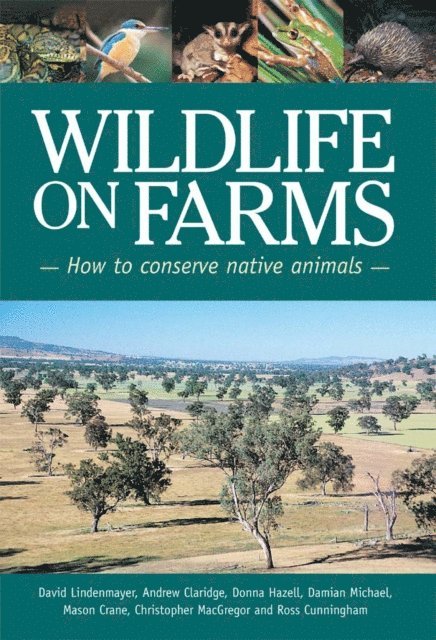
Many landowners are interested in the native animals that live on their farms or once occurred there. In particular they want to know why particular species are present (or absent), what they can do to encourage them to visit, and what they might do to keep them there.
Wildlife on Farms outlines the key features of animal habitats—large flowering trees, hollow trees, ground cover, understorey vegetation, dams and watercourses—and describes why landholders should conserve these habitats to encourage wildlife on their farms. It shows how wildlife conservation can be integrated with farm management and the benefits this can bring.
The book presents 29 example species—mammals, birds, reptiles and amphibians—that are common to a large part of southern and eastern Australia. Each entry gives the distinguishing features of the animal, key features of its required habitat, and what can be done on a farm to better conserve the species.
343 kr
Läs direkt efter köp
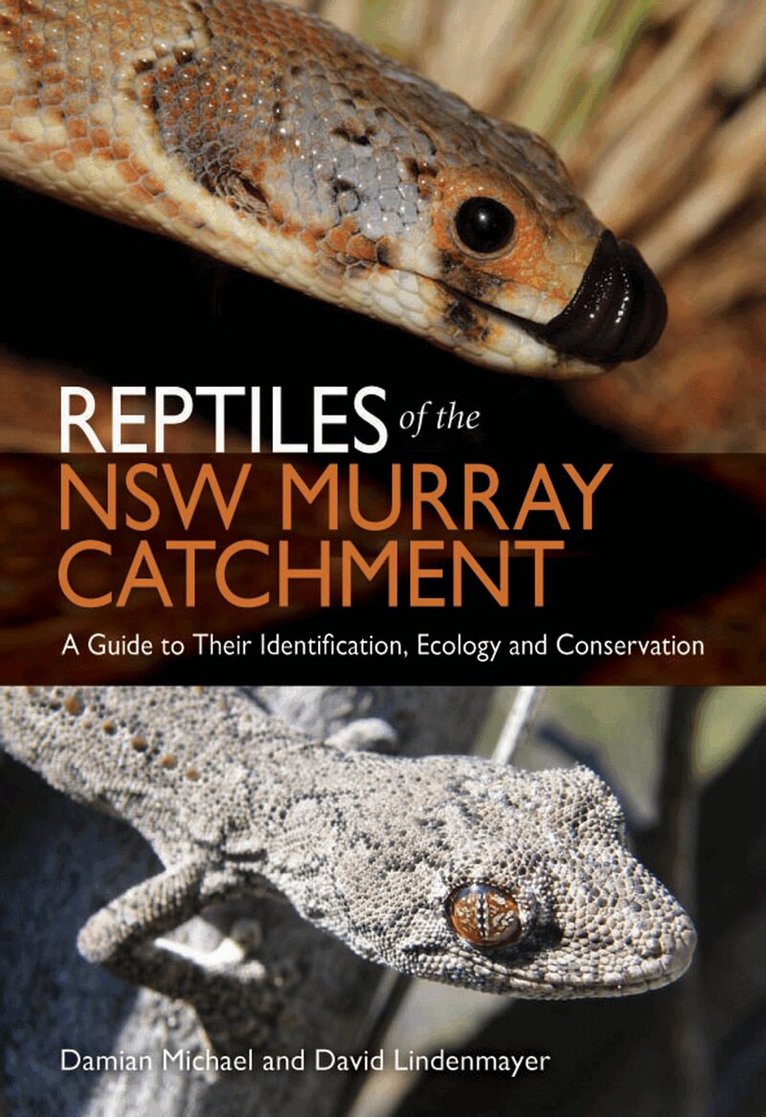
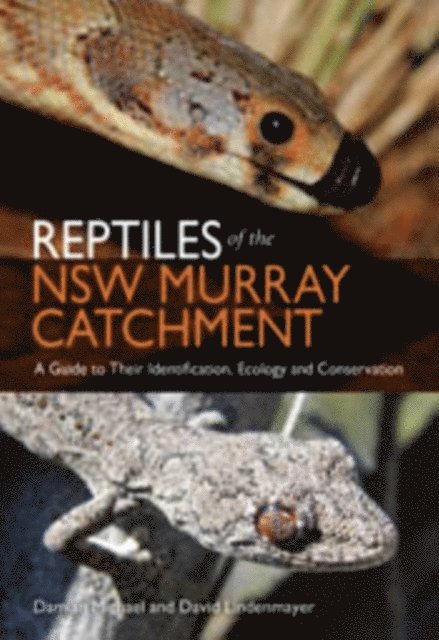
This is an easy to use field guide for identifying the 80 reptile species currently known to occur in the Murray catchment area of New South Wales. Illustrated with high quality colour photographs, the book describes the key distinguishing features of each reptile and includes details on habitats and conservation status. Uniquely, it has a detailed chapter on how to conserve reptiles and manage key habitats, providing landholders and natural resource agencies with the knowledge to help conserve reptiles in agricultural farming landscapes. The up-to-date distribution maps are based on 10 years of extensive surveys and research on reptiles in the Murray catchment. The final chapter includes a section on similar looking species to further enable readers to accurately and quickly identify difficult species.
Reptiles of the NSW Murray Catchment promotes a broad appreciation of reptiles in the region, and is a must-have for natural history enthusiasts.
402 kr
Skickas inom 5-8 vardagar
382 kr
Läs direkt efter köp
An increasing number of Australians want to be assured that the food and fibre being produced on this continent have been grown and harvested in an ecologically sustainable way. Ecologically sustainable farming conserves the array of species that are integral to key ecological processes such as pollination, seed dispersal, natural pest control and the decomposition of waste.
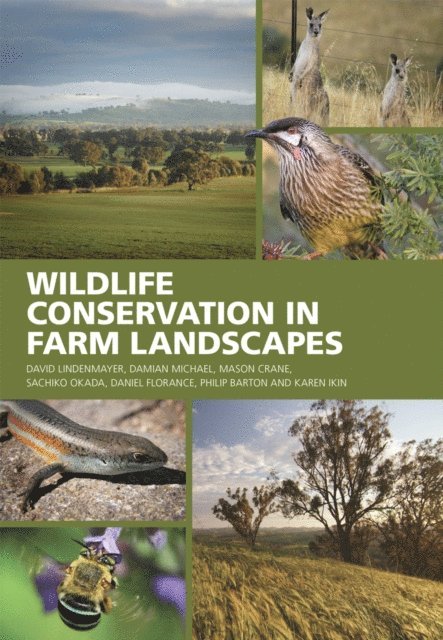
Wildlife Conservation in Farm Landscapes communicates new scientific information about best practice ways to integrate conservation and agriculture in the temperate eucalypt woodland belt of eastern Australia. It is based on the large body of scientific literature in this field, as well as long-term studies at 790 permanent sites on over 290 farms extending throughout Victoria, New South Wales and south-east Queensland.
Richly illustrated, with chapters on birds, mammals, reptiles, invertebrates and plants, this book illustrates how management interventions can promote nature conservation and what practices have the greatest benefit for biodiversity. Together the new insights in this book inform whole-of-farm planning.
Wildlife Conservation in Farm Landscapes is an ideal resource for land managers and farmers interested in integrating farming and environmental values and anyone interested in biodiversity in woodlands and agricultural zones.
Recipient of a 2017 Whitley Awards Certificate of Commendation for Conservation in Action
375 kr
Skickas inom 5-8 vardagar
379 kr
Läs direkt efter köp
382 kr
Läs direkt efter köp
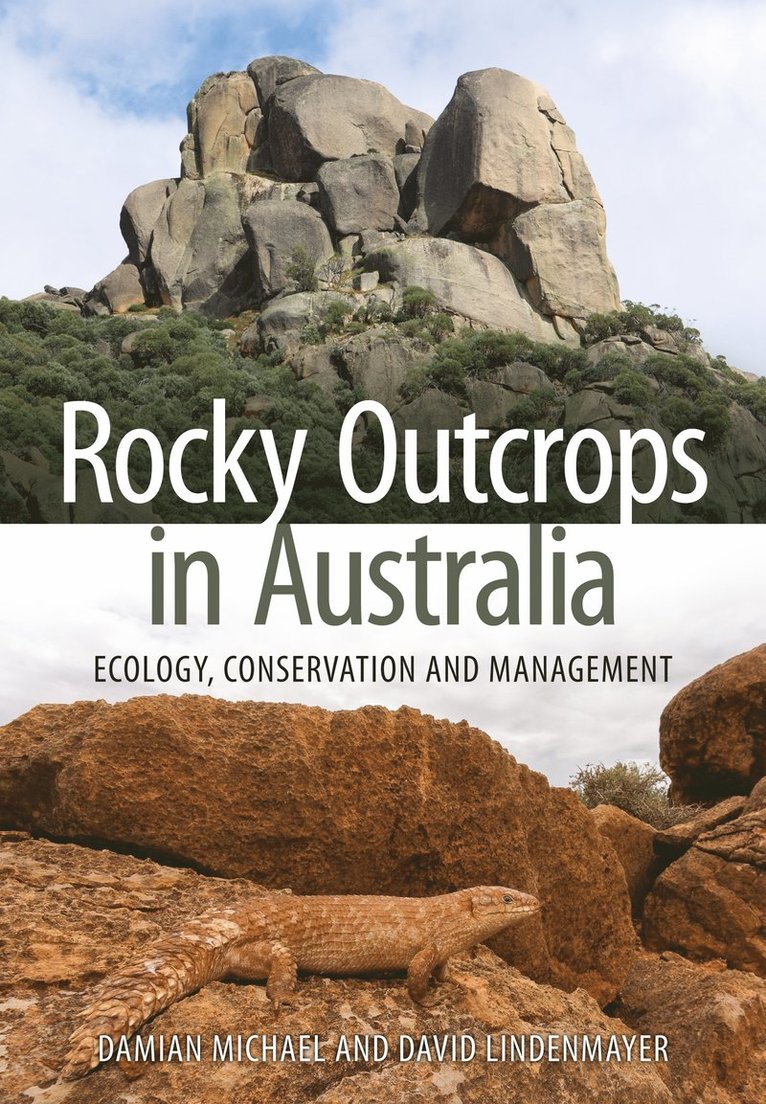
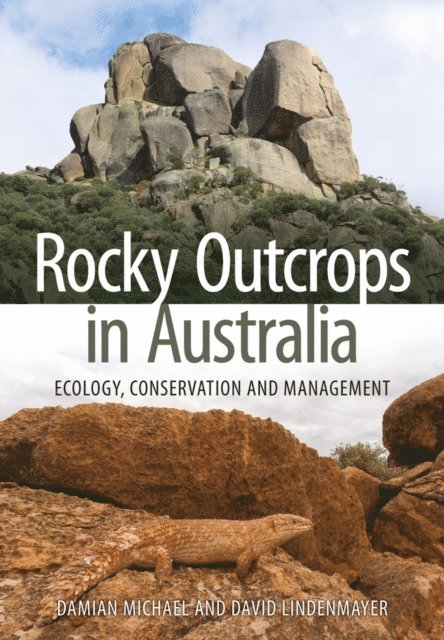
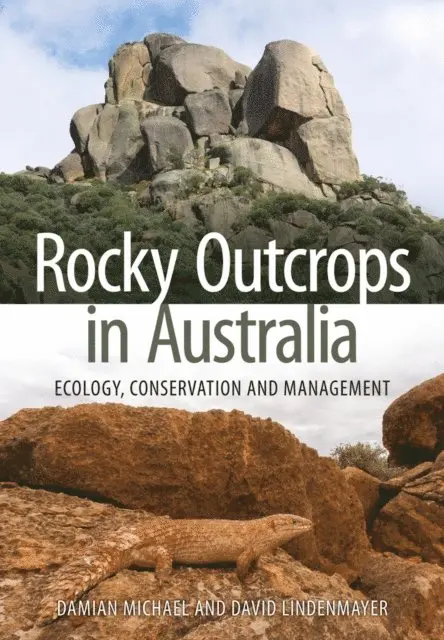
Rocky outcrops are landscape features with disproportionately high biodiversity values relative to their size. They support specialised plants and animals, and a wide variety of endemic species. To Indigenous Australians, they are sacred places and provide valuable resources. Despite their ecological and cultural importance, many rocky outcrops and associated biota are threatened by agricultural and recreational activities, forestry and mining operations, invasive weeds, altered fire regimes and climate change.
Rocky Outcrops in Australia: Ecology, Conservation and Management contains chapters on why this habitat is important, the animals that live and depend on these formations, key threatening processes and how rocky outcrops can be managed to improve biodiversity conservation in agricultural landscapes, state forests and protected areas. This book will be an important reference for landholders, Landcare groups, naturalists interested in Australian wildlife and natural resource managers.
Recipient of the 2018 Whitley Certificate of Commendation for Landscape Zoology
309 kr
Skickas inom 5-8 vardagar
386 kr
Läs direkt efter köp
386 kr
Läs direkt efter köp
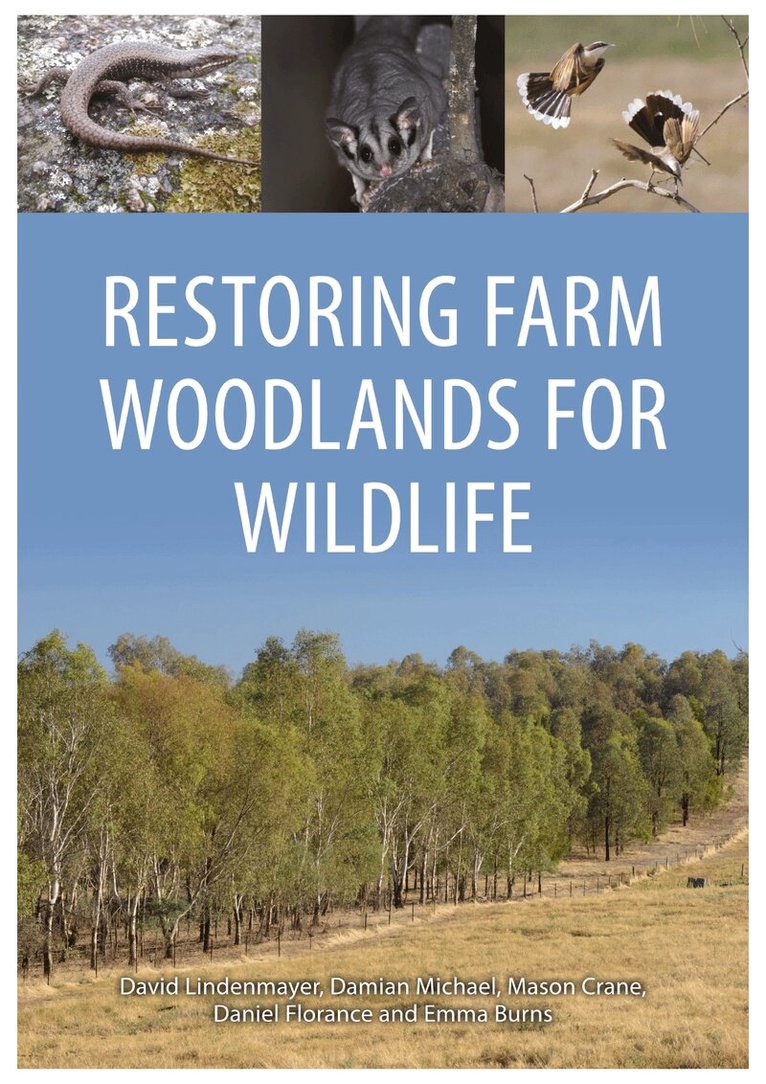
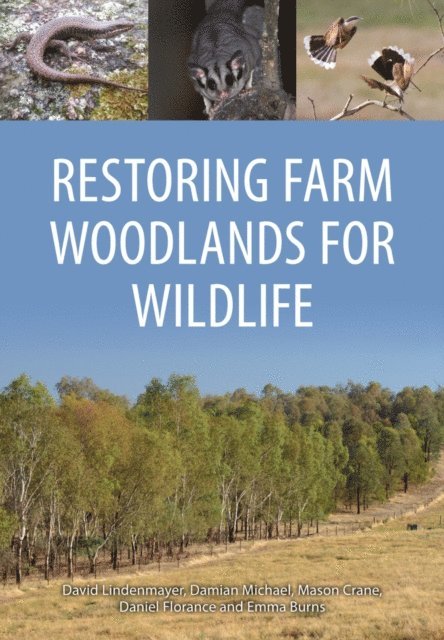
Millions of hectares of temperate woodland and billions of trees have been cleared from Australia’s agricultural landscapes. This has allowed land to be developed for cropping and grazing livestock but has also had significant environmental impacts, including erosion, salinity and loss of native plant and animal species.
Restoring Farm Woodlands for Wildlife focuses on why restoration is important and describes best practice approaches to restore farm woodlands for birds, mammals and reptiles. Based on 19 years of long-term research in temperate agricultural south-eastern Australia, this book addresses practical questions such as what, where and how much to plant, ways to manage plantings and how plantings change over time. It will be a key reference for farmers, natural resource management professionals and policy-makers concerned with revegetation and conservation.