Philip Barton – författare
371 kr
Skickas inom 5-8 vardagar
195 kr
Skickas inom 5-8 vardagar
321 kr
Skickas inom 5-8 vardagar
416 kr
Skickas inom 5-8 vardagar
382 kr
Läs direkt efter köp
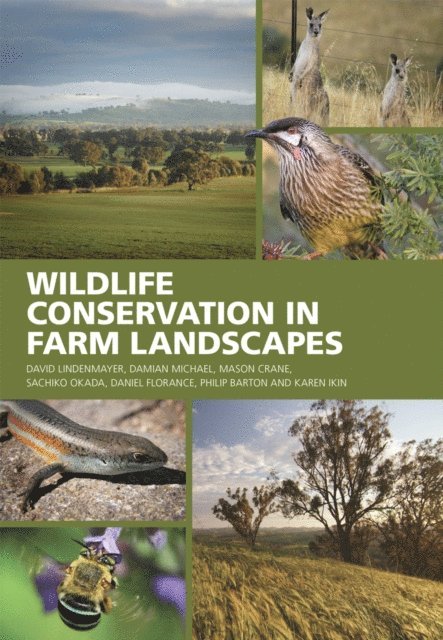
An increasing number of Australians want to be assured that the food and fibre being produced on this continent have been grown and harvested in an ecologically sustainable way. Ecologically sustainable farming conserves the array of species that are integral to key ecological processes such as pollination, seed dispersal, natural pest control and the decomposition of waste.
Wildlife Conservation in Farm Landscapes communicates new scientific information about best practice ways to integrate conservation and agriculture in the temperate eucalypt woodland belt of eastern Australia. It is based on the large body of scientific literature in this field, as well as long-term studies at 790 permanent sites on over 290 farms extending throughout Victoria, New South Wales and south-east Queensland.
Richly illustrated, with chapters on birds, mammals, reptiles, invertebrates and plants, this book illustrates how management interventions can promote nature conservation and what practices have the greatest benefit for biodiversity. Together the new insights in this book inform whole-of-farm planning.
Wildlife Conservation in Farm Landscapes is an ideal resource for land managers and farmers interested in integrating farming and environmental values and anyone interested in biodiversity in woodlands and agricultural zones.
Recipient of a 2017 Whitley Awards Certificate of Commendation for Conservation in Action
594 kr
Läs direkt efter köp
599 kr
Läs direkt efter köp
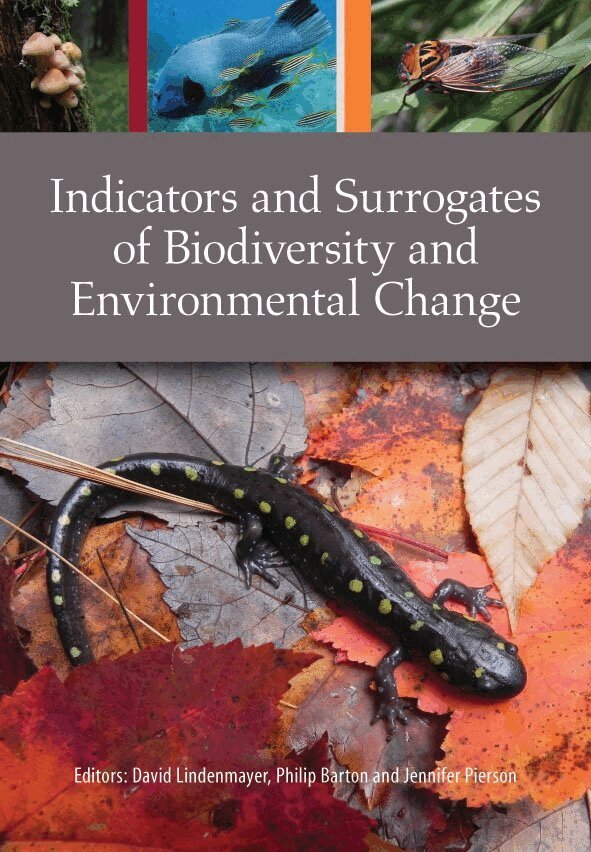
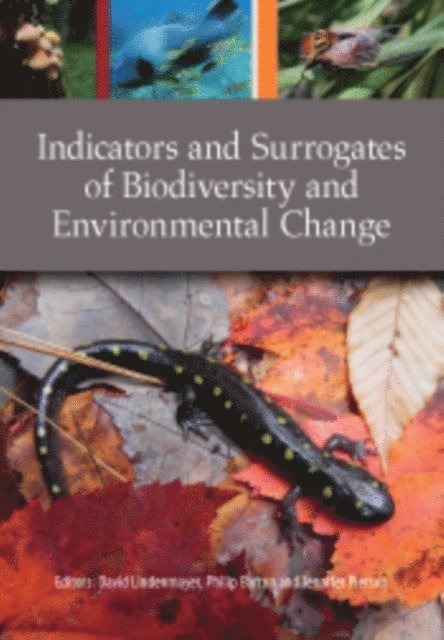
Ecological indicators and surrogates are used widely by resource managers to monitor and understand complex biota and ecosystem processes. Their potential to guide complex resource management has meant they have been proposed for use in all ecosystems worldwide. Despite extensive research into indicators and surrogates, there remains much controversy about their use, in addition to major issues and knowledge gaps associated with their identification, testing and application.
Indicators and Surrogates of Biodiversity and Environmental Change provides insights into the use of indicators and surrogates in natural resource management and conservation – where to use them, where not to use them, and how to use them. Using an ecological approach, the chapters explore the development, application and efficacy of indicators and surrogates in terrestrial, aquatic, marine and atmospheric environments. The authors identify current gaps in knowledge and articulate the future directions for research needed to close those gaps.
This book is written by the world’s leading thinkers in the area of indicators and surrogates. It is the first major synthesis of learnings about indicators and surrogates and will be a critical resource for the vast number of people developing and applying them in ecosystems around the world. It will be an essential resource for scientists, policy makers and students with interests in surrogates and indicators.