I Confess: The Power of the Confession looks at the history of confessions, which links the legal world of Cicero to our own. In Episode three, witchcraft scholar Dr Emma Wilby of Exeter University investigates one of the most famous cases of all. In 1662, in Auldearn, Scotland, peasant woman Isobel Gowdie was interrogated for witchcraft. Her confessions, made over six weeks, were studded with startling revelations of the fairy world, shot through with folklore, charms and well-told anecdotes. They have inspired writers, scholars and artists ever since. They even gave birth to one of Scotland's best-known orchestral pieces: James Macmillan's 'The Confession of Isobel Gowdie'. But for Dr Wilby, the most remarkable thing about the confessions is the way Isobel's own voice comes through. We see the alchemy behind these unique confessions, and meet Isobel herself, who appears for us through her own words, read by Gerda Stevenson.
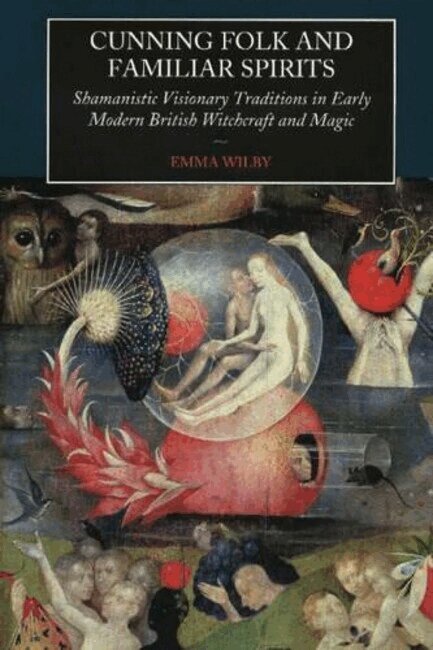
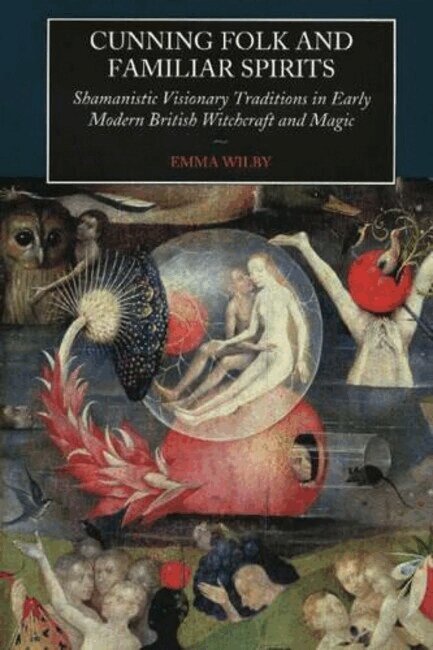
This book contains the first comprehensive examination of popular familiar belief in early modern Britain. It provides an in-depth analysis of the correlation between early modern British magic and tribal shamanism, examines the experiential dimension of popular magic and witchcraft in early modern Britain, and explores the links between British fairy beliefs and witch beliefs. In the hundreds of confessions relating to witchcraft and sorcery trials in early modern Britain there are detailed descriptions of intimate working relationships between popular magical practitioners and familiar spirits of either human or animal form. Until recently historians often dismissed these descriptions as elaborate fictions created by judicial interrogators eager to find evidence of stereotypical pacts with the Devil. Although this paradigm is now routinely questioned, and most historians acknowledge that there was a folkloric component to familiar lore in the period, these beliefs, and the experiences reportedly associated with them, remain substantially unexplored. This book examines the folkloric roots of familiar lore from historical, anthropological and comparative religious perspectives. It argues that beliefs about witches' familiars were rooted in beliefs surrounding the use of fairy familiars by beneficent magical practitioners or cunning folk', and corroborates this through a comparative analysis of familiar beliefs found in traditional Native American and Siberian shamanism. The author explores the experiential dimension of familiar lore by drawing parallels between early modern familiar encounters and visionary mysticism as it appears in both tribal shamanism and medieval European contemplative traditions. These perspectives challenge the reductionist view of popular magic in early modern Britain often presented by historians.
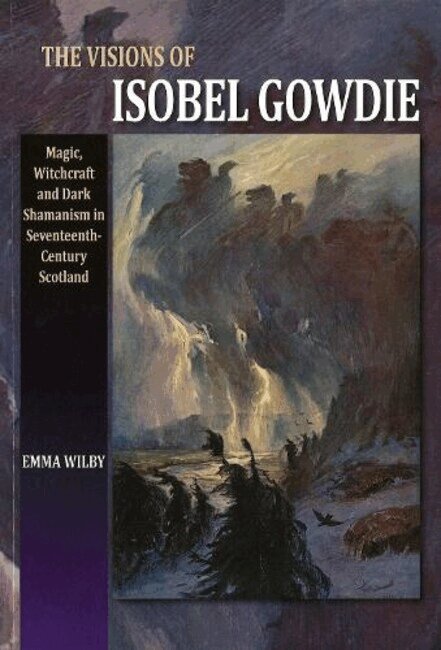
The confessions of Isobel Gowdie are widely recognised as the most extraordinary on record in Britain. Their descriptive power and vivid imagery have attracted considerable interest on both academic and popular levels. Among historians, the confessions are celebrated for providing a unique insight into the way fairy beliefs and witch beliefs interacted in the early modern mind; more controversially, they are also cited as evidence for the existence of Shamanistic visionary traditions, of pre-Christian origin, in Scotland in this period. On a popular level the confessions of Isobel Gowdie have, above any other British witch-trial records, influenced the formation of the ritual traditions of Wicca. The author's discovery of the original trial records (currently being authenticated by the National Archives of Scotland), deemed lost for nearly 200 years, provides a starting point for an interdisciplinary look at the confessions and the woman behind them. Using historical, psychological, comparative religious and anthropological perspectives this book sets out to separate the voice of Isobel Gowdie from that of her interrogators, and to determine the experiences and beliefs which may have generated her confessions. The book explores: How far did those accused of witchcraft self-consciously practice harmful magic? Did they really believe themselves to have made a Pact with an envisioned Devil? Did they ever participate in ecstatic cult rituals? The author argues that close analysis of Isobel's testimony supports the view that in seventeenth-century Britain popular spirituality was shaped by a deep interaction between Christian teachings and shamanistic visionary traditions, of pre-Christian origin. These findings confirm the value of witchcraft confessions as unique windows into the complexities of the early modern religious imagination.
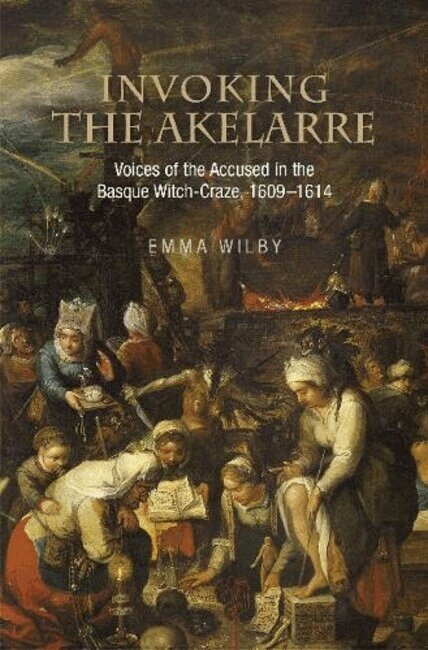
With their dramatic descriptions of black masses and cannibalistic feasts, the records generated by the Basque witch-craze of 160914 provide us with arguably the most demonologically-stereotypical accounts of the witches sabbath or akelarre to have emerged from early modern Europe. While the trials have attracted scholarly attention, the most substantial monograph on the subject was written nearly forty years ago and most works have focused on the ways in which interrogators shaped the pattern of prosecutions and the testimonies of defendants. Invoking the Akelarre diverts from this norm by employing more recent historiographical paradigms to analyze the contributions of the accused. Through interdisciplinary analyses of both French- and Spanish-Basque records, it argues that suspects were not passive recipients of elite demonological stereotypes but animated these received templates with their own belief and experience, from the dark exoticism of magical conjuration, liturgical cursing and theatrical misrule to the sharp pragmatism of domestic medical practice and everyday religious observance. In highlighting the range of raw materials available to the suspects, the book helps us to understand how the fiction of the witches sabbath emerged to such prominence in contemporary mentalities, whilst also restoring some agency to the defendants and nuancing the historical thesis that stereotypical content points to interrogatorial opinion and folkloric content to the voices of the accused. In its local context, this study provides an intimate portrait of peasant communities as they flourished in the Basque region in this period and leaves us with the irony that Europes most sensationally-demonological accounts of the witches sabbath may have evolved out of a particularly ardent commitment, on the part of ordinary Basques, to the social and devotional structures of popular Catholicism.
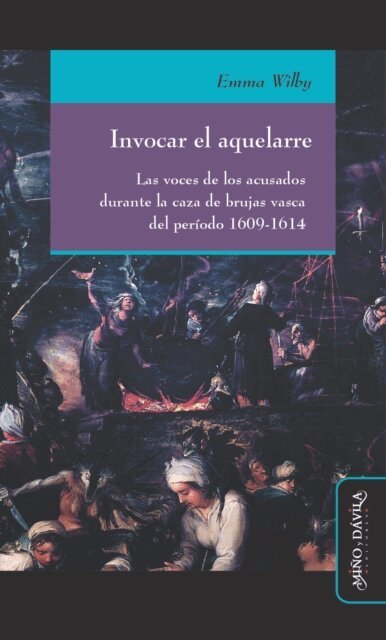
Con sus dramáticas descripciones de misas negras y festines caníbales, los registros generados por la cacería de brujas vasca de los años 1609-1614 nos proporcionan, posiblemente, los relatos más demonológicamente estereotipados del aquelarre surgidos en la Europa moderna temprana. Si bien los juicios han atraído la atención académica, la mayoría de las obras se han centrado en cómo los interrogadores moldearon el patrón de los procesos y los testimonios de los acusados.Invocar el Aquelarre se aparta de esta norma al emplear paradigmas historiográficos más recientes para analizar las contribuciones de los sospechosos. A través de registros franco-vascos e hispano-vascos, se demuestra que los acusados no fueron receptores pasivos de estereotipos demonológicos impuestos por la élite, sino que contribuyeron con sus propias creencias y experiencias. Desde la conjuración mágica y las maldiciones litúrgicas hasta la magia doméstica y la observancia religiosa, sus relatos enriquecieron y moldearon la imagen del aquelarre. El estudio revela cómo esta ficción adquirió relevancia en la mentalidad de la época, devolviendo agencia a los acusados y matizando la tesis de que el contenido estereotipado refleja solo la visión inquisitorial, en oposición a la popular. En su contexto local, el libro ofrece un retrato íntimo de las comunidades campesinas vascas y plantea la paradoja de que los relatos más sensacionalistas sobre el aquelarre en Europa surgieron no como una ruptura con el catolicismo popular, sino como una expresión ferviente de sus estructuras sociales y devocionales.