Emmanouil M. L. Economou - Böcker
Visar alla böcker från författaren Emmanouil M. L. Economou. Handla med fri frakt och snabb leverans.
6 produkter
6 produkter
634 kr
Skickas inom 10-15 vardagar
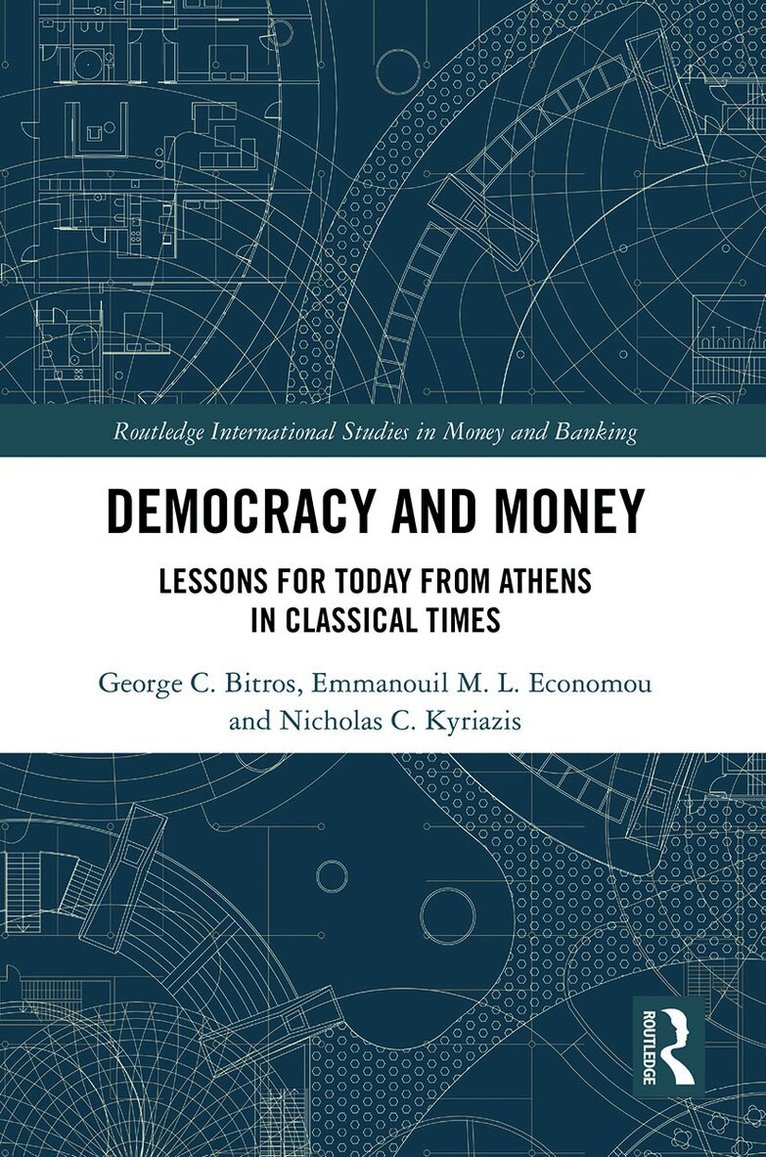
The authors of this book argue that post-war fiscal and monetary policies in the U.S. are prone to more frequent and more destabilizing domestic and international financial crises. So, in the aftermath of the one that erupted in 2008, they propose that now we are sleepwalking into another, which under the prevailing institutional circumstances could develop into a worldwide financial Armageddon.Thinking ahead of such a calamity, this book presents for the first time a model of democratic governance with privately produced money based on the case of Athens in Classical times, and explains why, if it is conceived as a benchmark for reference and adaptation, it may provide an effective way out from the dreadful predicament that state managed fiat money holds for the stability of Western-type democracies and the international financial system. As the U.S. today, Athens at that time reached the apex of its military, economic, political, cultural, and scientific influence in the world. But Athens triumphed through different approaches to democracy and fundamentally different fiscal and monetary policies than the U.S. Thus the readers will have the opportunity to learn about these differences and appreciate the potential they offer for confronting the challenges contemporary democracies face under the leadership of the U.S.The book will find audiences among academics, university students, and researchers across a wide range of fields and subfields, as well as legislators, fiscal and monetary policy makers, and economic and financial consultants.
2 167 kr
Skickas inom 10-15 vardagar
The authors of this book argue that post-war fiscal and monetary policies in the U.S. are prone to more frequent and more destabilizing domestic and international financial crises. So, in the aftermath of the one that erupted in 2008, they propose that now we are sleepwalking into another, which under the prevailing institutional circumstances could develop into a worldwide financial Armageddon.Thinking ahead of such a calamity, this book presents for the first time a model of democratic governance with privately produced money based on the case of Athens in Classical times, and explains why, if it is conceived as a benchmark for reference and adaptation, it may provide an effective way out from the dreadful predicament that state managed fiat money holds for the stability of Western-type democracies and the international financial system. As the U.S. today, Athens at that time reached the apex of its military, economic, political, cultural, and scientific influence in the world. But Athens triumphed through different approaches to democracy and fundamentally different fiscal and monetary policies than the U.S. Thus the readers will have the opportunity to learn about these differences and appreciate the potential they offer for confronting the challenges contemporary democracies face under the leadership of the U.S.The book will find audiences among academics, university students, and researchers across a wide range of fields and subfields, as well as legislators, fiscal and monetary policy makers, and economic and financial consultants.
2 176 kr
Skickas inom 10-15 vardagar
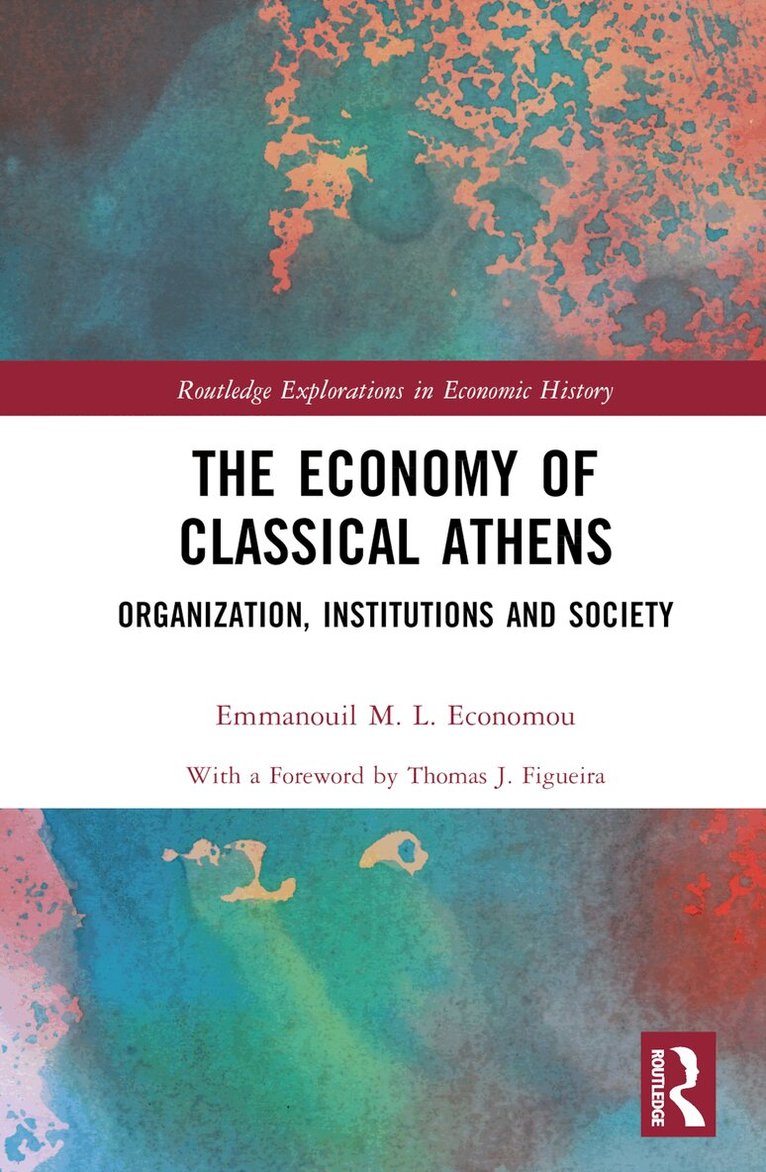
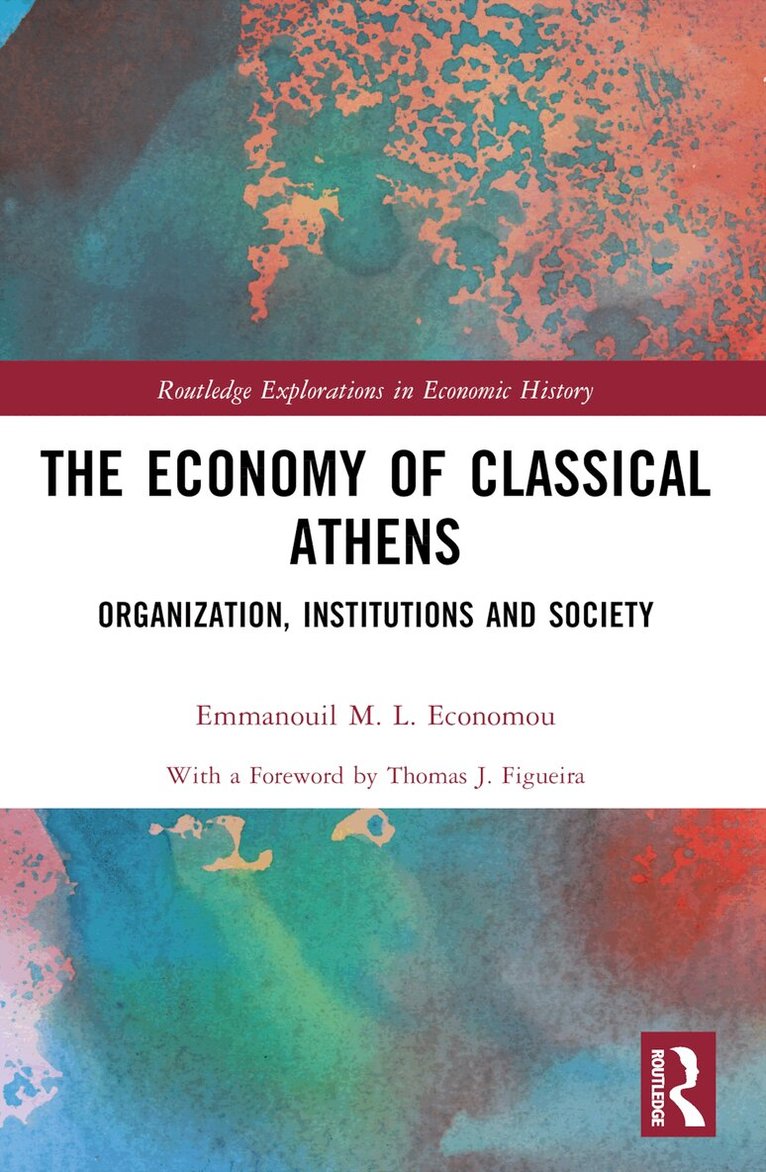
In parallel to the development of democracy, the Athenians of the Classical period established a series of sophisticated economic institutions for the time through which they developed a maritime and commercially oriented economy. This book provides a thorough analysis of this transformation and the functioning of the Athenian economy during the Classical period. Through the approach of New Institutional Economics (NIE), the book explores the establishment of key institutions including property rights protection, the legal protection of commercial contracts, prices determined by the forces of supply and demand, institutions against profiteering, banking services, the provision of loans through interest rates, consumer credit, insurance companies and a (primitive) version of joint-stock companies. Furthermore, the book focuses on the structure of the public sector, on how the state budget was determined and on how decisions on public revenues and expenditures were made. It also provides an integrated and detailed analysis of the social welfare policies that were implemented through the provision of a variety of public goods in Classical Athens. Moreover, it focuses on a series of socio-economic aspects such as the social status of women, slaves and foreigners and the viewpoints of prominent Athenian philosophers regarding economic organization. Finally, the book investigates whether an Athenian economic-political model of governance, based on a combination of advanced economic institutions (of free market type logic, even if in a primordial form) and direct democracy principles, can provide any lessons for modern societies. The book will be of great interest to readers of the economy, history and society of Ancient Greece as well as economic historians, ancient historians and policymakers more broadly.
651 kr
Skickas inom 10-15 vardagar
In parallel to the development of democracy, the Athenians of the Classical period established a series of sophisticated economic institutions for the time through which they developed a maritime and commercially oriented economy. This book provides a thorough analysis of this transformation and the functioning of the Athenian economy during the Classical period. Through the approach of New Institutional Economics (NIE), the book explores the establishment of key institutions including property rights protection, the legal protection of commercial contracts, prices determined by the forces of supply and demand, institutions against profiteering, banking services, the provision of loans through interest rates, consumer credit, insurance companies and a (primitive) version of joint-stock companies. Furthermore, the book focuses on the structure of the public sector, on how the state budget was determined and on how decisions on public revenues and expenditures were made. It also provides an integrated and detailed analysis of the social welfare policies that were implemented through the provision of a variety of public goods in Classical Athens. Moreover, it focuses on a series of socio-economic aspects such as the social status of women, slaves and foreigners and the viewpoints of prominent Athenian philosophers regarding economic organization. Finally, the book investigates whether an Athenian economic-political model of governance, based on a combination of advanced economic institutions (of free market type logic, even if in a primordial form) and direct democracy principles, can provide any lessons for modern societies. The book will be of great interest to readers of the economy, history and society of Ancient Greece as well as economic historians, ancient historians and policymakers more broadly.
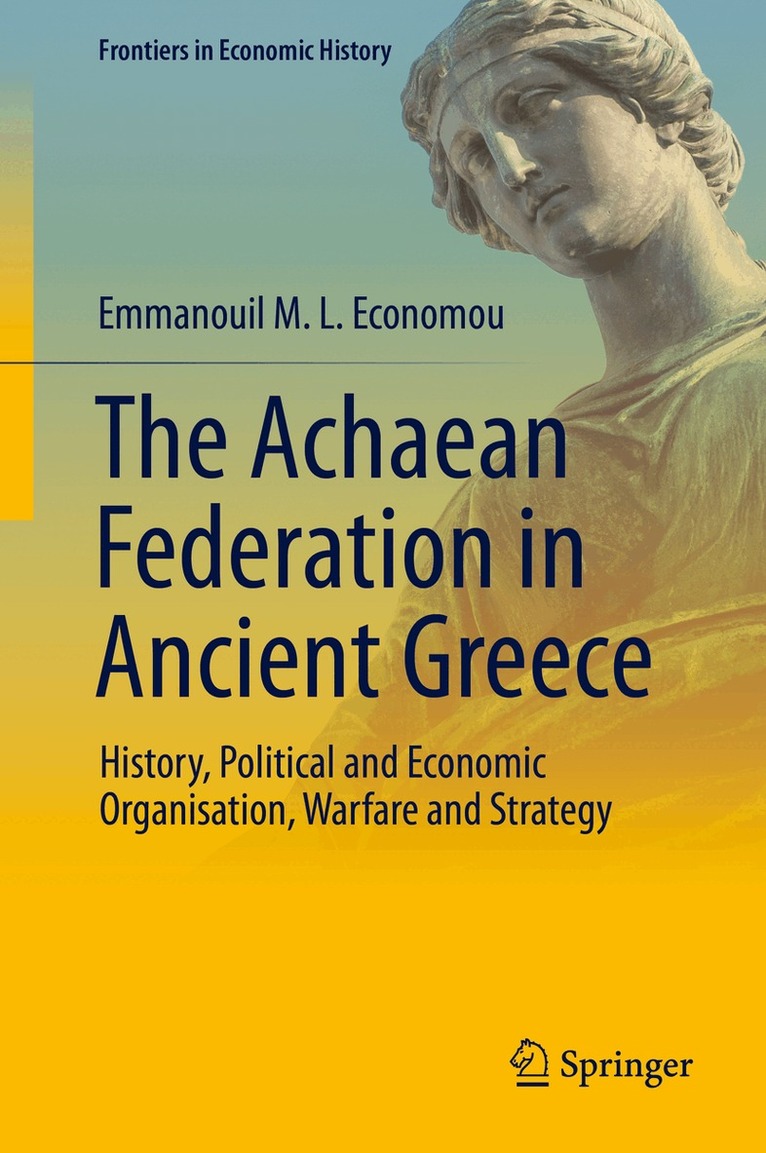
Achaean Federation in Ancient Greece
History, Political and Economic Organisation, Warfare and Strategy
Inbunden, Engelska, 2020
1 310 kr
Skickas inom 10-15 vardagar
This book analyses ancient Greek federalism by focusing on one of the most organised and advanced Greek federal states, the Achaean Federation Sympoliteia. Unlike earlier studies that mainly focused on its political history, this book adopts an interdisciplinary approach, analysing aspects of the economic organization and institutions, and the political economy of the Achaean Federation, and combining these findings with political history. It also discusses the strategic choices made by significant historical figures such as generals Aratos and Philopoemen. The analysis of the Achaean Federation verifies the intertemporal federal axiom, which states that the success and viability of federal experiment is achieved when the benefits of participation for the member-states exceed the costs of conferring national sovereignty on supranational federal authorities.The book further argues that the Achaeans developed a system of sophisticated direct democratic procedures in decision-making on federal matters, as well as significant and highly sophisticated (for the era) economic institutions and federal practices, in order to achieve bonds of trust and legitimacy regarding their innovative federal structure. These practices included, among others, the creation of free market type economic institutions, a monetary union, federal budget, provision of public goods and a common defense and security policy for all the Achaean city-state members. Lastly, the book relates these findings to ideas on how the Achaean Federation would have dealt with a series of current global issues, such as European Union integration and problems such as Euroscepticism, Brexit and immigration.
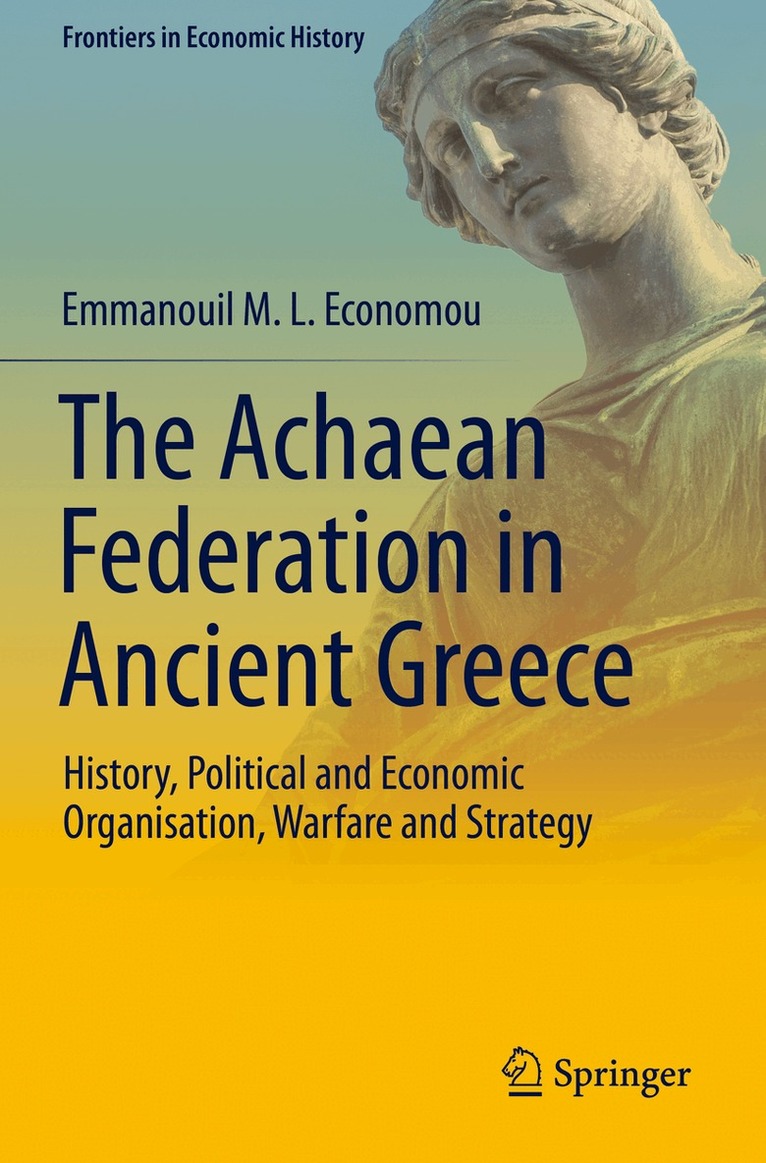
Achaean Federation in Ancient Greece
History, Political and Economic Organisation, Warfare and Strategy
Häftad, Engelska, 2021
1 310 kr
Skickas inom 10-15 vardagar
This book analyses ancient Greek federalism by focusing on one of the most organised and advanced Greek federal states, the Achaean Federation Sympoliteia. Unlike earlier studies that mainly focused on its political history, this book adopts an interdisciplinary approach, analysing aspects of the economic organization and institutions, and the political economy of the Achaean Federation, and combining these findings with political history. It also discusses the strategic choices made by significant historical figures such as generals Aratos and Philopoemen. The analysis of the Achaean Federation verifies the intertemporal federal axiom, which states that the success and viability of federal experiment is achieved when the benefits of participation for the member-states exceed the costs of conferring national sovereignty on supranational federal authorities.The book further argues that the Achaeans developed a system of sophisticated direct democratic procedures in decision-making on federal matters, as well as significant and highly sophisticated (for the era) economic institutions and federal practices, in order to achieve bonds of trust and legitimacy regarding their innovative federal structure. These practices included, among others, the creation of free market type economic institutions, a monetary union, federal budget, provision of public goods and a common defense and security policy for all the Achaean city-state members. Lastly, the book relates these findings to ideas on how the Achaean Federation would have dealt with a series of current global issues, such as European Union integration and problems such as Euroscepticism, Brexit and immigration.