2 478 kr
Skickas inom 10-15 vardagar
2 478 kr
Skickas inom 10-15 vardagar
658 kr
Skickas inom 10-15 vardagar
746 kr
Läs direkt efter köp
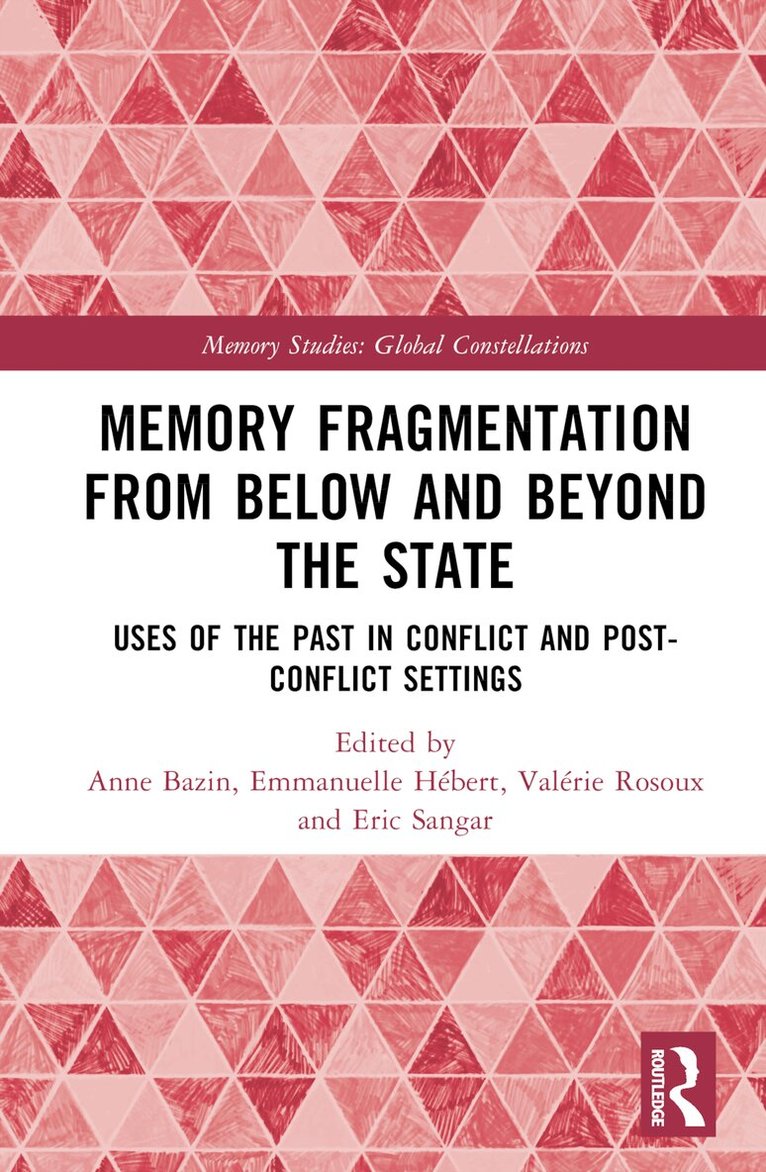
This volume suggests a model of collective memory that distinguishes between two conceptual logics of memory fragmentation: vertical fragmentation and horizontal fragmentation. It offers a series of case studies of conflict and post-conflict collective memory, shedding light on the ways various actors participate in the production, dissemination, and contestation of memory discourses.
With attention to the characteristics of both vertical and horizontal memory fragmentation, the book addresses the plurality of diverging, and often conflicting, memory discourses that are produced within the public sphere of a given community. It analyzes the juxtaposition, tensions, and interactions between narratives produced beyond or below the central state, often transcending national boundaries.
The book is structured according to the type of actors involved in a memory fragmentation process. It explores how states have been trying to produce and impose memory discourses on civil societies, sometimes even against the experiences of their own citizens, and how such efforts as well as backlash from actors below and beyond the state have led to horizontal and vertical memory fragmentation. Furthermore, it considers the attempts by states’ representatives to reassert control of national memory discourses and the subsequent resistances they face. As such, this volume will appeal to sociology and political science scholars interested in memory studies in post-conflict societies.
746 kr
Läs direkt efter köp
This volume suggests a model of collective memory that distinguishes between two conceptual logics of memory fragmentation: vertical fragmentation and horizontal fragmentation. It offers a series of case studies of conflict and post-conflict collective memory, shedding light on the ways various actors participate in the production, dissemination, and contestation of memory discourses.
With attention to the characteristics of both vertical and horizontal memory fragmentation, the book addresses the plurality of diverging, and often conflicting, memory discourses that are produced within the public sphere of a given community. It analyzes the juxtaposition, tensions, and interactions between narratives produced beyond or below the central state, often transcending national boundaries.
The book is structured according to the type of actors involved in a memory fragmentation process. It explores how states have been trying to produce and impose memory discourses on civil societies, sometimes even against the experiences of their own citizens, and how such efforts as well as backlash from actors below and beyond the state have led to horizontal and vertical memory fragmentation. Furthermore, it considers the attempts by states’ representatives to reassert control of national memory discourses and the subsequent resistances they face. As such, this volume will appeal to sociology and political science scholars interested in memory studies in post-conflict societies.
les commissions d'historiens dans les processus de rapprochement (Pologne-Allemagne, ...
1 296 kr
Skickas inom 3-6 vardagar
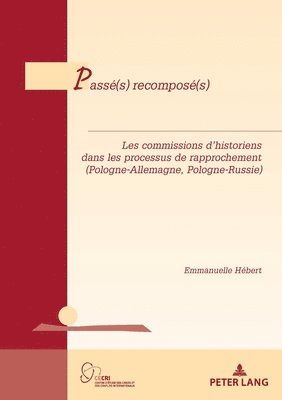
Cet ouvrage analyse le travail des commissions d’historiens dans les processus de rapprochement en Pologne. Deux d’entre elles sont privilégiées : la commission polono-allemande portant sur les manuels scolaires et le groupe polono-russe sur les questions difficiles. Cette étude se fonde sur deux sources principales : une série d’entretiens et des recherches dans les archives, auxquelles s’ajoutent des ressources complémentaires : observations participantes et analyse de discours politiques, de sondages et de la presse. Le dialogue sur l’histoire auquel d’aucuns font appel correspond tout à fait à ce qui est demandé aux commissions d’historiens. Dès lors, pourquoi ces commissions ont-elles été créées ? Comment fonctionnent-elles et pourquoi continuent-elles de fonctionner ? Nous formons les hypothèses que, premièrement, ces commissions ont été créées dans un objectif de rapprochement, voire de réconciliation. Deuxièmement, leur fonctionnement — et sa prolongation — dépend de trois variables : le contexte, les mandats, les acteurs.
Cet ouvrage s’articule en cinq axes. Les trois premières parties portent sur chacune des trois variables évoquées : contexte, mandats, acteurs. La quatrième partie concerne les sphères d’influence de ces commissions et les débats qu’elles engendrent : politique et religion, débats publics, débats scientifiques. La dernière partie se concentre sur les projets de ces commissions : l’ouvrage commun ou les centres de dialogue du côté polono-russe, le manuel commun d’histoire du côté polono-allemand. Au travers de toutes ces pratiques, les commissions d’historiens cherchent, dans le cadre de la transformation des conflits, à réconcilier par l’histoire, c’est du moins l’un des arguments défendus dans cet ouvrage.