Valerie Rosoux - Böcker
Visar alla böcker från författaren Valerie Rosoux. Handla med fri frakt och snabb leverans.
5 produkter
5 produkter
675 kr
Skickas inom 10-15 vardagar
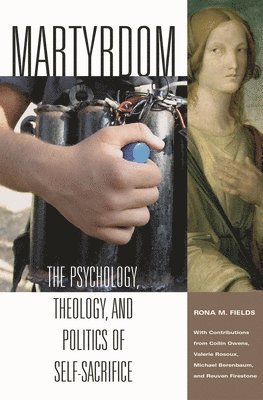
Martyrdom is a controversial and disputed concept. Just as religion is often hijacked by politics, martyrdom is frequently ascribed to a narrow, partisan, and parochial foundation. This is the first book to present varied views on the topic of martyrdom, reaching beyond cliches and simplistic explanations to provoke deep consideration of the essential nature of human beings and society. The volume's authors—experts in the disciplines of psychology, theology, and politics—examine martyrdom in thoughtful and thought-provoking chapters. A closing conversation between the authors is designed to inspire further discourse and debate.Readers engaged in the exploration of social justice, conflict, psychology, religion, and the politics of memory will find this book unique and stimulating. The authors have appeared on public television and public radio, as well as ABC, CBS, and NBC news and discussion programs.
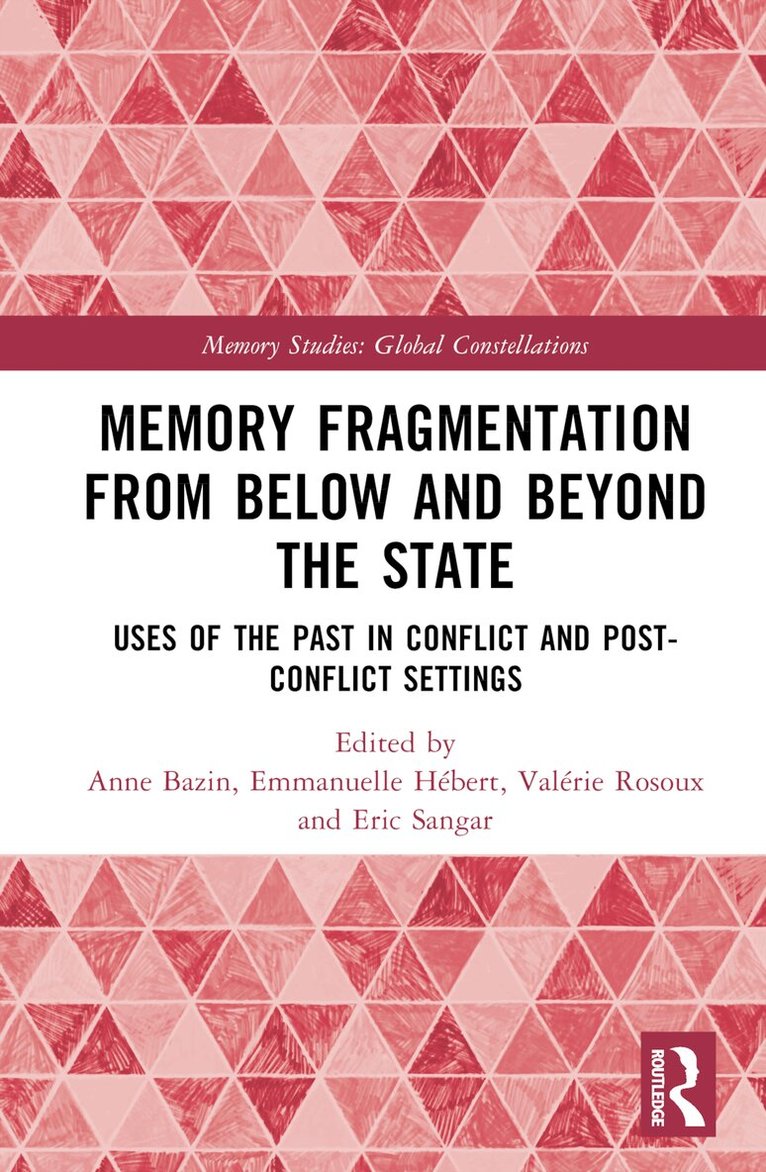
Memory Fragmentation from Below and Beyond the State
Uses of the Past in Conflict and Post-conflict Settings
Inbunden, Engelska, 2023
1 968 kr
Skickas inom 10-15 vardagar
This volume suggests a model of collective memory that distinguishes between two conceptual logics of memory fragmentation: vertical fragmentation and horizontal fragmentation. It offers a series of case studies of conflict and post-conflict collective memory, shedding light on the ways various actors participate in the production, dissemination, and contestation of memory discourses.With attention to the characteristics of both vertical and horizontal memory fragmentation, the book addresses the plurality of diverging, and often conflicting, memory discourses that are produced within the public sphere of a given community. It analyzes the juxtaposition, tensions, and interactions between narratives produced beyond or below the central state, often transcending national boundaries.The book is structured according to the type of actors involved in a memory fragmentation process. It explores how states have been trying to produce and impose memory discourses on civil societies, sometimes even against the experiences of their own citizens, and how such efforts as well as backlash from actors below and beyond the state have led to horizontal and vertical memory fragmentation. Furthermore, it considers the attempts by states’ representatives to reassert control of national memory discourses and the subsequent resistances they face. As such, this volume will appeal to sociology and political science scholars interested in memory studies in post-conflict societies.
Memory Fragmentation from Below and Beyond the State
Uses of the Past in Conflict and Post-conflict Settings
Häftad, Engelska, 2024
575 kr
Skickas inom 10-15 vardagar
This volume suggests a model of collective memory that distinguishes between two conceptual logics of memory fragmentation: vertical fragmentation and horizontal fragmentation. It offers a series of case studies of conflict and post-conflict collective memory, shedding light on the ways various actors participate in the production, dissemination, and contestation of memory discourses.With attention to the characteristics of both vertical and horizontal memory fragmentation, the book addresses the plurality of diverging, and often conflicting, memory discourses that are produced within the public sphere of a given community. It analyzes the juxtaposition, tensions, and interactions between narratives produced beyond or below the central state, often transcending national boundaries.The book is structured according to the type of actors involved in a memory fragmentation process. It explores how states have been trying to produce and impose memory discourses on civil societies, sometimes even against the experiences of their own citizens, and how such efforts as well as backlash from actors below and beyond the state have led to horizontal and vertical memory fragmentation. Furthermore, it considers the attempts by states’ representatives to reassert control of national memory discourses and the subsequent resistances they face. As such, this volume will appeal to sociology and political science scholars interested in memory studies in post-conflict societies.
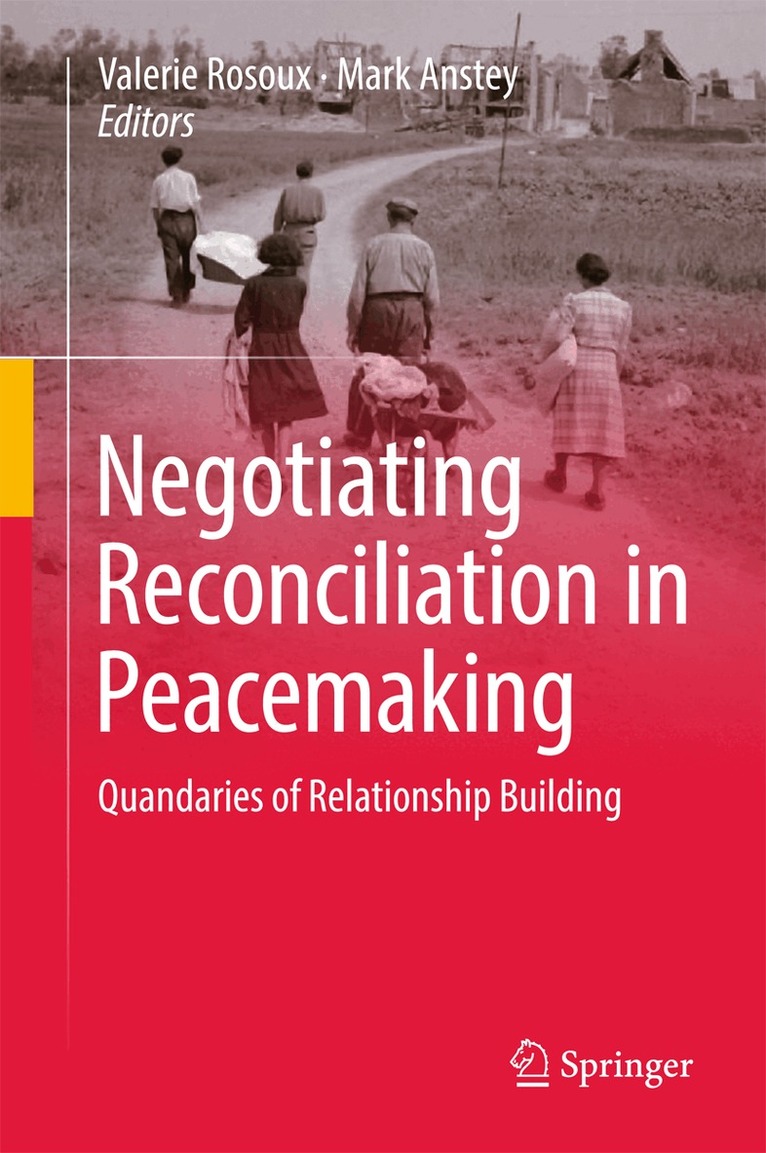
Negotiating Reconciliation in Peacemaking
Quandaries of Relationship Building
Inbunden, Engelska, 2017
1 240 kr
Skickas inom 10-15 vardagar
This book offers a unique approach to reconciliation as a matter for negotiation, bringing together two bodies of theory in order to offer insights into resolving conflicts and achieving lasting peace. It argues that reconciliation should not be simply accepted as an ‘agreed-upon norm’ within peacemaking processes, but should receive serious attention from belligerents and peace-brokers seeking to end violent conflicts through negotiation.The book explores different meanings the term ‘reconciliation’ might hold for parties in conflict - the end of overt hostilities, a transformation in the quality of relations between warring groups, a vehicle of accountability and punishment of human rights abusers or the means through which they might somehow acquire amnesty, and as a means of atonement and to material reparation. It considers what gives energy to the idea of reconciliation in a conflict situation—why do belligerents become interested in settling their differences and changingtheir attitudes to one another? Using a range of case studies and thematic discussion, chapters in this book seek to tackle these tough questions from a multidisciplinary perspective. Contributions to the book reveal some of the complexities of national and international reconciliation projects, but particularly diverse understandings of reconciliation and how to achieve it. All conflicts reflect unique dynamics, aspirations and power realities. It is precisely because parties in conflict differ in expectations of reconciliation outcomes that its processes should be negotiated. This book is a valuable resource for both scholars and practitioners engaged in resolving conflicts and transforming fragmented relations in conflict and post-conflict situations.
880 kr
Skickas inom 10-15 vardagar
This book offers a unique approach to reconciliation as a matter for negotiation, bringing together two bodies of theory in order to offer insights into resolving conflicts and achieving lasting peace. It argues that reconciliation should not be simply accepted as an ‘agreed-upon norm’ within peacemaking processes, but should receive serious attention from belligerents and peace-brokers seeking to end violent conflicts through negotiation.The book explores different meanings the term ‘reconciliation’ might hold for parties in conflict - the end of overt hostilities, a transformation in the quality of relations between warring groups, a vehicle of accountability and punishment of human rights abusers or the means through which they might somehow acquire amnesty, and as a means of atonement and to material reparation. It considers what gives energy to the idea of reconciliation in a conflict situation—why do belligerents become interested in settling their differences and changingtheir attitudes to one another? Using a range of case studies and thematic discussion, chapters in this book seek to tackle these tough questions from a multidisciplinary perspective. Contributions to the book reveal some of the complexities of national and international reconciliation projects, but particularly diverse understandings of reconciliation and how to achieve it. All conflicts reflect unique dynamics, aspirations and power realities. It is precisely because parties in conflict differ in expectations of reconciliation outcomes that its processes should be negotiated. This book is a valuable resource for both scholars and practitioners engaged in resolving conflicts and transforming fragmented relations in conflict and post-conflict situations.