Eric C. Brevik – författare
Visar alla böcker från författaren Eric C. Brevik. Handla med fri frakt och snabb leverans.
4 produkter
4 produkter
754 kr
Skickas inom 10-15 vardagar
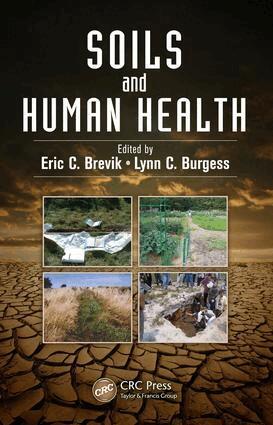
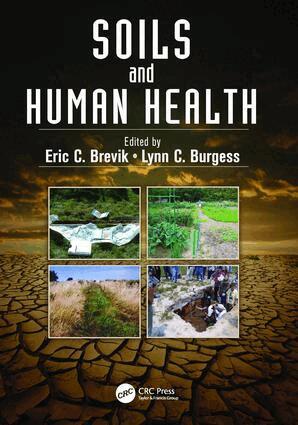
Despite the connections between soils and human health, there has not been a great amount of attention focused on this area when compared to many other fields of scientific and medical study. Soils and Human Health brings together authors from diverse fields with an interest in soils and human health, including soil science, geology, geography, biology, and anthropology to investigate this issue from a number of perspectives. The book includes a soil science primer chapter for readers from other fields, and discusses the ways the soil science community can contribute to improving our understanding of soils and human health.Features Discusses ways the soil science community can contribute to the improvement of soil healthApproaches human health from a soils-focused perspective, covering the influence of soil conservation and contact with soil on human healthIllustrates topics via case studies including arsenic in groundwater in Bangladesh; the use of Agent Orange in Vietnam; heavy metal contamination in Shipham, United Kingdom and Omaha, Nebraska, USA; and electronic waste recycling in China.In a scientific world where the trend has often been ever-increasing specialization and increasingly difficult communication between fields and subfields, the interdisciplinary nature of soils and human health studies presents a significant challenge going forward. Fields with an interest in soils and human health need to have increased cross-disciplinary communication and cooperation. This book is a step in the direction of accessibility and innovation, elucidating the state of knowledge in the meeting of soil and health sciences, and identifying places where more work is needed.
2 588 kr
Skickas inom 10-15 vardagar
Despite the connections between soils and human health, there has not been a great amount of attention focused on this area when compared to many other fields of scientific and medical study. Soils and Human Health brings together authors from diverse fields with an interest in soils and human health, including soil science, geology, geography, biology, and anthropology to investigate this issue from a number of perspectives. The book includes a soil science primer chapter for readers from other fields, and discusses the ways the soil science community can contribute to improving our understanding of soils and human health.Features Discusses ways the soil science community can contribute to the improvement of soil healthApproaches human health from a soils-focused perspective, covering the influence of soil conservation and contact with soil on human healthIllustrates topics via case studies including arsenic in groundwater in Bangladesh; the use of Agent Orange in Vietnam; heavy metal contamination in Shipham, United Kingdom and Omaha, Nebraska, USA; and electronic waste recycling in China.In a scientific world where the trend has often been ever-increasing specialization and increasingly difficult communication between fields and subfields, the interdisciplinary nature of soils and human health studies presents a significant challenge going forward. Fields with an interest in soils and human health need to have increased cross-disciplinary communication and cooperation. This book is a step in the direction of accessibility and innovation, elucidating the state of knowledge in the meeting of soil and health sciences, and identifying places where more work is needed.
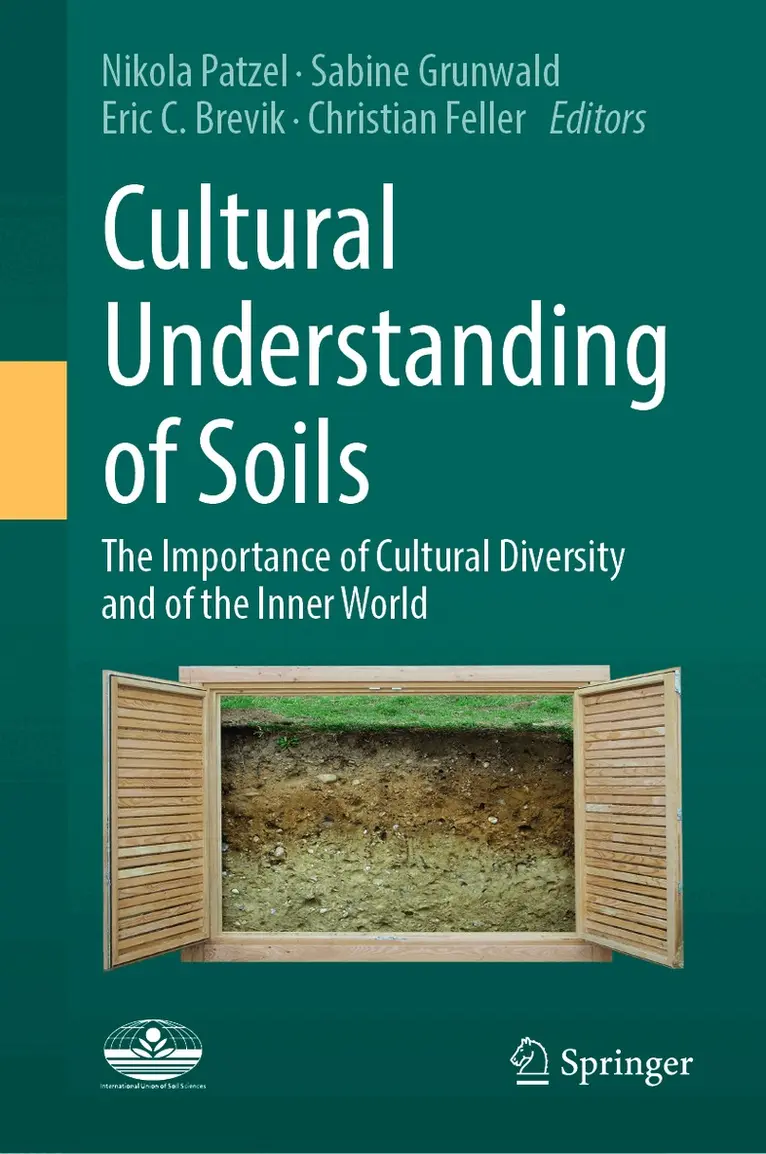
Cultural Understanding of Soils
The importance of cultural diversity and of the inner world
Inbunden, Engelska, 2023
1 800 kr
Skickas inom 10-15 vardagar
Cultural understandings of soil are diverse and often ambiguous. Cultural framing of soils is common worldwide and is highly consequential. The implications of what place the earth has in people's world view and everyday life can be in line with or in conflict with natural conditions, with scientific views, or with agricultural practices. The main assumption underlying this work is that soil is inescapably perceived in a cultural context by any human. This gives emergence to different significant webs of meaning influenced by religious, spiritual, or secular myths, and by a wide range of beliefs, values and ideas that people hold in all societies. These patterns and their dynamics inform the human-soil relationship and how soils are cared for, protected, or degraded.Therefore, there is need to deal inter-culturally with different sources and types of knowledge and experience regarding soil; a need to cultivate soil awareness and situationally appropriate care through inter- andintra-cultural dialogues and learning. This project focuses on the human and intangible dimensions of soil.To serve this aim, the International Union of Soil Sciences (IUSS) founded a working group on Cultural Patterns of Soil Understanding that has resulted in this book, which presents studies from almost all continents, written by soil scientists and experts from other disciplines. A major objective of this project is to promote intercultural literacy that gives readers the opportunity to appreciate soil across disciplinary and cultural boundaries in an increasingly globalized world. . .
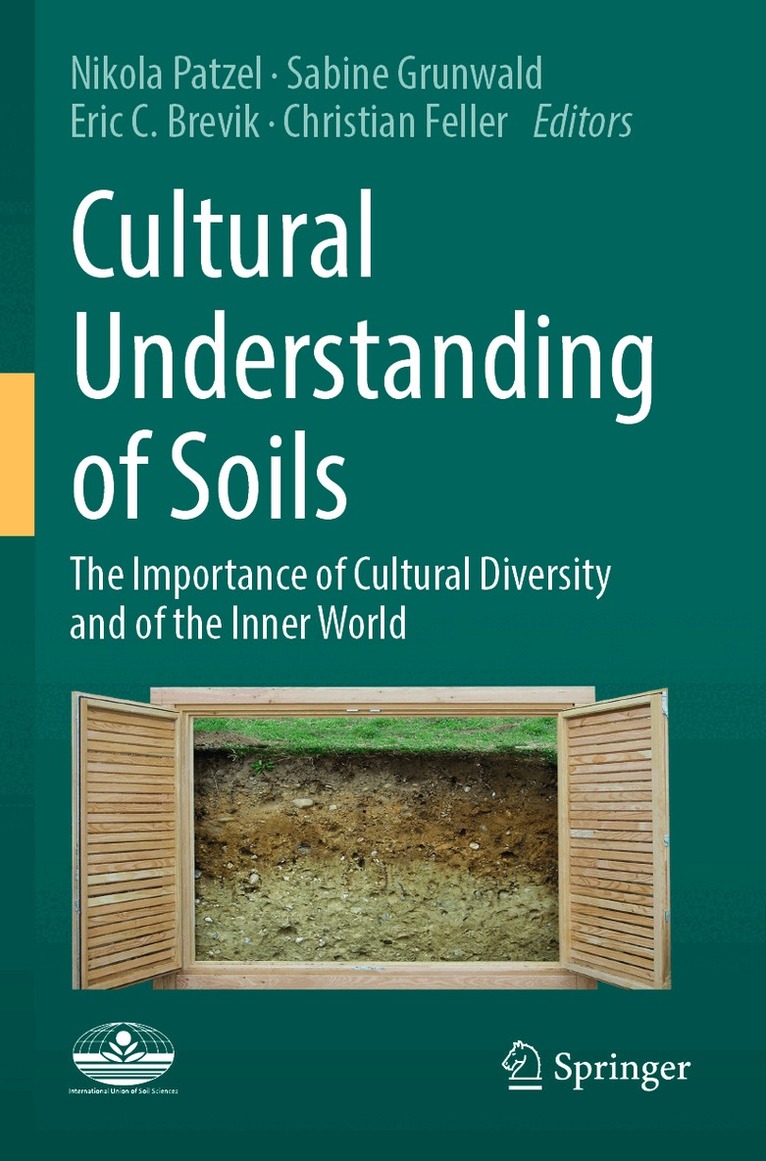
Cultural Understanding of Soils
The importance of cultural diversity and of the inner world
Häftad, Engelska, 2024
1 800 kr
Skickas inom 10-15 vardagar
Cultural understandings of soil are diverse and often ambiguous. Cultural framing of soils is common worldwide and is highly consequential. The implications of what place the earth has in people's world view and everyday life can be in line with or in conflict with natural conditions, with scientific views, or with agricultural practices. The main assumption underlying this work is that soil is inescapably perceived in a cultural context by any human. This gives emergence to different significant webs of meaning influenced by religious, spiritual, or secular myths, and by a wide range of beliefs, values and ideas that people hold in all societies. These patterns and their dynamics inform the human-soil relationship and how soils are cared for, protected, or degraded.Therefore, there is need to deal inter-culturally with different sources and types of knowledge and experience regarding soil; a need to cultivate soil awareness and situationally appropriate care through inter- andintra-cultural dialogues and learning. This project focuses on the human and intangible dimensions of soil.To serve this aim, the International Union of Soil Sciences (IUSS) founded a working group on Cultural Patterns of Soil Understanding that has resulted in this book, which presents studies from almost all continents, written by soil scientists and experts from other disciplines. A major objective of this project is to promote intercultural literacy that gives readers the opportunity to appreciate soil across disciplinary and cultural boundaries in an increasingly globalized world. . .