Eric O. Odada – författare
Visar alla böcker från författaren Eric O. Odada. Handla med fri frakt och snabb leverans.
10 produkter
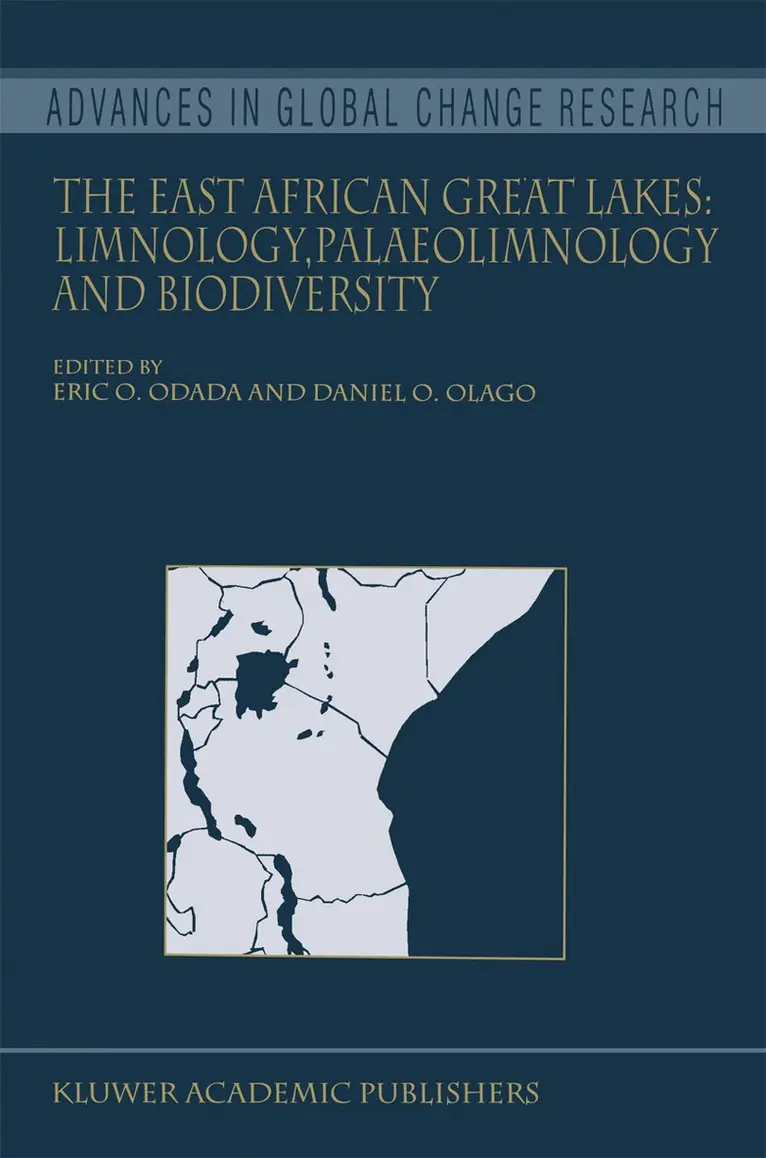
East African Great Lakes: Limnology, Palaeolimnology and Biodiversity
Av Daniel O. Olago, Eric O. Odada
E-bok, 2006
2925 kr
Lägg i varukorg
The Second International Symposium on the East African Lakes was held from 10-15 January 2000 at Club Makokola on the southern shore of Lake Malawi. The symposium was organized by the International Decade for the East African Lakes (IDEAL), a research consortium of African, European and North …
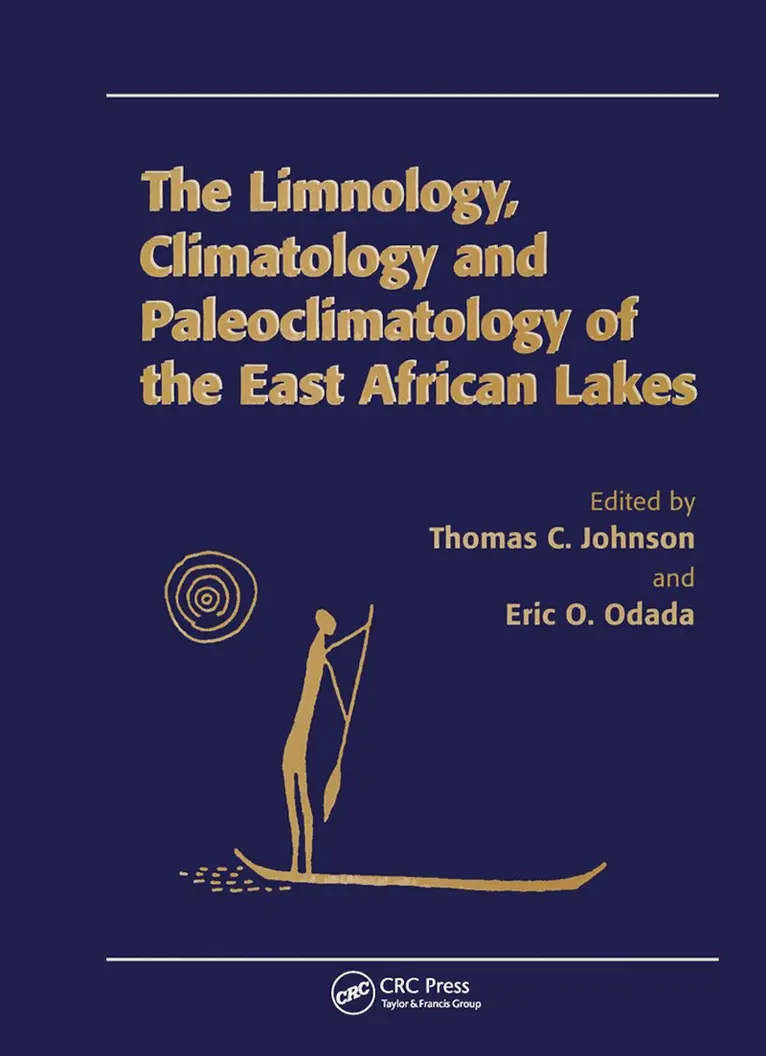
Limnology, Climatology and Paleoclimatology of the East African Lakes
Av Thomas C Johnson, Eric O Odada
Häftad, 2019
1026 kr
Lägg i varukorg
The large lakes of the East African Rift Valley are among the oldest on Earth, and are vital resources for the people of their basins. They are unique among the large lakes of the world in terms of their sensitivity to climatic change, rich and diverse populations of endemic species, circulation …
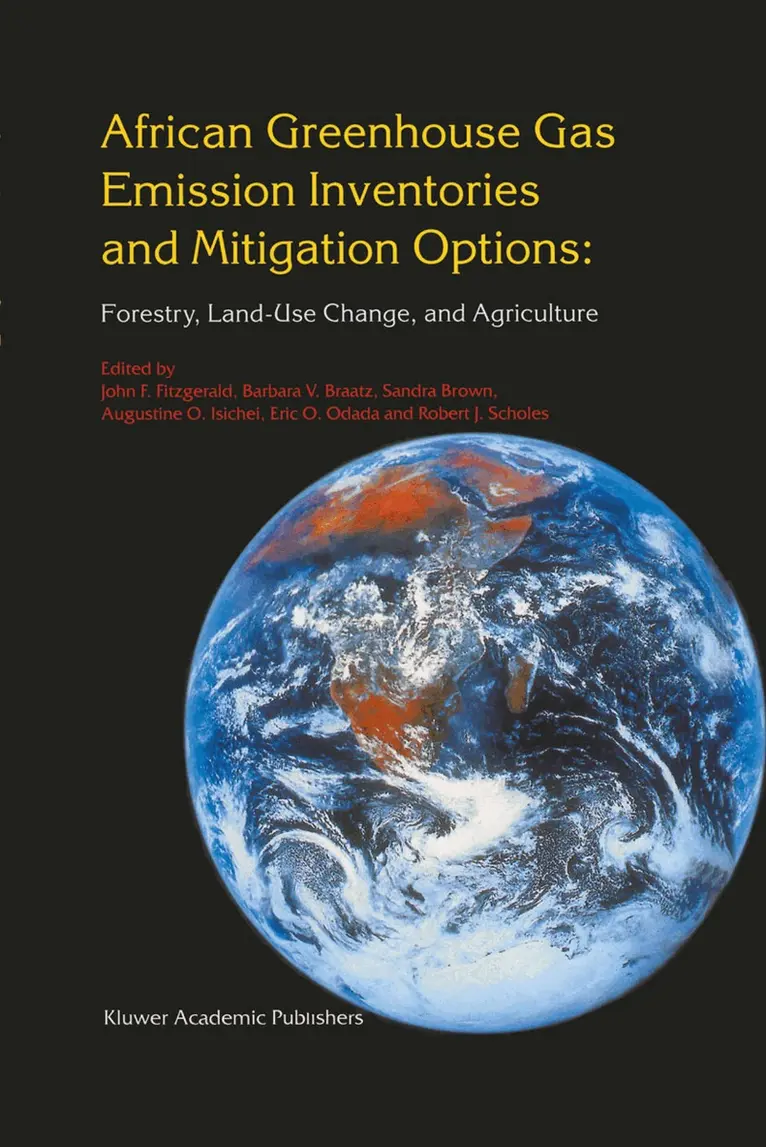
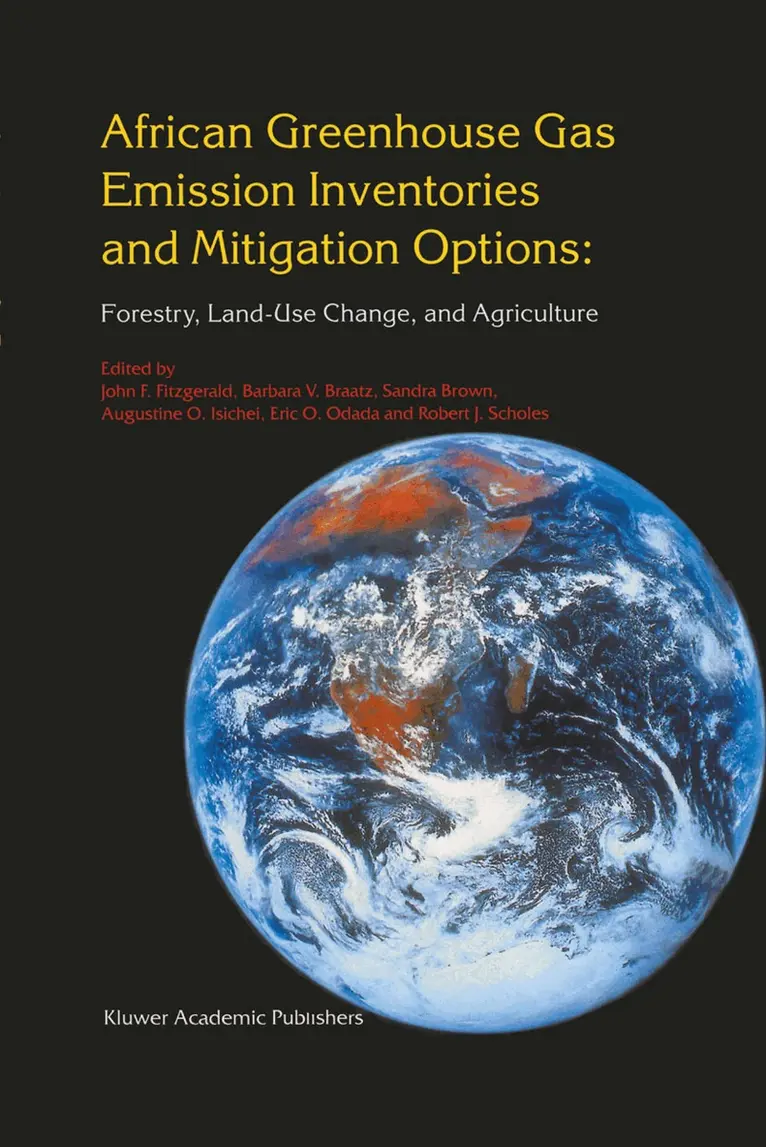
African Greenhouse Gas Emission Inventories and Mitigation Options: Forestry, Land-Use Change, and Agriculture
Johannesburg, South Africa 29 May – June 1995
Av John F. Fitzgerald, Barbara V. Braatz m. fl.
Inbunden, 1996
1636 kr
Lägg i varukorg
As atmospheric concentrations of greenhouse gases continue to increase, so does the potential for atmospheric warming and associated climate change. In an effort to address the threat of global climate change, 155 countries signed the UN Framework Convention on Climate Change at the Earth Summit in …
Limnology, Climatology and Paleoclimatology of the East African Lakes
Av Eric O Odada, Thomas C Johnson
E-bok, 2019
1212 kr
Lägg i varukorg
The large lakes of the East African Rift Valley are among the oldest on Earth, and are vital resources for the people of their basins. They are unique among the large lakes of the world in terms of their sensitivity to climatic change, rich and diverse populations of endemic species, circulation …
Limnology, Climatology and Paleoclimatology of the East African Lakes
Av Eric O Odada, Thomas C Johnson
E-bok, 2019
1212 kr
Lägg i varukorg
The large lakes of the East African Rift Valley are among the oldest on Earth, and are vital resources for the people of their basins. They are unique among the large lakes of the world in terms of their sensitivity to climatic change, rich and diverse populations of endemic species, circulation …
East African Great Lakes: Limnology, Palaeolimnology and Biodiversity
Av Eric O. Odada, Daniel O. Olago
Inbunden, 2002
2179 kr
Lägg i varukorg
This volume contains research papers presented during the Second International Symposium on the Limnology, Climatology, Palaeoclimatology, and Biodiversity of the African Great Lakes, organized by the International Decade for the East African Lakes (IDEAL). The book provides comprehensive coverage …
Limnology, Climatology and Paleoclimatology of the East African Lakes
Av Thomas C Johnson, Eric O Odada
Inbunden, 1996
4591 kr
Lägg i varukorg
IDEAL, the International Decade for East African Lakes, is a ten-year multi-national, multi-disciplinary investigation of the biological, geological, chemical, and physical limnology of the East African Lakes, taking into special account the Great Lakes of the East African Rift Valley and the …
East African Great Lakes: Limnology, Palaeolimnology and Biodiversity
Av Eric O. Odada, Daniel O. Olago
Häftad, 2010
2179 kr
Lägg i varukorg
The Second International Symposium on the East African Lakes was held from 10-15 January 2000 at Club Makokola on the southern shore of Lake Malawi. The symposium was organized by the International Decade for the East African Lakes (IDEAL), a research consortium of African, European and North …
African Greenhouse Gas Emission Inventories and Mitigation Options: Forestry, Land-Use Change, and Agriculture
Johannesburg, South Africa 29 May – June 1995
Av Robert J. Scholes, Eric O. Odada m. fl.
E-bok, 2012
2111 kr
Lägg i varukorg
As atmospheric concentrations of greenhouse gases continue to increase, so does the potential for atmospheric warming and associated climate change. In an effort to address the threat of global climate change, 155 countries signed the UN Framework Convention on Climate Change at the Earth Summit in …
African Greenhouse Gas Emission Inventories and Mitigation Options: Forestry, Land-Use Change, and Agriculture
Johannesburg, South Africa 29 May – June 1995
Av John F. Fitzgerald, Barbara V. Braatz m. fl.
Häftad, 2011
1636 kr
Lägg i varukorg
As atmospheric concentrations of greenhouse gases continue to increase, so does the potential for atmospheric warming and associated climate change. In an effort to address the threat of global climate change, 155 countries signed the UN Framework Convention on Climate Change at the Earth Summit in …