Eric Rogers – författare
Visar alla böcker från författaren Eric Rogers. Handla med fri frakt och snabb leverans.
19 produkter
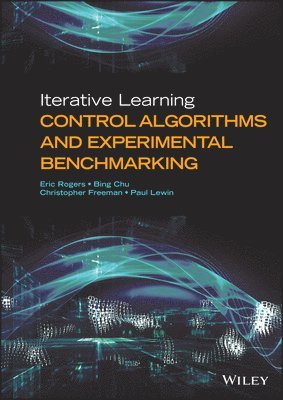
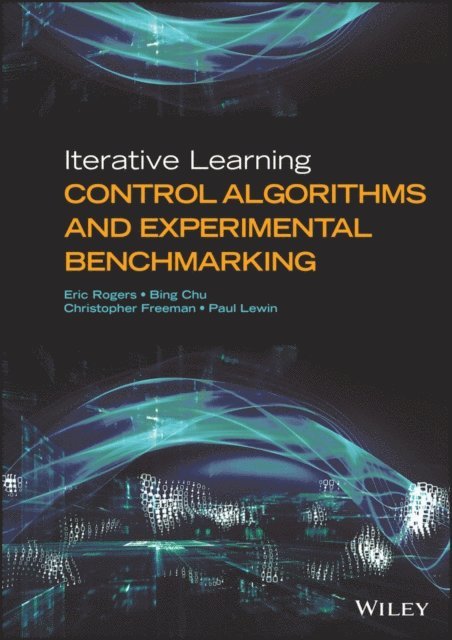
Iterative Learning Control Algorithms and Experimental Benchmarking
Av Eric Rogers, Bing Chu m. fl.
Inbunden, 2023
1227 kr
Lägg i varukorg
Iterative Learning CONTROL ALGORITHMS AND EXPERIMENTAL BENCHMARKING Iterative Learning Control Algorithms and Experimental Benchmarking Presents key cutting edge research into the use of iterative learning control The book discusses the main methods of iterative learning control (ILC) and its …
Iterative Learning Control Algorithms and Experimental Benchmarking
Av Paul Lewin, Christopher Freeman m. fl.
E-bok, 2023
1434 kr
Lägg i varukorg
Iterative Learning CONTROL ALGORITHMS AND EXPERIMENTAL BENCHMARKING Iterative Learning Control Algorithms and Experimental Benchmarking Presents key cutting edge research into the use of iterative learning control The book discusses the main methods of iterative learning control (ILC) and its …
Iterative Learning Control Algorithms and Experimental Benchmarking
Av Paul Lewin, Christopher Freeman m. fl.
E-bok, 2023
1434 kr
Lägg i varukorg
Iterative Learning CONTROL ALGORITHMS AND EXPERIMENTAL BENCHMARKING Iterative Learning Control Algorithms and Experimental Benchmarking Presents key cutting edge research into the use of iterative learning control The book discusses the main methods of iterative learning control (ILC) and its …
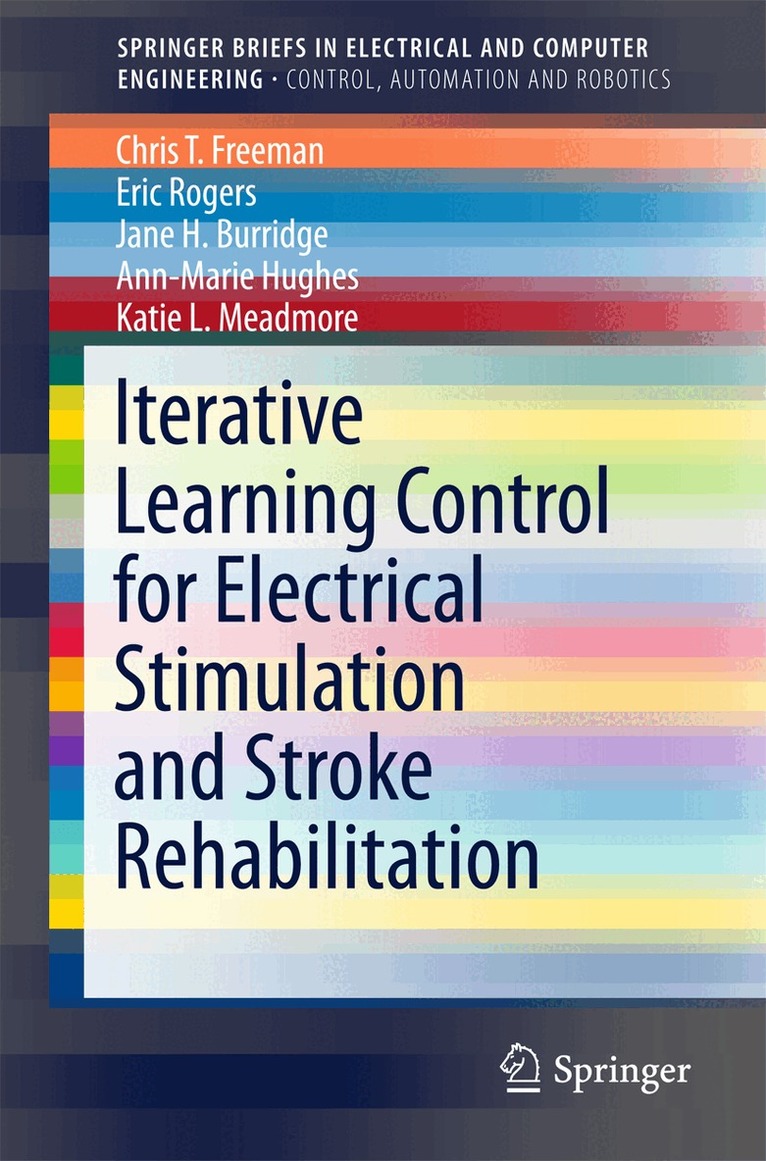
Iterative Learning Control for Electrical Stimulation and Stroke Rehabilitation
Av Chris T. Freeman, Eric Rogers m. fl.
Häftad, 2015
568 kr
Lägg i varukorg
Iterative learning control (ILC) has its origins in the control of processes that perform a task repetitively with a view to improving accuracy from trial to trial by using information from previous executions of the task. This brief shows how a classic application of this technique – trajectory …
Iterative Learning Control for Electrical Stimulation and Stroke Rehabilitation
Av Katie L. Meadmore, Ann-Marie Hughes m. fl.
E-bok, 2015
755 kr
Lägg i varukorg
Iterative learning control (ILC) has its origins in the control of processes that perform a task repetitively with a view to improving accuracy from trial to trial by using information from previous executions of the task. This brief shows how a classic application of this technique – trajectory …
Sights and Sounds of Grief
Ancestral Voices and Pictorial Images as Posthumous Neurocognitive Means of Healing And Hope
Av Eric Rogers
Häftad, 2026
227 kr
Lägg i varukorg
Sights and Sounds of Grief
Ancestral Voices and Pictorial Images as Posthumous Neurocognitive Means of Healing And Hope
Av Eric Rogers
Inbunden, 2026
259 kr
Lägg i varukorg
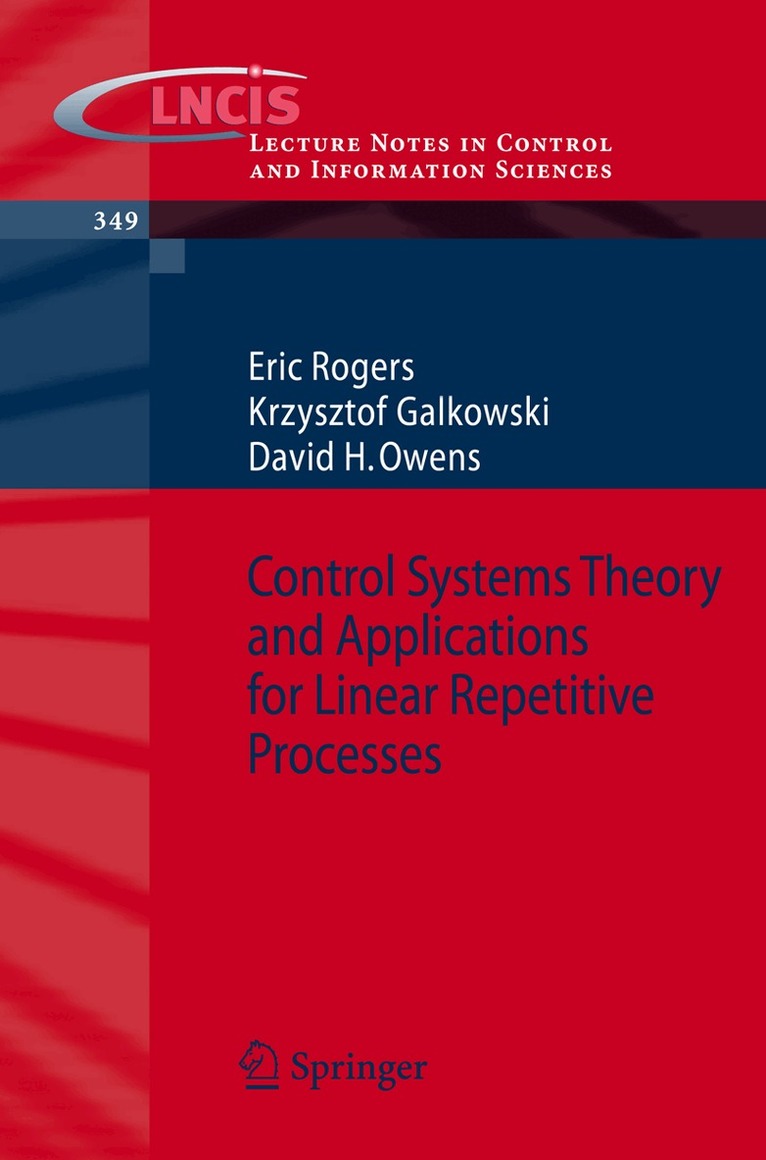
Control Systems Theory and Applications for Linear Repetitive Processes
Av Eric Rogers, Krzysztof Galkowski m. fl.
Häftad, 2007
2183 kr
Lägg i varukorg
After motivating examples, this monograph gives substantial new results on the analysis and control of linear repetitive processes. These include further applications of the abstract model based stability theory which, in particular, shows the critical importance to the dynamics developed of the …
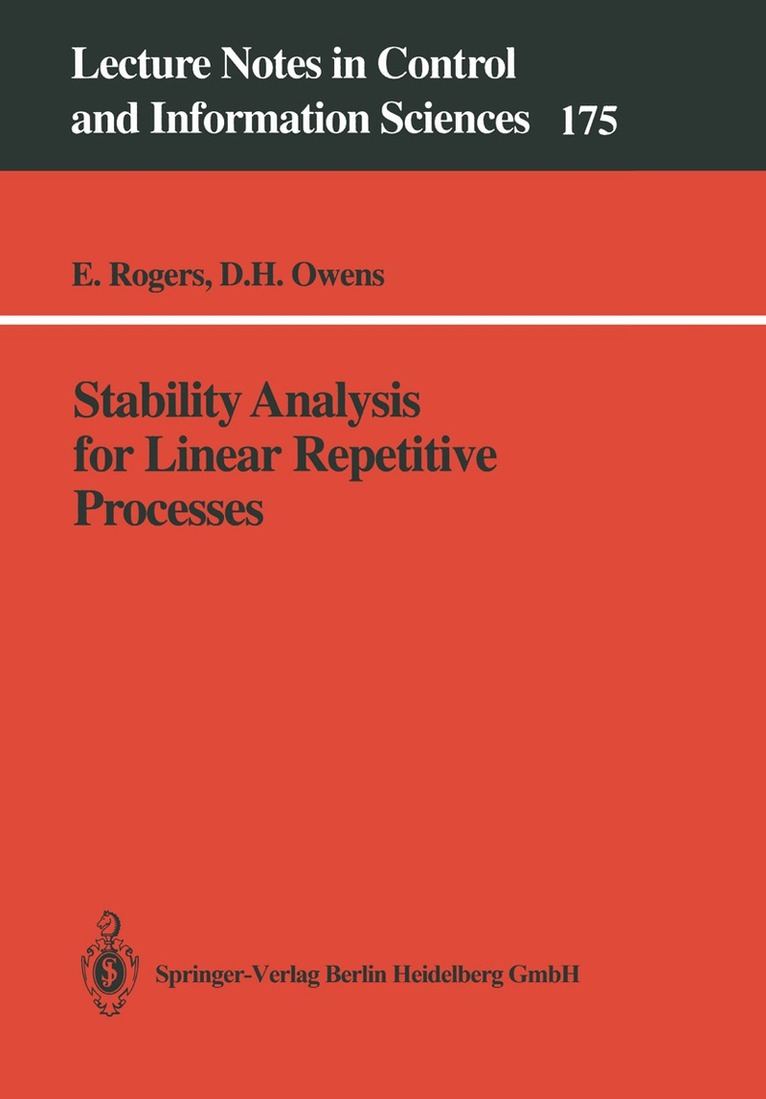
Stability Analysis for Linear Repetitive Processes
Av Eric Rogers, David H. Owens
Häftad, 1992
551 kr
Lägg i varukorg
Industrial processes such as long-wall coal cutting and me-tal rolling, together with certain areas of 2D signal andimage processing, exhibit a repetitive, or multipass struc-ture characterized by a series of sweeps of passes through aknown set of dynamics. The output, or pass profile, producedon …
Control Systems Theory and Applications for Linear Repetitive Processes
Av David H. Owens, Krzysztof Galkowski m. fl.
E-bok, 2007
2925 kr
Lägg i varukorg
After motivating examples, this monograph gives substantial new results on the analysis and control of linear repetitive processes. These include further applications of the abstract model based stability theory which, in particular, shows the critical importance to the dynamics developed of the …
Dryer
Av Eric Rogers
E-bok, 2025
51 kr
Lägg i varukorg
When TIM and MARY decide to pull off the road and buy a used dryer from a mysterious old woman, the young couple gets much more than an appliance. After a simple use, they discover that the dryer not only dries clothes, but also produces oranges at the same time – oranges that are so delicious that …