Eric Schwarz – författare
Visar alla böcker från författaren . Handla med fri frakt och snabb leverans.
5 produkter
5 produkter
E-bok
Engelska, 2014191 kr
Läs direkt efter köp
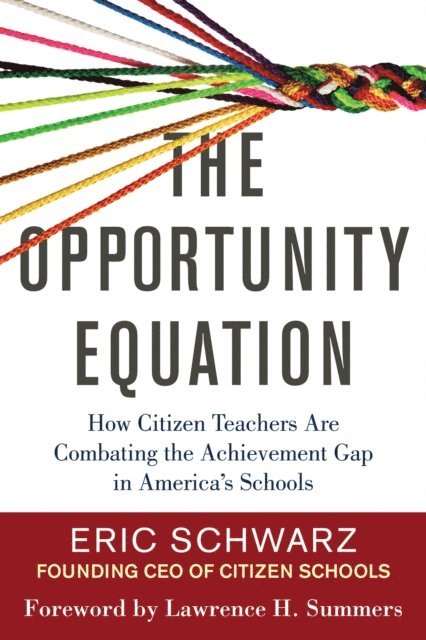
Schwarz, founder of the groundbreaking Citizen Schools program, shares his vision for reducing inequality by pairing successful adults with low-income students. Parental wealth now predicts adult success more than at any point in the last hundred years. And yet as debates about education rage on, and wealth-based achievement gaps grow, too many people fix the blame on one of two convenient scapegoats: poverty or our public schools. But in fact, low-income kids are learning more now than ever before. The real culprit for rising inequality, Eric Schwarz argues in The Opportunity Equation, is that wealthier kids are learning much, much more—mostly outside of school. In summer camps, robotics competitions, sessions with private tutors, and conversations around the dinner table, children from more affluent families build the skills and social networks that propel them to success. In The Opportunity Equation, Schwarz tells the story of how he founded the pioneering Citizen Schools program to combat rising inequality by bringing these same opportunities to children who don’t have access to them. By increasing learning time in schools and harnessing the power of an army of volunteers with various skills and professional backgrounds—lawyers, engineers, carpenters, journalists, nonprofit leaders, and grandmothers who sew—Citizen Schools offers after-school apprenticeships that provide the building blocks for adult success. Recounting the triumphs and setbacks he’s encountered in implementing the program, Schwarz shows that some of the nation’s lowest-performing schools in its lowest-income cities can, with help, provide their students with many of the same experiences wealthy communities afford to their children. The results have been proven: in the dozen school districts, from New York to Oakland, that have partnered with Citizen Schools, rates of attendance, proficiency, graduation, and college acceptance have gone up—and the achievement gap closes. At a time when many stakeholders in the education debates are looking for new, silver-bullet shortcuts to educational excellence, Schwarz shows that the best solution is human-centered, rooted in the American tradition of citizen voluntarism, and, most important, achievable. We can provide quality education for all students and close the opportunity gap in this country—and we can do it together.
Häftad, Tyska
185 kr
Skickas inom 3-6 vardagar
Häftad, Tyska, 2011
863 kr
Skickas inom 3-6 vardagar
Häftad, Tyska
323 kr
Skickas inom 3-6 vardagar
Häftad, Engelska, 2019
659 kr
Tillfälligt slut
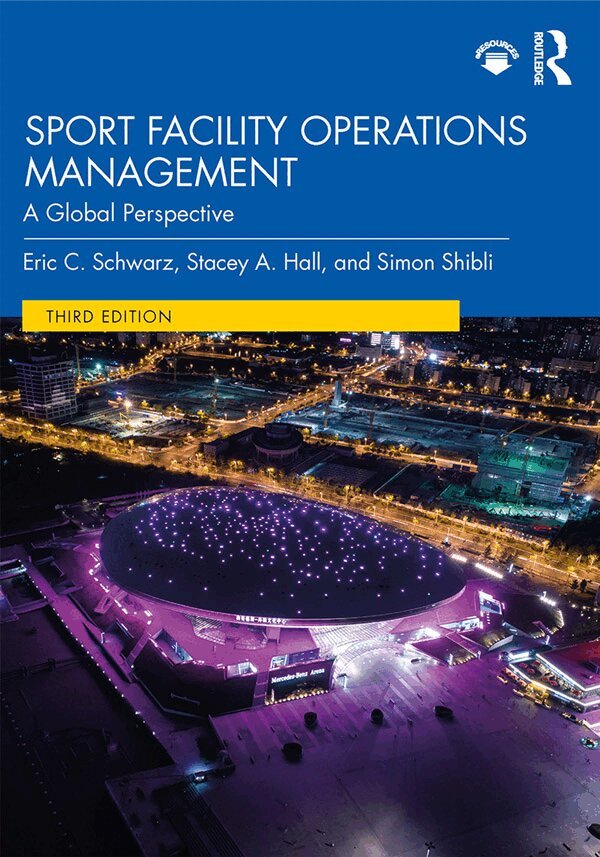
Now in a fully revised and updated third edition, Sport Facility Operations Management goes beyond the basic theories of sport facility management to include relevant practical professional experiences connecting facilities, people, and technology. This is a comprehensive and engaging textbook introducing cutting-edge concepts and best practice in sport facility operations management. Each chapter contains real-world case studies and discussion questions, innovative 'Technology Now' and new ‘Facility Focus’ features, and ‘In the Field’ segments about what is going on in the industry. This new edition also provides new content in the areas of project management, social and digital media, revenue generation and diversification, performance analytics, and impacts and legacies.This is a vital resource for sport management educators and students, especially those studying facility management. It is also an interesting read for industry professionals working in sport facility management, from grassroots and community complexes to global mega stadiums and arenas.Dedicated online materials include PowerPoint presentations for each chapter; multiple-choice and essay questions; online appendices with diagrams, schematics, manuals, and forms; a glossary; and a sample master syllabus.