Erin Brannigan - Böcker
Visar alla böcker från författaren Erin Brannigan. Handla med fri frakt och snabb leverans.
6 produkter
6 produkter
1 989 kr
Skickas inom 5-8 vardagar
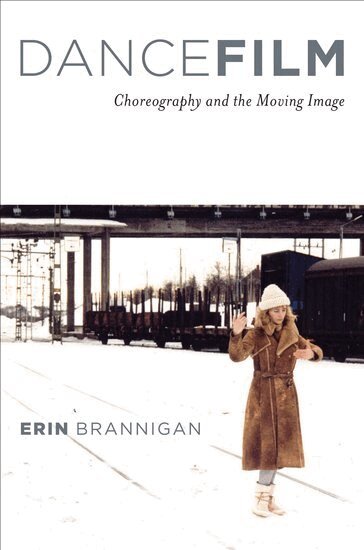
Dancefilm: Choreography and the Moving Image examines the choreographic in cinema - the way choreographic elements inform cinematic operations in dancefilm. It traces the history of the form from some of its earliest manifestations in the silent film era, through the historic avant-garde, musicals and music videos to contemporary experimental short dancefilms. In so doing it also examines some of the most significant collaborations between dancers, choreographers, and filmmakers. The book also sets out to examine and rethink the parameters of dancefilm and thereby re-conceive the relations between dance and cinema. Dancefilm is understood as a modality that challenges familiar models of cinematic motion through its relation to the body, movement and time, instigating new categories of filmic performance and creating spectatorial experiences that are grounded in the somatic. Drawing on debates in both film theory (in particular ideas of gesture, the close up, and affect) and dance theory (concepts such as radical phrasing, the gestural anacrusis and somatic intelligence) and bringing these two fields into dialogue, the book argues that the combination of dance and film produces cine-choreographic practices that are specific to the dancefilm form. The book thus presents new models of cinematic movement that are both historically informed and thoroughly interdisciplinary.
470 kr
Skickas inom 5-8 vardagar
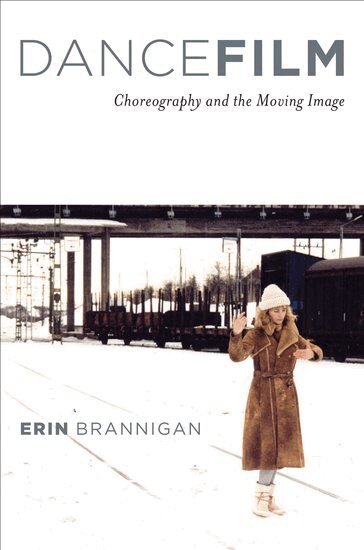
Dancefilm: Choreography and the Moving Image examines the choreographic in cinema - the way choreographic elements inform cinematic operations in dancefilm. It traces the history of the form from some of its earliest manifestations in the silent film era, through the historic avant-garde, musicals and music videos to contemporary experimental short dancefilms. In so doing it also examines some of the most significant collaborations between dancers, choreographers, and filmmakers. The book also sets out to examine and rethink the parameters of dancefilm and thereby re-conceive the relations between dance and cinema. Dancefilm is understood as a modality that challenges familiar models of cinematic motion through its relation to the body, movement and time, instigating new categories of filmic performance and creating spectatorial experiences that are grounded in the somatic. Drawing on debates in both film theory (in particular ideas of gesture, the close up, and affect) and dance theory (concepts such as radical phrasing, the gestural anacrusis and somatic intelligence) and bringing these two fields into dialogue, the book argues that the combination of dance and film produces cine-choreographic practices that are specific to the dancefilm form. The book thus presents new models of cinematic movement that are both historically informed and thoroughly interdisciplinary.
488 kr
Skickas inom 7-10 vardagar
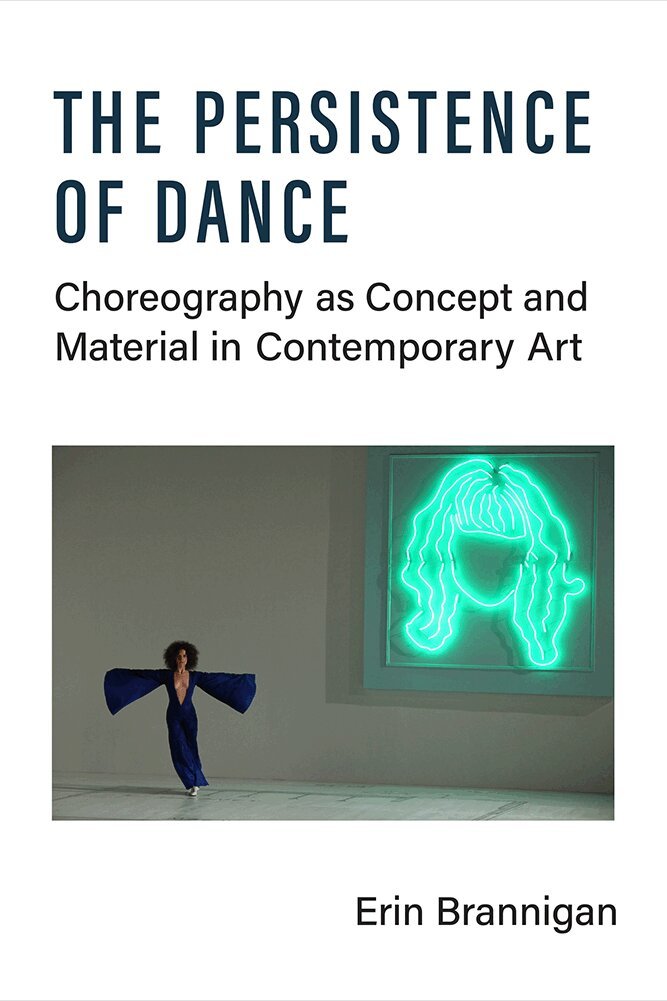
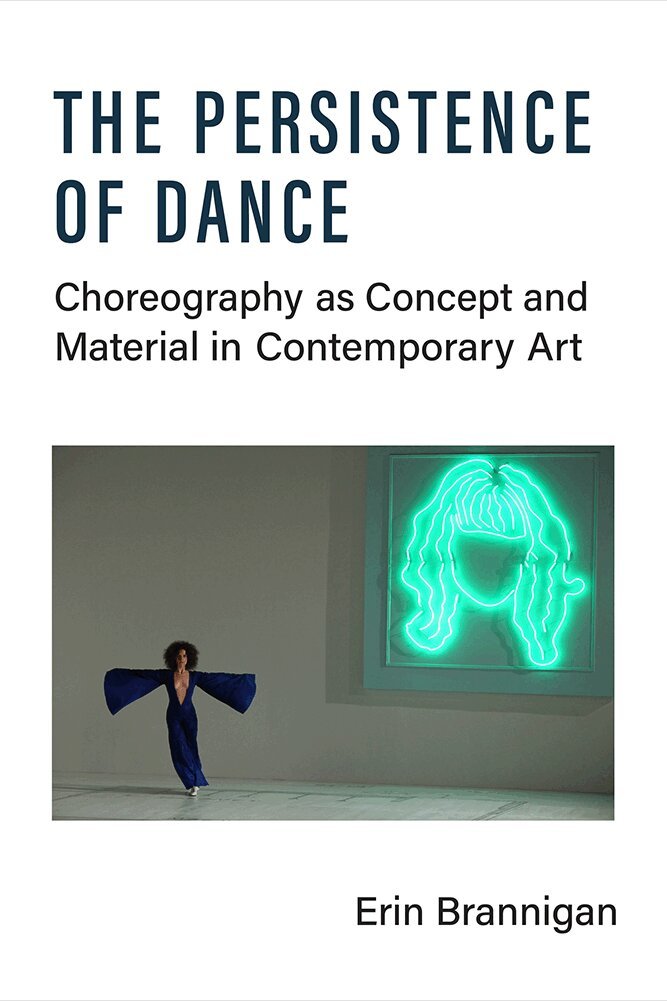
There is a category of choreographic practice with a lineage stretching back to mid-20th century North America that has re-emerged since the early 1990s: dance as a contemporary art medium. Such work belongs as much to the gallery as does video art or sculpture and is distinct from both performance art and its history as well as from theater-based dance. The Persistence of Dance: Choreography as Concept and Material in Contemporary Art clarifies the continuities and differences between the second-wave dance avant-garde in the 1950s‒1970s and the third-wave starting in the 1990s. Through close readings of key artists such as Maria Hassabi, Sarah Michelson, Boris Charmatz, Meg Stuart, Philipp Gehmacher, Adam Linder, Agatha Gothe-Snape, Shelley Lasica and Latai Taumoepeau, The Persistence of Dance traces the relationship between the third-wave and gallery-based work. Looking at these artists highlights how the discussions and practices associated with “conceptual dance” resonate with the categories of conceptual and post-conceptual art as well as with the critical work on the function of visual art categories. Brannigan concludes that within the current post-disciplinary context, there is a persistence of dance and that a model of post-dance exists that encompasses dance as a contemporary art medium.
Persistence of Dance
Choreography as Concept and Material in Contemporary Art
Inbunden, Engelska, 2023
1 157 kr
Skickas inom 7-10 vardagar
There is a category of choreographic practice with a lineage stretching back to mid-20th century North America that has re-emerged since the early 1990s: dance as a contemporary art medium. Such work belongs as much to the gallery as does video art or sculpture and is distinct from both performance art and its history as well as from theater-based dance. The Persistence of Dance: Choreography as Concept and Material in Contemporary Art clarifies the continuities and differences between the second-wave dance avant-garde in the 1950s‒1970s and the third-wave starting in the 1990s. Through close readings of key artists such as Maria Hassabi, Sarah Michelson, Boris Charmatz, Meg Stuart, Philipp Gehmacher, Adam Linder, Agatha Gothe-Snape, Shelley Lasica and Latai Taumoepeau, The Persistence of Dance traces the relationship between the third-wave and gallery-based work. Looking at these artists highlights how the discussions and practices associated with “conceptual dance” resonate with the categories of conceptual and post-conceptual art as well as with the critical work on the function of visual art categories. Brannigan concludes that within the current post-disciplinary context, there is a persistence of dance and that a model of post-dance exists that encompasses dance as a contemporary art medium.
566 kr
Skickas inom 10-15 vardagar
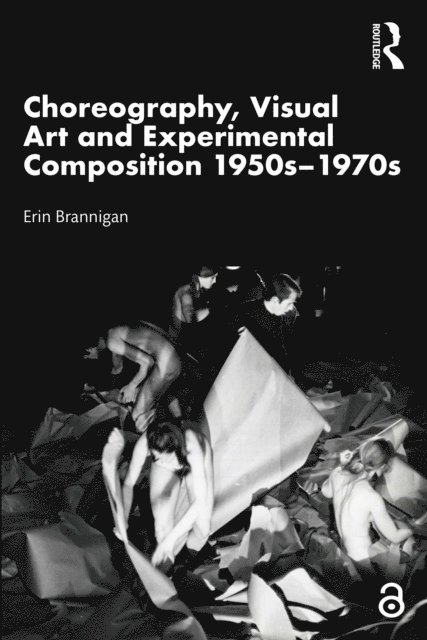
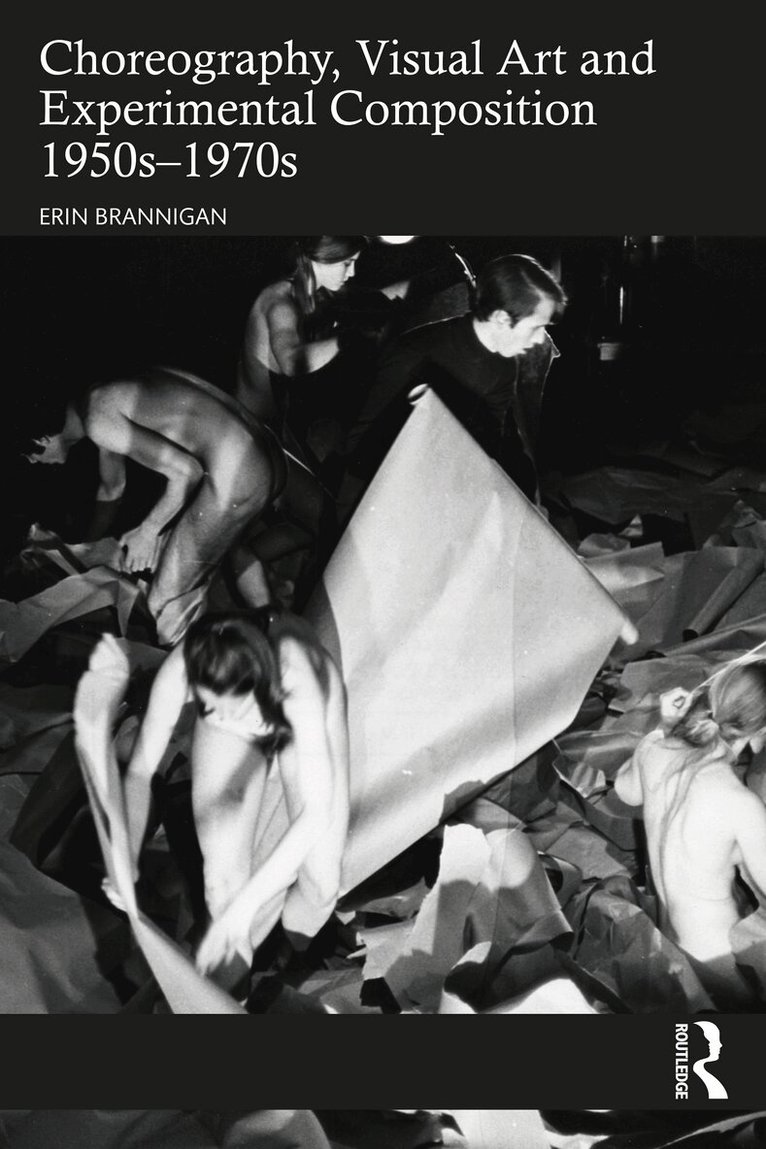
‘Winner of the 2023 Selma Jeanne Cohen Prize in Dance Aesthetics, The American Society for Aesthetics.’This book traces the history of engagements between dance and the visual arts in the mid-twentieth century and provides a backdrop for the emerging field of contemporary, intermedial art practice.Exploring the disciplinary identity of dance in dialogue with the visual arts, this book unpacks how compositional methods that were dance-based informed visual art contexts. The book provokes fresh consideration of the entangled relationship between, and historiographic significance of, visual arts and dance by exploring movements in history that dance has been traditionally mapped to (Neo-Avant Garde, Neo-Dada, Conceptual art, Postmodernism, and Performance Art) and the specific practices and innovations from key people in the field (like John Cage, Anna Halprin, and Robert Rauschenberg). This book also employs a series of historical and critical case studies which show how compositional approaches from dance—breath, weight, tone, energy—informed the emergence of the intermedial. Ultimately this book shows how dance and choreography have played an important role in shaping visual arts culture and enables the re-imagination of current art practices through the use of choreographic tools.This unique and timely offering is important reading for those studying and researching in visual and fine arts, performance history and theory, dance practice and dance studies, as well as those working within the fields of dance and visual art.Chapter 1 of this book is freely available as a downloadable Open Access PDF under a Creative Commons Attribution-Non Commercial-No Derivatives 4.0 license available at http://www.taylorfrancis.com
2 151 kr
Skickas inom 10-15 vardagar
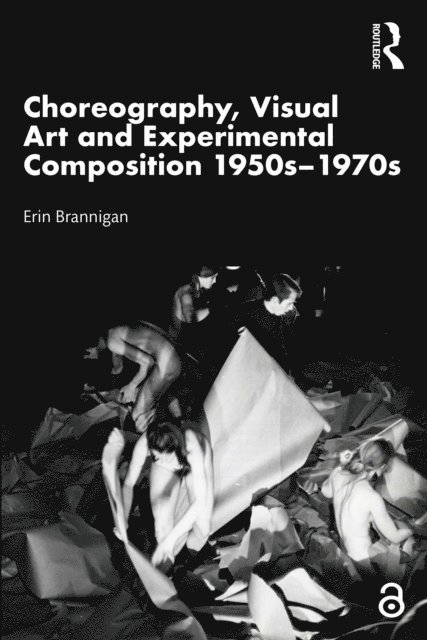
‘Winner of the 2023 Selma Jeanne Cohen Prize in Dance Aesthetics, The American Society for Aesthetics.’This book traces the history of engagements between dance and the visual arts in the mid-twentieth century and provides a backdrop for the emerging field of contemporary, intermedial art practice.Exploring the disciplinary identity of dance in dialogue with the visual arts, this book unpacks how compositional methods that were dance-based informed visual art contexts. The book provokes fresh consideration of the entangled relationship between, and historiographic significance of, visual arts and dance by exploring movements in history that dance has been traditionally mapped to (Neo-Avant Garde, Neo-Dada, Conceptual art, Postmodernism, and Performance Art) and the specific practices and innovations from key people in the field (like John Cage, Anna Halprin, and Robert Rauschenberg). This book also employs a series of historical and critical case studies which show how compositional approaches from dance—breath, weight, tone, energy—informed the emergence of the intermedial. Ultimately this book shows how dance and choreography have played an important role in shaping visual arts culture and enables the re-imagination of current art practices through the use of choreographic tools.This unique and timely offering is important reading for those studying and researching in visual and fine arts, performance history and theory, dance practice and dance studies, as well as those working within the fields of dance and visual art.Chapter 1 of this book is freely available as a downloadable Open Access PDF under a Creative Commons Attribution-Non Commercial-No Derivatives 4.0 license available at http://www.taylorfrancis.com